
Are you wondering if you can place bird feeders and hummingbird feeders together in your yard? It’s a common question for anyone who loves watching different types of birds visit their garden.
You want to attract as many beautiful visitors as possible without causing any problems. The good news is, with a little know-how, you can create a space where both regular birds and hummingbirds feel welcome. Keep reading to discover how to set up your feeders the right way, so you never miss a moment of nature’s magic right outside your window.
Choosing Feeder Types
Choosing the right feeder types is key to attracting different birds to your yard. Each bird species prefers specific feeders that suit their feeding habits. Mixing feeders for birds and hummingbirds requires understanding what works best for each. This ensures both groups find food easily and visit often.
Bird Feeders Varieties
Bird feeders come in many shapes and sizes. Tube feeders are common and hold seeds like sunflower or millet. Hopper feeders look like small houses and can hold large amounts of seed. Platform feeders are flat and open, allowing many birds to eat at once. Suet feeders attract woodpeckers and insect-eaters. Each type attracts different birds and suits various backyard styles.
- Tube feeders: for small seeds and finches
- Hopper feeders: hold mixed seeds and attract larger birds
- Platform feeders: open surface for many bird types
- Suet feeders: best for insect-eating birds
Hummingbird Feeder Options
Hummingbird feeders are designed to hold sugary nectar. They often have bright red parts to attract hummingbirds. Choose feeders with multiple feeding ports for several birds to feed at once. Look for easy-to-clean models to prevent mold. Some have built-in ant moats or bee guards to keep pests away. Proper feeder choice keeps hummingbirds safe and happy.
- Classic red bottle feeders with several ports
- Window feeders for close-up bird watching
- Feeders with ant moats to stop ants
- Bee guards to reduce insect visits
Placement Strategies
Choosing the right place for bird feeders and hummingbird feeders matters a lot. Proper placement helps attract more birds and keeps feeders safe. It also reduces mess and prevents crowding. Knowing where to put each feeder type makes a big difference for your garden visitors.
Ideal Locations For Bird Feeders
- Place bird feeders near trees or shrubs for shelter.
- Choose spots visible from windows to enjoy bird watching.
- Keep feeders away from busy areas or pets for safety.
- Set feeders at least 5 feet off the ground to avoid predators.
- Provide open space around feeders so birds can spot danger.
Best Spots For Hummingbird Feeders
- Hang hummingbird feeders in partial shade to keep nectar fresh.
- Position feeders near flowers to attract hummingbirds naturally.
- Place feeders 10-15 feet apart from other feeders to reduce competition.
- Choose quiet areas free from strong wind or heavy foot traffic.
- Mount feeders at eye level for easy refilling and watching.
Feeder Spacing Tips
Figuring out the right distance between bird feeders and hummingbird feeders can make a big difference in how well both types of birds visit your yard. Proper spacing helps prevent conflict and ensures that each feeder gets its share of visitors. Let’s dive into some tips that can help you set up your feeders for peaceful coexistence and a lively backyard scene.
Avoiding Feeder Competition
Birds can get territorial, especially when food sources are too close. Placing feeders too near each other often leads to aggressive behaviors, where one bird dominates and chases others away.
To reduce competition, try spacing the feeders so birds have their own comfortable feeding zones. A good rule of thumb is to keep at least 10 to 15 feet between a hummingbird feeder and a regular bird feeder. This distance lets hummingbirds feed without feeling threatened by larger birds.
Have you noticed certain birds guarding your feeder? Moving feeders apart can help everyone enjoy their meals without stress.
Balancing Distance For Both Feeders
While you want to keep feeders apart, placing them too far can mean you miss out on watching both types of birds together. Aim for a balance where feeders are close enough to observe but far enough to avoid conflict.
Consider placing the hummingbird feeder near flowering plants or in a semi-open space, while the seed feeder can go closer to shrubs or trees where larger birds feel safe. This setup encourages natural behavior and reduces disputes.
Try experimenting with different distances. Start with about 12 feet apart and adjust based on how your feathered visitors react. Watching their interactions can teach you a lot about what works best in your yard.
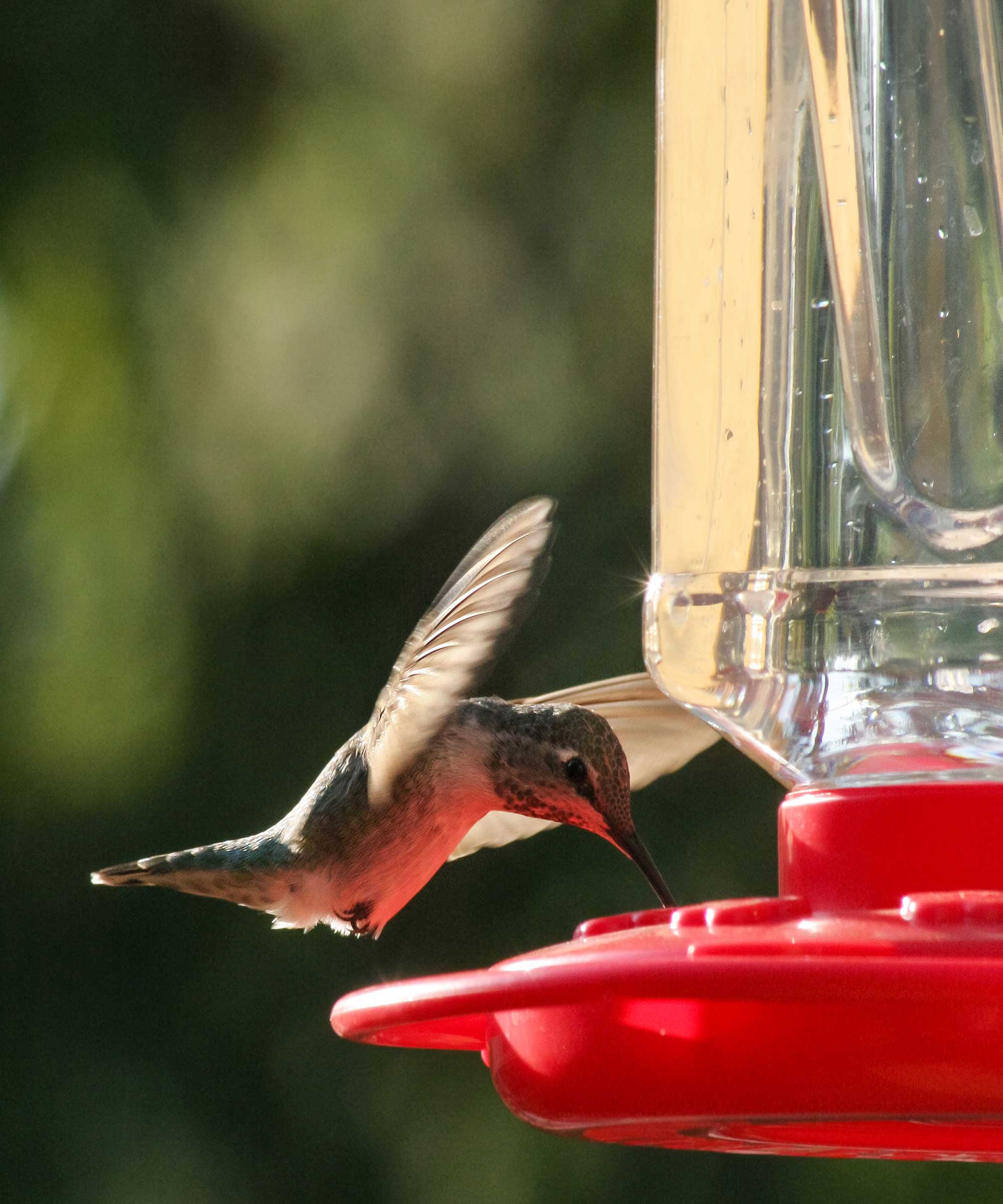
Credit: www.homesandgardens.com
Feeding Schedule
Feeding birds and hummingbirds together requires understanding their different eating habits. A good feeding schedule helps both types of feeders stay clean and filled. It also attracts more visitors to your garden. Knowing when to put out food and how often to refill keeps birds healthy and happy.
Timing For Bird Feeders
Bird feeders work best in early morning and late afternoon. Most birds eat after sunrise to gain energy. They return before sunset to feed once more. Fill feeders just before dawn to catch early birds. Check feeders mid-day and refill if needed. Avoid leaving food out overnight to prevent pests.
Hummingbird Feeding Patterns
Hummingbirds feed frequently throughout the day. They need sugar water every 30 to 60 minutes. Place feeders in the morning when hummingbirds are active. Refill feeders during midday heat to keep nectar fresh. Clean feeders and change nectar every two to three days. This prevents mold and keeps hummingbirds safe.
Maintaining Feeders
Maintaining your bird feeders and hummingbird feeders is key to keeping your backyard visitors healthy and happy. Clean feeders prevent the spread of disease and ensure fresh food and nectar. Regular care also extends the life of your feeders and keeps birds coming back.
Cleaning Bird Feeders
Cleaning bird feeders regularly is essential to avoid mold and bacteria buildup. Use a solution of one part bleach to nine parts water to scrub the feeder thoroughly. Rinse well and let it dry completely before refilling.
Remove any old seeds and debris from the feeder every few days, especially in damp weather. This simple habit protects birds from harmful germs and keeps the food fresh. Have you noticed how much more birds visit when the feeder is spotless?
Caring For Hummingbird Feeders
Hummingbird feeders need even more frequent cleaning because sugar water can spoil quickly. Change the nectar every 2 to 3 days, or daily in hot weather, to prevent fermentation and mold.
Use warm, soapy water to clean the feeder and its parts, avoiding harsh chemicals that could harm hummingbirds. Check the feeder for cracks or leaks that might attract ants or bees. Have you tried adding ant moats or bee guards to protect your feeders?

Credit: www.newsbreak.com
Attracting More Birds
Placing bird feeders and hummingbird feeders near each other can attract more birds to your garden. Different birds enjoy different foods, so offering both types helps welcome a variety of species. Keep feeders clean and refill them regularly to encourage frequent visits.
Attracting more birds to your garden can be a delightful experience. By placing bird feeders and hummingbird feeders together, you create a dynamic feeding environment. This combination attracts a diverse range of birds. It turns your garden into a lively ecosystem. Let’s explore some effective ways to invite more feathered friends.Using Plants And Flowers
Choose native plants to attract more birds. They provide natural food sources. Bright flowers draw hummingbirds with their nectar. Sunflowers and coneflowers are great for seed-eaters. Shrubs offer shelter and nesting sites. A mix of plants ensures food year-round.Providing Water Sources
Birds need water for drinking and bathing. Place a birdbath in your garden. Keep it clean and filled with fresh water. A shallow design is best for small birds. Adding a fountain or mister attracts hummingbirds. Movement and sound entice birds to visit.Common Challenges
Placing bird feeders and hummingbird feeders close can cause competition for space. Different birds may fight or scare each other away. Careful placement helps keep all visitors safe and happy.
Putting bird feeders and hummingbird feeders together can be rewarding, but it comes with its own set of common challenges. These challenges might make you wonder if it’s worth the effort. However, understanding and overcoming these hurdles can lead to a harmonious garden filled with diverse bird species.Dealing With Squirrels And Pests
Squirrels are notorious for raiding bird feeders, and they can be particularly frustrating when you’re trying to attract specific bird species. They are agile and persistent, often outsmarting many conventional deterrents. To keep them at bay, consider investing in squirrel-proof feeders or placing feeders on poles with squirrel baffles. Insects can also pose a challenge, especially around hummingbird feeders. Ants and bees are attracted to the sugar water, making it less appealing for hummingbirds. To tackle this, use ant moats and bee guards, which are effective at keeping these pests away without harming them.Preventing Feeder Crowding
Birds are territorial, and feeder crowding can lead to aggressive behavior, deterring some birds from visiting. To prevent this, space out your feeders to create distinct areas for different species. This not only reduces competition but also makes your garden more inviting to a variety of birds. You might notice that hummingbirds are particularly territorial. By placing multiple feeders around your garden, you can minimize conflict and encourage more hummingbirds to visit. Just ensure there’s enough space between feeders to keep the peace. Have you ever wondered how your garden could become a safe haven for both hummingbirds and other birds? By addressing these common challenges, you can create a balanced environment that caters to all.
Credit: www.yahoo.com
Frequently Asked Questions
Can Bird Feeders And Hummingbird Feeders Be Placed Together?
Yes, you can place bird feeders and hummingbird feeders together. Just ensure they are spaced apart to avoid competition and aggression between birds. This arrangement attracts diverse species and creates a lively backyard environment.
How Far Apart Should Feeders Be Placed?
Feeders should be at least 10 to 15 feet apart. This distance prevents territorial disputes and allows birds to feed comfortably without stress or conflict.
Will Seed Feeders Attract Hummingbirds Too?
No, hummingbirds are attracted to nectar, not seeds. Seed feeders mainly attract finches, sparrows, and other seed-eating birds. Use specialized hummingbird feeders filled with sugar water for them.
Can Mixing Feeders Increase Bird Diversity?
Yes, using both seed and nectar feeders attracts different bird species. This diversity enhances your garden’s ecosystem and provides enjoyable birdwatching opportunities.
Conclusion
Placing bird feeders and hummingbird feeders close can work well. Keep them a little apart to avoid crowding. Clean both feeders often to keep birds healthy. Different birds like different foods and spaces. Enjoy watching many bird types visit your garden.
Simple care helps create a lively, happy bird area. Try it and see what visitors come by!




