
Are you wondering if you can place your hummingbird feeders close to other bird feeders? It’s a common question for anyone who loves watching different birds visit their yard.
You want to attract as many feathered friends as possible, but you also want to make sure your hummingbirds feel safe and comfortable. The truth is, where you put your feeders can make a big difference in the birds’ behavior and your enjoyment.
Keep reading to discover the best way to set up your feeders so you get the most beautiful and peaceful visits from all your favorite birds.
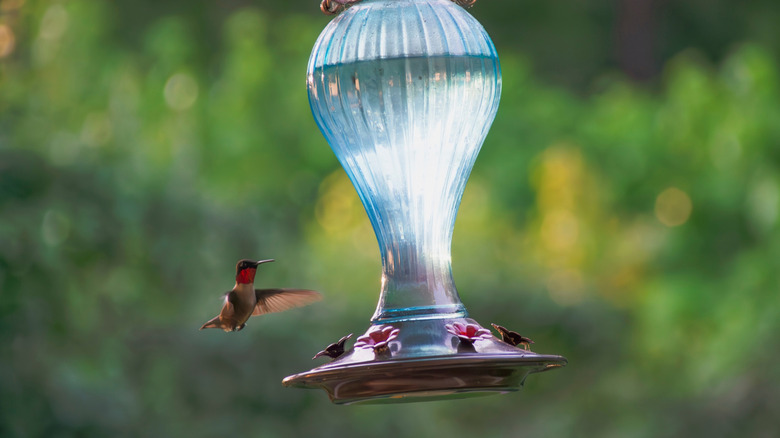
Credit: www.outdoorguide.com
Hummingbird Behavior Near Feeders
Hummingbirds show unique behaviors around feeders. Understanding these actions helps decide feeder placement. Their habits can affect how close feeders should be. Observing their behavior reveals how they interact with other birds and feeders.
Territorial Nature
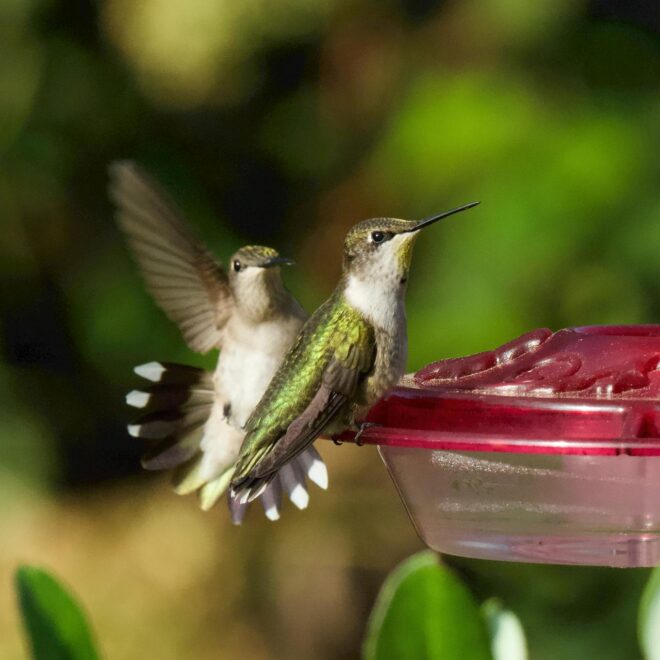
Hummingbirds are very protective of their food sources. They often guard feeders from other hummingbirds. Males especially defend their territory with quick, aggressive flights. This behavior can cause fights near feeders. A single feeder might attract repeated visits from one bird. Nearby feeders may trigger territorial disputes.
Placing feeders too close can increase stress and competition. Sometimes, a hummingbird chases away others for several minutes. Giving enough space reduces these conflicts. It allows multiple birds to feed peacefully.
Feeding Patterns
Hummingbirds feed frequently but in short bursts. They visit feeders many times during the day. Their feeding times often depend on light and temperature. Early morning and late afternoon are busy times. Hummingbirds rest between feeding sessions.
They use feeders as quick stops, then move to flowers or other feeders. This pattern helps multiple feeders support more birds. Spacing feeders apart can encourage natural feeding routes. It mimics their normal behavior in the wild.
Types Of Bird Feeders
Bird feeders come in different types, each designed to attract specific birds and serve their unique feeding habits. Knowing the differences can help you decide if hummingbird feeders can safely share space with other feeders in your yard. Understanding these types also helps you create a welcoming environment for a variety of bird species.
Hummingbird Feeders
Hummingbird feeders are small and usually brightly colored to attract these tiny birds. They typically have red parts and offer sugar water, mimicking the nectar hummingbirds love. These feeders require regular cleaning to prevent mold and bacteria, which can harm hummingbirds.
Because hummingbirds feed on liquid nectar, their feeders don’t usually attract seed-eating birds. This means you can often place hummingbird feeders near other types without much competition. But keep an eye on the activity to see if larger birds disturb the hummingbirds.
Seed Feeders
Seed feeders come in many shapes, from tube feeders to platform styles, designed to hold sunflower seeds, millet, and other common bird seeds. These feeders attract a wide range of birds, like finches, cardinals, and sparrows. They often need to be refilled more frequently, especially in busy seasons.
Since seed feeders attract many birds, they can sometimes overshadow hummingbird feeders if placed too close. Larger birds may dominate the area, making hummingbirds hesitant to visit. Consider placing seed feeders a few feet away to give hummingbirds their own space.
Suet Feeders
Suet feeders hold blocks of suet, a high-energy food made from animal fat mixed with seeds and insects. These are favorites of woodpeckers, nuthatches, and chickadees, especially in colder months. The feeders are usually wire cages that hang from trees or poles.
Suet feeders attract different birds than nectar or seed feeders, so they rarely compete with hummingbird feeders. However, the presence of larger birds at suet feeders might still scare hummingbirds if feeders are too close. Spacing them apart can keep all your visitors comfortable.
Placement Strategies
Placement strategies for hummingbird feeders affect bird visits and safety. Proper positioning helps birds feed comfortably and avoid conflicts with other feeders. Thoughtful placement can also attract more hummingbirds and keep them safe from predators.
Distance Between Feeders
Keep hummingbird feeders at least 10 feet away from other bird feeders. This distance reduces competition and aggressive behavior among birds. It also prevents smaller hummingbirds from being chased off by bigger birds.
Separate feeders allow hummingbirds to feel secure and less stressed. If space is limited, place feeders on opposite sides of a yard or porch.
Height Considerations
Hang hummingbird feeders about 4 to 6 feet above the ground. This height is easy for birds to access and safe from ground predators. Avoid placing feeders too high where birds may struggle to reach.
Other bird feeders can be placed higher or lower depending on the species. Adjust heights to prevent crowding and allow clear flight paths for hummingbirds.
Visibility And Safety
Place feeders in open areas where birds can see them easily. Good visibility attracts hummingbirds and helps them find food quickly. Avoid putting feeders too close to dense bushes or windows.
Use feeder spots with nearby perches or branches. Birds use these to rest and watch for danger. Clear surroundings reduce the risk of predator attacks.
Attracting Multiple Bird Species
Attracting multiple bird species to your yard creates a lively and colorful environment. Different birds prefer different feeders and foods. Placing a variety of feeders near each other can draw more birds. This approach helps you enjoy watching many species at once.
Feeder Variety
Using different feeder types invites a wider range of birds. Hummingbird feeders with nectar attract tiny, fast birds. Tube feeders with seeds bring finches and chickadees. Platform feeders appeal to larger birds like cardinals and jays.
Position feeders thoughtfully. Keep hummingbird feeders away from seed feeders to reduce competition. But placing them close enough allows easy access for all birds. Offer perches for resting near each feeder. This setup encourages multiple species to visit simultaneously.
Food Preferences
Birds have unique food choices. Hummingbirds love sweet nectar made from sugar and water. Seed-eating birds prefer sunflower, millet, and safflower seeds. Suet cakes attract woodpeckers and nuthatches.
Provide fresh nectar and clean feeders regularly. Change seed types to suit different birds. Mixing foods supports a diverse bird population. This variety keeps birds returning day after day.
Avoiding Aggression And Competition
Placing hummingbird feeders near other bird feeders can sometimes lead to unwanted aggression and competition. Different bird species have varying temperaments, and when food sources are too close, conflicts may arise. Understanding how to space and manage feeders helps keep your backyard birds peaceful and thriving.
Feeder Spacing Tips
Keep hummingbird feeders at least 10 feet away from larger bird feeders. This distance reduces direct confrontations and gives hummingbirds enough space to feed comfortably.
Position feeders at different heights to minimize competition. For example, hang the hummingbird feeder higher or lower than seed feeders for other birds.
Consider visibility too. Place feeders where birds can easily spot them without feeling trapped or cornered.
Managing Dominant Birds
Some birds, like grackles or squirrels, can dominate feeding areas and scare away hummingbirds. Use feeder designs that limit access to larger birds, such as small feeding ports or cages.
Try offering multiple feeders to spread out aggressive birds. This way, no single feeder becomes a hotspot for competition.
Have you noticed a specific bird causing trouble at your feeders? Observing their behavior can help you adjust placement or feeder type to keep peace in your garden.
Cleaning And Maintenance
Hummingbird feeders can be placed near other bird feeders if spaced well to reduce competition. Clean feeders regularly to prevent mold and keep birds healthy. Proper maintenance helps attract more hummingbirds safely.
Cleaning and maintaining bird feeders is crucial for bird health. Birds gather around feeders, sharing food and spaces. This can lead to the spread of diseases. Regular cleaning keeps feeders safe and birds healthy. It’s especially important for hummingbird feeders. They require specific attention due to their nectar content.Preventing Disease
Dirty feeders can harbor harmful bacteria and mold. These can make birds sick. Cleaning feeders regularly prevents this. It’s a simple way to protect bird health. Also, it reduces the risk of spreading diseases among bird populations.Regular Cleaning Schedule
Establish a routine for cleaning your feeders. Clean hummingbird feeders every few days. Other bird feeders can be cleaned weekly. Use mild soap and warm water for cleaning. Rinse thoroughly to remove all soap residue. Always let feeders dry completely before refilling. This prevents mold growth in feeders.Seasonal Considerations
Seasonal changes affect bird feeding habits and feeder placement. Placing hummingbird feeders near others may cause competition or attract unwanted insects. Adjust feeder locations based on bird activity during different seasons.
Seasonal changes can significantly impact the placement and effectiveness of your bird feeders. Understanding these shifts can help you maximize bird visits and ensure the safety of your feathered guests. As the seasons change, so do the behaviors and needs of hummingbirds and other birds.Migration Periods
During migration, hummingbirds travel long distances and rely on feeders for energy. Placing your hummingbird feeders near other bird feeders can attract more birds, creating a vibrant and dynamic atmosphere. However, ensure there is enough space to avoid overcrowding. In migration periods, adjust feeder locations to align with the birds’ travel paths. This strategy can increase visits and provide much-needed sustenance. Have you considered the migration patterns in your area?Feeding During Extreme Weather
Extreme weather can challenge birds, making feeders even more critical. In harsh conditions, birds need easy access to reliable food sources. Positioning hummingbird feeders near other bird feeders can offer a collective refuge. During cold spells, keep feeders filled with nutrient-rich solutions. In heatwaves, ensure fresh water is available and feeders are shaded. Are your feeders ready to support birds through the toughest weather? By considering these seasonal factors, you not only support your local wildlife but also enjoy a lively bird-watching experience.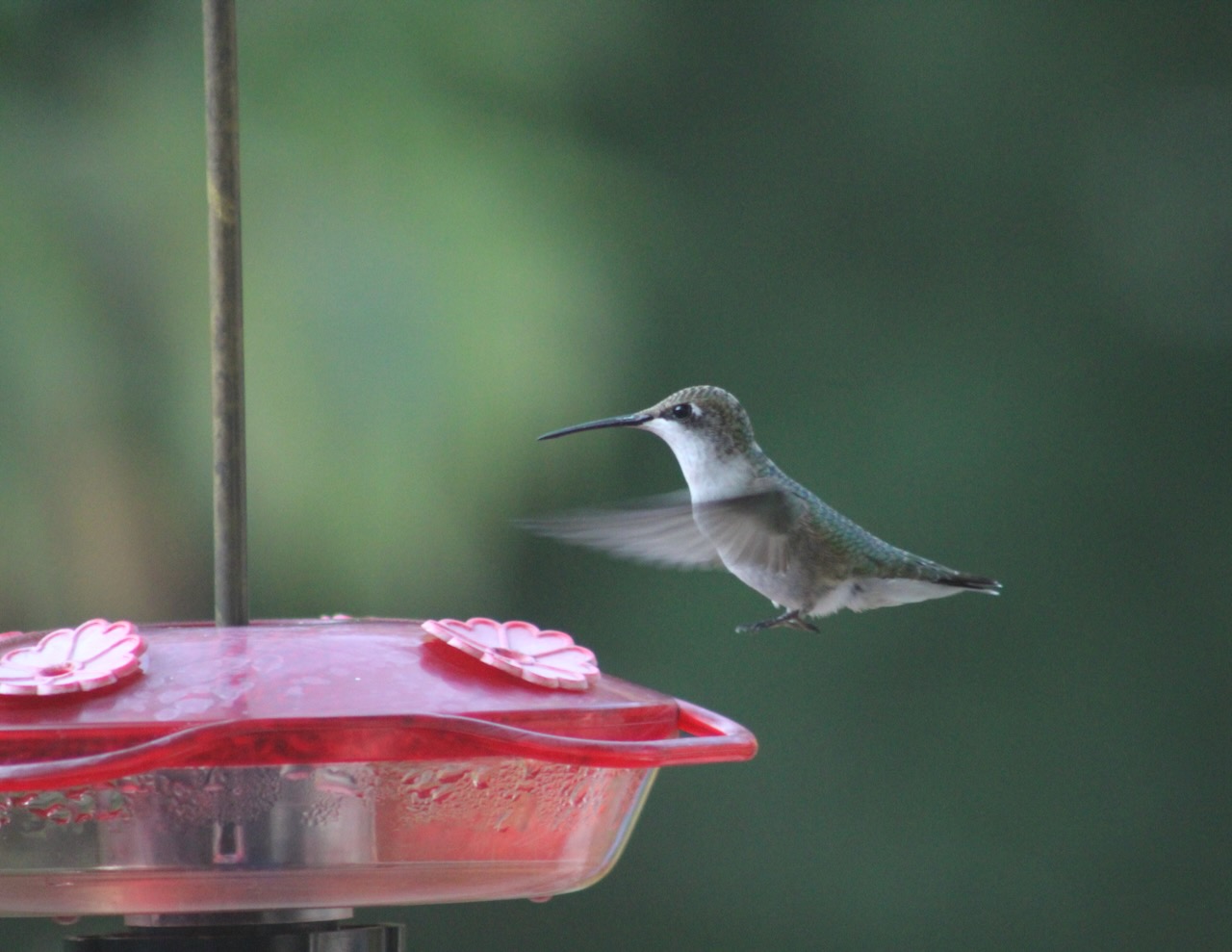
Credit: findingourwayhome.blog
Credit: www.birdwatchingdaily.com
Frequently Asked Questions
Can Hummingbird Feeders Be Placed Near Other Feeders?
Yes, hummingbird feeders can be near other feeders. Keep them 10-15 feet apart to avoid territorial conflicts and attract more birds.
Will Other Birds Bother Hummingbirds At Feeders?
Some birds may chase hummingbirds, especially aggressive species. Proper spacing helps reduce conflicts and provides a peaceful feeding environment.
How Far Should Hummingbird Feeders Be From Other Feeders?
Place hummingbird feeders at least 10-15 feet away from other feeders. This distance minimizes competition and helps hummingbirds feel safe.
Does Feeder Placement Affect Hummingbird Visits?
Yes, feeder placement impacts visits. Position feeders in visible, quiet spots away from predators and crowded feeders for best results.
Conclusion
Placing hummingbird feeders near other bird feeders can work well. Just keep some space between them to avoid crowding. Hummingbirds prefer quiet spots with less competition. Watch how birds behave and adjust feeder spots if needed. This way, you can enjoy many types of birds safely.
Feeding stations close together might attract more birds to your yard. Try different distances and see what your birds like best. Happy bird watching!




