
Are you wondering if you can hang bird feeders and hummingbird feeders together in your yard? It’s a question many nature lovers ask when trying to attract a variety of feathered friends.
You want to create a welcoming space for all kinds of birds without causing any problems. The good news is, with the right setup, you can enjoy watching both regular birds and hummingbirds at the same time. Keep reading, and you’ll discover simple tips to make your feeders work perfectly side by side.
This way, your outdoor space becomes a lively haven for all your favorite visitors.
Credit: www.alcircle.com
Choosing Feeder Types
Choosing the right feeder types is essential if you want to attract a variety of birds and hummingbirds to your yard without causing any conflicts. Different birds have unique feeding habits and preferences, so selecting feeders that cater specifically to their needs will keep your visitors happy and healthy. Have you ever noticed how some birds avoid certain feeders? It might be due to the feeder design or the type of food offered.
Bird Feeders Varieties
Bird feeders come in many shapes and sizes, each designed for specific types of birds and seeds. Tube feeders, with multiple feeding ports, are great for small songbirds like finches and chickadees. Hopper feeders hold a larger quantity of seed and attract bigger birds such as cardinals and grosbeaks.
Platform feeders offer an open space that attracts a wide range of birds but also invite squirrels and other critters. If you want to minimize mess, consider a sock feeder for smaller seeds or a suet feeder to provide high-energy food during colder months. Choosing feeders based on the bird species you want to attract will improve your chances of success.
Hummingbird Feeder Options
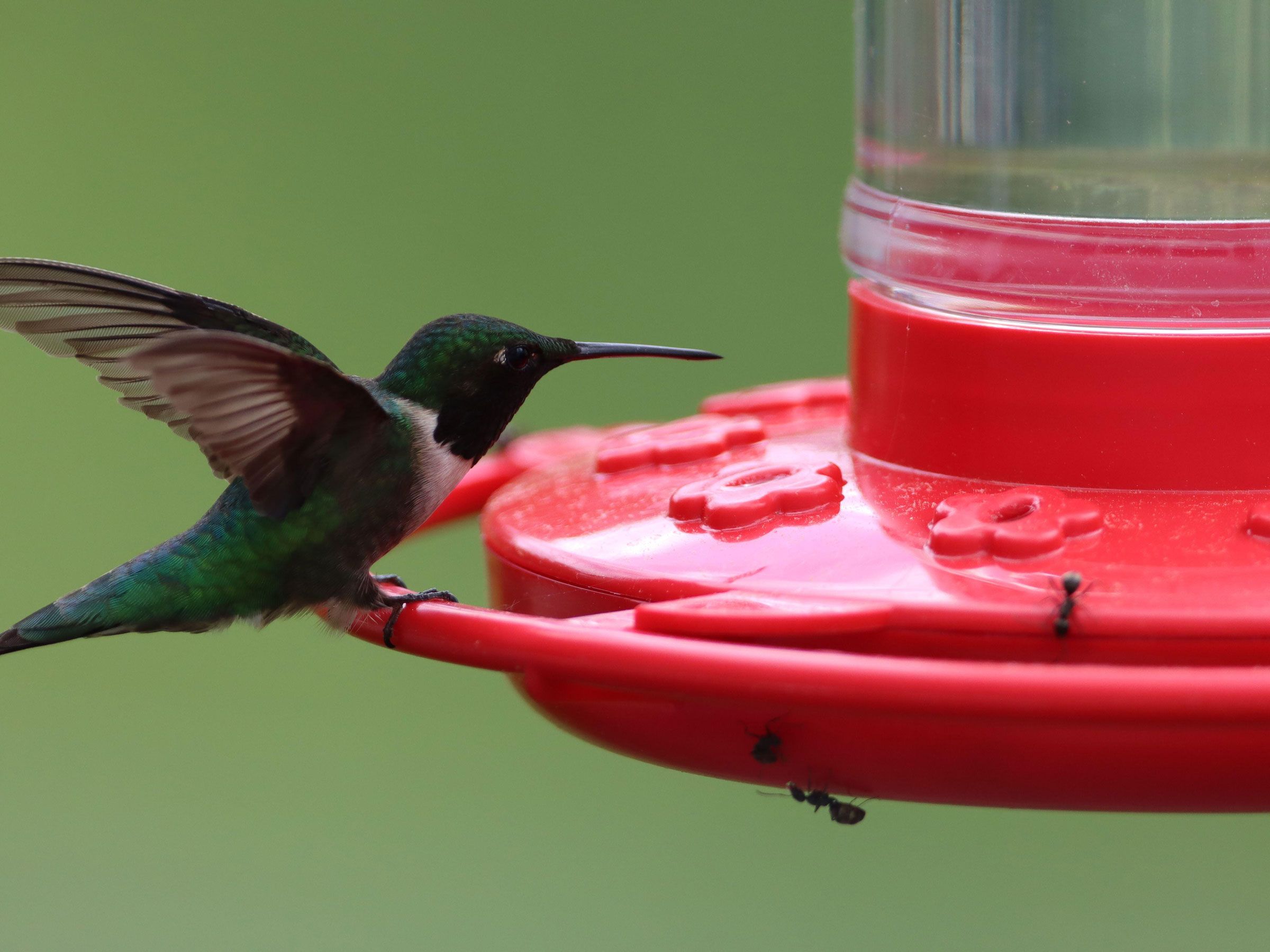
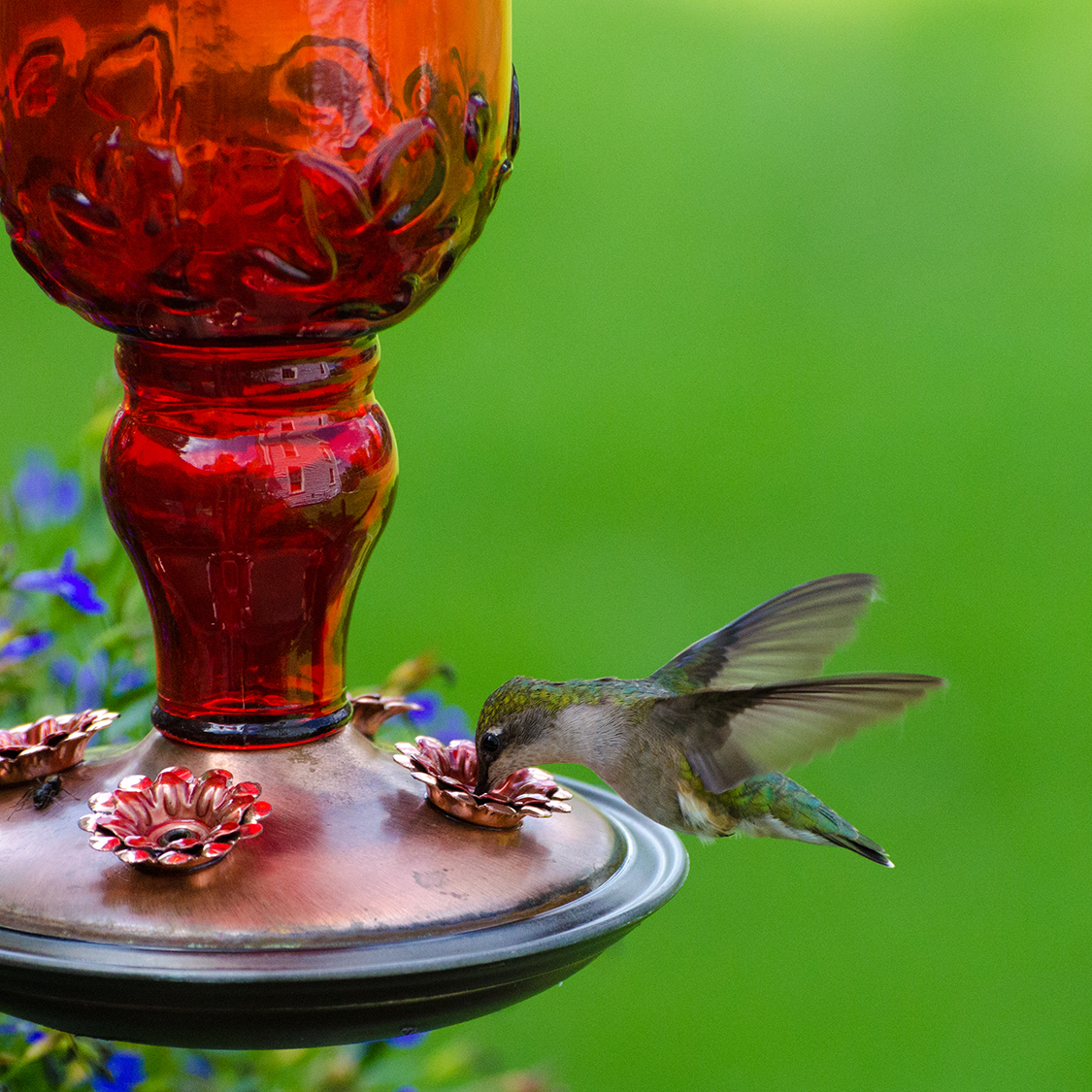
Hummingbird feeders are quite different from bird feeders because they dispense liquid nectar rather than seeds. They typically feature bright red parts to attract hummingbirds and ports designed for their long beaks. You can find feeders with built-in ant moats or bee guards to keep unwanted insects away.
Some hummingbird feeders have multiple feeding ports, allowing several birds to feed simultaneously. Others are simpler and hold smaller amounts of nectar, which is useful if you want to change the nectar frequently to avoid fermentation. When choosing a hummingbird feeder, consider how easy it is to clean and refill, since hummingbirds need fresh nectar daily.
Credit: www.homesandgardens.com
Placement Tips
Placing bird feeders and hummingbird feeders together can create a lively backyard scene, but careful placement is key to making sure all your feathered visitors feel comfortable and safe. Proper positioning helps reduce competition and stress among birds while maximizing your viewing pleasure. Let’s look at some practical tips to guide you in setting up your feeders effectively.
Ideal Distance Between Feeders
Keeping the right distance between bird feeders is crucial. If feeders are too close, aggressive birds may dominate all the food, scaring away others. A good rule of thumb is to space feeders at least 10 to 15 feet apart.
This distance gives smaller or more timid birds a chance to feed without feeling threatened. With hummingbird feeders, you might want to place them about 3 to 5 feet apart from seed feeders to avoid direct competition. Have you noticed how hummingbirds tend to be territorial? Giving them their own space reduces their stress and lets you enjoy more activity.
Selecting The Right Location
Choosing where to hang your feeders matters as much as the distance between them. Look for spots that offer some shelter from wind and harsh sun to keep the feeders inviting. Placing feeders near trees or shrubs can provide birds with quick hiding spots if they feel threatened.
Think about how visible the feeders are from your favorite viewing spot. You want to enjoy watching the birds without disturbing them. Also, avoid placing feeders too close to windows to reduce bird collisions. Have you tried hanging hummingbird feeders in the shade? It can help keep the nectar fresh longer.
Feeder Maintenance
Maintaining bird feeders and hummingbird feeders is key to keeping birds healthy and happy. Clean feeders prevent the spread of disease and keep the nectar fresh. Proper care also extends the life of your feeders. Regular checks and cleaning make a big difference in bird feeding success.
Cleaning Frequency
Clean bird feeders every two weeks during mild weather. In hot weather, clean them once a week to stop mold growth. Hummingbird feeders need more frequent cleaning due to sugary nectar. Rinse feeders with hot water after each refill. Remove any old nectar before adding fresh food.
Preventing Mold And Bacteria
Mold and bacteria grow quickly in damp feeders. Use a mild bleach solution to kill germs. Mix one part bleach with nine parts water. Soak the feeder for ten minutes, then rinse well. Dry feeders completely before refilling to avoid mold. Place feeders in shaded areas to slow mold growth. Check for cracks or damage that can hide bacteria. Replace feeders if cleaning does not remove buildup.
Attracting Different Birds
Attracting different birds to your yard can turn your outdoor space into a lively, colorful sanctuary. Hanging bird feeders and hummingbird feeders together is a great way to invite a variety of feathered visitors. Understanding how to cater to their unique needs will help you create a balanced feeding area that keeps all your guests happy.
Food Preferences
Different birds have different tastes. Hummingbirds are drawn to nectar, especially a simple mix of four parts water to one part sugar, without red dye. On the other hand, seed-eating birds prefer sunflower seeds, millet, or mixed birdseed blends.
Placing feeders with the right food side by side helps you attract both types without confusion. Remember, squirrels love sunflower seeds too, so consider squirrel-proof feeders if you want to keep your seed stash safe.
Timing And Seasons
Bird feeding needs change with the seasons. Hummingbirds are mostly active during warmer months when flowers bloom, so keep their feeders filled from spring through early fall. Seed feeders, however, can attract birds year-round, especially in colder months when natural food is scarce.
Have you noticed how your backyard birds change with the seasons? Keeping feeders suited to different birds’ seasonal habits ensures you’ll enjoy watching a variety of species throughout the year.
Avoiding Common Problems
Hanging bird feeders and hummingbird feeders together can create a vibrant backyard scene, but it may also invite some challenges. Knowing how to avoid common problems will help keep your feathered friends safe and happy. Let’s look at practical ways to handle typical issues so your feeders work smoothly side by side.
Squirrel And Pest Control
Squirrels can be a persistent problem, often raiding both bird and hummingbird feeders. To protect your feeders, use squirrel-proof designs or baffles on poles. Placing feeders away from jumping-off points like trees or fences can also reduce unwanted visits.
Consider feeders with weight-sensitive perches that close access to heavier animals. Additionally, cleaning up spilled seeds regularly discourages pests like ants and rodents from settling nearby. Have you tried hanging your feeders at different heights? This simple trick can confuse squirrels and keep them at bay.
Minimizing Feeder Aggression
Birds sometimes become territorial when feeders are too close, leading to aggressive behavior. To reduce conflicts, space your feeders a few feet apart so birds can feed comfortably without feeling threatened. Offering multiple feeding spots also helps disperse crowds.
Using feeders with multiple ports or perches allows more birds to feed at once, decreasing competition. Watch how your local birds behave; some species are more tolerant of company than others. Adjust feeder placement based on what you observe to create a peaceful feeding environment.
Credit: www.tomsguide.com
Frequently Asked Questions
Can Bird Feeders And Hummingbird Feeders Hang Together?
Yes, they can hang together if spaced properly. Keep feeders about 10-15 feet apart to avoid territorial conflicts and allow safe feeding for both birds.
Will Hummingbirds Be Scared By Regular Bird Feeders?
Hummingbirds might avoid feeders near noisy or crowded bird feeders. Place hummingbird feeders in quieter spots to attract them comfortably.
How Far Apart Should Feeders Be Placed?
For best results, place feeders 10 to 15 feet apart. This distance reduces competition and stress among different bird species.
Do Different Bird Feeders Attract Different Birds?
Yes, seed feeders attract seed-eating birds, while hummingbird feeders attract nectar feeders. Using both types increases backyard bird diversity.
Conclusion
You can hang bird feeders and hummingbird feeders together safely. Place them far enough apart to avoid crowding and competition. Watch for signs that birds are comfortable and feeding well. Clean both feeders regularly to keep birds healthy. Enjoy the variety of birds visiting your yard every day.
With simple care, your feeders will bring joy and color. Try different spots and feeder styles to see what works best. Birds will thank you with their beautiful songs and visits.




