
Are you wondering if you can hang your hummingbird feeders alongside other bird feeders? It’s a common question for anyone who loves attracting different birds to their yard.
You want to enjoy the colorful hummingbirds without scaring away your favorite songbirds or creating a feeding mess. The good news is, with a few simple tips, you can set up your feeders in a way that keeps all your feathered visitors happy.
Keep reading to discover the best ways to hang hummingbird feeders with other bird feeders and make your backyard a bird paradise.
Choosing The Right Location
Choosing the right location for your hummingbird feeder is key to attracting these tiny birds while ensuring they thrive alongside other feathered visitors. The spot you pick can affect how often hummingbirds visit and how comfortable they feel. Let’s look at what you need to consider to make your garden a welcoming place for all birds.
Space Requirements For Hummingbirds
Hummingbirds need enough room to hover and dart around without feeling crowded. Unlike larger birds, they prefer open spaces near nectar sources but with some nearby cover for quick escapes.
Place feeders where hummingbirds can approach easily from multiple angles. Avoid tight clusters of feeders that restrict their flying paths. Have you noticed how hummingbirds like to perch nearby? Providing a few small branches or perches within 3 to 5 feet of the feeder encourages them to linger.
Avoiding Feeder Competition
Other bird feeders can attract species that might chase or intimidate hummingbirds. To reduce conflicts, position hummingbird feeders away from seed feeders or suet stations.
Keep at least 10 feet between hummingbird feeders and those meant for larger birds. This distance helps hummingbirds feed peacefully without being driven off. You might also try placing hummingbird feeders higher than other feeders, as these birds prefer elevated spots.
Safe Distance From Predators
Predators like cats and hawks can threaten hummingbirds at feeders. Choose locations that offer natural protection, such as near shrubs or trees where birds can quickly hide.
Make sure feeders aren’t too close to places where cats can easily jump or pounce. Hanging feeders at least 5 feet off the ground and away from dense bushes lowers the risk. Have you thought about how your garden’s layout affects safety? Small changes can make a big difference in protecting your hummingbird visitors.
Types Of Feeders To Combine
Choosing the right combination of bird feeders can turn your backyard into a lively haven for various bird species. Knowing which feeders work well together helps you attract a diverse crowd without causing competition or stress among the birds. Let’s look at some popular feeder types and how they can be paired effectively.
Hummingbird Feeders
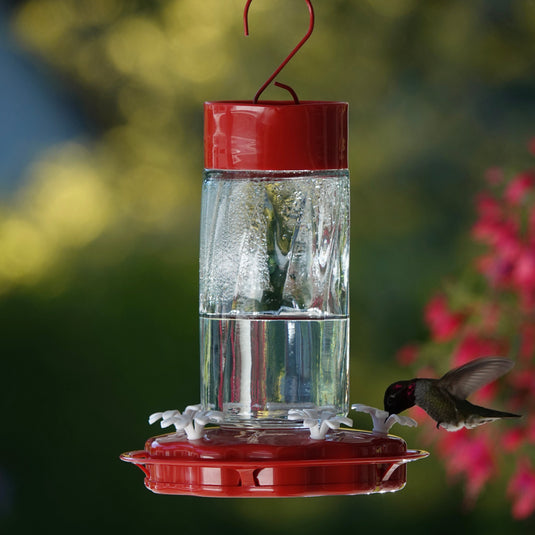
Hummingbird feeders are specially designed to hold nectar, which is the main food source for these tiny birds. They often have bright red parts to attract hummingbirds and ports just the right size for their long bills.
You can hang hummingbird feeders alongside other feeders as long as you provide enough space to avoid crowding. Make sure to place the nectar feeders in a shaded spot to keep the nectar fresh longer.
Seed Feeders
Seed feeders come in many shapes, such as tube feeders, hopper feeders, and platform feeders. They attract a wide variety of birds like finches, sparrows, and chickadees.
When you hang seed feeders near hummingbird feeders, keep them a few feet apart. This distance prevents bigger birds from scaring away the smaller hummingbirds while still allowing you to enjoy watching different species together.
Suet And Nectar Options
Suet feeders offer high-energy food, especially attractive to woodpeckers, nuthatches, and titmice. Meanwhile, nectar feeders cater specifically to hummingbirds and orioles.
Combining suet and nectar feeders can bring a nice mix of birds to your yard. Place suet feeders on tree trunks or poles and nectar feeders nearby but not too close. This setup reduces competition and lets you observe a variety of feeding behaviors.
Timing And Placement Strategies
Timing and placement play a key role in successfully hanging hummingbird feeders alongside other bird feeders. Knowing when hummingbirds feed the most and where to place feeders helps attract these tiny birds without scaring them away. Proper strategies ensure all birds enjoy the feeders peacefully and safely.
Peak Feeding Hours
Hummingbirds feed mostly in the early morning and late afternoon. These hours offer cooler temperatures and less competition from other birds. Placing feeders where hummingbirds can access them during these times increases visits. Avoid placing feeders in direct midday sun to prevent nectar spoilage.
Positioning For Visibility
Hummingbird feeders should be visible from a distance but near some cover. Trees or shrubs provide safe spots for hummingbirds to rest and hide. Position feeders away from strong winds and busy human areas. Keep other bird feeders at least 10 feet away to reduce territorial behavior.
Using Multiple Feeders Effectively
Use separate feeders for hummingbirds and other birds to avoid conflicts. Offer hummingbird feeders at different heights and spots around your yard. This helps reduce competition and stress among birds. Clean all feeders regularly to keep nectar fresh and prevent disease.

Credit: www.amazon.com
Maintaining Cleanliness
Keeping hummingbird feeders clean is crucial, especially when they hang alongside other bird feeders. You want to protect the delicate hummingbirds from harmful bacteria and mold that can grow quickly in sugary nectar. Maintaining cleanliness not only safeguards their health but also keeps your backyard visitors happy and returning.
Preventing Mold And Bacteria
Mold and bacteria thrive in warm, moist environments, which makes hummingbird feeders a perfect breeding ground if not cleaned regularly. Using fresh nectar and changing it every two to three days is key to stopping growth before it starts. Have you noticed a sour smell or cloudy nectar? That’s a red flag that your feeder needs immediate attention.
Keeping feeders out of direct sunlight helps reduce the chances of mold forming quickly. Plus, rinsing the feeder thoroughly with hot water after each use removes leftover sugars that attract unwanted microbes. You can also use a small brush to scrub the feeding ports where mold hides the most.
Cleaning Frequency
How often you clean your feeders depends on the weather and usage. In hot weather, daily cleaning is ideal because nectar ferments faster. Cooler temperatures allow for a slightly longer interval, but never stretch beyond a week without cleaning.
Don’t wait for visible dirt to appear before cleaning. Regular maintenance prevents problems before they start. Mark your calendar or set a reminder on your phone to keep your feeders safe and inviting.
Avoiding Cross-contamination
Hanging hummingbird feeders near other bird feeders means you need to be extra careful about cross-contamination. Different bird species carry different germs, so sharing cleaning tools between feeders can spread diseases.
Always use separate brushes and containers for hummingbird feeders and seed feeders. Rinse tools thoroughly between uses, or keep dedicated cleaning supplies for each feeder type. This simple step can protect the sensitive hummingbirds from infections that other birds might carry.
Have you ever thought about how your cleaning routine might affect the health of your backyard birds? Small changes can make a big difference in their safety and your enjoyment.
Attracting Different Bird Species
Attracting different bird species to your yard can create a lively and colorful environment. Using various feeders lets you offer food that suits many birds. Mixing hummingbird feeders with other types is possible with some planning. This encourages a diverse group of birds to visit your space.
Feeder Design And Bird Preferences
Each bird species prefers specific feeder shapes and food types. Hummingbirds like feeders with red parts and nectar. Seed-eating birds prefer tube feeders or platform feeders filled with sunflower seeds or millet. Using separate feeders for each bird type helps reduce competition.
Place feeders at different heights and distances. This gives shy birds space and reduces conflicts. Keep feeders clean to avoid disease. Bright colors attract hummingbirds but may scare away other birds.
Seasonal Considerations
Bird species change with seasons. Hummingbirds arrive in spring and leave by fall. Seed-eating birds may stay all year. Adjust feeders based on seasonal visitors. Offer nectar in warm months and seeds in cold months.
Remove hummingbird feeders before frost to prevent freezing. Refill seed feeders in winter to support local birds. Seasonal changes affect bird activity and feeding habits.
Using Plants To Enhance Attraction
Plants add natural food sources and shelter. Flowering plants with nectar attract hummingbirds. Trees and shrubs provide seeds, berries, and protection for other birds.
- Plant native flowers near hummingbird feeders.
- Include berry-producing shrubs for seed eaters.
- Use dense bushes for nesting and hiding.
Natural plants create a welcoming habitat. They encourage birds to stay longer and visit often.
Credit: www.natureswaybirds.com
Common Challenges And Solutions
Hanging hummingbird feeders with other bird feeders can pose challenges like attracting unwanted birds. To solve this, place feeders in separate areas. Use different feeder designs to cater to specific bird species. This helps create a balanced environment for all birds.
Attracting hummingbirds to your garden can be a delightful experience, but combining their feeders with others can present some challenges. This section will guide you through common obstacles you might face and offer practical solutions. By addressing these challenges, you can create a harmonious environment for all your feathered visitors.Aggressive Birds
Some birds can be aggressive, particularly towards smaller species like hummingbirds. Blue jays, for example, may dominate feeder spaces and scare away your tiny guests. To combat this, consider using feeders with separate feeding ports or placing hummingbird feeders at a distance from larger bird feeders. This can help ensure peace among your garden visitors and allow each bird species to enjoy their meal in peace.Feeder Damage
Bird feeders can sometimes get damaged due to weather, animals, or even the birds themselves. Hanging different types of feeders close together may increase the risk of damage, especially if larger birds jostle the feeders. To protect your feeders, regularly inspect them for signs of wear and tear and ensure they are securely fastened. Opt for sturdy materials that can withstand both weather and wildlife interference.Dealing With Insects
Insects, particularly ants and bees, are often attracted to the sugary nectar in hummingbird feeders. This can deter hummingbirds and make maintenance a hassle. Consider using ant moats or bee guards, which are designed to keep these pests at bay. Additionally, regularly clean your feeders to prevent any leftover nectar from attracting unwanted guests. By addressing these common challenges, you can create a more inviting and safe environment for both hummingbirds and other bird species. How will you enhance your garden’s bird-friendly appeal today?
Credit: www.hummingbirdsociety.org
Frequently Asked Questions
Can Hummingbird Feeders Be Hung With Other Bird Feeders?
Yes, you can hang hummingbird feeders with other bird feeders. Keep them spaced apart to avoid competition and aggression. Proper spacing helps hummingbirds feed safely without disturbance from larger birds.
What Is The Best Distance Between Hummingbird And Bird Feeders?
Maintain at least 10 to 15 feet between hummingbird and other bird feeders. This distance reduces territorial disputes and keeps hummingbirds comfortable while feeding.
Will Other Birds Eat Hummingbird Nectar?
Most birds do not eat hummingbird nectar. However, ants and bees may be attracted. Use ant moats and bee guards to protect the nectar from unwanted visitors.
How To Prevent Aggression Among Birds At Feeders?
Place feeders at different heights and distances to reduce aggression. Provide multiple feeding spots to accommodate different bird species peacefully.
Conclusion
Hummingbird feeders can hang near other bird feeders with care. Keep the hummingbird feeder clean and filled with fresh nectar. Place it where hummingbirds feel safe and have easy access. Watch for signs of competition or crowding among birds. Separate feeders by a few feet to reduce conflicts.
Enjoy the variety of birds visiting your yard. This setup creates a lively, colorful garden space. Simple steps help hummingbirds thrive alongside other birds.




