
Are you wondering if you can place your hummingbird feeders close to your regular bird feeders? It’s a question many bird lovers ask, especially when space is limited or they want to enjoy watching all kinds of birds in one spot.
The answer isn’t as simple as you might think. Where you put your feeders can affect the safety and happiness of your feathered visitors—and your own bird-watching experience. Keep reading to discover the best way to set up your feeders so you attract more birds and keep them coming back!

Credit: www.yahoo.com
Hummingbird Feeding Habits
Hummingbirds have unique feeding habits that influence how they interact with feeders. Understanding these habits helps in placing hummingbird feeders near regular bird feeders without causing problems. Their diet, feeding times, and what attracts them play key roles in their feeding behavior.
Diet Preferences
Hummingbirds mainly feed on nectar from flowers. They prefer sugary liquids over seeds or insects. Their beaks are designed for reaching deep into flowers. They also eat small insects for protein. Regular bird feeders usually offer seeds, which hummingbirds rarely eat. This difference in diet allows both feeder types to coexist without much competition.
Feeding Times
Hummingbirds feed mostly during the early morning and late afternoon. They rest during the hottest parts of the day. Regular birds have more varied feeding times. This difference in timing reduces feeder crowding. Hummingbirds often visit feeders multiple times a day to fuel their high energy needs.
Attraction Factors
- Bright colors, especially red, attract hummingbirds.
- Fresh, clean nectar is essential for their visits.
- Regular bird feeders attract different species with seeds.
- Placing feeders apart helps reduce competition and stress.
Understanding these factors helps create a welcoming environment for all birds. It allows hummingbirds and regular birds to feed peacefully near each other.
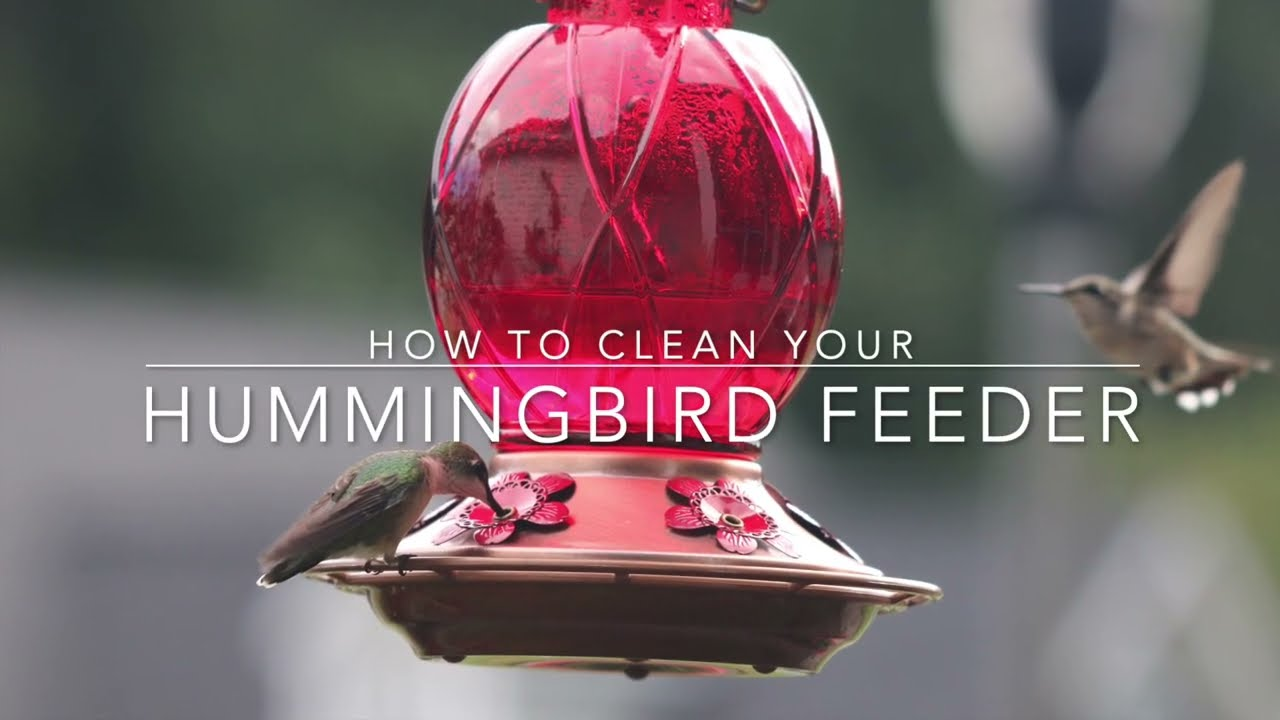
Credit: growcycle.com
Types Of Bird Feeders
Bird feeders come in many types, each designed to attract different bird species. Choosing the right feeder helps bring birds closer and keeps them safe. Understanding the types of feeders is key to creating a bird-friendly space.
Hummingbird Feeders
Hummingbird feeders are small and designed for nectar. They usually have bright red parts to catch hummingbirds’ attention. These feeders hold sugar water and have tiny feeding ports. The shape often mimics flowers to attract hummingbirds naturally.
Regular Bird Feeders
Regular bird feeders come in many styles like tube, platform, and hopper feeders. They hold seeds, nuts, or suet to attract various birds. These feeders have larger openings and perches for birds to land. They serve many bird types, from finches to cardinals.
Differences In Design
- Hummingbird feeders are small with nectar ports; regular feeders have larger openings for seeds.
- Hummingbird feeders use bright colors; regular feeders often use natural tones or clear containers.
- Hummingbird feeders lack perches or have tiny ones; regular feeders have bigger perches for landing.
- Hummingbird feeders need frequent cleaning to prevent mold; regular feeders require cleaning but less often.
- Hummingbird feeders focus on liquid food; regular feeders offer solid seeds or nuts.
Benefits Of Placing Feeders Together
Placing hummingbird feeders near regular bird feeders offers several advantages that can enhance your backyard bird-watching experience. This setup maximizes the use of your outdoor space while inviting a wider variety of birds to visit. It also simplifies care routines, making it easier for you to keep feeders clean and well-stocked.
Space Efficiency
Setting up hummingbird and regular feeders close together saves valuable yard space. Instead of scattering feeders all over, you create a compact feeding station that fits neatly into smaller areas. This arrangement is perfect if your outdoor space is limited but you still want to attract different bird species.
Have you noticed how a clutter-free garden feels more inviting? Keeping feeders grouped helps maintain a tidy look and reduces the chances of feeders being knocked down by wind or curious pets.
Attracting Diverse Birds
By placing feeders side by side, you invite a broader range of birds to your yard. Hummingbirds are drawn to nectar feeders, while songbirds and seed-eaters prefer regular feeders. This variety encourages more bird activity and makes your watching sessions more exciting.
Think about the last time you saw multiple bird types in one spot. It’s fascinating to watch how different species interact or simply share the same space peacefully. This setup can turn your backyard into a lively bird hub.
Ease Of Maintenance
Having feeders close together simplifies feeding and cleaning tasks. You can refill nectar and seeds in one trip instead of moving around the yard multiple times. This saves you time and effort, especially during busy days.
Cleaning hummingbird feeders regularly is crucial to prevent mold and harmful bacteria. When feeders are grouped, you’re more likely to notice when one needs attention, helping maintain a healthy feeding environment for all your feathered visitors.
Potential Challenges
Placing hummingbird feeders near regular bird feeders might seem convenient, but it can lead to some challenges that affect both types of birds. Understanding these issues can help you create a better feeding environment. Let’s look at some potential problems you might face.
Territorial Behavior
Hummingbirds are fiercely territorial, especially males. If a hummingbird sees a regular bird feeder close to its nectar source, it may become aggressive trying to defend its feeding spot.
This can cause stress for both hummingbirds and other birds, sometimes driving smaller or less aggressive species away. Have you noticed your hummingbirds acting more aggressive or restless near a mixed feeding station?
Feeder Contamination
Regular bird feeders often contain seeds or suet that can attract insects and mold. If placed too close to hummingbird feeders, this can lead to contamination of the nectar.
Even a small amount of mold or bacteria can harm hummingbirds, who have sensitive digestive systems. Keeping feeders separated reduces the risk of spreading germs.
Competition For Food
While hummingbirds primarily drink nectar, other birds might try to sample it if their usual food is nearby. This can create competition and stress for hummingbirds, who rely on quick feeding.
Some larger birds may even scare hummingbirds away from their feeders. Have you ever seen a blue jay or cardinal crowd out your hummingbirds? Spacing feeders helps each type of bird feed calmly without interference.
Ideal Placement Tips
Placing hummingbird feeders near regular bird feeders requires some care. Proper placement helps attract both hummingbirds and other birds without causing stress or competition. Follow these ideal placement tips to create a welcoming space for all birds in your garden.
Optimal Distance Between Feeders
Keep hummingbird feeders at least 10 feet away from regular bird feeders. This distance prevents larger birds from scaring hummingbirds away. It also reduces food contamination and crowding. If space is limited, try to place feeders at different heights. Hummingbirds prefer feeders hung higher, while other birds like feeders closer to the ground.
Safe Locations
Choose spots that offer shade and protection from wind. Place feeders near shrubs or trees where birds can rest and hide from predators. Avoid areas with heavy foot traffic or noisy surroundings. Keep feeders away from windows to prevent bird collisions. Clean the area regularly to avoid mold and bacteria growth.
Seasonal Adjustments
Change feeder placement based on the season. During hot months, place hummingbird feeders in shaded areas to keep nectar fresh. In colder seasons, move feeders to sunnier spots to warm the nectar. Remove feeders during winter if hummingbirds migrate away. Adjust locations to protect feeders from strong winds or heavy rain.
Maintaining Clean Feeders
Placing hummingbird feeders near regular bird feeders is possible but requires careful cleaning. Dirty feeders can spread mold and bacteria, harming all birds. Clean feeders often to keep birds healthy and happy.
Maintaining clean feeders is crucial when you decide to place hummingbird feeders near regular bird feeders. Clean feeders not only ensure the health and safety of the birds but also enhance the enjoyment of watching these delightful creatures. A little diligence in cleaning can prevent potential problems and keep your backyard a welcoming haven for birds.Cleaning Frequency
Regular cleaning of feeders is essential. Hummingbird feeders should ideally be cleaned every 3-5 days, especially in warm weather to prevent the sugar solution from fermenting. Regular bird feeders can be cleaned every two weeks, but if you notice any mold or residue, it’s best to clean them immediately.Preventing Mold And Bacteria
Mold and bacteria can quickly develop in feeders. You can prevent this by ensuring feeders are not filled to the brim, allowing for regular cleaning intervals. Additionally, positioning feeders in shaded areas can help slow down the growth of mold.Safe Cleaning Practices
Use warm water and a mild detergent to clean your feeders. Rinse thoroughly to remove any soap residue, as this can be harmful to birds. For a deeper clean, a solution of one part vinegar to four parts water can be used to sanitize, followed by a thorough rinse. By following these practices, you not only protect the birds but also get the best out of your bird-watching experience. Have you checked your feeders lately? It might be time for a quick clean!Attracting More Hummingbirds
Hummingbird feeders can be placed near regular bird feeders, but keep some distance to avoid crowding. This helps hummingbirds feed peacefully without competition from larger birds. Providing fresh nectar and clean feeders will attract more hummingbirds to your garden.
Attracting more hummingbirds to your garden can be a delightful endeavor that brings vibrancy and life to your outdoor space. By positioning hummingbird feeders near regular bird feeders, you can create a diverse and harmonious environment that appeals to various bird species. The key lies in understanding how to provide what hummingbirds need and prefer, ensuring a thriving avian community.Using Nectar Recipes
Providing fresh, homemade nectar can be a game-changer in attracting hummingbirds. It’s simple: mix four parts water with one part sugar, and you’ll have the perfect nectar. Boiling the water before adding sugar ensures it’s safe and preserves the nectar for longer.Adding Native Plants
Incorporating native plants into your garden can naturally attract hummingbirds. Choose plants like bee balm, trumpet vine, and red columbine, which provide both nectar and shelter. Native plants are adapted to your local climate, making them easier to maintain and beneficial for local wildlife.Avoiding Harmful Additives
It’s crucial to avoid using any additives, dyes, or honey in your nectar. These substances can be harmful to hummingbirds and may deter them from visiting your feeders. Stick to the basic sugar-water solution to ensure the health and safety of your feathered visitors. By implementing these strategies, you can create an inviting space that hummingbirds will flock to. Have you ever noticed how a simple change in your garden’s setup can alter the wildlife it attracts? Perhaps it’s time to experiment and see what magic unfolds in your backyard.
Credit: americanspcc.org
Frequently Asked Questions
Can Hummingbird Feeders Be Placed Near Regular Bird Feeders?
Yes, hummingbird feeders can be near regular bird feeders. Keep at least 10 feet distance to avoid competition and ensure safety for hummingbirds.
Will Regular Bird Feeders Attract Hummingbirds?
Regular bird feeders rarely attract hummingbirds. They prefer nectar feeders with sugar water, as they feed mainly on nectar, not seeds.
How Close Can Hummingbird Feeders Be To Each Other?
Place hummingbird feeders 3 to 5 feet apart. This spacing reduces territorial disputes and allows multiple hummingbirds to feed comfortably.
Do Hummingbirds Get Disturbed By Other Birds At Feeders?
Hummingbirds can be disturbed by larger birds. Keep feeders separate and provide safe spaces to minimize stress and aggressive behavior.
Conclusion
Hummingbird feeders can sit near regular bird feeders without problems. Keep them clean and filled with fresh nectar. Watch how different birds visit each feeder. This setup brings more life and color to your yard. Enjoy the mix of tiny hummingbirds and other birds together.
Just place feeders where birds feel safe and comfortable. This way, you can see many bird types close by. It’s a simple way to create a lively outdoor space.




