
Are you wondering if you can place your hummingbird feeder near your regular bird feeders? It’s a question many bird lovers ask because you want to enjoy watching all kinds of birds without causing any problems.
You might worry if the different feeders will confuse the birds or if one might scare away the other. The truth is, where you put your feeders can make a big difference in attracting the birds you want to see.
Keep reading to discover the best way to set up your feeders so you can enjoy a colorful and lively backyard full of feathered friends.
Placement Basics
Placing your hummingbird feeder near regular bird feeders needs thoughtful planning. Hummingbirds have unique feeding habits and preferences, so the placement can affect how often they visit your garden. Understanding the basics of placement helps you enjoy visits from a variety of birds without causing stress or competition.
Choosing The Right Spot
Select a location that offers some shade to keep the nectar fresh longer. Hummingbirds prefer feeders near flowers or plants they recognize as natural food sources. Avoid placing feeders in direct sunlight all day, as this can cause the nectar to spoil quickly.
Consider a spot visible from your favorite window or patio so you can watch the birds closely. You might notice your hummingbirds prefer feeders near shelter like bushes or trees, which provide quick escape routes from predators. Have you tried moving your feeder around to see where the hummingbirds feel safest?
Distance Between Feeders
Keep at least 10 to 15 feet between hummingbird feeders and regular bird feeders. This distance reduces competition and aggressive behavior from larger birds that might scare away the smaller hummingbirds. It also helps prevent the spread of diseases between different bird species.
If space is limited, try placing feeders at different heights rather than close side-by-side. Hummingbirds often feed higher in the air, while larger birds like finches or cardinals stay closer to the ground. Have you noticed how hummingbirds react when other birds crowd their feeding spots? Adjusting the distance can make a big difference.
Attracting Different Birds
Attracting different birds to your yard can create a lively and colorful environment. Placing hummingbird feeders near regular bird feeders can appeal to various bird species. Each type of bird has unique feeding habits and preferences. Understanding these helps in arranging feeders effectively to attract more birds.
Hummingbird Preferences
Hummingbirds like sweet nectar made from sugar and water. They prefer bright colors, especially red. Their feeders often have small feeding ports designed for their long, thin beaks. Hummingbirds are active during the day and need fresh nectar daily. They avoid seeds and mostly feed on nectar and small insects.
Regular Bird Feeding Habits
Regular birds eat seeds, nuts, and fruits. Their feeders come in various shapes for different seed types. Birds like sparrows, finches, and cardinals visit seed feeders. These birds prefer feeder designs that hold mixed or sunflower seeds. They usually feed calmly and do not compete with hummingbirds for food.
Feeder Types And Design
Choosing the right feeders for your backyard birds and hummingbirds affects their feeding habits. Feeders come in different shapes and designs to meet the needs of various bird species. Understanding these types helps create a safe and inviting space for all birds.
Hummingbird Feeder Features
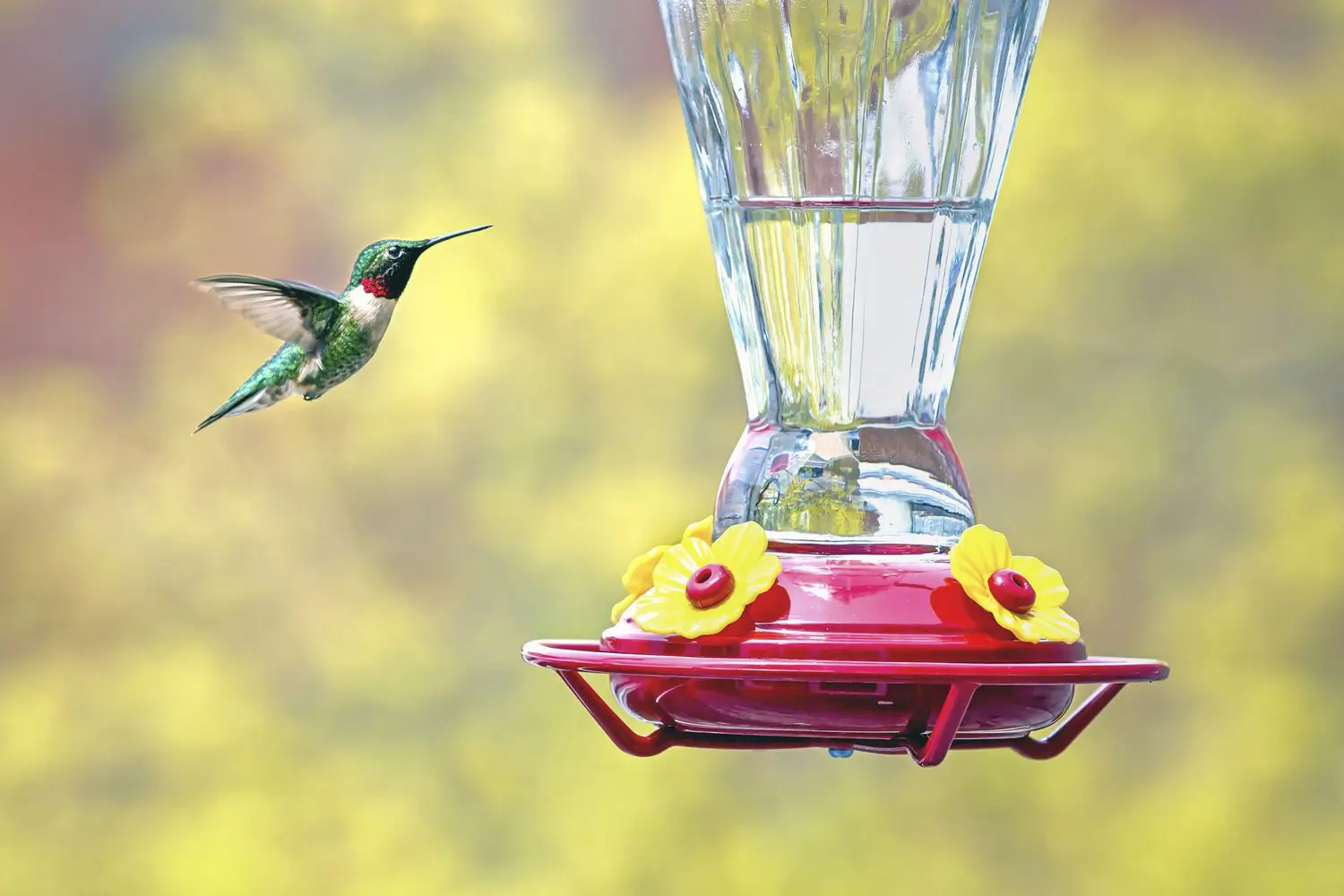
Hummingbird feeders have unique features that suit tiny birds. They often include bright red parts to attract hummingbirds. The feeding ports are small to fit their beaks and prevent larger birds from feeding.
Most hummingbird feeders have:
- Clear nectar reservoirs for easy monitoring
- Perches for resting near feeding spots
- Easy-to-clean designs to prevent mold
- Ant moats or bee guards to keep pests away
Common Bird Feeder Styles
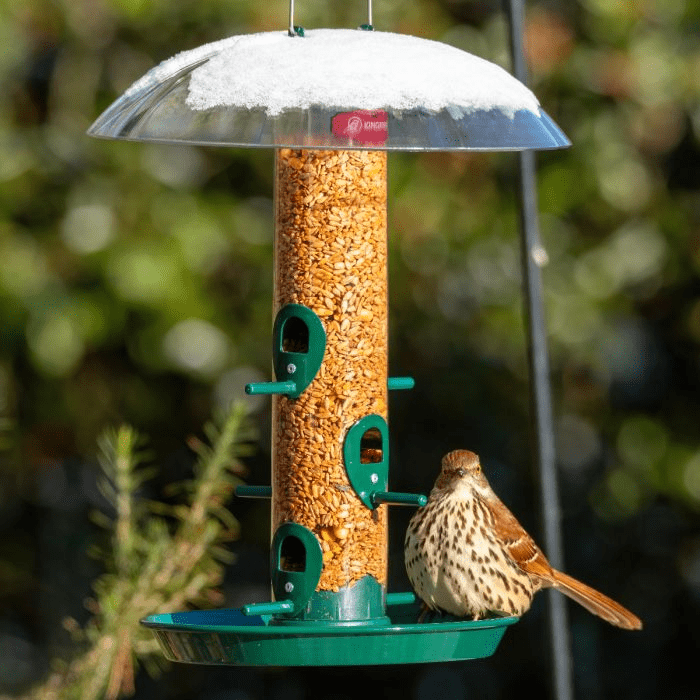
Regular bird feeders come in many styles. They serve different types of birds and food. Popular styles include:
- Tube feeders:Cylindrical with multiple feeding ports, ideal for small birds.
- Platform feeders:Flat surfaces that hold various seeds, welcoming many bird types.
- Hopper feeders:Box-shaped with a roof, holding larger seed quantities.
- Suet feeders:Wire cages designed for suet cakes, attracting woodpeckers and nuthatches.
Each style suits different birds and food types. Placing hummingbird feeders near regular ones needs care to avoid competition and keep hummingbirds safe.
Credit: growcycle.com
Avoiding Competition
Placing a hummingbird feeder near regular bird feeders can sometimes lead to competition that stresses the smaller, delicate hummingbirds. Avoiding this competition means understanding the feeding habits of different birds and arranging your feeders thoughtfully. This helps ensure all your feathered visitors get their fair share without conflict.
Feeding Schedule Tips
Timing your feeder refills can reduce overlap between hummingbirds and larger birds. Hummingbirds prefer fresh nectar early in the morning, so try filling their feeder first thing in the day.
Larger birds tend to visit at different times, often later in the morning or afternoon. You might consider refilling the regular bird feeders during these periods to minimize crowding.
Could staggering your feeding times create a peaceful feeding environment that benefits all species?
Behavioral Considerations
Hummingbirds are territorial but less aggressive than larger birds. Placing feeders apart gives hummingbirds space to establish their own feeding zones.
Observe how different birds behave around your feeders. If you notice aggressive species dominating, try moving the hummingbird feeder to a more secluded spot.
Remember, hummingbirds are attracted to bright colors and open spaces. Positioning their feeder in a visible but calm area helps them feed comfortably without disturbance.
Maintenance And Cleaning
Maintaining and cleaning hummingbird feeders near regular bird feeders is essential for bird health. Clean feeders prevent harmful mold and bacteria growth. Proper care ensures hummingbirds enjoy fresh nectar and stay safe.
Preventing Mold And Bacteria
Mold and bacteria grow quickly in warm, sugary nectar. Clean feeders often to stop this growth. Use hot water and mild soap to wash all parts. Avoid strong chemicals that can harm birds. Rinse feeders thoroughly to remove soap residue. Dry feeders completely before refilling to prevent moisture buildup.
Feeder Cleaning Frequency
Clean hummingbird feeders at least twice a week. In hot weather, clean every two to three days. Regular feeders also need cleaning but can be washed less often. Remove old nectar and rinse feeder parts well. Frequent cleaning reduces illness risks and keeps birds returning happily.
Credit: www.kingsyard.com
Safety And Health
Placing a hummingbird feeder near regular bird feeders can attract different bird species safely. Keep feeders clean to prevent disease and reduce competition. Space them enough to avoid crowding and stress among birds.
Inviting hummingbirds to your garden by adding a feeder brings joy and vibrancy, but it’s essential to consider their safety and health. Placing a hummingbird feeder near regular bird feeders can have benefits, but it also requires careful planning to ensure these tiny birds remain safe and healthy. Let’s explore how to protect hummingbirds and prevent disease spread when positioning feeders.Protecting Hummingbirds
Hummingbirds, with their delicate frames and rapid wing beats, need a space where they can feel secure. Positioning their feeder in a spot that offers a quick escape route to shelter—like nearby trees or shrubs—can help. This safety net allows them to dart away if larger birds become a threat. Avoid placing the hummingbird feeder too close to regular bird feeders. Larger birds can dominate feeding areas, potentially causing stress to the smaller hummingbirds. By giving each feeder its own space, you help maintain a peaceful coexistence.Preventing Disease Spread
Disease prevention is crucial when multiple feeders are involved. Cleanliness is key. Regularly clean your feeders with a mild bleach solution to eliminate harmful bacteria and mold. Use separate feeders for hummingbirds and other birds to minimize cross-contamination. This separation helps prevent the spread of diseases that could easily transfer between species. Consider the nectar you use. Homemade nectar, made from sugar and water, avoids additives that might be harmful. Ensure it’s refreshed every few days, especially in warm weather, to prevent fermentation. Have you ever noticed a decline in hummingbird visits after neglecting feeder hygiene? Regular maintenance not only keeps your visitors healthy but also ensures your garden remains a bustling hub of activity. Remember, your efforts directly influence their well-being.Seasonal Adjustments
Adjusting the placement of your bird feeders with the changing seasons is crucial for attracting and supporting a diverse range of bird species. As the year progresses, different species have varying needs and behaviors, which can influence where you should position your feeders. Understanding these seasonal shifts can help you create a welcoming environment for both hummingbirds and other birds.
Feeding During Migration
Migration periods are a critical time for hummingbirds and other birds. During these times, hummingbirds require high-energy food sources to fuel their long journeys. Placing your hummingbird feeder near your regular bird feeders can provide these energy-boosting options in one convenient spot.
Birds such as finches and sparrows might also be migrating and will appreciate the extra food options. By clustering feeders, you ensure that migrating birds have easy access to nourishment. This strategy not only supports the birds but also offers you a chance to observe a variety of species in one location.
Adapting To Weather Changes
As temperatures shift, so do the feeding habits of birds. In colder months, birds need more calories to maintain their body heat. You might notice a decrease in hummingbird activity during cooler seasons since many migrate to warmer areas.
Consider moving the hummingbird feeder to a sheltered spot to keep the nectar from freezing. Your regular feeders should be stocked with high-fat seeds like sunflower seeds to help non-migrating birds thrive. Adapting your feeder placement and contents to the weather ensures your backyard remains a haven for birds year-round.
Have you ever noticed how weather changes affect the birds in your garden? Observing these patterns can offer valuable insights into the needs of your feathered visitors.

Credit: www.yahoo.com
Frequently Asked Questions
Can Hummingbird Feeders Be Placed Near Regular Feeders?
Yes, hummingbird feeders can be placed near regular bird feeders. Keep at least 10 feet distance to avoid competition and aggression. This spacing helps hummingbirds feed peacefully and reduces territorial disputes with larger birds.
Will Regular Bird Feeders Attract Hummingbirds?
Regular bird feeders do not attract hummingbirds. Hummingbirds prefer nectar feeders with sugar water. Seed feeders mainly attract finches, sparrows, and other seed-eating birds, not nectar-feeding hummingbirds.
How Far Should Hummingbird Feeders Be From Other Feeders?
Place hummingbird feeders at least 10 feet away from other feeders. This distance prevents interference and allows hummingbirds to feed calmly. It also reduces the chance of larger birds scaring hummingbirds away.
Do Hummingbirds Share Feeders With Other Birds?
Hummingbirds rarely share feeders with other birds. Larger birds may chase hummingbirds from feeders. Providing separate feeders ensures hummingbirds have safe and exclusive access to nectar.
Conclusion
Placing a hummingbird feeder near regular bird feeders can work well. Keep them a few feet apart to avoid crowding. Hummingbirds prefer nectar, while other birds eat seeds. This reduces competition and keeps everyone happy. Watch how birds visit and adjust if needed.
Clean feeders regularly to stop mold and disease. Enjoy the variety of birds visiting your yard. It’s a simple way to bring more life to your garden. Give it a try and see the colorful hummingbirds up close.




