
Are you wondering if you can place hummingbird feeders near your regular bird feeders? It’s a common question for anyone who loves attracting different kinds of birds to their yard.
You want to enjoy the colorful dance of hummingbirds without scaring away your favorite songbirds. But is it safe? Will the birds fight or avoid your feeders? You’ll discover the best way to set up your feeders so that all your feathered visitors feel welcome.
Keep reading to learn simple tips that can help you create a peaceful, buzzing backyard full of life.
Credit: www.birdwatchingdaily.com
Choosing Feeder Locations
Choosing the right locations for your hummingbird and bird feeders can make a big difference in attracting these delightful visitors. Placement affects not only the birds’ safety and comfort but also how often you get to enjoy watching them. Careful positioning helps keep the feeders clean, reduces unwanted competition, and encourages a peaceful environment.
Ideal Spots For Hummingbird Feeders
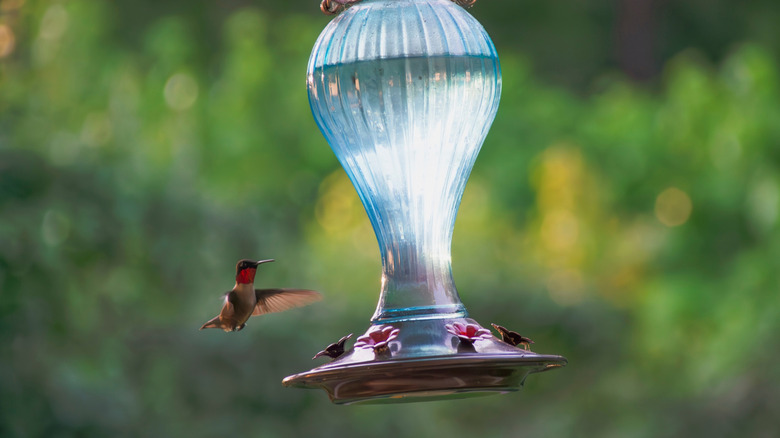
Hummingbirds prefer feeders that are easy to spot but also offer some protection from harsh weather. Hang your feeder in a shaded area, near flowering plants or shrubs where hummingbirds naturally feed and rest. A spot about 4 to 6 feet off the ground works well, allowing you to see the tiny birds up close without disturbing them.
Think about placing feeders near a window for enjoyable viewing, but add a decal or two to prevent collisions. Have you noticed hummingbirds darting near your garden? Placing feeders where they already visit can increase your chances of success.
Best Places For Bird Feeders
Bird feeders should be positioned to attract a variety of birds while minimizing risks from predators. Choose locations near trees or bushes that provide cover, so birds can quickly escape if threatened. Placing feeders about 5 to 10 feet away from dense shrubs helps birds feel safe without making it too easy for cats or squirrels.
Also, consider spots that are easy for you to reach for refilling and cleaning. A feeder visible from a favorite chair or window makes birdwatching convenient and enjoyable. Are there spots in your yard where you see birds gathering naturally? Those are great candidates for feeder placement.
Avoiding Feeder Clashes
Hummingbirds can be territorial, especially around feeders. Keeping their feeders separate from general bird feeders reduces competition and stress for these tiny birds. Ideally, place hummingbird feeders at least 10 to 15 feet away from other bird feeders to give hummingbirds their own space.
Separate placement also helps prevent the spread of diseases between different bird species. Have you ever noticed aggressive behavior at your feeders? Spacing them out can calm the atmosphere and let you enjoy a wider variety of birds peacefully sharing your yard.
Feeder Placement Tips
Placing hummingbird feeders near regular bird feeders can be tricky, but with the right approach, you can enjoy visits from a variety of birds without causing stress to your hummingbirds. Proper feeder placement helps keep hummingbirds comfortable and safe while allowing other birds to feed freely. Let’s look at some practical tips to get your feeders positioned just right.
Distance Between Feeders
Keep hummingbird feeders at least 10 to 15 feet away from other bird feeders. This distance reduces competition and prevents larger birds from scaring off the tiny hummingbirds. Have you noticed how finches and sparrows can quickly dominate a feeding area? Giving hummingbirds their own space helps them feel secure and encourages regular visits.
Height And Visibility
Place hummingbird feeders at eye level or slightly higher. This height makes it easier for you to watch these delicate birds and for hummingbirds to spot the feeders. Regular bird feeders can be placed lower or in different spots to avoid crowding. Think about how you can arrange feeders so each type of bird has clear access without blocking sightlines.
Safety From Predators
Position feeders away from thick bushes or places where cats and other predators can hide. Hummingbirds are especially vulnerable due to their small size and quick movements. You might want to hang feeders in open areas or near windows where you can keep an eye out for any threats. Have you ever seen a cat lurking near your feeders? Taking simple precautions can make a big difference in your birds’ safety.
Feeding Habits Of Hummingbirds And Birds
Understanding the feeding habits of hummingbirds and other birds is key if you’re thinking about placing their feeders close together. Each species has unique behaviors and preferences that affect how they interact with feeders. Knowing these habits helps you create a bird-friendly space without causing stress or competition.
Hummingbird Behavior
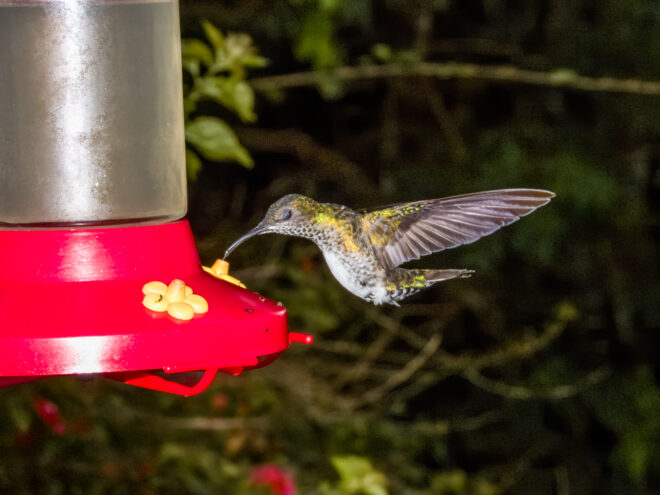
Hummingbirds are highly territorial around their feeders. They often defend their feeding spots aggressively, especially males. These tiny birds prefer nectar-rich flowers or feeders filled with sugar water and visit frequently throughout the day.
They have rapid wing beats that allow them to hover while feeding, a behavior not shared by most other birds. If you place their feeder too close to others, hummingbirds might chase away smaller birds or even avoid the area altogether.
Common Bird Species At Feeders
Many backyard birds like finches, chickadees, and cardinals enjoy seed feeders. These species tend to be less aggressive than hummingbirds but can still compete among themselves for food.
Unlike hummingbirds, these birds usually perch while eating and prefer sunflower seeds, millet, or mixed seed blends. Recognizing which birds visit your feeders helps you decide the best spots to place different types of feeders.
Feeding Times And Patterns
Hummingbirds feed multiple times a day, mostly from early morning to late afternoon. Their quick metabolism means they need constant energy, so they return to feeders often in short bursts.
Other birds often visit feeders in longer, less frequent sessions. Many seed-eaters come in groups, especially during colder months, and tend to feed during quieter times of the day.
Have you noticed how your hummingbird feeder gets busy at dawn but quiets down midday? Observing these patterns can guide you to position feeders so all birds have space and time to feed without stress.
Credit: www.outdoorguide.com
Managing Feeder Competition
Managing feeder competition helps keep all birds safe and happy. Hummingbirds and other birds may compete for food. This can cause stress and fights. Understanding how to manage this helps create a peaceful feeding area. It also encourages more birds to visit your garden.
Signs Of Aggression
Birds show aggression in several ways. Watch for chasing or pecking near feeders. Loud calls or flapping wings can signal fights. Hummingbirds may dive or hover aggressively. Other birds might guard the feeder. Noticing these signs early can prevent injuries.
Reducing Feeder Conflicts
Place feeders with enough space to avoid crowding. Clean feeders often to keep birds healthy. Use multiple feeders to spread out visitors. Offer different food types to attract various species. Add natural plants for extra food and shelter. These steps lower tension and encourage sharing.
Separate Feeding Zones
Create distinct areas for hummingbird and regular feeders. Keep hummingbird feeders higher or in open spots. Place seed feeders away from nectar feeders. Use barriers like shrubs or small fences. This separation reduces direct competition. Birds feel safer and feed comfortably.
Maintenance And Hygiene
Keeping your hummingbird and bird feeders clean is key to attracting healthy birds and avoiding common feeder problems. Proper maintenance and hygiene prevent the growth of harmful mold and bacteria that can make birds sick. It also ensures your feeders stay fresh and inviting, encouraging visits from your feathered friends regularly.
Cleaning Schedules
Set a regular cleaning routine to keep feeders safe for birds. Ideally, clean hummingbird feeders every 3 to 5 days, especially during warm weather when nectar spoils quickly. Bird feeders can be cleaned weekly, but if you notice dirt or droppings, clean them sooner.
Use hot water and mild soap, then rinse thoroughly to remove any soap residue. Avoid harsh chemicals that could harm birds. If you have many feeders, consider marking cleaning days on your calendar to stay consistent.
Preventing Mold And Bacteria
Mold thrives in sugary nectar left out too long. Changing nectar frequently helps prevent mold growth. If you spot any mold or cloudiness, discard the nectar and clean the feeder immediately.
Keep feeders in shaded areas to slow nectar spoilage. You can also rinse feeders daily with hot water to reduce bacteria buildup. Have you noticed how quickly nectar turns cloudy on hot days? This is a clear sign to replace it.
Refilling Tips
Refill feeders only with fresh nectar made from one part sugar to four parts water—never honey or artificial sweeteners. Use warm water to dissolve the sugar completely before filling.
Fill feeders just enough to last a few days. Overfilling can lead to faster spoilage and waste. If you see ants or bees invading, try using ant moats or bee guards to protect the nectar.
Enhancing Your Backyard Habitat
Placing hummingbird feeders near bird feeders can enhance your backyard habitat. It attracts diverse bird species without conflict. Ensure feeders are spaced to reduce competition and maintain a peaceful environment.
Enhancing your backyard habitat creates a welcoming space for birds. Placing hummingbird feeders near bird feeders can attract various species. This setup offers more opportunities to observe diverse bird behaviors. To make your backyard even more inviting, consider planting, water, and shelter.Planting Native Flowers
Native flowers provide natural nectar for hummingbirds. They also attract insects, a food source for other birds. Choose a variety of flowers to bloom in different seasons. This ensures a constant food supply throughout the year.Providing Water Sources
Birds need water for drinking and bathing. A birdbath or small pond can serve this purpose. Ensure the water is clean and fresh. Moving water, like a fountain, attracts birds with its sound.Creating Shelter
Birds need shelter to feel safe. Plant shrubs and trees to give them a place to hide. Dense foliage offers protection from predators. Consider installing birdhouses for nesting. This adds a layer of safety and encourages them to stay longer.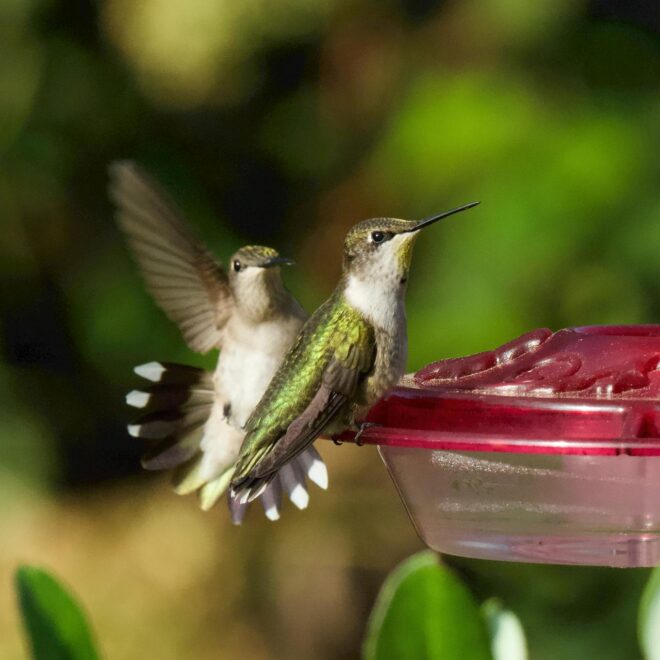
Credit: www.birdwatchingdaily.com
Frequently Asked Questions
Can Hummingbird And Bird Feeders Be Placed Together?
Yes, you can place hummingbird and bird feeders near each other. Keep them at least 10 feet apart to reduce competition and aggression between species.
Will Regular Birds Scare Away Hummingbirds?
Regular birds may sometimes scare hummingbirds, especially if feeders are too close. Proper spacing helps hummingbirds feed comfortably without disturbance.
How To Safely Position Hummingbird Feeders Near Bird Feeders?
Place hummingbird feeders higher and away from regular bird feeders. This reduces territorial disputes and ensures both types of birds can feed peacefully.
Does Placing Feeders Together Affect Hummingbird Feeding?
Placing feeders too close can stress hummingbirds due to crowding. Adequate distance ensures hummingbirds feel safe and feed without interruption.
Conclusion
Placing hummingbird feeders near bird feeders can work well with care. Keep the feeders clean to avoid disease. Watch how birds behave around both feeders. Some birds might be shy or protective. Give each feeder enough space to reduce fights.
This setup lets you enjoy many bird types close by. Feeders bring color and life to your yard. Try different spots to find what works best. Enjoy watching your feathered friends visit often. Simple steps make your garden a happy place for birds.




