
Have you ever wondered how birds survive and thrive in so many different places? From dense forests to open deserts, birds have unique features that help them fit perfectly into their homes.
Understanding these special adaptations can change the way you see the world around you. You’ll discover the amazing ways birds have shaped their bodies and behaviors to match their surroundings. Get ready to explore the secrets behind their incredible survival skills and learn how nature’s design works in your own backyard.
Physical Adaptations
Physical adaptations are key to how birds survive and thrive in their unique environments. These adaptations shape their bodies in ways that help them find food, avoid predators, and reproduce. Understanding these physical traits can change how you observe birds during your next outdoor adventure.
Beak Shapes And Functions
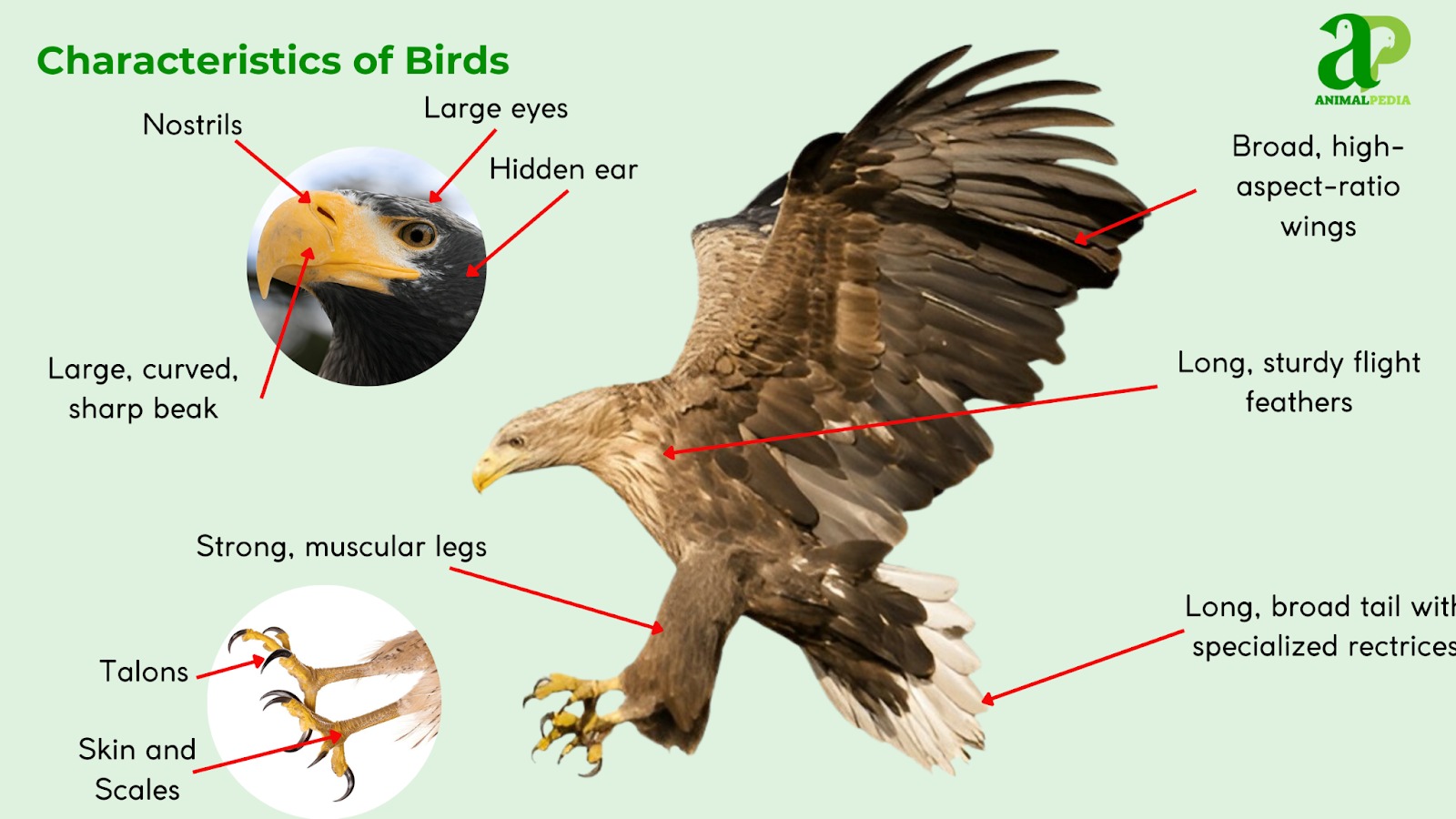
The shape of a bird’s beak is a powerful clue about its diet and lifestyle. Sharp, hooked beaks allow birds like hawks to tear meat, while long, slender beaks help hummingbirds sip nectar from flowers. Have you ever noticed how woodpeckers have strong, chisel-like beaks perfect for drilling into trees? This physical feature directly supports their feeding habits and habitat needs.
Feather Types And Uses
Feathers are not just for flying—they serve many purposes based on the bird’s habitat. Waterproof feathers keep ducks dry in water, while fluffy down feathers provide insulation in cold climates. Some birds even have specialized feathers that help with silent flight or display for mating. Think about how different a peacock’s colorful feathers are compared to the muted tones of an owl’s; each serves a distinct role in survival.
Body Size And Shape
Body size and shape impact a bird’s ability to move and live in its environment. Smaller birds like sparrows can dart quickly through dense bushes, while larger birds like albatrosses have long wings designed for soaring over oceans. The streamlined shape of a falcon helps it dive at incredible speeds. What does your local bird’s body shape tell you about where it lives and how it moves?
Credit: animal-pedia.org
Behavioral Adaptations
Behavioral adaptations help birds survive and thrive in their environments by changing their actions instead of their physical traits. These behaviors are often instinctive but can also be learned over time. Understanding these adaptations gives you a clearer picture of how birds interact with their surroundings and other species.
Migration Patterns
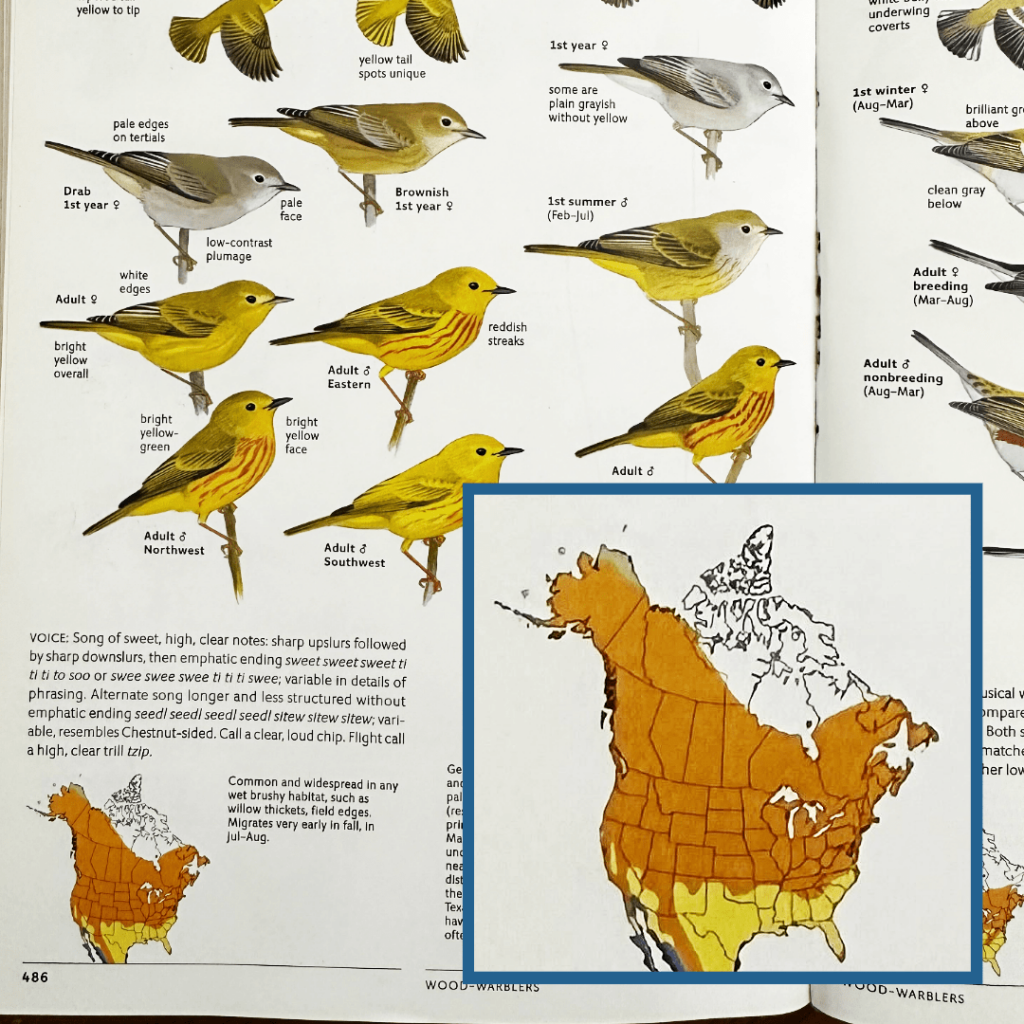
Many birds travel thousands of miles each year to find better climates and food sources. You might have noticed flocks flying in a V-shape during certain seasons; this formation helps reduce wind resistance and saves energy. Some species, like the Arctic Tern, migrate from the Arctic to the Antarctic, experiencing two summers annually.
Have you ever wondered how birds know when and where to migrate? They use a combination of the sun, stars, magnetic fields, and landmarks to navigate. This behavior is crucial because it helps them avoid harsh winters and find plentiful food, increasing their chances of survival.
Feeding Strategies
Birds use a wide range of feeding behaviors to get food, depending on their habitat and available resources. Woodpeckers drum on trees to find insects hiding under the bark, while hummingbirds hover to sip nectar from flowers. Some birds, like crows, even use tools, such as sticks, to extract insects from tight spots.
These strategies show how adaptable birds are in using their environment. If you watch birds in your backyard, you might notice how they switch from seeds to insects based on the season. This flexibility in feeding is a smart way to keep their energy up all year long.
Mating Rituals
Birds have fascinating behaviors to attract mates, which often involve elaborate displays and sounds. Male birds like the peacock fan out their colorful feathers to catch a female’s eye. Others perform dances or build intricate nests to show their suitability as partners.
These rituals aren’t just for show; they help ensure the strongest genes are passed to the next generation. Think about the last time you saw a bird’s courtship dance—did you realize it was a complex behavior shaped by survival needs? Paying attention to these actions can deepen your appreciation for bird life.
Sensory Adaptations
Birds rely heavily on their senses to survive and thrive in their habitats. Sensory adaptations help them find food, avoid danger, and communicate. These adaptations vary widely depending on where the bird lives and its lifestyle. Their senses are finely tuned to meet the demands of their environment.
Vision And Color Perception
Birds have excellent vision. Many species can see colors better than humans. They can detect ultraviolet light, which helps in finding food and mates. Their eyes are large compared to their head size, giving them sharp focus. Birds of prey, like eagles, can spot small animals from high in the sky.
Hearing Capabilities
Birds have keen hearing to detect predators and prey. Some birds can hear sounds too high or low for humans. Owls use silent flight and sharp hearing to catch prey in the dark. Songbirds use their hearing to learn and remember songs for communication. Hearing helps birds stay safe and connected.
Navigation Skills
Many birds migrate long distances with great accuracy. They use the sun, stars, and Earth’s magnetic field to find their way. Some birds have special cells that sense magnetic fields. Others use landmarks like rivers and mountains. These navigation skills help birds reach breeding and feeding areas safely.
Habitat-specific Adaptations
Birds have evolved unique traits that help them thrive in the environments they live in. These habitat-specific adaptations allow them to find food, avoid predators, and reproduce successfully. Understanding these adaptations can change the way you observe birds in different settings, making each sighting more meaningful.
Forest Dwellers
Birds living in forests often have strong, curved claws to grip branches tightly. Their feathers tend to be camouflaged, blending with leaves and bark to avoid predators. Some, like woodpeckers, have reinforced skulls and long, sticky tongues to extract insects from tree bark.
Have you ever noticed how forest birds move quietly through dense foliage? This silence is not accidental but a survival strategy. Their wings are shaped to reduce noise, helping them sneak up on prey or evade threats.
Desert Survivors
Desert birds face extreme heat and scarce water. Many have light-colored feathers that reflect sunlight and reduce heat absorption. Their behavior includes being active during cooler parts of the day, such as dawn and dusk, to avoid overheating.
Some desert birds, like the roadrunner, have developed efficient ways to conserve water. They get moisture from their food and produce very concentrated urine. Could your daily habits learn from these birds about managing scarce resources?
Aquatic Birds
Aquatic birds display remarkable features for living in or near water. Webbed feet act like paddles, helping them swim with ease. Their feathers often have oil coatings that repel water, keeping them dry and buoyant.
Many aquatic birds have specialized beaks suited to their diet—like the long, slender bills of herons to catch fish. Watching these birds can teach you how form perfectly follows function in nature’s design.
Survival Tactics
Birds have developed incredible survival tactics that help them thrive in their unique habitats. These strategies are not just about finding food or shelter—they are about staying alive against predators and harsh environments. Understanding these tactics can change how you observe birds in nature.
Camouflage And Mimicry
Many birds blend seamlessly into their surroundings to avoid detection. Their feathers often match the colors and patterns of their habitat, making them hard to spot.
Some species go a step further by mimicking other animals or natural objects. For example, the potoo bird looks like a broken branch, fooling predators into ignoring it completely. Have you ever noticed how some birds’ calls imitate other sounds? This clever trick can confuse both predators and prey.
Defense Mechanisms
Birds use a variety of defense tactics to protect themselves. Sharp beaks and claws can deter attackers, but some birds rely on more surprising methods.
- Alarm calls warn others in the flock of danger.
- Some species perform distraction displays to lead predators away from their nests.
- Others, like the killdeer, feign injury to draw threats away.
Have you ever seen a bird suddenly spread its wings to reveal bright colors? This sudden flash can startle predators, giving the bird a chance to escape.
Social Structures
Survival is often a team effort for birds. Many species live and work in groups to improve their chances of staying safe.
In flocks, birds can spot predators more quickly and share information about food sources. Some even have roles, such as sentinels that keep watch while others feed.
Think about your own community—how does working together make life easier? Birds show us that social bonds are a powerful survival tool, not just a convenience.
Credit: learn.birdscanada.org
Credit: animal-pedia.org
Frequently Asked Questions
How Do Birds’ Feathers Help Their Habitat Adaptation?
Feathers provide insulation, waterproofing, and camouflage. They help birds regulate body temperature and blend into their environment. This aids survival in diverse habitats, from cold mountains to tropical forests.
Why Are Bird Beaks Shaped Differently By Habitat?
Bird beak shapes evolve based on diet and environment. Sharp beaks catch insects, while strong beaks crack seeds. This specialization helps birds efficiently access food in their specific habitats.
How Do Birds’ Feet Support Habitat Needs?
Bird feet adapt for perching, swimming, or hunting. Webbed feet aid swimming, while strong talons help catch prey. These adaptations allow birds to thrive in various habitats like wetlands or forests.
What Role Does Bird Migration Play In Habitat Adaptation?
Migration allows birds to exploit seasonal resources and avoid harsh conditions. It enhances survival by moving between breeding and feeding grounds suited to their needs. Migration is a key adaptive strategy for many bird species.
Conclusion
Birds show amazing ways to live in their homes. Their beaks, feathers, and feet help them survive. Each bird fits its place like a puzzle piece. These adaptations keep birds safe and strong. Nature’s design is smart and full of wonder.
Watching birds teaches us about life and change. They remind us to adapt and keep going. Birds truly belong to the world they live in.




