
Have you ever wondered where birds feel most at home? Understanding what a bird’s habitat is can change the way you see the world around you.
Your backyard, a forest, or even a city park—all these places can be a bird’s habitat, but each offers something different. Knowing what makes a habitat perfect for birds helps you connect with nature on a deeper level. Keep reading, and you’ll discover surprising facts about where birds live and why it matters to you.

Credit: smallfarms.cornell.edu
Bird Habitats Around The World
Birds inhabit a wide range of environments across the globe. Their habitats shape their behaviors, diets, and even their survival strategies. Understanding these habitats helps you appreciate the diversity and adaptability of bird species around you.
Forests And Woodlands
Forests provide shelter and food for many bird species. Trees offer nesting sites, protection from predators, and plenty of insects to eat. Have you ever noticed how some birds blend perfectly into leafy surroundings? That’s their forest habitat working for them.
Woodlands, with their mix of trees and open spaces, support birds that need both cover and room to forage. Woodpeckers, owls, and songbirds thrive here. Next time you walk through a forest, listen carefully—you might hear a hidden woodpecker tapping away.
Wetlands And Marshes
Wetlands are bird hotspots. These areas are rich in water and plants, attracting species that rely on aquatic insects, fish, and amphibians. Birds like herons, ducks, and kingfishers are common visitors.
Marshes offer shallow waters perfect for wading birds. They use their long legs and beaks to hunt in mud and water. Have you ever seen a bird standing perfectly still in a marsh? It’s waiting for the right moment to catch its meal.
Grasslands And Savannas
Open spaces characterize grasslands and savannas. These habitats suit ground-nesting birds and those that hunt insects or small mammals. Birds such as larks, sparrows, and secretary birds make these areas their home.
Grasslands can feel endless, but they provide vital resources. The tall grasses offer cover, and the open sky helps birds spot predators early. Can you picture the vastness that supports these birds’ freedom to roam and hunt?
Deserts And Arid Zones
Deserts seem harsh, but many birds adapt well here. They find food and water in surprising places, like cacti or small pools after rain. Roadrunners and sandgrouse are examples of birds thriving in these tough conditions.
These birds have special ways to keep cool and conserve water. Watching them survive in extreme heat challenges your ideas about what a bird’s habitat must include. What survival tricks do you think help birds live in such dry places?
Urban And Suburban Areas
Cities and towns may seem unlikely bird habitats, but many birds have adapted to human life. Pigeons, sparrows, and crows often nest on buildings and feed on scraps. You might notice how some birds use streetlights or park trees as perches.
Urban areas offer new challenges and opportunities for birds. Noise, pollution, and traffic create hazards, but food sources and nesting spots abound. Have you ever stopped to watch birds navigating the urban jungle? It’s a reminder of their remarkable flexibility.
Key Features Of Bird Habitats
Bird habitats are carefully balanced environments that provide everything birds need to survive and thrive. Understanding the key features of these habitats helps you appreciate why certain areas attract specific bird species. Each element plays a vital role in supporting birds’ daily lives and long-term survival.
Food Sources And Foraging Areas
Birds depend on reliable food sources within their habitats. These can include seeds, insects, fruits, nectar, or small animals depending on the species.
Look for diverse plant life or water bodies rich in aquatic insects to spot good foraging areas. Your backyard can become a mini habitat by adding bird feeders or planting native flowers that attract insects.
Nesting And Breeding Sites
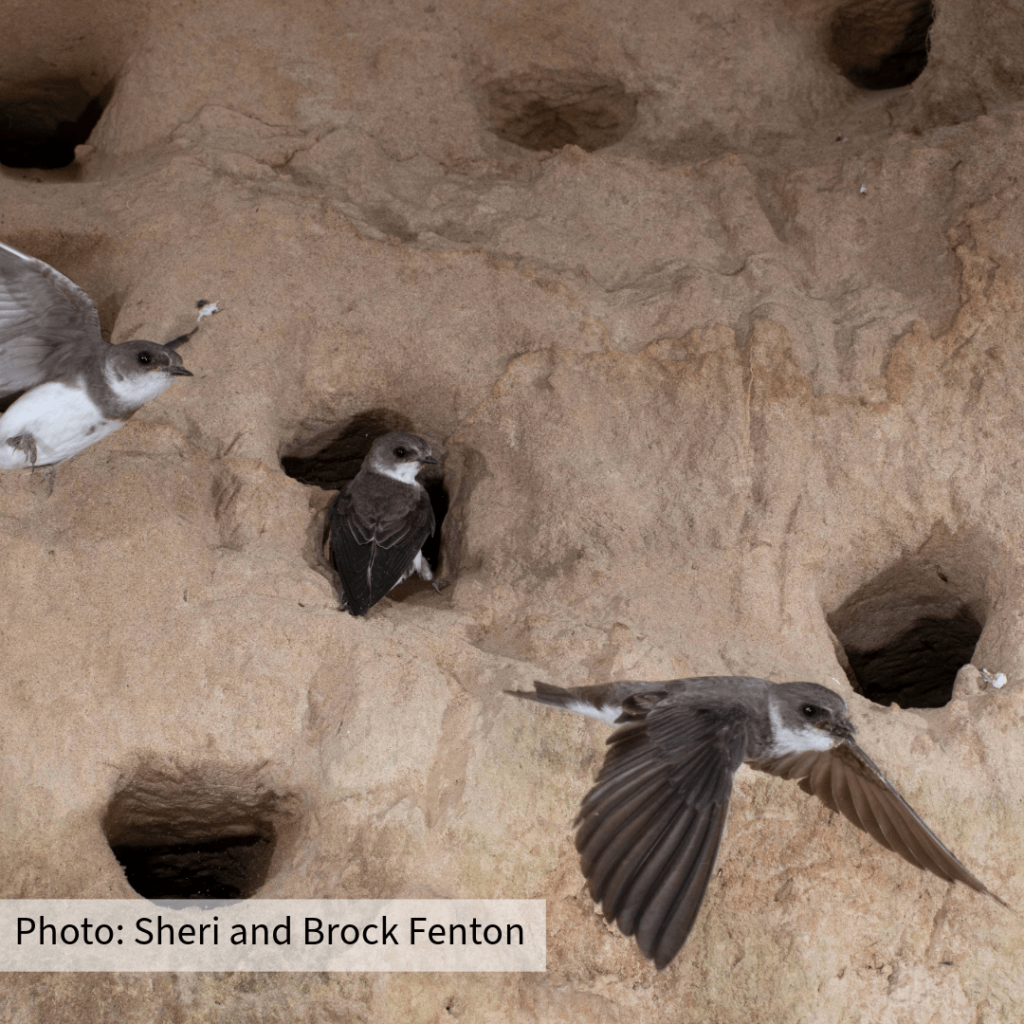
Birds need safe places to build nests and raise their young. Trees with dense foliage, shrubs, or even cavities in old wood serve as ideal nesting spots.
Have you noticed how woodpeckers prefer hollow trees while swallows build mud nests under eaves? Providing nesting boxes can help support birds in urban or suburban areas lacking natural sites.
Shelter And Protection
Shelter protects birds from harsh weather and predators. Thick bushes, tall grasses, and natural debris offer cover that helps birds feel secure.
Consider how birds tuck themselves into thorny bushes or tall reeds during storms. You can enhance shelter availability by preserving native vegetation and avoiding excessive clearing.
Water Availability
Access to clean water is essential for drinking and bathing. Ponds, streams, and even small birdbaths can serve this need.
Have you ever watched birds splash energetically in a birdbath? Adding a shallow water source can attract a variety of species and keep them healthy.
Adaptations To Different Habitats
Birds live in many different habitats. Each habitat has unique challenges. Birds change in many ways to survive. These changes help them find food, stay safe, and raise young. Adaptations can be seen in their bodies, actions, and travel habits.
Physical Adaptations
Birds have special body parts suited for their homes. Some have strong claws to hold onto branches. Others have long beaks to reach deep flowers. Feathers help with warmth and flying. Colors can hide birds from enemies or attract mates. Body size may also match the environment’s needs.
Behavioral Adaptations
Birds act in ways that help them live well. Some build nests high in trees to stay safe. Others hunt in groups to catch food better. Many birds change their daily routines to avoid heat or cold. Singing helps them find mates or mark territory. These habits improve their chances of survival.
Migration Patterns
Many birds move to new places when seasons change. They fly long distances to find food or better weather. Migration helps them avoid harsh winters or dry summers. Some travel thousands of miles across continents. This movement is guided by the sun, stars, and Earth’s magnetic field.

Credit: www.callnorthwest.com
Threats To Bird Habitats
Bird habitats face many threats today that can drastically change their ability to support bird populations. These threats reduce safe spaces for birds to live, find food, and reproduce. Understanding these dangers helps you see why protecting bird habitats matters for the health of ecosystems and for the birds you enjoy watching.
Habitat Loss And Fragmentation
Many bird species suffer when their habitats shrink or break into smaller patches. Urban development, agriculture, and logging cut large forests or wetlands into pieces, leaving birds isolated. I once visited a forest where I noticed fewer birds singing near the edges of clearings compared to deeper inside the woods.
Smaller habitats mean fewer resources and more predators, making survival harder for birds. What changes in your local environment might be affecting the birds you see?
Pollution And Climate Change
Pollution poisons water and soil, harming birds directly or through the food chain. Chemicals like pesticides reduce insect populations that many birds rely on. I’ve seen ponds near farmland with very few waterfowl, likely due to pollution affecting their food supply.
Climate change shifts weather patterns and seasons, confusing birds’ migration and breeding cycles. Warmer temperatures can also destroy habitats by drying wetlands or killing trees. How might changes in your area’s climate impact the birds around you?
Invasive Species
Non-native plants and animals often disrupt bird habitats by competing for resources or preying on native birds. For example, invasive plants can crowd out native bushes that birds use for nesting. In some places, introduced predators like rats or cats have caused local bird populations to collapse.
Controlling invasive species is tough but crucial to protect native birds. Have you noticed unfamiliar plants or animals in your birdwatching spots?
Human Disturbance
Activities like hiking, construction, and noise can scare birds away from their habitats. Even well-meaning birdwatchers can disturb nesting sites if they get too close. I once saw a group of people unknowingly disrupt a nesting area, causing the parent birds to abandon their young temporarily.
Respecting bird spaces means keeping distance and minimizing noise. How do you ensure your presence doesn’t harm the birds you enjoy?
Conservation Efforts For Bird Sanctuaries
Conservation efforts play a key role in protecting bird sanctuaries. These efforts ensure safe spaces for birds to live and breed. Many organizations and communities join hands to keep bird habitats healthy. Such actions help preserve biodiversity and support bird populations.
Protected Areas And Reserves
Governments and groups create protected areas to save bird habitats. These zones limit human activities that harm birds. Strict rules stop hunting and deforestation in these places. Protected reserves offer birds a quiet and safe home. Monitoring these areas helps track bird health and numbers.
Community Involvement
Local people often take part in bird conservation. They help by reporting bird sightings and threats. Communities organize cleanups and plant native trees. Education programs teach the importance of bird sanctuaries. When people care, birds thrive better in their habitats.
Restoration Projects
Many bird habitats suffer damage from pollution or farming. Restoration projects fix these areas by planting native plants. Removing invasive species lets native birds find food and shelter. Wetlands and forests get special attention to bring back lost life. These projects revive the natural balance for birds.
Sustainable Practices
Using land wisely helps protect bird homes. Farmers adopt bird-friendly methods like less pesticide use. Eco-tourism encourages visitors to respect bird areas. Sustainable fishing prevents damage to water birds’ habitats. These practices support birds and local communities together.
Credit: learn.birdscanada.org
How To Support Bird Habitats Locally
Supporting bird habitats locally involves understanding where birds live and thrive. Birds need safe spaces with food, water, and shelter. Plant native trees and shrubs to create these essential habitats in your community.
Supporting bird habitats locally can have a significant impact on the health and diversity of local ecosystems. By taking small, meaningful actions in your community, you can help create a welcoming environment for birds. Here are some practical ways to support bird habitats locally and contribute to the preservation of these vital ecosystems.Creating Bird-friendly Gardens
Transform your garden into a sanctuary for birds by planting native plants. Native plants provide the food and shelter birds naturally seek. Include a variety of flowers, shrubs, and trees to cater to different bird species. Consider adding a water feature like a birdbath to provide a fresh drinking source. Keep it clean and filled, especially during dry months. Install bird feeders to offer nutritious seeds and grains.Avoiding Harmful Chemicals
Using pesticides and herbicides can harm birds directly or indirectly through their food sources. Opt for organic gardening methods whenever possible. Encourage natural pest control by attracting beneficial insects and birds that prey on pests. Compost yard waste and kitchen scraps to enrich soil without chemicals. This practice supports a healthier ecosystem for birds and other wildlife. Be mindful of chemical runoff into local water sources, which can affect bird habitats.Participating In Citizen Science
Join citizen science programs to contribute to bird conservation efforts. These programs often involve monitoring bird populations and reporting sightings. Your data helps researchers track changes in bird species and their habitats. Participating is simple and rewarding. Use apps or online platforms to log your observations. This active involvement can deepen your connection to local wildlife and enhance your awareness of environmental issues.Advocating For Habitat Protection
Speak up for the protection of local natural areas. Attend community meetings and voice your support for conservation projects. Educate others about the importance of preserving habitats for birds and other wildlife. Consider volunteering with local environmental groups. These organizations often need help with habitat restoration projects. Your efforts can make a tangible difference in maintaining healthy bird populations. By taking these steps, you actively contribute to a healthier environment for birds. What changes can you make today to support bird habitats in your community? Every action counts in preserving our natural world for future generations.Frequently Asked Questions
What Defines A Bird’s Natural Habitat?
A bird’s natural habitat is the environment where it lives and thrives. It provides food, shelter, and nesting sites essential for survival and reproduction.
How Do Habitats Affect Bird Behavior?
Habitats influence bird feeding, mating, migration, and nesting behaviors. Birds adapt their habits based on habitat conditions to optimize survival chances.
Which Habitats Support The Most Bird Species?
Forests, wetlands, and grasslands support the highest bird diversity. These habitats offer abundant food and shelter, attracting many bird species.
Can Birds Live Outside Their Natural Habitats?
Some birds adapt to urban or altered environments. However, many species struggle without their natural habitat’s specific resources and conditions.
Conclusion
Birds live in many different places. Their habitats give them food, shelter, and safety. Forests, wetlands, and cities all can be homes for birds. Each bird chooses a place that fits its needs best. Protecting these habitats helps birds survive and thrive.
We must care for nature and the places birds call home. Understanding bird habitats helps us appreciate their lives. Every bird depends on a healthy environment to live well. Let’s keep their homes safe for future generations to enjoy.




