
Have you ever wondered what treats you can offer to attract more birds to your backyard? Mealworms might just be the secret ingredient you need.
These tiny, wriggly snacks are a favorite for many feathered friends, but which backyard birds actually eat mealworms? Knowing this can help you create a vibrant, lively space filled with the birds you love to watch. Keep reading, and you’ll discover exactly which birds will flock to your garden when you serve up these protein-packed delights.
Why Mealworms Attract Birds
Mealworms have a unique appeal for backyard birds that goes beyond just being an easy snack. Birds are instinctively drawn to their wriggly movements and high energy content, making mealworms a top choice for many species. If you want to see a variety of birds flock to your backyard, adding mealworms to your feeding routine can make a big difference.
Nutritional Value Of Mealworms
Mealworms are packed with protein, which is essential for birds, especially during breeding and molting seasons. They provide a rich source of fat, helping birds maintain energy through colder months or long flights. Additionally, mealworms contain essential vitamins and minerals like calcium and B vitamins that support overall bird health.
Birds feeding on mealworms get a quick energy boost, which is why you often see them eagerly pecking at these worms. Have you noticed how your backyard birds become more active and vibrant after feeding on protein-rich food? That’s the impact of good nutrition at work.
Mealworms Vs. Other Bird Foods
Compared to seeds and fruits, mealworms offer a concentrated source of protein and fat that many birds can’t get elsewhere. While seeds are great for finches and sparrows, insect-eating birds like bluebirds, wrens, and robins prefer mealworms. This makes mealworms a perfect complement to the typical seed mix you offer.
Mealworms also attract a different variety of birds, increasing the diversity of your backyard visitors. Unlike suet or nectar, mealworms are less messy and easier to store. Offering mealworms can bring in species you rarely see, making your birdwatching experience richer and more rewarding.

Credit: www.shutterstock.com
Common Backyard Birds That Love Mealworms
Mealworms are a top choice for many backyard birds because they offer a high-protein snack that helps them stay active and healthy. If you want to attract a variety of feathered friends, knowing which birds favor mealworms can guide your feeding strategy. Let’s look at some common backyard birds that will eagerly come to your feeders if you provide mealworms.
Bluebirds
Bluebirds are some of the most enthusiastic mealworm eaters you’ll find. They prefer mealworms over many other food types because these larvae provide essential protein, especially during breeding season. You can often spot them perching nearby, waiting patiently for you to refill your feeder.
Wrens
Wrens are small but mighty when it comes to appetite. They love mealworms and will quickly clean up any you put out. Offering mealworms can help wrens stick around your yard instead of hunting for insects elsewhere.
Chickadees
Chickadees are curious birds that enjoy a variety of foods, and mealworms are a favorite. These little birds use mealworms as an energy boost, especially in cooler months. If you want to keep chickadees visiting regularly, mealworms can be a great addition to your feeding routine.
Nuthatches
Nuthatches are agile birds known for their acrobatic moves on tree trunks. They also love mealworms for their rich nutrients. Placing mealworms near tree bark or on platform feeders will catch the attention of these lively birds.
Robins
Robins typically eat worms and insects, so mealworms fit perfectly into their diet. They are especially attracted to live mealworms but will also eat dried ones if fresh options aren’t available. Adding mealworms to your yard can encourage robins to stay longer and visit more often.
Feeding Tips For Mealworms
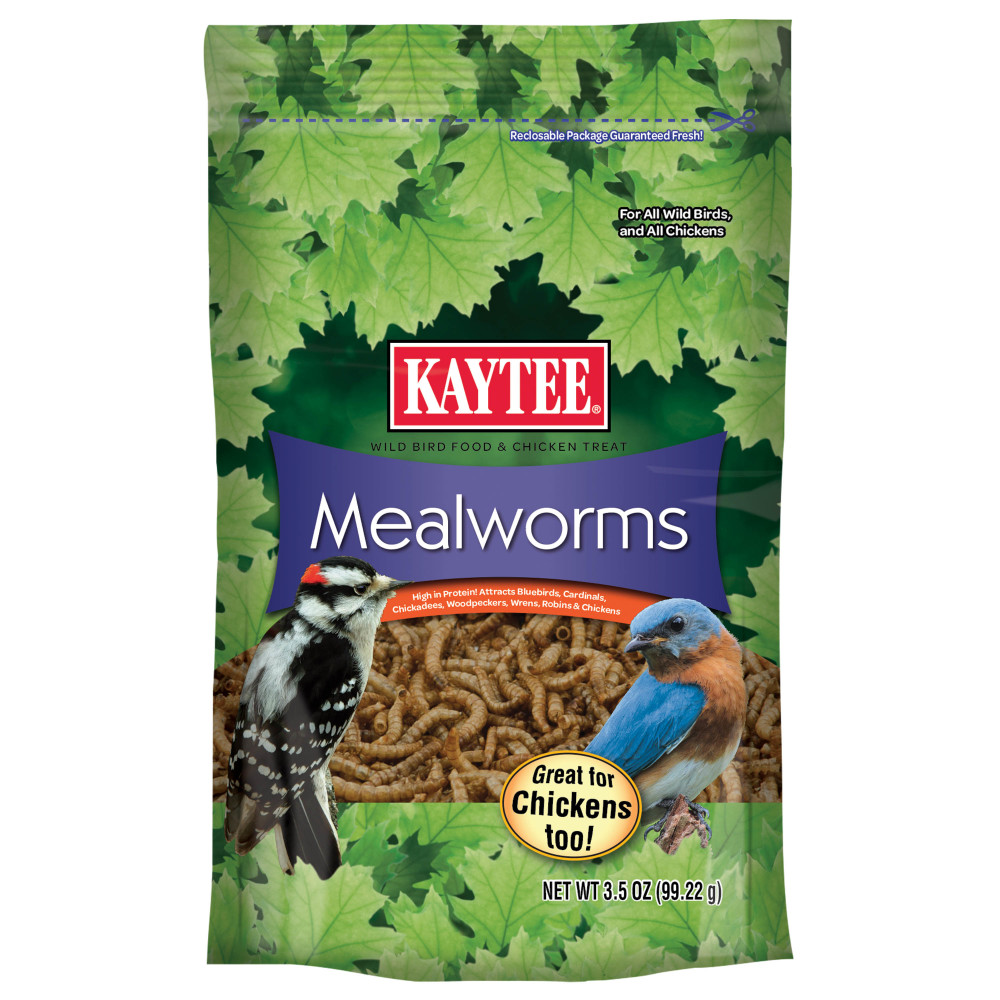
Feeding mealworms to backyard birds is a great way to attract a variety of species. Mealworms are rich in protein and easy for birds to eat. Knowing how to offer mealworms properly helps keep birds safe and encourages them to return often.
Live Vs. Dried Mealworms
Live mealworms move and attract birds easily. They offer fresh nutrients and natural moisture. Dried mealworms last longer and are less messy. They are good for quick feeding and storage. Birds enjoy both types, but live mealworms provide more energy.
Best Feeding Methods
- Use shallow dishes or trays to hold mealworms.
- Place mealworms on platforms or feeders to keep them clean.
- Scatter mealworms on the ground for ground-feeding birds.
- Mix mealworms with other bird foods for variety.
- Refill feeders daily to keep food fresh and inviting.
Seasonal Considerations
Offer more mealworms in colder months. Birds need extra energy to stay warm. In spring and summer, use mealworms to feed young birds. Reduce feeding in late summer when natural food is plentiful. Always remove uneaten mealworms to prevent mold and pests.
Credit: www.kaytee.com
Setting Up A Mealworm Station
Setting up a mealworm station invites many backyard birds to visit. Mealworms offer rich protein and energy. Birds like bluebirds, robins, wrens, and chickadees enjoy them. Creating a dedicated spot helps attract these feathered friends.
A well-prepared mealworm station makes feeding easy for birds. It also keeps the mealworms fresh and safe. Simple steps ensure birds come often and stay healthy.
Choosing The Right Feeder
Pick a feeder that holds mealworms without spilling. Shallow dishes or trays work well. Plastic or ceramic feeders are easy to clean. Avoid deep feeders that hide the mealworms from birds.
- Look for a feeder with drainage holes
- Choose feeders with low edges for easy access
- Avoid feeders that trap moisture
Placement For Maximum Visits
Place the mealworm station where birds feel safe. Near shrubs or trees is best. Birds like cover close by to hide from predators. Keep the feeder visible but sheltered from strong wind.
- Set the feeder 4 to 6 feet above ground
- Position near natural bird perches
- Avoid spots near heavy foot traffic
Maintaining Cleanliness
Clean the feeder regularly to prevent mold and bacteria. Replace old mealworms if they look dry or dead. Wash the feeder with warm water and mild soap. Dry it completely before refilling.
- Clean the station once a week or more often
- Remove spilled mealworms daily
- Keep the feeding area tidy to avoid pests
Benefits Of Offering Mealworms
Offering mealworms in your backyard can transform your birdwatching experience. These nutrient-rich treats provide more than just food; they support the overall well-being of birds visiting your space. Understanding these benefits can help you create a thriving habitat that encourages birds to stay and flourish.
Supporting Bird Health
Mealworms are packed with protein, which is essential for energy and feather growth. Birds need this boost, especially during molting or cold weather. By adding mealworms to your feeder, you help birds maintain strong muscles and healthy plumage.
I’ve noticed that after introducing mealworms, the birds at my feeder seemed more vibrant and active. This simple addition supports their immune systems and helps them recover from stress or illness faster.
Encouraging Nesting And Breeding
Mealworms provide the extra nutrition female birds need to lay eggs and care for their young. Offering these treats during the breeding season can increase the chances of successful nesting. Birds are more likely to return to a reliable food source when raising chicks.
Have you ever seen a pair of birds busily feeding their babies? Providing mealworms can encourage this behavior in your backyard, turning it into a nurturing ground for the next generation.
Attracting A Variety Of Species
Mealworms appeal to a wide range of bird species, from bluebirds to wrens and robins. This variety makes your backyard more lively and interesting to watch. Different birds bring different colors and songs, enriching your outdoor experience.
If you want to diversify the birds visiting your yard, offering mealworms is a practical way to do it. You might be surprised by the new visitors that show up, drawn by this tasty treat.

Credit: www.livingwithbirds.com
Frequently Asked Questions
What Backyard Birds Commonly Eat Mealworms?
Many birds enjoy mealworms, including robins, bluebirds, chickadees, wrens, and woodpeckers. These birds benefit from the protein-rich snack, especially during breeding and molting seasons.
Are Mealworms Safe And Healthy For Backyard Birds?
Yes, mealworms are a safe and nutritious treat. They provide essential protein and fat, supporting birds’ energy needs without harmful additives or chemicals.
How To Attract Mealworm-eating Birds To Your Backyard?
Use a specialized mealworm feeder or scatter them on a platform feeder. Keep the area clean and provide water to encourage birds to visit regularly.
Can Mealworms Help Birds During Winter Months?
Mealworms are especially beneficial in winter when insects are scarce. They offer vital nutrition and energy to help birds survive cold weather and harsh conditions.
Conclusion
Mealworms attract many backyard birds. They offer a rich, tasty treat birds love. By feeding mealworms, you help local wildlife stay healthy. Watching birds eat mealworms brings joy and peace. Try adding mealworms to your bird feeders today. Your garden becomes lively with colorful bird visitors.
Enjoy the simple pleasure of feeding birds naturally.




