
Have you ever wondered how a Bird’s Eye Camera shows a perfect view of everything around your car? Imagine having a superpower that lets you see all sides at once, making parking and driving safer and easier.
This technology isn’t magic—it’s smart engineering designed to give you a clear, real-time picture of your surroundings. You’ll discover exactly how a Bird’s Eye Camera works and why it can change the way you drive. Keep reading to unlock the secret behind this incredible technology and learn how it can keep you and your vehicle safe.

Credit: www.man.eu
Basics Of Bird’s Eye Camera
Bird’s eye cameras give drivers a clear view of their vehicle’s surroundings. This technology helps avoid blind spots and makes parking easier. Understanding its basics shows how it improves safety and convenience.
Key Components
- Cameras:Usually four or more, placed around the vehicle’s front, rear, and sides.
- Image Processor:Combines images from all cameras into one seamless view.
- Display Screen:Shows the combined image inside the car for the driver.
- Sensors:Assist in detecting obstacles and provide data for better image alignment.
- Wiring and Software:Connect and control the system, ensuring smooth operation.
How It Captures 360° View
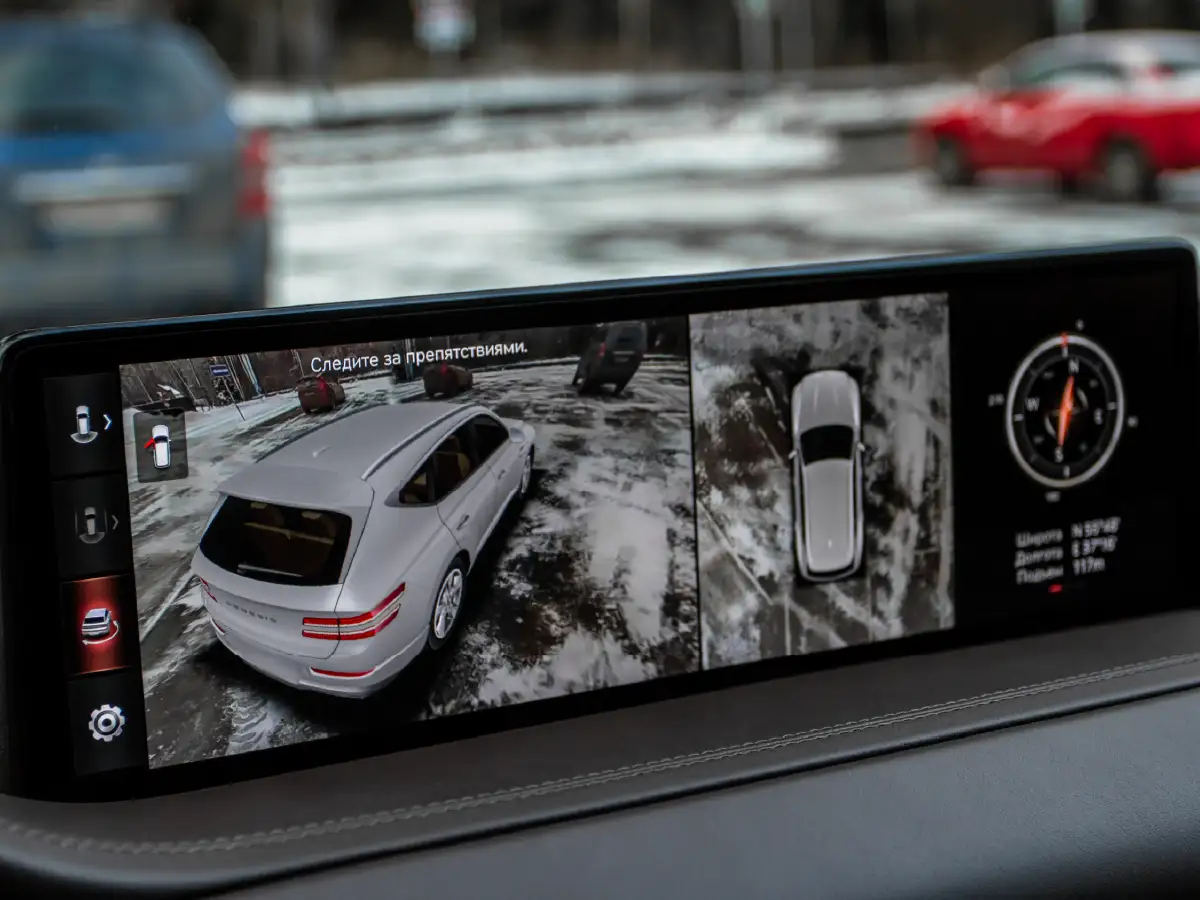
Cameras capture images from different angles around the vehicle. Each camera covers a part of the area near the car.
The image processor stitches these images together. It corrects angles and removes overlaps to create a full top-down view.
This combined image looks like a bird is watching from above. The driver sees the vehicle’s surroundings in real-time on the screen.
Such a view helps in tight spaces. It shows obstacles that normal mirrors might miss.
Credit: www.cars24.com
Types Of Bird’s Eye Cameras
Bird’s eye cameras come in various types. Each type offers unique benefits and suits different needs. Understanding these types helps in choosing the right system for your vehicle or property.
Wired Vs Wireless Models
Wired bird’s eye cameras connect directly to the vehicle’s system using cables. This ensures a stable and clear video feed. They usually offer lower latency and better image quality.
Wireless models transmit video signals without cables. They are easier to install and move between vehicles. However, wireless systems may face interference and sometimes delay in video transmission.
Choosing between wired and wireless depends on installation ease and signal reliability needs.
Standalone Vs Integrated Systems
Standalone bird’s eye cameras work independently. They provide a 360-degree view using their own screen or device. These systems are ideal for retrofitting older vehicles.
Integrated systems combine with existing vehicle electronics. They link the bird’s eye camera with other cameras and sensors. This creates a seamless view on the car’s built-in display.
Integrated systems offer more features but may require professional installation and higher cost.
Image Processing Techniques
Bird’s eye cameras rely on advanced image processing techniques to create a seamless, clear view around a vehicle. These techniques combine data from multiple cameras to produce one unified image. The process involves precise alignment and correction to ensure the final picture is accurate and easy to understand.
Stitching Multiple Angles
The camera system captures images from several angles around the car. These images overlap slightly to help combine them smoothly. Special software detects matching points in each picture. Then, it blends the images together to form a single wide view. This stitching removes visible borders or gaps between images.
The system adjusts for differences in perspective and lighting. It makes sure objects look natural and in the right place. This technique helps drivers see a full 360-degree view without distortion.
Real-time Image Correction
Images from different cameras may have color or brightness variations. The system corrects these differences instantly. It balances colors and light to create a uniform look. This correction improves visibility in changing light conditions.
The software also removes lens distortion and corrects angles. It adjusts the image to match the real environment closely. Real-time processing means the driver sees updated images without delay. This quick correction supports safe and accurate driving decisions.
Installation And Setup
Installing and setting up a Bird’s Eye Camera is essential to get the full advantage of its 360-degree view feature. The process might seem technical, but with careful placement and calibration, you can achieve clear and accurate visuals around your vehicle. Paying attention to these details ensures your safety and enhances driving confidence.
Ideal Camera Placement
Each camera should be mounted at strategic points around your vehicle to capture a seamless panoramic view. The front camera usually fits near the grille or bumper center, while side cameras go under each side mirror. The rear camera is commonly placed above the license plate or on the tailgate.
Make sure the cameras have an unobstructed view without being too exposed to dirt or damage. Avoid placing cameras too low where road debris can block the lens or too high where angles distort the image. Think about how your vehicle is used daily and pick spots that balance protection and visibility.
Calibration Steps
Once your cameras are mounted, calibration aligns all images into a single bird’s eye view. This step is crucial because even slight misalignment can cause blind spots or distorted visuals. Calibration usually involves positioning your vehicle on a flat, marked surface and following on-screen prompts from the camera system.
- Start the calibration mode via your vehicle’s infotainment system.
- Drive slowly over the calibration area, allowing the system to record camera angles.
- Confirm the system has processed the images and adjusted the view accordingly.
Have you ever wondered why some vehicles’ bird’s eye views seem off? Often, it’s due to improper calibration or camera placement. Taking time to calibrate properly can save you from unexpected surprises on the road.
Applications In Vehicles
Bird’s eye cameras provide drivers with a complete view around the vehicle. They use multiple cameras placed at the front, rear, and sides of the car. These images combine to create a single overhead view. This technology helps improve safety and convenience while driving.
Parking Assistance
Bird’s eye cameras make parking easier. Drivers can see all obstacles near the car from above. This view helps avoid hitting curbs, poles, or other vehicles. It is especially useful in tight parking spaces. The camera system reduces blind spots and improves accuracy while parking.
Blind Spot Detection
Blind spots are hard to see with regular mirrors. Bird's eye cameras help detect vehicles in these areas. The system alerts drivers when another car is too close. This reduces the risk of accidents during lane changes. It gives drivers more confidence on busy roads.

Credit: www.man.eu
Advantages Of 360° Vision
A bird’s eye camera gives drivers a full view around their vehicle, reducing blind spots. This 360° vision helps with parking and improves safety by showing obstacles clearly. It combines images from multiple cameras to create one clear top-down picture.
When it comes to the advantages of a 360° vision system, the benefits extend beyond mere convenience. A bird’s eye camera provides a panoramic view around your vehicle, enhancing your driving experience. This advanced technology can make a noticeable difference in everyday situations, turning challenges into effortless tasks.Enhanced Safety
One of the greatest benefits of a 360° vision system is the enhanced safety it offers. Imagine you’re backing out of a crowded parking lot. The bird’s eye camera gives you a clear view of all sides of your vehicle, reducing blind spots and helping to prevent collisions. Parents will appreciate this feature when children are playing nearby. You can easily check for obstacles or people around your car before you even start moving. It’s like having an extra set of eyes, ensuring everyone’s safety.Improved Maneuverability
Navigating tight spaces can be daunting, but a bird’s eye camera transforms this experience. Whether you’re squeezing into a narrow street or parallel parking, the 360° view aids in precise vehicle placement. Imagine the ease of parking in a cramped urban area without the stress of potential scrapes. The system guides you with on-screen prompts, making difficult maneuvers more manageable. You might find yourself wondering how you ever managed without it. Have you ever hesitated to explore a new city because of parking anxiety? With improved maneuverability, you can confidently venture into new areas, knowing your vehicle’s every movement is perfectly guided.Limitations And Challenges
Bird’s eye cameras may struggle in poor lighting or bad weather, affecting image clarity. Sometimes, blind spots can still occur despite multiple camera angles. Calibration issues might also cause distorted views, making parking tricky.
Bird’s eye cameras offer a comprehensive view, but they aren’t without flaws. These cameras present several limitations and challenges. Understanding these issues helps in managing expectations.Image Distortion Issues
Bird’s eye cameras often suffer from image distortion. The wide-angle lenses needed for broad views can warp images. This distortion makes objects appear bent or stretched. This affects depth perception and can mislead the viewer. Correcting this distortion requires advanced software, which isn’t always accurate.Environmental Factors
Environmental conditions impact the performance of bird’s eye cameras. Poor weather, like fog or rain, obscures visibility. Bright sunlight creates glare, affecting image clarity. Dust or dirt on the lens further reduces image quality. Regular maintenance is essential to ensure clear images.Future Trends
The future of bird’s eye camera technology is set to change how you see and interact with your surroundings. Advancements are not just about clearer images but smarter systems that anticipate your needs. Imagine a camera that not only shows you the view but helps you understand it better.
Ai Integration
AI is making bird’s eye cameras smarter by adding features like object detection and real-time alerts. This means your camera can warn you about potential hazards before you even notice them. You might soon rely on your camera to highlight pedestrians, other vehicles, or obstacles automatically.
Imagine parking in a tight spot and your camera guiding you with precise, AI-driven advice. This level of assistance can reduce accidents and save you time. Have you thought about how much safer your drives could be with this technology?
Higher Resolution Cameras
Higher resolution cameras will deliver sharper and more detailed images. This improvement helps you spot smaller objects and read signs more clearly from a bird's eye view. The difference between a blurry and a crisp image can be crucial when making quick decisions on the road.
These cameras also improve night vision and low-light performance, making your view clearer in any condition. With better image quality, you get a more accurate understanding of your surroundings. How often do you find yourself wishing your camera showed just a bit more detail?
Frequently Asked Questions
What Is A Bird’s Eye Camera System?
A Bird’s Eye Camera system uses multiple cameras around a vehicle. It stitches these images to create a 360-degree, top-down view. This helps drivers see their surroundings clearly and park safely.
How Do Bird’s Eye Cameras Enhance Driving Safety?
Bird’s Eye Cameras eliminate blind spots by showing a full view. They help detect obstacles and pedestrians near the vehicle. This reduces accidents during parking and low-speed maneuvers.
What Technology Powers Bird’s Eye Camera Systems?
These systems use wide-angle cameras, image processing, and stitching software. Advanced sensors and algorithms combine images into one seamless overhead view. This technology ensures accurate and real-time visuals.
Can Bird’s Eye Cameras Work In Low Light?
Yes, many Bird’s Eye Cameras have night vision or infrared capabilities. These features improve visibility in dark conditions. This ensures safety during nighttime driving or parking.
Conclusion
Bird’s eye cameras show a clear view from above. They use multiple cameras placed around a vehicle. These cameras capture images and combine them into one picture. This helps drivers see all around their car. It reduces blind spots and makes parking easier.
Many modern cars come with this useful feature. Understanding how it works can help you use it better. It improves safety and gives more confidence while driving. A simple tool that makes daily driving safer.




