
Have you ever wondered if the flash from your camera could harm a bird’s eyes? If you enjoy birdwatching or photography, this question might have crossed your mind.
You want to capture stunning photos without causing any harm, but how safe is that bright burst of light? Understanding the effects of camera flash on birds is important for protecting these beautiful creatures while still enjoying your passion. Keep reading to discover the surprising truth and learn how you can take great photos responsibly.
How Bird Eyes React To Light
Birds have a unique way of seeing the world, and their eyes react differently to light compared to human eyes. Understanding how bird eyes respond to light can help you appreciate whether camera flashes cause them harm or discomfort. Let’s take a closer look at the sensitivity of their vision and what happens when they encounter sudden bright flashes.
Bird Vision Sensitivity
Birds have highly sensitive eyes designed to detect subtle changes in light. Their retinas contain more rod cells than humans, which help them see better in low-light conditions. This heightened sensitivity means bright lights can overwhelm their vision quickly.
Unlike humans, many bird species can see ultraviolet light, adding another layer of complexity to how they process brightness. This makes their eyes more reactive to sudden changes in light intensity. Have you ever noticed how birds often freeze or look away when exposed to a bright light?
Effects Of Sudden Bright Flashes
A sudden camera flash can startle birds and temporarily blind them because their eyes adjust more slowly to rapid changes in light. This brief blindness might cause disorientation or stress, especially if the flash happens repeatedly. However, short flashes typically do not cause permanent damage.
Repeated or intense exposure to bright light, though, could potentially harm delicate eye tissues. That’s why many wildlife photographers use natural light or low-intensity flashes to avoid disturbing birds. Next time you use a camera around birds, consider how your flash might affect their comfort and behavior.
Impact Of Camera Flash On Birds
Understanding the impact of camera flash on birds is crucial, especially if you enjoy wildlife photography. Birds have sensitive eyes adapted to natural light, so sudden bright flashes can cause unexpected reactions. Knowing how these flashes affect them helps you protect their well-being while capturing stunning photos.
Short-term Reactions
When a camera flash goes off near a bird, it can startle them immediately. You might notice birds blinking rapidly or quickly flying away, which indicates discomfort or fear. Some species may freeze momentarily, disoriented by the sudden burst of light.
These short-term reactions are usually harmless but can disrupt feeding, nesting, or mating behaviors. Have you ever seen a bird suddenly take flight just as you snapped a photo? That reaction is a clear sign of how sensitive their eyes are to sudden light.
Potential Long-term Damage
Repeated exposure to intense camera flashes could cause more serious harm. Bird eyes are delicate, and frequent bright flashes might lead to retinal damage or vision impairment over time. This risk is higher in low-light environments where their eyes are more adjusted to darkness.
Protecting birds means minimizing flash use, especially around nesting areas or during breeding seasons. Could your photography habits unknowingly cause stress or harm to these creatures? Opting for natural light or using red filters can be safer alternatives for both you and the birds.
Scientific Studies On Flash Effects
Scientific studies on flash effects explore how camera flashes impact birds’ eyes. Researchers observe bird behavior and eye health under different lighting conditions. These studies aim to understand if flashes cause harm or stress to birds. The findings help photographers and bird watchers act responsibly.
Research Findings
Many studies show brief flashes do not cause permanent eye damage. Birds’ eyes are adapted to various light levels. Sudden bright light may startle birds but rarely harms them. Some species are more sensitive, especially those active at night. Continuous or very strong flashes might cause temporary discomfort.
- Flashes cause short-term pupil contraction in birds.
- No evidence of lasting retinal damage from camera flashes.
- Repeated exposure can increase stress in some bird species.
- Daytime birds tolerate flashes better than nocturnal birds.
Expert Opinions
Ornithologists agree that occasional flashes are mostly safe. They suggest avoiding flash use too close to birds. Experts recommend keeping a safe distance to reduce stress. Photographers should limit flash use around nesting or resting birds. Respecting bird comfort helps protect their natural behavior.
- Use flash sparingly and from a distance.
- Avoid flash during breeding or feeding times.
- Observe bird reactions and stop if signs of distress appear.
- Natural light photography is preferred whenever possible.

Credit: vogelfotografien.wordpress.com
Safe Photography Practices
Camera flash can startle birds and may harm their sensitive eyes. Using natural light or a low flash helps protect their vision and keeps them calm. Always prioritize gentle photography to avoid disturbing wildlife.
Capturing the beauty of birds in their natural habitat is a rewarding experience. However, it’s crucial to practice safe photography to ensure their safety and well-being. Using flash can be harmful to birds, potentially causing stress or temporary vision impairment. To avoid this, photographers can adopt various safe photography practices. These methods will not only protect our feathered friends but also enhance your wildlife photography skills.Alternatives To Flash
Consider using natural lighting whenever possible. Early morning and late afternoon provide excellent light conditions for bird photography. These times offer soft lighting that enhances the natural colors of birds without the harshness of flash. If natural light is insufficient, try increasing your camera’s ISO setting. This allows you to capture clear images in low-light conditions without using a flash. Additionally, using a tripod can help stabilize your camera, reducing the need for a flash to capture sharp images.Timing And Distance Tips
Timing is essential when photographing birds. Birds are most active during the early morning and late afternoon, which also coincides with the best natural light. Observing birds from a distance respects their space and reduces the likelihood of causing them stress. Maintain a respectful distance by using a telephoto lens. This allows you to capture detailed images without disturbing the birds. Always be patient and let the birds come to you. This approach not only ensures their safety but often results in more natural and captivating photographs. By adopting these safe photography practices, you contribute positively to wildlife conservation while capturing stunning images that tell a story. Isn’t it worth considering how your actions impact the natural world?Ethical Considerations For Bird Photographers
Bird photographers must consider the impact of their actions on wildlife. Ethical photography helps protect birds and their habitats. Awareness about the effects of camera flash is key to responsible bird photography. Respecting birds ensures their safety and well-being during photo sessions.
Respecting Wildlife
Birds are living creatures with delicate eyes. Sudden bright flashes can startle or harm them. Photographers should avoid using flash near birds, especially at close range. Observing from a distance shows respect for their natural behavior. Taking time to learn about bird habits improves interaction and care.
Minimizing Disturbance
Minimizing disturbance keeps birds calm and safe. Using natural light reduces stress on birds. Avoid loud noises and sudden movements during photography. Plan shoots during times when birds are less active. Always move slowly to avoid frightening birds away from their nests or feeding areas.
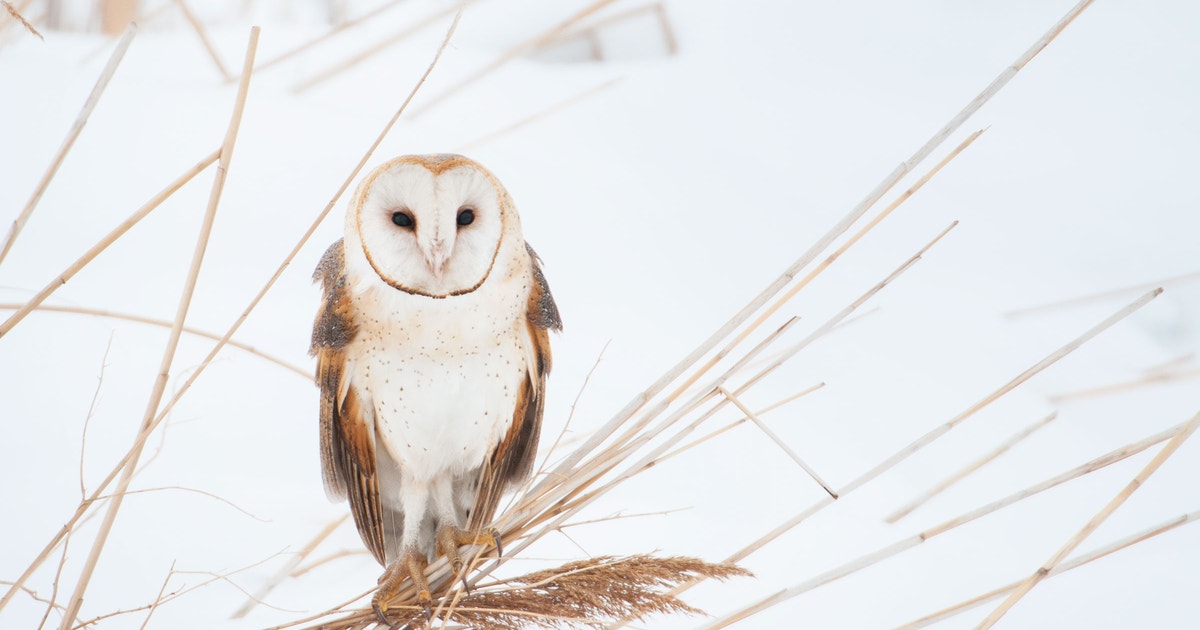
Credit: www.audubon.org

Credit: vogelfotografien.wordpress.com
Frequently Asked Questions
Does Camera Flash Harm Birds’ Eyes Permanently?
No, camera flash does not cause permanent damage to birds’ eyes. However, it can temporarily startle or distress them. Birds have protective eye adaptations that reduce harm from brief flashes. Still, frequent use of flash near birds is discouraged to avoid stress.
How Does Camera Flash Affect Bird Behavior?
Camera flash can cause birds to freeze, fly away, or become disoriented temporarily. Sudden bright light disrupts their natural behavior. Repeated exposure may increase stress, affecting feeding or nesting. It is best to minimize flash use around birds to protect their well-being.
Are Bird Eyes More Sensitive To Flash Light?
Yes, bird eyes are generally more sensitive to bright light than humans. Their eyes adapt for low-light vision, making sudden flashes more intense. This sensitivity can cause discomfort or temporary blindness. Using natural light or no flash is safer when photographing birds.
Can Camera Flash Cause Long-term Vision Problems In Birds?
Current research shows no evidence that camera flash causes long-term vision issues in birds. Temporary discomfort or blindness may occur, but eyes usually recover quickly. Avoiding flash during critical periods like breeding reduces any potential risks.
Conclusion
Birds’ eyes can be sensitive to bright flashes. Sudden light may startle or confuse them briefly. Using camera flash sparingly helps protect their well-being. Watching birds quietly lets you enjoy their natural behavior. Respect their space and avoid disturbing them with strong light.
Small actions make a big difference for bird safety. Always think about how your flash affects wildlife. Careful photography keeps birds safe and happy in their habitat.




