
Are you wondering where to place your bird bath for the best results? Choosing between sun or shade might seem simple, but it can make a big difference for the birds visiting your garden—and for you too.
Where you put your bird bath affects how often birds come, how clean the water stays, and even how comfortable the birds feel. Keep reading, and you’ll discover the smart choice that will turn your bird bath into a lively, refreshing spot for your feathered friends every day.

Credit: www.the-express.com
Sun Exposure Benefits
Placing a bird bath in the sun offers several key benefits for both birds and the garden. Sunlight helps keep the water warm and inviting, encouraging more birds to visit. It also helps maintain the water’s cleanliness and reduces the chance of unwanted algae growth. These advantages make sun exposure a strong choice for many bird lovers.
Attracting More Birds
Sun-warmed water attracts more birds to the bath. Birds prefer warm water, especially during cooler mornings. Sunlight also makes the water sparkle, catching birds’ attention from a distance. A sunny spot increases the chances of seeing a variety of bird species.
Keeping Water Fresh
Sunlight helps keep the water fresh longer. Warm water encourages evaporation, which refreshes the bath naturally. It also prevents stagnant water, reducing bad smells and making the bath more pleasant for birds. Fresh water supports bird health and hygiene.
Preventing Algae Growth
Sun exposure slows algae growth in the bird bath. Algae thrive in dark, damp conditions, so sunlight helps keep them under control. This keeps the water clearer and safer for birds. Regular sun exposure reduces the need for frequent cleaning.
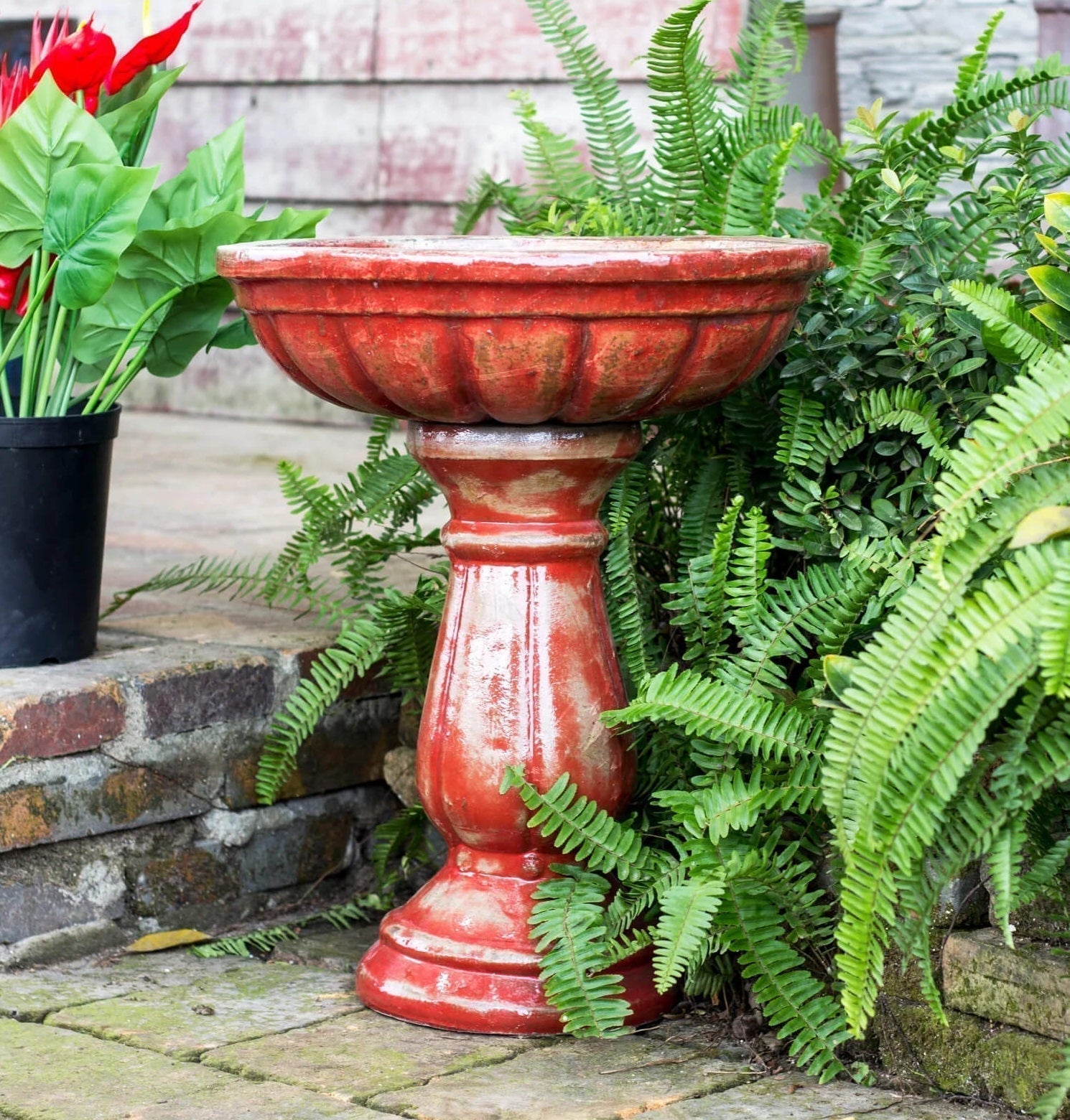
Credit: tenthousandpots.com
Shade Advantages
Placing a bird bath in the shade offers several key benefits that help keep birds happy and healthy. Shade creates a cooler environment, which is more comfortable for birds during hot days. It also helps maintain cleaner water and reduces water loss. These advantages make shaded bird baths a smart choice for any garden or yard.
Cooling Water Temperature
Shade keeps the water temperature lower. Cooler water attracts more birds. Hot water can stress birds and discourage visits. A shaded bath feels like a natural oasis for them to refresh.
Reducing Evaporation
Sunlight causes water to evaporate quickly. Shade slows down evaporation and saves water. This means less frequent refilling and more stable water levels. Birds always find enough water to drink and bathe in.
Protecting Birds From Heat
Shade offers a safe spot from direct sunlight. Birds avoid overheating by resting near the bath. It provides shelter from harsh rays and keeps them cool. This helps birds stay active and healthy during hot weather.
Bird Preferences
Birds have different needs when choosing a spot for a bath. Some enjoy warm sunlight, while others prefer cooler, shaded areas. Understanding these preferences helps you place your bird bath where it attracts more visitors. The right location keeps birds comfortable and encourages frequent visits.
Species That Favor Sun
- Robins like sunny spots for warmth during bathing.
- Bluebirds often choose open areas with full sun.
- Warblers prefer sunlit baths to stay active and alert.
- Finches enjoy bright areas that help them dry quickly.
Species That Prefer Shade
- Sparrows seek shade to avoid overheating while bathing.
- Doves like cooler spots with some tree cover.
- Thrushes choose shaded baths to stay hidden from predators.
- Wrens often bathe in cool, shaded areas for safety.
Seasonal Considerations
Choosing the right spot for your bird bath can make a significant difference in attracting our feathered friends. The placement isn’t just about aesthetics; it’s about creating a welcoming environment for birds throughout the year. Seasonal changes play a crucial role in deciding whether your bird bath should bask in the sun or retreat into the shade.
Adjusting For Summer
During the summer, the sun can quickly heat up the water in a bird bath, making it less appealing for birds. Consider placing your bird bath in partial shade to prevent the water from becoming too warm. This will also help reduce algae growth, keeping the water cleaner for longer. A shady spot under a tree with dappled sunlight works well, offering birds some relief from the heat while still making the bath visible.
Have you ever noticed how birds flock to shaded spots during the hottest part of the day? By providing a cool, shaded area, you’re more likely to see a variety of birds taking a refreshing dip or stopping for a drink.
Winter Placement Tips
In winter, a sunny location can be beneficial. The sun helps to keep the water from freezing, allowing birds to access fresh water even during chilly days. You might want to consider adding a bird bath heater if freezing temperatures are common in your area.
Placing your bird bath in a sunny area also ensures that the morning sun can quickly melt any ice that forms overnight. Have you ever tried to crack ice in a bird bath only to find it refreezing a few hours later? A sunny spot can be a simple yet effective solution to this wintertime challenge.
As the seasons change, so do the needs of the local wildlife. By thoughtfully considering the placement of your bird bath, you can create a haven for birds year-round. What’s your favorite spot for a bird bath in your garden? Have you noticed any changes in bird activity with different placements?
Placement Tips
Choosing the right spot for your bird bath is more than just picking a pretty corner of your yard. Placement affects how often birds visit and how safe they feel while drinking or bathing. Let’s look at some key tips to help you find the perfect balance for your feathered friends.
Balancing Sun And Shade
Your bird bath should get a mix of sun and shade throughout the day. Morning sun warms the water, making it inviting for birds, especially on cool days. Too much afternoon sun can cause the water to heat up quickly and evaporate faster, so some shade is essential.
I once placed a bird bath in full sun and noticed the water dried out by noon. Moving it closer to a tree gave the birds a cooler spot and kept the water fresh longer. Can you imagine how different the visits would be if the bath was either too hot or too cold?
Safety From Predators
Birds need to feel safe when they come to drink or bathe. Position your bird bath where birds have a clear view of their surroundings. Avoid placing it too close to dense bushes or places where cats or other predators can hide.
A friend of mine lost many bird visitors because the bath was too close to thick shrubs. Once moved to an open area with nearby perches, the birds returned quickly. How can you make sure your bird bath is a safe haven rather than a risky spot?
Accessibility For Birds
Make sure your bird bath is easy for birds to reach. It should be near trees or shrubs where birds can rest before or after visiting. However, avoid placing it too close to feeders, as this can lead to overcrowding and competition.
I found that placing my bath about 10 feet from the feeder gave the best results—birds felt comfortable moving between the two without stress. What simple adjustments can you make to encourage more visits and less conflict?

Credit: www.the-express.com
Maintenance Tips
Keeping your bird bath clean and filled with fresh water is key to attracting birds and ensuring their health. Maintenance might seem simple, but it requires attention to detail and consistency. Let’s look at how often you should clean and refill your bird bath to keep it inviting and safe.
Cleaning Frequency
Bird baths can quickly become breeding grounds for algae, bacteria, and mosquito larvae. Cleaning at least once a week is a good rule of thumb. If you notice cloudy water or bird droppings, clean it immediately to prevent disease.
Use a scrub brush and a mild detergent or a solution of one part vinegar to nine parts water. Avoid harsh chemicals that can harm birds. Rinse thoroughly to remove any residue before refilling.
Water Refilling Schedule
Fresh water attracts more birds and keeps them coming back. Depending on the temperature and sun exposure, you might need to refill your bird bath daily, especially in hot weather.
Check the water level each morning to see if it needs topping up. Stagnant water can deter birds and encourage pests. Think about how often you pass by your bird bath and make refilling part of your routine.
Frequently Asked Questions
Should A Bird Bath Be Placed In The Sun Or Shade?
A bird bath should be placed where it gets morning sun and afternoon shade. This balance keeps water fresh and attracts more birds. Sunlight helps prevent algae, while shade keeps water cool and prevents evaporation.
How Does Sun Exposure Affect Bird Bath Water Quality?
Sun exposure warms water, which can promote algae growth and bacteria. Too much sun causes water to evaporate quickly. Partial shade helps maintain cleaner, cooler water, making the bath safer and more inviting for birds.
Why Is Shade Important For Bird Baths?
Shade helps keep the water temperature cooler and prevents rapid evaporation. Cooler water is more comfortable for birds, especially during hot weather. Shade also slows algae growth, making the bath easier to maintain.
Can Bird Baths In Full Sun Harm Birds?
Yes, full sun can heat the water too much, stressing birds. Hot water may discourage birds from bathing or drinking. Providing some shade ensures the water stays cool and inviting for birds.
Conclusion
Choosing the right spot for your bird bath matters a lot. Sunlight helps keep water clean and warm for birds. Shade offers coolness and protects water from quick drying. Think about your local weather and bird types near you. A mix of sun and shade can work best.
Keep the bath safe, clean, and fresh. Birds will visit more often and enjoy it. Your garden becomes lively and peaceful. Small choices make a big difference in helping birds thrive.




