
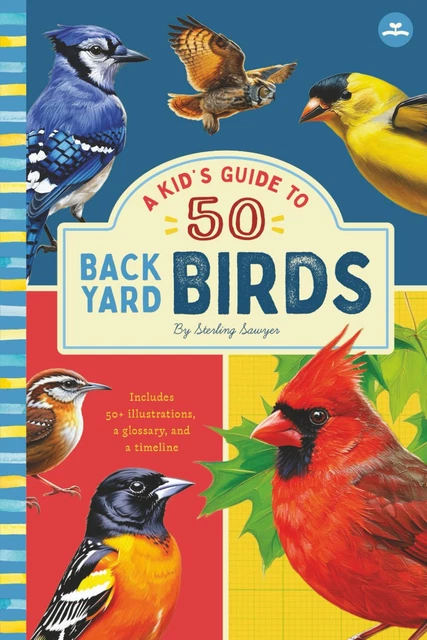
Have you ever looked outside and wondered about the colorful birds visiting your backyard? Imagine knowing the names of 50 different birds that come to your own outdoor space!
This guide is made just for you and your family to discover the amazing world of backyard birds. You’ll learn fun facts, spot birds with ease, and become a backyard bird expert in no time. Ready to make your backyard the coolest bird-watching spot?
Let’s get started!

Credit: www.amazon.ca
Bird Basics For Kids
Understanding birds is the first step to enjoying the amazing variety you can find right in your backyard. Birds are not just colorful creatures that sing; they have unique features and roles in nature that make them fascinating. Let’s dive into some bird basics that will help you recognize and appreciate these feathered friends more.
What Makes A Bird A Bird
Birds belong to a special group of animals called avians. What sets them apart from other animals? It’s their feathers, wings, and beaks. Almost all birds can fly, but some, like penguins, have wings for swimming instead.
Did you know that birds lay eggs? This is another key trait that makes a bird a bird. Their bones are light and hollow, which helps them take off into the sky easily.
Common Bird Features
Look closely at any bird, and you’ll notice some common features. Most birds have:
- Feathers:These keep them warm and help them fly.
- Beaks:Birds don’t have teeth, so their beaks are shaped differently depending on what they eat.
- Wings:Used for flying, but some birds use them for swimming or running.
- Feet and claws:Used for perching, walking, or catching food.
Next time you see a bird, try to notice these features. Can you guess what the bird eats just by looking at its beak?
How Birds Help Nature
Birds play a big role in keeping nature healthy. They help by:
- Spreading seeds:Many birds eat fruits and then drop seeds far away, helping new plants grow.
- Controlling pests:Birds eat lots of insects that can damage plants and crops.
- Pollinating flowers:Some birds help flowers grow by moving pollen from one flower to another.
Think about your own backyard. How might birds be helping the plants and trees around you? Watching them can give you clues about the health of your local environment.
Getting Ready To Spot Birds
Getting ready to spot birds in your backyard is an exciting adventure. It sets the stage for hours of fun and learning. Preparing well helps you see more birds and enjoy their colors and songs. A little planning goes a long way in making your bird-watching experience great.
Best Times To Watch Birds
Birds are most active early in the morning and late afternoon. The light is soft, and birds come out to find food. These quiet times make it easier to see and hear them. Avoid the hot midday hours when birds often rest in the shade.
Tools For Bird Watching
Simple tools can make bird spotting easier and more fun. Binoculars help you see birds up close without scaring them away. A notebook lets you write down the birds you see and their colors. A bird guidebook or app can help you identify different species.
Creating A Bird-friendly Backyard
Making your backyard inviting for birds means they will visit more often. Provide fresh water in a shallow dish or birdbath. Plant native flowers and shrubs that offer food and shelter. Avoid using pesticides that can harm birds and insects they eat.
- Set up bird feeders with seeds like sunflower or millet
- Leave some natural leaf litter for insects and ground feeders
- Place birdhouses for birds that like to nest in cavities
Top 50 Backyard Birds
Backyards can become exciting places for bird watching. Many birds visit yards across the country. Some are small and sing beautiful songs. Others show bright colors or have strange beaks. Some love eating from feeders. Birds near water bring another kind of charm. Here is a look at 50 backyard birds that children can enjoy spotting.
Small Songbirds
- Chickadee – Tiny and friendly, with a cheerful call.
- Wren – Small bird with a loud, happy song.
- Goldfinch – Bright yellow and sings sweet melodies.
- House Sparrow – Common and easy to find near homes.
- American Robin – Known for its red chest and morning song.
Colorful Birds
- Blue Jay – Bright blue with a noisy, fun voice.
- Cardinal – Red bird with a lovely whistle sound.
- Eastern Bluebird – Soft blue feathers and gentle song.
- Painted Bunting – Rainbow colors make it stand out.
- Scarlet Tanager – Bright red with black wings.
Birds With Unique Beaks
- Downy Woodpecker – Small woodpecker with a sharp beak.
- Hummingbird – Tiny bird with a long, thin beak for nectar.
- Rose-breasted Grosbeak – Thick beak for cracking seeds.
- Red-bellied Woodpecker – Strong beak for pecking trees.
- Common Flicker – Spots trees with its curved beak.
Birds That Visit Feeders
- House Finch – Loves sunflower seeds and is easy to spot.
- Tufted Titmouse – Small, gray, and curious feeder visitor.
- Black-capped Chickadee – Bold and friendly at feeders.
- White-breasted Nuthatch – Hangs upside down to eat seeds.
- American Goldfinch – Flies in bright yellow flocks to feeders.
Birds Near Water
- Great Blue Heron – Large bird often seen by ponds.
- Kingfisher – Striking bird with a sharp beak for fishing.
- Mallard Duck – Colorful ducks that swim near water.
- Song Sparrow – Often found near streams and lakes.
- Red-winged Blackbird – Known for its red shoulder patches by water.
Credit: picclick.ca
Easy Id Tips For Kids
Identifying birds can be fun and easy for kids with a few simple tips. These tips help children notice important details. Kids can become little bird experts by observing carefully. Learning to spot birds builds patience and sharp eyes. Let’s explore some easy ways to identify backyard birds.
Spotting Bird Colors And Patterns
Colors and patterns on birds are like their unique dress. Look for bright colors like red, blue, or yellow. Some birds have stripes, spots, or patches. Notice where the colors appear—on wings, head, or tail. Patterns help tell birds apart even if colors seem similar.
Listening To Bird Calls
Bird sounds are a helpful clue. Each bird has its own song or call. Some tweets are short and sharp. Others are long and musical. Listening closely helps recognize a bird without seeing it clearly. Try to remember the sounds for next time.
Watching Bird Behaviors
Birds show special behaviors that give away their identity. Some birds hop on the ground. Others flap quickly or glide smoothly. See if a bird pecks at seeds or catches bugs. Watching actions helps kids learn which bird is which.
Using Bird Shape And Size
Shape and size are easy to spot from far away. Some birds are small and round. Others have long tails or big wings. Notice the shape of the beak too—pointy, curved, or thick. Size and shape help sort birds into groups fast.
Fun Facts About Backyard Birds
Discover amazing facts about backyard birds that kids will love. This guide introduces 50 common birds with fun, simple details to spark curiosity. Explore colorful feathers, unique sounds, and surprising habits right outside your window.
Fun Facts About Backyard Birds Exploring the world of backyard birds is full of surprises. These feathered friends are fascinating creatures with amazing skills. Let’s dive into some fun facts about them.Amazing Bird Abilities
Birds have incredible abilities that seem almost magical. Some birds can mimic sounds, like the mockingbird. Others have keen eyesight, like hawks. Hummingbirds can hover in place like tiny helicopters. Their wings beat super fast, up to 80 times per second. These abilities help them survive and thrive.Birds That Build Cool Nests
Birds are crafty builders. Many species create unique homes. The weaver bird constructs intricate nests using grass and twigs. Orioles weave hanging nests that sway from tree branches. Woodpeckers carve holes in trees to make cozy homes. Each bird species has its own building style.Birds That Migrate
Migration is a long journey many birds take each year. Some travel thousands of miles to find warmer places. The Arctic Tern flies from the Arctic to Antarctica. That’s the longest migration of any bird. Swallows travel from North America to Central America. Migration is a big adventure for these little travelers.Birds And Their Food Favorites
Birds have varied diets based on their species. Some love seeds, like finches and sparrows. Others prefer insects, such as robins and bluebirds. Woodpeckers enjoy munching on beetles. Hummingbirds sip nectar from flowers. Each bird has a favorite food that suits its needs.Keeping Birds Safe And Happy
Keeping birds safe and happy in your backyard creates a joyful space for both kids and nature. Birds need our care to stay healthy and strong. Simple actions can protect them from harm and help them thrive. Teaching kids how to care for birds builds kindness and respect for wildlife.
Safe Feeding Tips
Use bird feeders that are easy to clean. Dirty feeders spread germs and make birds sick. Offer fresh food like seeds, nuts, and suet. Avoid bread and junk food. Place feeders where cats and other predators cannot reach. Change water daily in birdbaths. Clean feeders and baths weekly to stop disease. Provide a variety of foods to attract many bird types.
Avoiding Common Dangers
Keep windows clean and add decals to prevent bird collisions. Cover or remove outdoor nets and traps. Keep pets indoors or supervise them outside. Avoid using pesticides and chemicals near feeding areas. Remove standing water to prevent mosquito breeding. Trim trees and bushes to reduce hiding places for predators. Teach kids to watch birds quietly and not to touch nests.
Helping Birds In Winter
Fill feeders with high-energy foods like sunflower seeds and suet. Provide fresh water by using a heated birdbath or changing water often. Keep feeding stations clear of snow and ice. Offer shelter with brush piles or birdhouses. Avoid disturbing birds resting in cold weather. Keep food and water accessible during cold spells. Small steps help birds survive harsh winters.

Credit: www.amazon.com
Frequently Asked Questions
What Are Common Backyard Birds Kids Can Spot?
Common backyard birds kids can spot include robins, blue jays, cardinals, sparrows, and finches. These birds are colorful and easy to identify, making birdwatching fun and educational for children.
How Can Kids Attract Birds To Their Backyard?
Kids can attract birds by placing bird feeders with seeds, fresh water, and native plants. Creating a safe, quiet space encourages birds to visit frequently and allows kids to observe them closely.
Why Is Birdwatching Beneficial For Children?
Birdwatching helps children develop observation skills, patience, and an appreciation for nature. It also teaches them about biodiversity and the importance of protecting local wildlife habitats.
What Tools Help Kids Identify Backyard Birds?
Kids can use bird guidebooks, mobile apps, and binoculars to identify backyard birds. These tools provide pictures, sounds, and facts, enhancing the learning experience during birdwatching activities.
Conclusion
Birds bring joy and wonder to any backyard. Watching them helps kids learn about nature. Each bird has its own colors and sounds. Spotting these 50 birds can be fun and exciting. It teaches patience and helps develop keen eyes.
Try to identify birds by their shape and song. This guide makes birdwatching easy for young explorers. Enjoy time outside and discover the world of birds. Nature is full of surprises waiting to be found. Keep watching, listening, and learning about backyard birds every day.




