
Finding an injured bird can be upsetting, and you might wonder how you can help right away. You want to make sure your actions don’t cause more harm and give the bird the best chance to heal.
Caring for an injured bird at home may seem tricky, but with the right steps, you can provide comfort and support until professional help arrives. Keep reading, and you’ll discover simple, effective ways to protect and nurture your feathered friend safely.
Your quick and gentle care can make all the difference.
Assess The Bird’s Condition
Assessing the bird’s condition is the first and most important step in helping an injured bird. This process helps you understand how serious the injury might be. It guides you on what care the bird needs right away. Stay calm and handle the bird gently during this assessment.
Check For Visible Injuries
Look closely at the bird’s body for any signs of injury. Check the wings, legs, and head for cuts, bleeding, or swelling. Notice if feathers are missing or if there are bruises. Avoid touching wounds directly to prevent more harm. If you see any broken bones or severe wounds, prepare to keep the bird still and protected.
Observe Behavior And Alertness
Watch how the bird acts. Is it breathing normally or gasping for air? Notice if the bird can stand or move its wings. Look for signs of confusion or lack of response to sounds and movements. A weak or very quiet bird needs extra care. This behavior shows how serious the injury might be and helps decide the next steps.
Prepare A Safe Space
Create a quiet, warm space away from pets and noise for the injured bird. Use a small box lined with soft cloth to keep it comfortable and safe.
When caring for an injured bird at home, creating a safe space is vital. A secure and calming environment helps the bird recover. Proper preparation ensures the bird feels safe and less stressed. Here are the steps to prepare a safe space.Choose A Quiet Location
Select a room with minimal noise. Avoid areas with loud appliances or heavy foot traffic. A bedroom or a study might be ideal. This peaceful setting helps the bird relax. Curtains can reduce outside disturbances. A calm atmosphere aids recovery.Set Up A Comfortable Container
A suitable container is essential for safety. Use a cardboard box or a pet carrier. Line the bottom with soft towels or paper. This provides a cozy surface. Ensure the container is well-ventilated. Cut small holes if needed. Secure the lid to prevent escape. A darkened container reduces stress. Avoid transparent containers. Darkness helps the bird feel secure.Provide Proper Nutrition
Proper nutrition is vital for an injured bird’s recovery. Food and water help repair damaged tissues and boost energy. Giving the right nutrients supports the bird’s immune system and speeds healing. Careful feeding also prevents further harm to the bird’s health.
Offer Fresh Water
Water is crucial for every bird’s survival. Keep fresh water available at all times. Change the water twice daily to avoid bacteria growth. Use a shallow dish to prevent drowning risks. If the bird cannot drink alone, gently offer water with a dropper.
Feed Suitable Foods
Choose foods that match the bird’s natural diet. Fruits, seeds, and insects work well for many species. Avoid processed or salty foods that can harm the bird. Cut food into small pieces for easy eating. Offer food often in small amounts to encourage eating. Observe the bird’s response and adjust food types if needed.
Manage Pain And Discomfort
Managing pain and discomfort in an injured bird is key to its recovery. Birds can hide pain well, so careful observation is essential. Reducing pain helps the bird rest and heal faster. Gentle care and patience play a big role in easing suffering at home.
Avoid Stressful Handling
Handle the bird only when necessary. Stress can worsen pain and delay healing. Use soft, slow movements to avoid frightening the bird. Keep the environment quiet and calm. Limit noise and sudden actions around the bird’s cage. Let the bird rest in a dark, warm place. Avoid forcing the bird to move or fly. Keep handling short and gentle to reduce stress.
Use Natural Remedies Carefully
Some natural remedies may ease discomfort but use them with caution. Avoid giving human medicine unless advised by a vet. Herbal teas like chamomile can calm the bird but only in tiny amounts. Honey mixed with warm water may soothe minor throat pain. Never use essential oils directly on or near the bird. Always research or ask an expert before trying any home remedy. Watch closely for any side effects or reactions.
Monitor Healing Progress
Monitoring the healing progress of an injured bird is key to its recovery. Careful observation helps identify improvements or problems early. This ensures the bird receives the right care and support throughout healing.
Regular checks also help you adjust care routines as needed. Patience and attention to detail make a big difference. Healing takes time, so small positive changes are good signs.
Track Changes In Behavior
Notice how the bird acts each day. Changes in eating, sleeping, or movement matter. A bird that starts moving more or eating well shows progress. Watch for unusual signs like hiding or constant trembling. These could mean pain or stress.
Keep a daily log of behavior changes. Note any new actions or habits. This record helps you and any vet understand the healing path better.
Look For Signs Of Improvement
Check the injured area often. Look for less swelling, redness, or bleeding. Feathers might start to grow back or look smoother. The bird may also start grooming itself again.
Improved strength is a good sign. The bird may try to fly or perch more steadily. Celebrate small wins. They show the bird is getting stronger every day.

Credit: www.reddit.com
Know When To Seek Professional Help
Knowing when to seek professional help can make a huge difference in the recovery of an injured bird. Some injuries or conditions require expert care that goes beyond what you can provide at home. Recognizing the signs that indicate urgent medical attention is crucial to giving the bird the best chance of survival.
Identify Emergency Symptoms
Not every injured bird needs immediate professional care, but certain symptoms signal a real emergency. Look for signs like:
- Difficulty breathingor gasping for air
- Severe bleedingthat won’t stop after applying gentle pressure
- Unconsciousnessor inability to stand
- Obvious broken bonesor deformities
- Weakness or lethargythat prevents the bird from moving or flying
If you see any of these, don’t hesitate. Emergency care can be lifesaving. Have you ever tried to help a bird only to realize it needed more care than you could give? That moment of uncertainty is why knowing these signs matters.
Find A Local Wildlife Rehabilitator
Wildlife rehabilitators specialize in caring for injured birds and other wild animals. Finding one nearby ensures the bird gets proper treatment quickly. You can search online or ask at local veterinary clinics for recommendations.
Keep a list of contacts handy, including phone numbers and addresses. Time can be critical, and having this information ready prevents delays. Remember, rehabilitators often work with limited resources, so calling ahead to describe the bird’s condition helps them prepare.
Prevent Future Injuries
Preventing future injuries is key to helping birds live safely and healthily. Caring for an injured bird includes learning how to protect it from harm later. Creating safe spaces and sharing knowledge about wildlife keep birds secure.
Create Bird-safe Outdoor Spaces
Design outdoor areas free from dangers. Remove sharp objects and toxic plants. Cover windows with decals to stop bird collisions. Keep pets away from bird zones. Provide shelter and safe places to rest. Use bird feeders that reduce risks from predators.
Educate On Wildlife Protection
Spread awareness about bird safety in your community. Teach children and neighbors to respect wildlife habitats. Explain the impact of litter and pollution on birds. Encourage reporting injured birds to wildlife experts. Support local laws that protect birds and their homes.
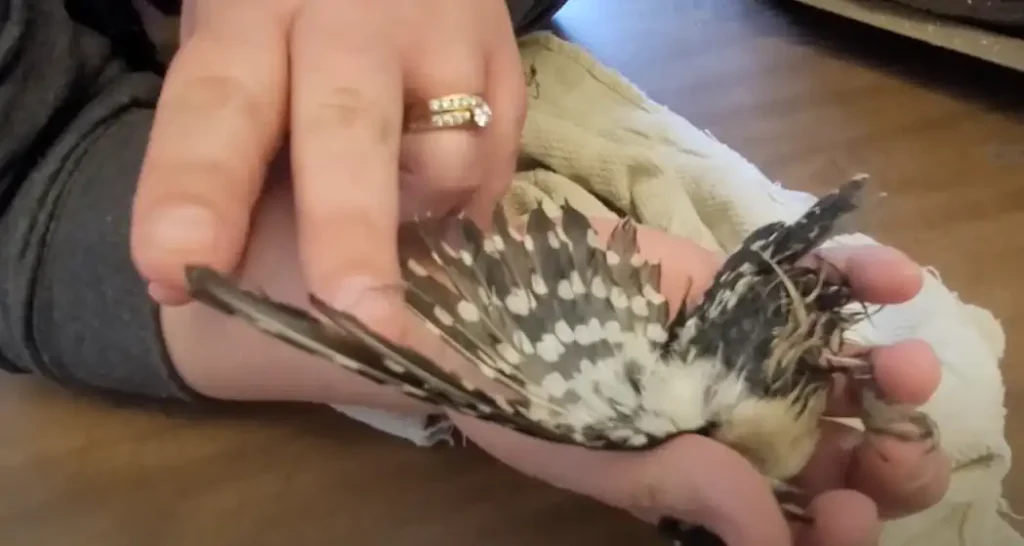
Credit: www.earthofbirds.com
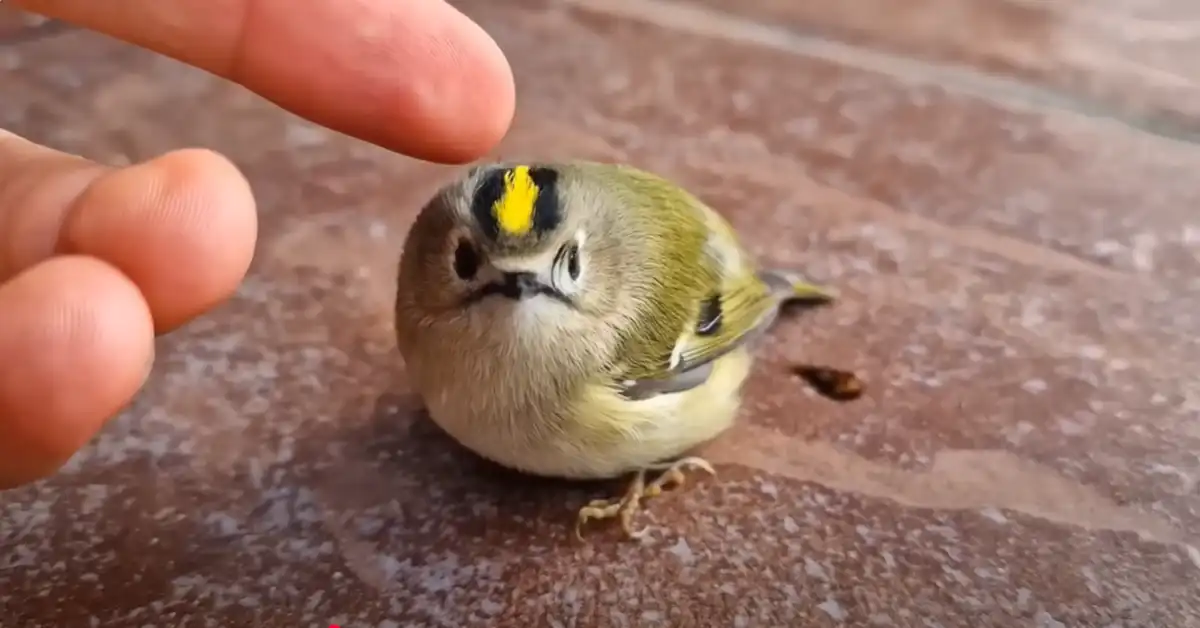
Credit: www.earthofbirds.com
Frequently Asked Questions
How Do I Safely Catch An Injured Bird?
Approach slowly and calmly to avoid stress. Use a towel or cloth to gently cover the bird. Carefully scoop it up, supporting its body. Place the bird in a ventilated, secure box for transport or care.
What Should I Feed An Injured Bird At Home?
Provide fresh water and soft foods like soaked dog kibble or birdseed. Avoid giving bread or milk. Feeding depends on the bird species, so research or consult a wildlife expert for specific diet needs.
When Should I Seek Professional Help For An Injured Bird?
If the bird has bleeding, broken wings, or is unconscious, seek help immediately. Also contact a vet if the bird shows severe distress or no improvement after initial care.
How Do I Create A Safe Recovery Space For The Bird?
Use a quiet, warm, and dark area away from pets and noise. Provide soft bedding like towels or paper towels. Ensure the space is well-ventilated but free from drafts.
Conclusion
Caring for an injured bird at home takes patience and gentle hands. Watch the bird closely and keep it safe and warm. Offer fresh water and soft food in small amounts. Avoid loud noises and sudden movements. Seek help from a wildlife expert as soon as possible.
Your calm care can help the bird heal and feel better. Small steps make a big difference in the bird’s recovery. Remember, kindness and attention are the best tools you have.




