
Have you ever spotted bird droppings on your car and wondered if they could actually harm your paint? You might think it’s just a harmless mess, but what if those tiny spots are silently damaging your car’s look?
Understanding how bird droppings affect your paint can save you time and money on repairs. Keep reading to discover why you shouldn’t ignore those pesky stains and how you can protect your car’s shine before it’s too late.

Credit: paragonmicrofibre.com
How Bird Droppings Affect Car Paint
Bird droppings can cause serious damage to car paint. The effect depends on the droppings’ chemical makeup and how long they stay on the surface. Understanding these factors helps protect your vehicle from costly repairs.
Chemical Composition Of Bird Droppings
Bird droppings contain uric acid, ammonia, and other waste materials. These chemicals are highly corrosive. They can eat away at the car’s paint layers. The mix of acids varies based on the bird’s diet. This variation can increase the damage risk.
Acidity And Paint Damage
The acidity level in bird droppings is very high. Acid breaks down the protective clear coat on paint. Once this layer is damaged, the color coat beneath is exposed. This exposure leads to fading and stains. The paint may become rough and brittle over time.
Time Factor In Paint Corrosion
The longer droppings stay on the paint, the worse the damage. Dry droppings are harder to remove and cause deeper scratches. Rain and sunlight can intensify the corrosive process. Quick cleaning prevents permanent stains and paint erosion.
Types Of Paint Most Vulnerable
Bird droppings can be more than just an eyesore on your car’s surface—they can actually damage the paint. But not all car paints react the same way to these acidic stains. Understanding which types of paint are most vulnerable helps you take better care of your vehicle and avoid costly repairs.
Clear Coat Paints
Clear coat paints are the most common finish on modern cars. They consist of a transparent layer over the colored base, designed to protect and add shine.
Unfortunately, bird droppings can eat through this clear coat if left too long. The acids in the droppings break down the protective layer, causing dull spots or even etching into the paint below.
If you notice bird droppings on a clear-coated car, it’s best to clean it off quickly to avoid permanent damage. Have you ever left a stain too long and seen how it left a mark?
Single Stage Paints
Single stage paints combine color and gloss in one layer, without a separate clear coat. This type is common in older cars and some specialty vehicles.
Because they lack the protective clear coat, single stage paints are more directly exposed to the acids in bird droppings. This makes them prone to fading and staining.
If you own a car with single stage paint, regular washing and prompt cleaning are key. How often do you check your car’s surface for spots that might cause long-term harm?
Matte Finishes
Matte finishes have a flat, non-glossy appearance that many drivers love for its unique look. However, this type of paint is highly sensitive to contaminants like bird droppings.
The acidic nature of droppings can cause discoloration or even remove the matte effect if not cleaned properly. Using harsh cleaners or scrubbing aggressively may also ruin the finish.
For matte finishes, gentle cleaning with specialized products is essential. Do you treat your matte paint differently to keep it looking fresh?
Signs Of Damage Caused By Bird Droppings
Bird droppings can harm your car's paint in many ways. Knowing the signs of damage helps you act fast. Early detection can save your car’s look and value.
Discoloration And Stains
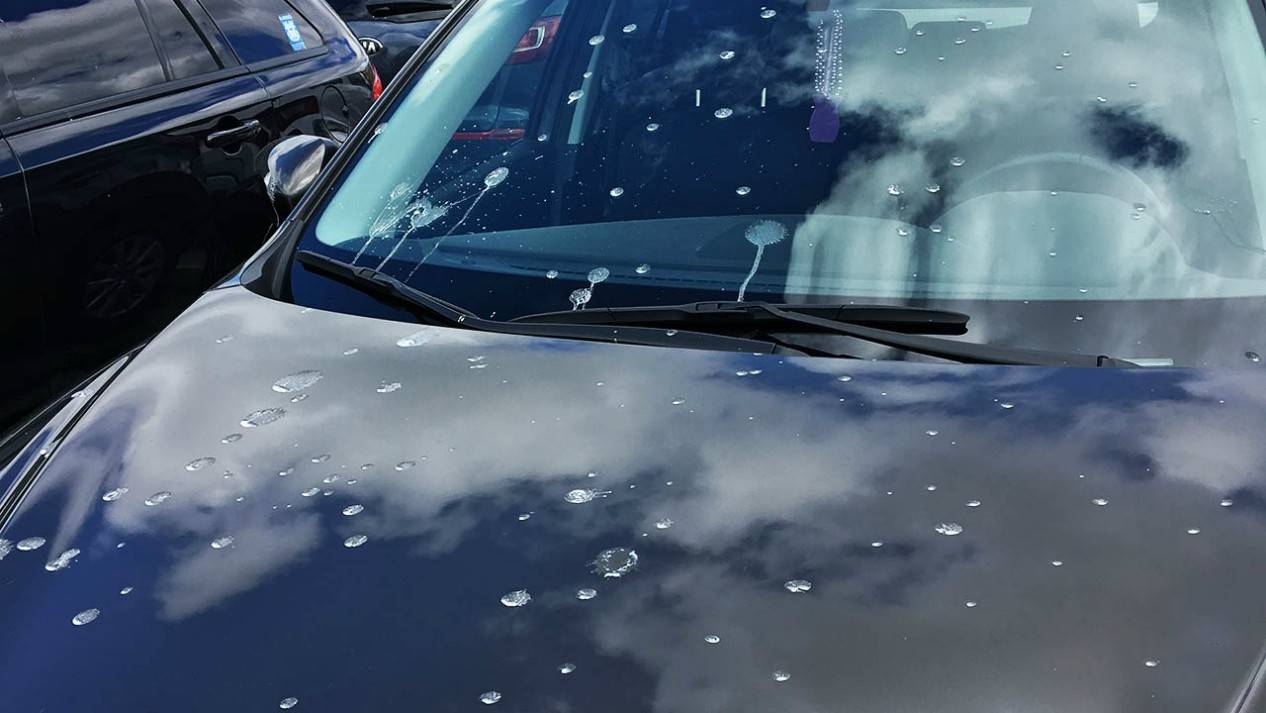
Bird droppings often leave white or yellow stains on paint. These stains do not wash off easily. The acidic nature of droppings causes the paint to change color. This discoloration looks dull and uneven. Stains can become permanent if not cleaned quickly.
Surface Etching
Acids in bird droppings eat into the clear coat of your paint. This causes tiny pits or marks on the surface. Surface etching makes the paint feel rough. It also reduces the shine of your car. Over time, etching can deepen and cause serious damage.
Paint Peeling And Fading
Long exposure to bird droppings can peel the paint layer. The paint may start to bubble or crack. Fading occurs as the paint loses its brightness. Peeling and fading make the car look old and worn out. Repairing this damage can be costly and time-consuming.
Credit: 48detailing.com
Preventing Damage From Bird Droppings
Bird droppings can harm car paint by causing stains and corrosion if left too long. Cleaning droppings quickly helps protect the paint’s surface and shine. Regular washing prevents long-term damage and keeps the car looking new.
Bird droppings can harm your car’s paint. The acidic nature of droppings eats away the surface. Implementing preventive measures can safeguard your vehicle.Immediate Cleaning Techniques
Clean bird droppings quickly to avoid damage. Use a soft cloth and warm water. Gently wipe the area without scrubbing. This prevents scratches on the paint. For stubborn stains, use a mild car cleaner. Keep a cleaning kit in your car for emergencies.Protective Car Covers
Use car covers to shield your vehicle. They provide a physical barrier against droppings. Covers are especially useful if you park under trees. Choose a cover that fits well. Ensure it’s made from durable material. This protects from both droppings and weather.Use Of Paint Sealants And Waxes
Sealants and waxes create a protective layer on the paint. They make it harder for droppings to stick. Apply wax every few months. Use a quality sealant for longer protection. This adds a glossy finish and preserves paint life. `Safe Cleaning Methods
Cleaning bird droppings from car paint needs care and the right approach. Quick action helps stop damage. Using safe cleaning methods protects the paint’s shine and finish. Avoid harsh scrubbing or strong chemicals. Gentle cleaning keeps the car surface smooth and intact.
Tools And Materials Needed
- Soft microfiber cloths
- Car-safe cleaning solution or mild soap
- Bucket of warm water
- Spray bottle (optional)
- Plastic scraper or old credit card
- Car wax or polish (for after cleaning)
Step-by-step Cleaning Process
- Soften the droppings by spraying warm water or covering with a wet cloth.
- Wait a few minutes to let the droppings loosen.
- Gently lift droppings with a plastic scraper or cloth.
- Apply mild soap or car cleaner to a damp cloth.
- Lightly wipe the affected area in small circles.
- Rinse the area with clean water to remove soap residue.
- Dry the spot with a clean microfiber cloth.
- Apply wax or polish to protect the paint surface.
Avoiding Common Mistakes
- Never scrub dry droppings as it may scratch the paint.
- Do not use household cleaners or bleach.
- Avoid abrasive sponges or brushes.
- Do not leave droppings on paint for long periods.
- Do not use high-pressure water directly on droppings.
Long-term Care For Car Paint
Long-term care protects your car’s paint from damage caused by bird droppings and other hazards. Consistent care keeps the paint looking fresh and stops corrosion. The right habits help maintain your vehicle’s appearance and value over time.
Regular Washing And Maintenance
Washing removes harmful substances like bird droppings quickly. Use gentle car soap and soft cloths to avoid scratches. Wash your car at least once every two weeks to keep dirt away. Dry the surface carefully to prevent water spots.
Waxing your car adds a protective layer. It shields paint from acids in bird droppings. Apply wax every three months for the best results. This simple step extends the life of your paint.
Professional Detailing Options
Professional detailing restores paint with expert cleaning and polishing. Detailers remove stains and minor scratches caused by droppings. They apply sealants that offer strong protection against future damage.
Consider detailing once or twice a year to maintain shine. Professionals use tools and products not available to most car owners. This service keeps your car looking new for longer.
Repairing Severe Paint Damage
Severe damage from bird droppings needs prompt repair. Spot painting or clear coat application can fix small areas. For larger damage, repainting might be necessary.
Ignoring damage leads to rust and costly repairs. Consult a paint specialist to assess the damage early. Timely repairs prevent further deterioration and preserve your car’s value.
Credit: www.carmudi.com.ph
Frequently Asked Questions
Does Bird Droppings Damage Car Paint Permanently?
Yes, bird droppings can permanently damage car paint if left too long. Their acidic content eats through clear coats and paint layers, causing stains and corrosion.
How Quickly Should I Clean Bird Droppings Off My Car?
Clean bird droppings within 24 hours to prevent paint damage. The longer droppings stay, the higher the risk of acid burns and paint erosion.
Can Bird Droppings Ruin New Car Paint?
Yes, even new car paint can be ruined by bird droppings. Acidic droppings can quickly eat through protective coatings, leading to costly paint repairs.
What’s The Best Way To Remove Bird Droppings Safely?
Use a soft cloth with water or a gentle car cleaner. Avoid scrubbing harshly to prevent scratches and damage to the paint surface.
Conclusion
Bird droppings can damage your car paint if left too long. The acids in droppings eat through the clear coat and paint layer. Cleaning them quickly helps protect your car’s look. Use water and gentle soap to wash off droppings.
Regular car washing keeps paint healthy and shiny. Taking care of your car paint adds to its value. Keep an eye out and clean spots fast. Your car will stay looking good for years. Small actions make a big difference in paint protection.




