
Are you worried that your beautiful concrete bird bath might crack when winter hits? You’re not alone.
Many gardeners and bird lovers ask the same question every year. The thought of seeing your favorite outdoor decoration damaged by cold weather is frustrating. But don’t let that worry stop you from enjoying your backyard oasis. You’ll discover why concrete bird baths are vulnerable in winter and learn simple steps you can take to protect yours.
Keep reading to make sure your bird bath stays strong and beautiful, no matter how cold it gets.
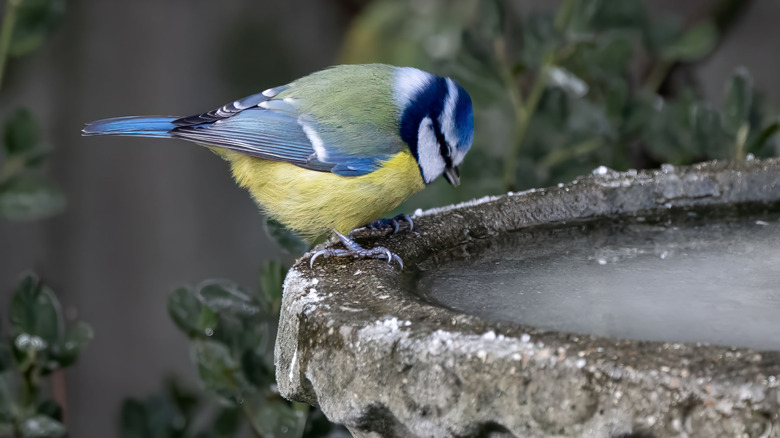
Credit: www.outdoorguide.com
Why Concrete Bird Baths Crack
Concrete bird baths are a beautiful addition to any garden, but you might have noticed cracks appearing during the cold months. Understanding why concrete bird baths crack can help you take better care of them and extend their life. Let’s look at some key reasons behind these cracks and what you can do to protect your bird bath.
Effects Of Freezing Temperatures
Freezing temperatures cause water trapped inside the concrete to freeze and expand. This expansion creates pressure within the tiny pores of the concrete. Over time, this pressure can cause cracks to form and grow.
Have you ever noticed cracks appearing after a harsh winter? That’s the concrete reacting to the freeze-thaw cycle. Repeated freezing and thawing put a lot of stress on the material, weakening it gradually.
Water Expansion Risks
Water is the biggest culprit when it comes to cracking. When water seeps into the bird bath’s surface and freezes, it expands up to 9%. This expansion can cause immediate cracks or worsen existing ones.
Think about leaving your bird bath full of water during winter — you might unintentionally speed up damage. Draining your bird bath before the cold sets in can reduce this risk significantly.
Quality Of Concrete Mix
The mix used to create the concrete bird bath plays a big role in its durability. Poorly mixed concrete with too much water or weak cement can be more porous, allowing more water to penetrate.
Concrete with a well-balanced mix and proper curing is less likely to crack. If you’re buying a bird bath, ask about the quality of the concrete or consider sealing it yourself for extra protection.
Signs Of Damage To Watch For
Concrete bird baths face stress during cold months. It is important to spot damage early. This helps protect your bird bath from worsening issues. Watch for signs that show wear and tear.
Visible Cracks And Chips
Look closely for cracks on the surface. Small cracks can grow larger over time. Chips around the edges also indicate damage. These breaks let water seep inside. Water expands when frozen, making cracks worse.
Surface Discoloration
Check for color changes on the bird bath. Dark or white patches may appear. Discoloration shows moisture has entered the concrete. It also signals the start of damage. This can weaken the material and cause further cracks.
Structural Weakness
Test the bird bath’s firmness. Wobbly or loose parts mean trouble. Crumbling concrete or soft spots signal decay. Structural weakness can lead to breakage. Birds need a safe and stable place to drink.
Preventing Cracks During Winter
Concrete bird baths face stress during winter months. Freezing water expands and contracts inside the concrete. This pressure can cause cracks. Preventing cracks helps keep your bird bath beautiful and functional for years.
Simple care steps reduce damage risk. These steps focus on stopping water from freezing inside the concrete. Protecting the surface also helps. Small efforts make a big difference in winter.
Proper Placement And Location
Place your bird bath where it gets some sun. Sunlight helps melt ice and snow. Avoid areas with constant shade or heavy wind. These conditions keep moisture frozen longer. Keep the bird bath away from tree branches that drop leaves or debris. Debris can trap moisture, increasing freeze risk.
Draining Water Before Frost
Drain all water from the bird bath before cold nights arrive. Standing water inside freezes and expands. Expansion creates pressure inside the concrete. Pressure causes cracks or breaks. Use a sponge or cloth to remove water from crevices. Never leave water sitting during freezing temperatures.
Using Sealants And Protective Coatings
Apply a concrete sealant before winter starts. Sealants create a waterproof barrier on the surface. This barrier stops water from seeping inside. Choose sealants made for outdoor concrete. Follow instructions carefully for best results. Protective coatings also reduce surface damage from frost. Reapply sealants yearly for continued protection.
Maintenance Tips Throughout The Year
Concrete bird baths can crack in winter due to freezing temperatures. To prevent this, regular maintenance throughout the year is essential. Proper care will ensure your bird bath remains in good condition, offering a safe place for birds.
Regular Cleaning Practices
Clean your bird bath regularly to prevent algae and dirt buildup. Use a gentle brush and mild soap. Rinse thoroughly to remove any soap residue. Regular cleaning keeps the water fresh for birds and maintains the concrete’s integrity.
Repairing Minor Damages Early
Inspect your bird bath for small cracks or chips. Repair them promptly to avoid further damage. Use a concrete patch or epoxy to fill minor cracks. Early repairs prevent larger issues during colder months.
Seasonal Inspection Routine
Conduct a thorough inspection of your bird bath each season. Check for signs of wear or damage. Ensure the base is stable and the bowl is intact. Winterize your bird bath by draining it before freezing temperatures arrive.
Alternatives To Concrete Bird Baths
Concrete bird baths can be charming, but their durability in winter is often a concern. If you’re worried about cracking due to freezing temperatures, there are other options that might suit your garden better. These alternatives not only withstand cold weather but can also add unique style and convenience.
Materials More Resistant To Winter
Some materials handle freezing and thawing much better than concrete. Cast stone, for example, mimics the look of concrete but is denser and less porous, making it less likely to crack. Fiberglass is another great choice; it’s lightweight, weather-resistant, and won’t chip or break easily.
Metal bird baths, particularly those made from copper or stainless steel, offer excellent winter durability. They don’t absorb water, so freezing inside the material isn’t a problem. Plus, metal can develop a beautiful patina over time, adding character to your outdoor space.
Portable And Lightweight Options
Do you want the flexibility to bring your bird bath indoors during freezing weather? Lightweight options like plastic or resin are perfect for this. They’re easy to move and won’t crack when handled carefully.
Many portable bird baths come in foldable or stackable designs, making storage simple. This means you can protect your investment by storing it safely during harsh winter months. Have you considered how much easier it is to clean and refill a bird bath you can move around?
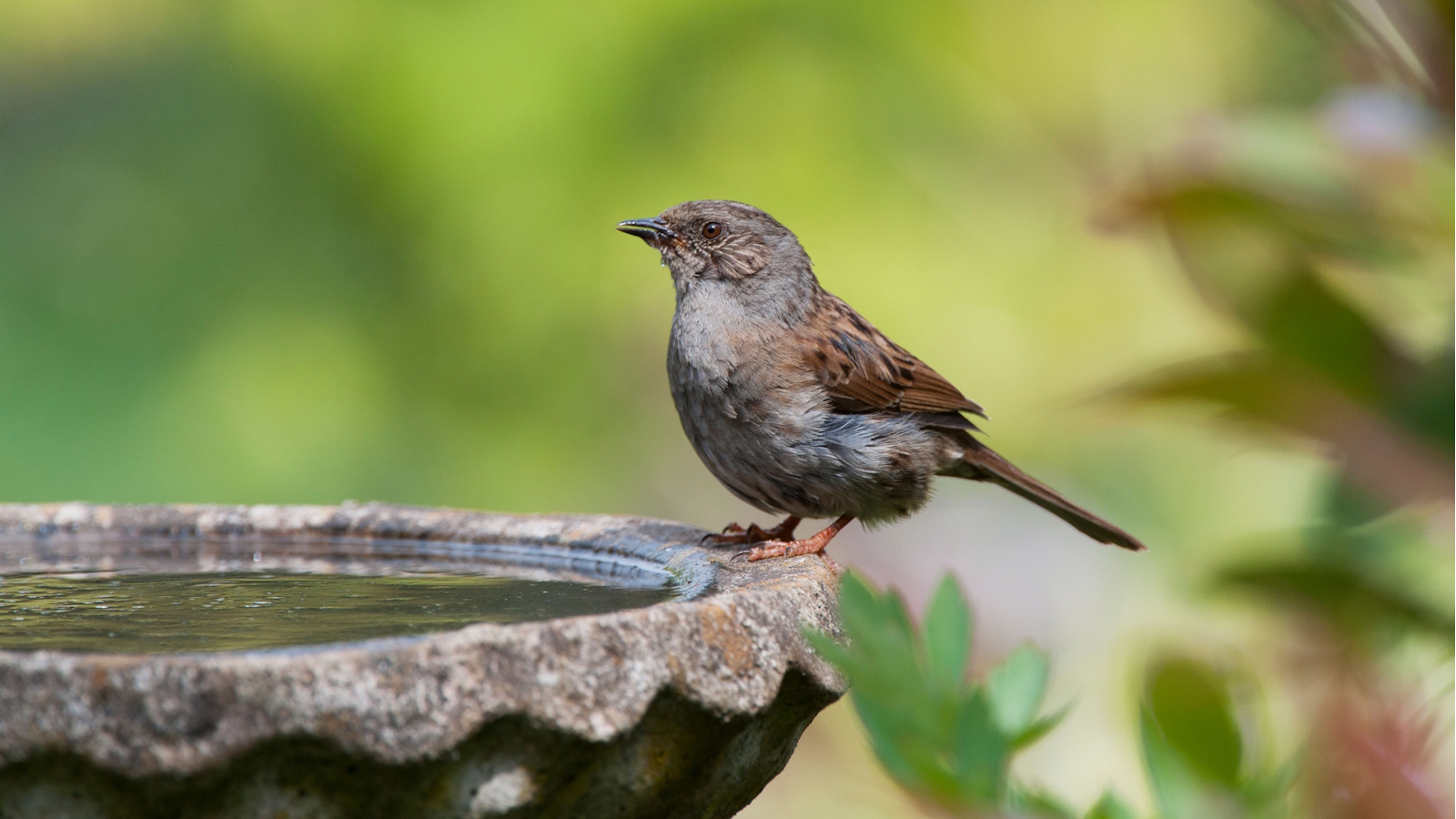
Credit: www.homesandgardens.com

Credit: www.amazon.ca
Frequently Asked Questions
Will Concrete Bird Baths Crack In Freezing Winter?
Concrete bird baths can crack in freezing winter due to water expansion. Water trapped inside freezes and expands, causing cracks. Proper sealing and draining before winter reduces this risk. Using frost-resistant concrete also helps prevent damage during cold weather.
How To Protect Concrete Bird Baths From Winter Damage?
To protect concrete bird baths, drain all water before freezing temperatures. Apply a waterproof sealant to prevent moisture absorption. Store the bird bath indoors or cover it with a tarp during winter. These steps help reduce cracking and prolong its lifespan.
Does Sealing Concrete Bird Baths Prevent Winter Cracks?
Yes, sealing concrete bird baths creates a protective barrier. It reduces water absorption and minimizes freeze-thaw damage. Regular sealing before winter is essential to maintain durability. Use a high-quality, breathable sealant designed for outdoor concrete surfaces.
Can Water Freezing Inside Cause Bird Bath Cracks?
Water freezing inside a bird bath exerts pressure on concrete. This pressure causes cracks or breaks over time. Emptying water before freezing temperatures prevents this damage. Regular maintenance is key to keeping the bird bath intact through winter.
Conclusion
Concrete bird baths can crack in winter if left outside without care. Water inside freezes and expands, causing damage. To protect your bird bath, drain all water before cold weather. Cover it or move it indoors during freezing temperatures. Regular maintenance helps keep your bird bath strong and safe.
Enjoy your garden feature year after year by taking these simple steps. A little care goes a long way in preventing cracks. Keep your bird bath beautiful and ready for spring.




