
Have you ever wished you had eyes all around your car, helping you see every angle with ease? That’s exactly what birds eye view cameras do.
They give you a complete picture from above, making parking and driving safer and stress-free. But how do these clever cameras actually work? Keep reading, and you’ll discover the smart technology behind this amazing feature—and how it can change the way you drive forever.
Basics Of Birds Eye View Cameras
Understanding the basics of Birds Eye View Cameras is essential if you want to enhance your driving experience and safety. These cameras give you a unique, top-down look at your vehicle’s surroundings, helping you avoid blind spots and tricky parking situations. Let’s break down what these cameras really are and the key parts that make them work.
What Birds Eye View Cameras Are
Birds Eye View Cameras create a 360-degree view around your car by combining images from several cameras placed on your vehicle. This stitched image looks like you’re watching from above, showing everything close to your car in one clear picture.
This system improves your awareness and reduces the chance of accidents, especially in tight spaces. Have you ever struggled to park in a crowded lot? These cameras can be a game-changer.
Key Components Involved
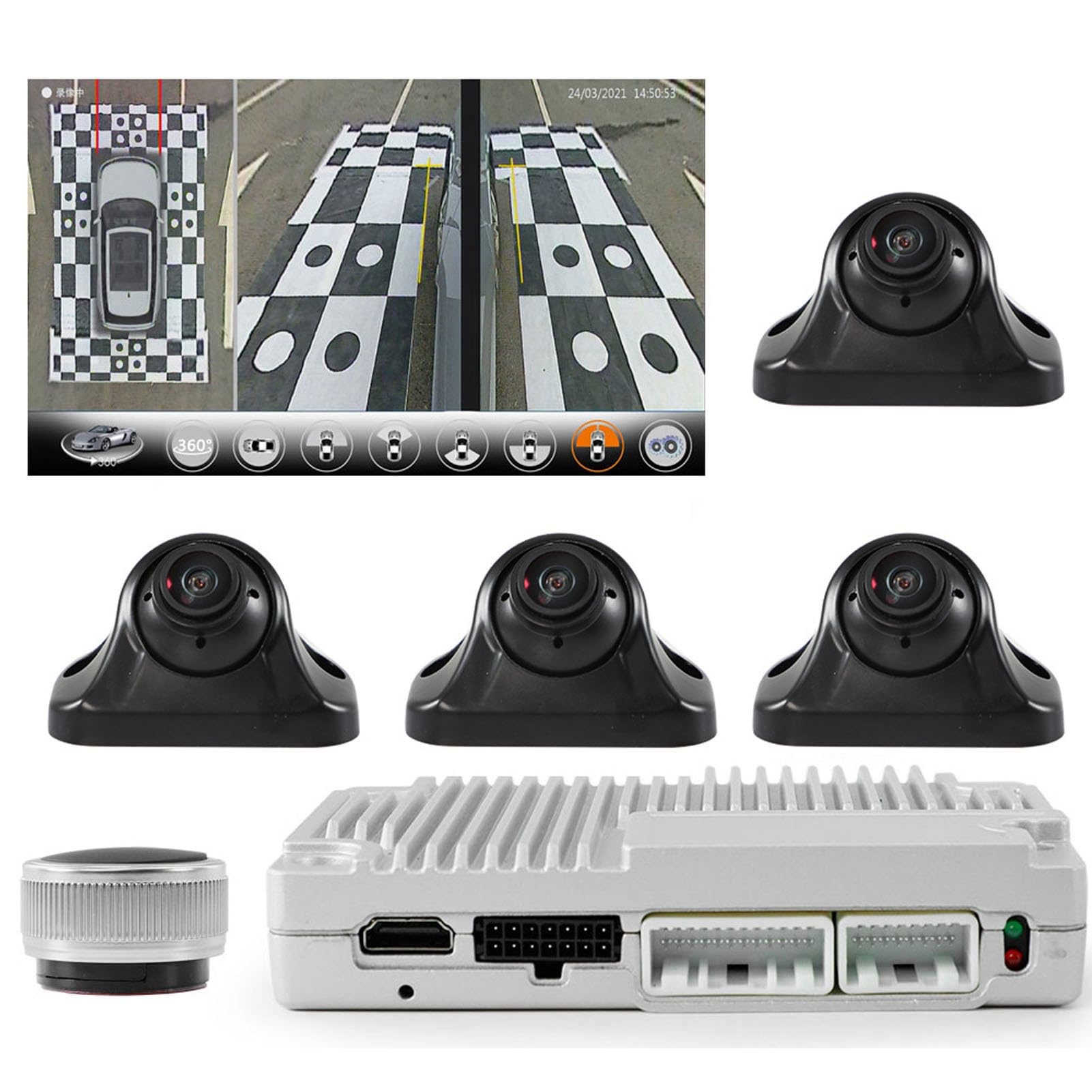
The main parts of a Birds Eye View Camera system include:
- Cameras:Usually four wide-angle cameras are placed at the front, rear, and sides of the vehicle. They capture images from all around the car.
- Image Processing Unit:This is the brain of the system. It combines the camera feeds into a single, seamless 360-degree image.
- Display Screen:Inside your car, this screen shows the combined view, often integrated with your infotainment system.
- Sensors and Software:These help correct distortions and align images properly so the final view looks natural and accurate.
Each part must work perfectly together. Imagine if one camera is blocked or dirty—would the system still give you a reliable view? Regular maintenance is key to keeping your Birds Eye View system effective.
How 360° Vision Is Created
Creating a 360° view in birds eye view cameras involves combining images from several cameras. This process helps drivers see all around their vehicle. It improves safety by reducing blind spots and making parking easier. The technology uses multiple cameras and software to deliver a seamless top-down image.
Role Of Multiple Cameras
Multiple cameras are placed around the vehicle. Usually, one is on the front, back, and sides. Each camera captures a wide-angle view of its area. The cameras work together to cover every angle around the car. This setup ensures no blind spots remain. The images from these cameras feed into a central system.
Image Stitching Process
The system uses software to combine the camera images. This process is called image stitching. It joins the pictures smoothly to form one big image. The software adjusts for differences in angle and lighting. It also corrects distortion from the wide lenses. The final image looks like a bird’s eye view from above the car.
Technology Behind The System
The technology behind birds eye view cameras is a fascinating blend of hardware and software working seamlessly together to give you a complete picture around your vehicle. This system doesn’t just rely on a single camera but combines inputs from multiple sensors, then processes them instantly to create a smooth, continuous image. Understanding this technology helps you appreciate how these cameras enhance safety and convenience during driving.
Sensors And Software Integration
At the core, birds eye view systems use several wide-angle cameras placed strategically around your vehicle—usually at the front, rear, and sides. These cameras capture overlapping images that cover every blind spot. The real magic happens when software stitches these images together, making sure they align perfectly.
Software integration is crucial because it corrects distortions from each camera’s wide-angle lens. It also adjusts for different lighting conditions, so the final image stays clear whether it’s bright sunlight or dusk. Have you noticed how these systems adjust instantly as you turn the steering wheel? That’s the software constantly recalculating the view to match your car’s position.
Real-time Image Processing
Real-time image processing is what makes the birds eye view camera system feel so responsive. The system uses powerful processors to analyze and merge camera feeds within milliseconds. This quick processing means you get a live, 360-degree view without delay—essential when maneuvering in tight spaces.
Besides merging images, the software also overlays helpful graphics like parking lines and obstacle warnings directly onto the display. These visual aids guide your movements precisely. Have you ever wondered how the system detects objects or alerts you about nearby hazards? It’s all part of this real-time processing that interprets sensor data instantly.
Benefits Of Birds Eye View Cameras
Birds Eye View Cameras offer many benefits for drivers. They provide a clear, complete view around the vehicle. This technology reduces blind spots and helps avoid accidents. It also makes daily driving tasks easier and less stressful.
Enhanced Parking Assistance
These cameras show a 360-degree view of the vehicle. Drivers can see obstacles around the car while parking. Tight parking spaces become easier to navigate. The system helps align the car perfectly within parking lines. It reduces the risk of hitting other cars or objects. This feature saves time and avoids costly repairs.
Improved Safety And Awareness
Birds Eye View Cameras increase driver awareness of surroundings. They reveal pedestrians, cyclists, or animals near the vehicle. The wide view helps spot hidden dangers quickly. Drivers can make safer decisions on the road. This technology lowers the chance of collisions. It supports safer driving in busy or narrow areas.
Common Applications
Birds Eye View cameras are more than just a cool gadget on your vehicle. They serve practical purposes across various fields, helping users gain a comprehensive perspective that isn’t possible with standard cameras. Understanding where these systems are commonly applied can give you ideas on how they might improve your own daily tasks or safety measures.
Use In Automobiles
In the automotive world, Birds Eye View cameras are a game-changer for parking and maneuvering tight spaces. These systems combine images from multiple cameras placed around your vehicle to create a single overhead view.
This helps you see obstacles that might be hidden from your direct line of sight. You can easily avoid curbs, pedestrians, and other vehicles, reducing the risk of accidents and damage.
Have you ever struggled to park in a crowded lot? This technology can make those moments less stressful and more precise.
Industrial And Security Uses
Outside of cars, Birds Eye View cameras find important roles in industrial settings and security. In warehouses, they help monitor large areas, improving safety by spotting hazards or unauthorized access quickly.
Security teams use these cameras to get a clear overview of public spaces or private properties. This wide perspective allows for better crowd control and faster response to incidents.
Think about how challenging it is to oversee a busy factory floor or a large event. Birds Eye View cameras give you the eyes you need to stay alert and in control.
Credit: luview.com
Installation And Calibration
Bird’s Eye View Cameras offer a comprehensive view around a vehicle. They enhance safety and parking ease. Proper installation and calibration are crucial for optimal performance. This ensures accurate and reliable views.
Camera Placement Tips
Strategic camera placement is key. Place cameras at the vehicle’s front, rear, and sides. Ensure each camera is securely mounted. This prevents vibrations that might distort images.
Avoid placing cameras too low. This reduces the risk of damage and helps capture a wider view. Test each camera angle to ensure no blind spots exist.
Calibration For Accurate Views
Calibrating cameras ensures precise and aligned views. Start by turning on the calibration mode. Follow the on-screen instructions for guidance.
Align camera views to create a seamless image. Adjust settings for clarity and brightness. This helps in various lighting conditions.
Test the system in a safe environment. Verify that the stitched image is accurate. Make necessary adjustments for any discrepancies.
Limitations And Challenges
Birds eye view cameras can struggle with image distortion and blind spots. Weather conditions like rain or fog may reduce visibility and accuracy. Installation complexity and calibration are also common challenges to consider.
Birds eye view cameras offer a remarkable perspective, transforming how we perceive our surroundings. However, like any technology, they come with their own set of limitations and challenges. Understanding these can help you make better use of these innovative tools and anticipate potential hiccups.Environmental Factors
Weather conditions can significantly affect the performance of birds eye view cameras. Rain, fog, or snow can obscure the camera’s view, leading to less accurate visuals. Imagine trying to capture a clear picture through a fogged-up window; the experience with these cameras can be quite similar. Lighting is another crucial factor. Low-light conditions, such as dusk or dawn, may not provide enough illumination for the camera to capture a clear image. Even with advanced night vision capabilities, there’s always a limit to how much detail can be captured without natural light.Technical Constraints
Resolution limitations can impact the quality of the image you see. While many cameras offer high-definition views, the level of detail can still fall short, especially when zooming in on specific objects. It’s like trying to read a book with tiny print — sometimes, the details just aren’t clear enough. Lag time can be another issue. There’s often a slight delay between the real-time action and what you see on the screen. This can be particularly challenging in dynamic situations where every second counts. Integration with other systems may not always be seamless. Birds eye view cameras often need to work in conjunction with other technology, such as GPS or vehicle sensors. Ensuring these systems communicate effectively can sometimes be a complex task. How would you feel if your tools didn’t quite speak the same language?
Credit: www.rearviewsafety.com
Future Developments
The future of Birds Eye View cameras is shaping up to be more exciting than ever. As technology advances, these systems will become smarter, clearer, and more integrated with your vehicle’s overall safety features. This means better support for drivers and a smoother driving experience ahead.
Advancements In Camera Technology
Camera sensors are getting sharper and more sensitive, capturing clearer images even in low light or bad weather. This improvement helps you see your surroundings more accurately, reducing blind spots significantly.
New lens designs and image processing software will offer wider viewing angles without distortion. Imagine parking in tight spots with a crystal-clear, distortion-free view of every obstacle around your car.
Have you ever struggled to see curbs or small objects near your wheels? Future cameras may include 3D imaging to give you depth perception, helping you judge distances better than ever before.
Integration With Autonomous Systems
Birds Eye View cameras will not just show you the environment—they’ll work hand-in-hand with self-driving features. This integration allows your car to make safer decisions by combining camera data with radar and lidar inputs.
For instance, your vehicle could automatically adjust its path during parking or emergency maneuvers, guided by the real-time 360-degree view. This reduces the chances of accidents caused by human error.
Would you trust your car more if it could ‘see’ everything around it and react instantly? The merging of Birds Eye View cameras with autonomous tech aims to make driving safer and less stressful for you.
Credit: www.amazon.com.be
Frequently Asked Questions
What Is A Birds Eye View Camera System?
A birds eye view camera system uses multiple cameras around a vehicle. It stitches images to create a 360-degree top-down view. This helps drivers see all surroundings clearly, improving parking and maneuvering safety.
How Do Birds Eye View Cameras Enhance Driving Safety?
These cameras eliminate blind spots by providing a complete overhead view. They help detect obstacles, pedestrians, and other vehicles. This reduces collisions and improves driver awareness in tight spaces.
What Technology Powers Birds Eye View Camera Systems?
Birds eye cameras rely on fisheye lenses and image stitching software. The software merges video feeds into one seamless panoramic image. Advanced sensors and processors ensure real-time, accurate visuals for the driver.
Can Birds Eye View Cameras Work In Low Light?
Yes, most systems use infrared or night vision technology. This allows clear imaging in darkness or poor lighting. Enhanced visibility helps maintain safety during nighttime driving or parking.
Conclusion
Birds eye view cameras show a clear view around your vehicle. They use multiple cameras to create one full image. This helps drivers see blind spots and tight spaces. Parking becomes easier and safer with this technology. Many new cars come with these cameras today.
Understanding how they work can help you drive better. Such systems add confidence on the road. They keep both drivers and pedestrians safer. Overall, birds eye view cameras improve daily driving experience.




