
Have you ever wondered how a birds eye view camera shows you a complete picture of your car’s surroundings? Imagine being able to see everything around your vehicle without turning your head.
This technology can make parking and driving in tight spots much safer and easier for you. You’ll discover exactly how a birds eye view camera works and why it’s becoming a must-have feature for drivers like you. Keep reading to unlock the secrets behind this clever system that gives you eyes all around your car.
Birds Eye View Camera Basics
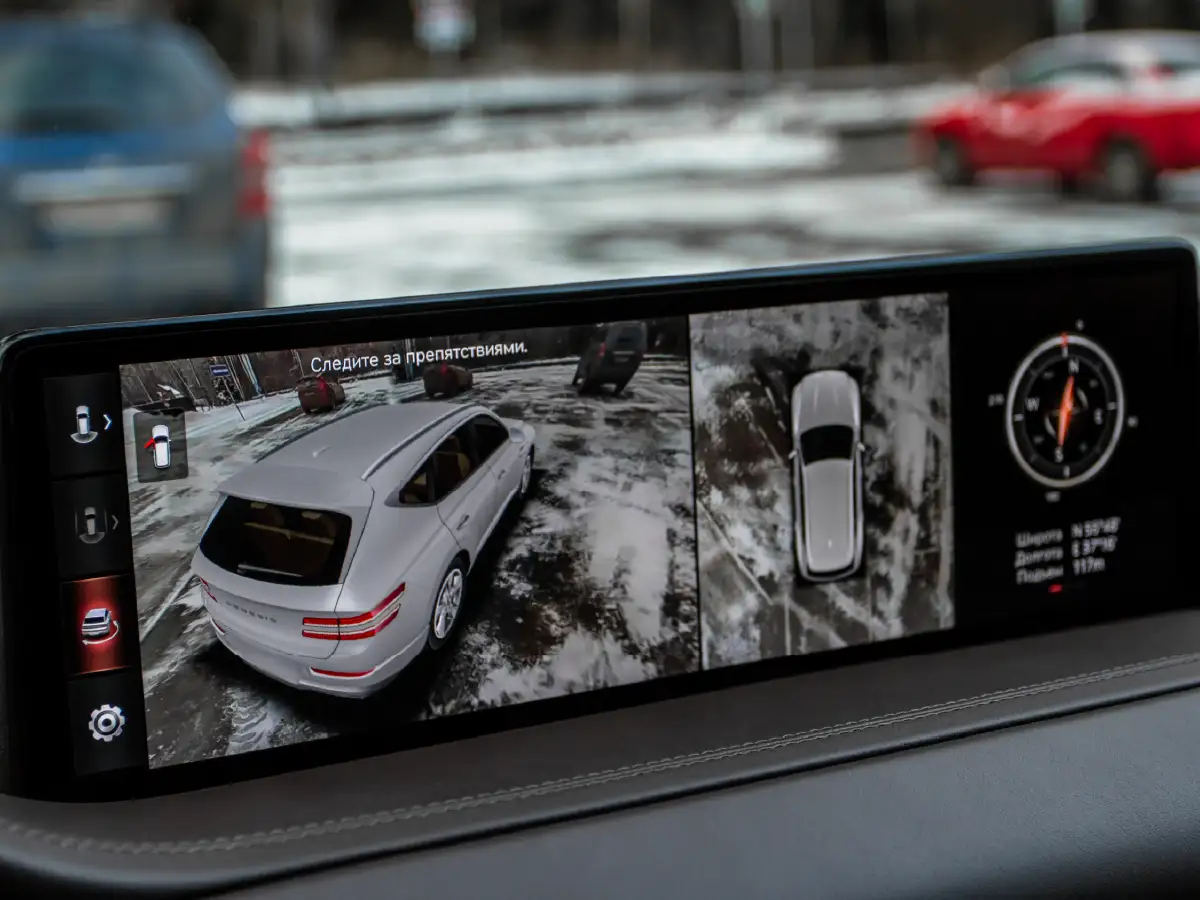
A birds eye view camera gives drivers a full view around their vehicle. It helps avoid blind spots and makes parking easier. The system combines images from several cameras to create one clear picture from above. Understanding the basics helps explain how this technology works.
Core Components
The system uses multiple cameras, a processing unit, and a display screen. Each camera captures a different angle around the vehicle. The processing unit merges these images. The screen shows the combined view in real time. This setup provides a seamless overhead perspective.
Camera Placement
Cameras are placed at key points on the vehicle. Common spots include the front grille, side mirrors, and rear bumper. These locations cover all sides of the car. Proper placement ensures no area is left unseen. Each camera captures wide-angle views to cover blind spots.
Image Stitching
Image stitching blends pictures from all cameras into one image. The system uses software to align edges and adjust colors. It removes overlaps and creates a smooth, continuous view. This process happens instantly to keep the display updated. The result is a clear, bird’s eye image of the vehicle surroundings.

Credit: www.man.eu
Technology Behind The Camera
The technology behind a birds eye view camera combines advanced hardware and smart software. This system gives drivers a complete view around their vehicle. It uses several cameras and processes their images to create a single, clear overhead picture. This helps with parking, avoiding obstacles, and enhancing safety.
Wide-angle Lenses
Wide-angle lenses capture a broad area around the vehicle. Each camera covers a different side, such as front, rear, or sides. These lenses have a large field of view, often up to 180 degrees. They allow the camera to see more than a normal lens. This wide vision is crucial to stitch images together seamlessly.
Software Algorithms
Software algorithms play a key role in combining images. They correct distortions caused by wide-angle lenses. These algorithms align multiple images to form one smooth, top-down view. They also remove overlaps and blind spots. The software ensures the final image looks natural and accurate.
Real-time Processing
Real-time processing allows instant image creation. The system quickly processes camera inputs without delay. This speed is essential for safe driving and parking. Drivers see live footage, reflecting current surroundings. Real-time updates help avoid collisions and improve vehicle control.
Installation Process
Installing a birds eye view camera system requires care and precision. Each step ensures clear and accurate visuals around the vehicle. Proper installation helps avoid blind spots and enhances safety during driving.
Choosing The Right Camera
Select cameras that fit your vehicle type. Look for wide-angle lenses for better coverage. Waterproof and dustproof features increase durability. Check compatibility with your vehicle’s electrical system. Quality matters more than price in this case.
Mounting Techniques
Place cameras at key points: front, rear, and sides. Secure them firmly to avoid vibration. Use brackets or adhesive pads designed for cameras. Ensure lenses are free from obstructions. Position cameras to capture a clear, wide view around the vehicle.
Calibration Steps
Calibration aligns all camera images into one view. Follow the manufacturer’s guide carefully. Usually, this involves placing markers around the vehicle. Use the car’s display system to adjust angles and stitching. Test the system by observing the combined image for accuracy.
Applications In Vehicles
Birds eye view cameras have become a popular feature in many modern vehicles. They provide a comprehensive view of the area surrounding your car, enhancing your driving experience. Understanding their applications can help you see why this technology is more than just a cool gadget.
Parking Assistance
One of the main uses of birds eye view cameras is to make parking easier. Instead of guessing how close you are to obstacles, you get a clear, top-down view of your vehicle and its surroundings.
This helps you avoid scraping the curb or bumping into other cars. Have you ever struggled to parallel park in a tight spot? A birds eye camera can turn that challenge into a smooth maneuver.
Safety Enhancements
Safety improves significantly with a birds eye view camera. It reduces blind spots by showing areas you can’t see through mirrors alone.
Parents appreciate this feature when backing out of driveways near children or pets. It makes you more aware of pedestrians and cyclists, cutting down the risk of accidents.
Off-road Navigation
For those who enjoy off-road adventures, these cameras offer great support. They provide a clear image of obstacles like rocks, ditches, or low branches that could damage your vehicle.
Seeing the terrain from above helps you choose the best path and avoid getting stuck. Have you ever wished for extra eyes when tackling rough trails? This technology acts like an extra pair of eyes, guiding you safely through challenging landscapes.
Advantages Over Traditional Cameras
In the realm of automotive technology, the bird’s eye view camera stands out for its impressive advantages over traditional cameras. By offering a complete 360-degree perspective around your vehicle, it transforms your driving and parking experience. Let’s dive into some specific benefits this technology offers.
360-degree Visibility
Imagine having eyes all around your vehicle. That’s exactly what the bird’s eye view camera delivers. Unlike traditional cameras which offer limited angles, this system stitches together images from multiple cameras placed around the car to create a cohesive overhead view.
It’s like having a drone hovering above your car, showing every detail. Whether you’re navigating through tight spaces or simply curious about your surroundings, this feature provides unmatched situational awareness.
Blind Spot Reduction
We’ve all been there—turning your head just enough to catch a glimpse of a blind spot. With a bird’s eye view camera, blind spots become a thing of the past. The comprehensive coverage means you’re less likely to miss any obstacles or pedestrians hiding in those tricky areas.
How many times have you wished for an extra set of eyes while changing lanes? This technology gives you that confidence boost. It significantly reduces the stress and guesswork involved in ensuring a clear path before making a move.
Improved Maneuvering
Parking can often feel like threading a needle, especially in crowded areas. The bird’s eye view camera makes maneuvering into tight spots much easier. With clear visual guidance, you can park with precision and ease.
Have you ever wondered how some drivers seem to parallel park effortlessly? It’s likely they’re aided by this advanced camera system. With visual cues that guide your every move, parking becomes a breeze, not a chore.
Embracing this technology isn’t just about convenience; it’s about enhancing safety and confidence on the road. How might your driving experience change with a bird’s eye view camera? It could redefine what you expect from your vehicle’s safety features.
Common Challenges
Birds eye view cameras provide a wide view around vehicles, making parking and driving safer. Despite their benefits, these cameras face several common challenges. These issues affect the quality and reliability of the images they produce. Understanding these challenges helps users get the best from their systems.
Image Distortion
Birds eye view cameras often use wide-angle lenses. These lenses create a panoramic view but can cause image distortion. Objects near the edges may look stretched or curved. This distortion can confuse drivers about distances and shapes. Software tries to correct these effects, but some distortion may remain.
Lighting Conditions
Lighting plays a key role in camera performance. Bright sunlight can cause glare and washed-out images. Low light or night conditions reduce visibility and detail. Shadows may hide obstacles or create false shapes. Cameras with good sensors and night vision features perform better in tough lighting.
Maintenance Tips
- Keep the camera lenses clean and free of dirt or water spots.
- Check the camera alignment regularly to avoid skewed views.
- Protect the camera from extreme weather and physical damage.
- Update the camera software to improve image processing.
Future Developments
Future developments may include higher-resolution cameras and improved software for clearer, more accurate 360-degree views. Advances could also bring better integration with vehicle sensors for enhanced safety.
In the world of automotive technology, bird’s eye view cameras are evolving. Future developments promise to enhance their utility and performance. These advancements will make driving safer and more intuitive.Ai Integration
AI integration is set to redefine camera functionality. AI can analyze real-time data swiftly. This helps in identifying obstacles and predicting movements. With AI, cameras can offer personalized driving assistance. This reduces human error significantly.Higher Resolution Imaging
Higher resolution imaging is on the horizon. Clearer images mean better visibility and detail. Drivers can see surroundings more precisely. This aids in making informed decisions quickly. Enhanced clarity improves overall safety and comfort.Enhanced User Interfaces
Enhanced user interfaces will make systems more user-friendly. Simple controls and intuitive displays are key. Drivers can interact with systems effortlessly. This ensures less distraction and more focus on the road. User interfaces will cater to diverse needs and preferences.
Credit: www.man.eu
Credit: www.cars24.com
Frequently Asked Questions
How Does A Birds Eye View Camera System Function?
A birds eye view camera uses multiple cameras around a vehicle. It stitches images to create a 360-degree overhead view. This helps drivers see surroundings clearly and avoid obstacles while parking or driving in tight spaces.
What Are The Main Components Of Birds Eye View Cameras?
The system includes four wide-angle cameras, image processing software, and a display screen. Cameras capture images from front, rear, and sides. Software merges images into one seamless top-down view shown on the display.
How Do Birds Eye View Cameras Improve Driving Safety?
They eliminate blind spots by providing a full overhead view. Drivers can spot nearby objects, pedestrians, or vehicles easily. This reduces the risk of collisions during parking and low-speed maneuvers, enhancing overall safety.
Can Birds Eye View Cameras Work In Low Light?
Yes, many systems use infrared or low-light cameras. These cameras capture clear images in dim or nighttime conditions. The image processing adjusts brightness for better visibility, ensuring safety regardless of lighting.
Conclusion
A birds eye view camera shows the area around a vehicle clearly. It uses several cameras to create one big picture. This view helps drivers park and avoid obstacles easily. It makes driving safer and less stressful. Many cars now include this helpful feature.
Understanding how it works can improve your driving experience. Simple technology with big benefits. A smart tool for better road safety.




