
Have you ever wondered if the bird bath you choose is truly safe for your feathered visitors? When it comes to resin bird baths, many people ask the same question: Are they really safe for birds?
You want to provide a welcoming spot where birds can drink and bathe without any harm. But with so many materials on the market, it’s easy to feel uncertain. This article will clear up the confusion and help you make the best choice for your backyard friends.
Keep reading to discover what makes resin bird baths a smart or risky option for your birds.
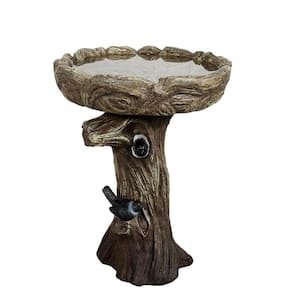
Credit: www.homedepot.com
Benefits Of Resin Bird Baths
Resin bird baths offer a range of benefits that make them a popular choice for bird lovers. They combine practicality with aesthetics, allowing you to create a welcoming space for birds without much hassle. If you want a bird bath that lasts and looks great, resin could be the perfect material for your garden.
Durability And Weather Resistance
Resin bird baths are tough. They resist cracks and chips better than many traditional materials like ceramic or stone.
This means they handle freezing winters and hot summers without damage. You won’t have to worry about replacing your bird bath after a harsh season.
Have you noticed how some bird baths fade or break over time? Resin keeps its shape and color, making it a reliable option for outdoor use.
Lightweight And Easy To Move
Unlike heavy stone or concrete bird baths, resin ones are lightweight. You can move them around your garden with ease.
This flexibility lets you place the bath in different spots depending on where the birds visit most or where the sun hits just right.
Moving your bird bath is also helpful for cleaning and refilling. You won’t strain yourself lifting it, which makes maintaining it simpler.
Variety Of Designs And Colors
Resin allows for a wide range of styles and vibrant colors. Whether you want a classic look or something modern, resin can deliver.
You can find resin bird baths shaped like leaves, flowers, or even animals, adding personality to your outdoor space.
Choosing a design that fits your garden’s vibe makes watching birds even more enjoyable. What style would attract the most feathered friends to your yard?

Credit: www.mirror.co.uk
Potential Risks To Birds
Resin bird baths are popular for their durability and design. Yet, some risks could affect birds using them. Understanding these risks helps keep birds safe and healthy.
Chemical Composition Concerns
Resin may contain chemicals that harm birds. Some resins release toxins over time. Birds can absorb these toxins through water or skin contact. Choose resin bird baths labeled as non-toxic and safe for wildlife. Avoid products with strong chemical smells or unknown ingredients.
Heat Retention And Temperature Effects
Resin absorbs and holds heat faster than natural materials. On hot days, the bird bath surface can become very warm. This heat may stress birds or cause burns on their feet. Place resin baths in shaded areas to reduce heat build-up. Check the water temperature before birds drink or bathe.
Surface Texture And Bird Safety
Smooth resin surfaces can be slippery for birds. Wet resin may cause birds to lose grip and fall. Birds need a stable and rough surface to stand safely. Some resin baths add texture to improve grip. Look for bird baths with a non-slip surface or add small stones for traction.
Choosing Safe Resin Bird Baths
Choosing a safe resin bird bath means thinking beyond just looks. Your feathered visitors rely on you for a clean, secure spot to drink and bathe. Picking the right materials and design helps keep them healthy and happy.
Non-toxic Materials To Look For
Not all resin is created equal. Look for bird baths made from BPA-free and phthalate-free resin to avoid harmful chemicals. Some resins use additives that can leach toxins into the water, which can harm birds over time.
Check product labels or ask the seller about the resin’s safety certifications. If you’ve ever had a bird avoid a certain water source, it might be reacting to unpleasant chemicals. Would you drink from a container you suspected was unsafe? Birds feel the same way.
Uv Protection And Fading Resistance
Bird baths sit outside, facing sun exposure day after day. Resin that lacks UV protection can fade, crack, or degrade, releasing particles into the water. UV-resistant resin keeps the bath durable and safe for longer.
Ask if the resin includes UV stabilizers or coatings. A color that stays vibrant isn’t just pretty—it signals a stable surface free from harmful breakdown. How would you feel if your bird bath looked worn out and unsafe after just one season?
Proper Size And Depth For Birds
Size matters more than you might think. A bird bath should be shallow enough to prevent drowning but large enough to invite multiple birds at once. Depths between 1 to 2 inches work well for most small birds.
Also, consider the surface texture. A slightly rough bottom gives birds better footing. Have you noticed birds avoid slippery or deep water spots? Choosing the right size and depth encourages frequent visits and safe bathing.
Maintaining Resin Bird Baths
Maintaining your resin bird bath is key to keeping it safe and inviting for birds. A well-kept bath ensures clean water and prevents the growth of harmful substances. Your simple care routine can make a big difference in how often birds visit and how healthy they stay.
Regular Cleaning Practices
Cleaning your resin bird bath regularly stops dirt and bacteria from building up. Use a soft brush or cloth with mild soap and warm water to scrub the surface gently. Avoid harsh chemicals that could harm the birds or damage the resin.
Rinse thoroughly to remove all soap residue before refilling the bath. How often you clean depends on the weather and how many birds visit, but aim for at least once a week. If you notice cloudy water or debris, clean it immediately to keep the water fresh.
Preventing Mold And Algae Growth
Mold and algae thrive in moist environments, so keeping your bird bath dry when not in use helps. Change the water frequently and position the bath where it gets some sunlight, which naturally limits growth.
If algae appear, use a mixture of water and white vinegar to scrub the affected areas. This natural solution is safe for birds and effective at controlling algae without chemicals. Do you check your bird bath daily to catch these problems early?
Seasonal Care Tips
Seasonal changes affect your resin bird bath differently. In hot summer months, refill the bath more often to prevent water from evaporating and becoming stagnant. During winter, if you live in a freezing climate, consider storing the bath indoors to prevent cracking.
Inspect your bath for any damage after harsh weather. Small cracks can trap water and create unsafe conditions for birds. Taking these steps ensures your resin bird bath lasts longer and remains a safe haven for your feathered friends.
Comparing Resin To Other Materials
Choosing the right material for a bird bath can affect not only the safety of the birds but also the ease of maintenance and durability. Resin has become popular, but it’s important to see how it stacks up against other common materials. Understanding these differences helps you decide what fits your garden and keeps your feathered visitors safe.
Ceramic And Stone Alternatives
Ceramic bird baths offer a natural look and can hold water well without leaking. However, they tend to be heavy and fragile, making them prone to cracks or breaks if knocked over. Stone baths, on the other hand, are very durable and stable but can be expensive and hard to move around your yard.
Both ceramic and stone retain heat from the sun, which might warm the water more than birds prefer. Have you noticed birds avoiding baths that get too warm? This is a key factor when considering these materials.
Metal And Plastic Options
Metal bird baths are sturdy and often stylish, but metals like aluminum or steel can heat up quickly under the sun, potentially harming birds. Some metals may also rust, affecting water quality. Plastic baths are lightweight and affordable, but lower-quality plastics can degrade in sunlight, releasing harmful chemicals.
Choosing BPA-free, UV-resistant plastic can reduce risks. Think about how your local climate might affect these materials over time—does your garden get harsh sun or heavy rain?
Environmental Impact Considerations
Resin is a synthetic material, often made from plastics that don’t break down easily. While durable, resin baths might not be the best choice if you aim for an eco-friendly garden. Stone and ceramic are natural and more biodegradable, but their production can have a bigger carbon footprint due to mining and firing processes.
Metal can be recycled, but mining and processing metals also impact the environment. When selecting a bird bath, ask yourself: How important is sustainability to you? Can you balance your garden’s needs with environmental responsibility?

Credit: www.amazon.com
Frequently Asked Questions
Are Resin Bird Baths Safe For All Bird Species?
Resin bird baths are generally safe for most bird species. They are non-toxic and durable, providing a stable environment for birds to drink and bathe. However, always ensure the bird bath is clean and free from harmful chemicals to keep birds healthy.
How Does Resin Compare To Other Bird Bath Materials?
Resin is lightweight, weather-resistant, and less prone to cracking compared to ceramic or concrete. It does not absorb water, reducing algae growth. Its smooth surface is gentle on birds’ feet, making it a safer and low-maintenance choice for bird baths.
Can Resin Bird Baths Retain Heat Harmful To Birds?
Resin bird baths do not retain heat excessively like metal ones. They stay cooler under direct sunlight, preventing water from becoming too hot. This makes resin baths safer for birds during warm weather, avoiding risks of overheating or burns.
How To Maintain Resin Bird Baths For Bird Safety?
Regular cleaning with mild soap and water keeps resin bird baths safe. Avoid harsh chemicals that may harm birds. Change water frequently to prevent bacteria and algae buildup. Proper maintenance ensures a safe, healthy environment for visiting birds.
Conclusion
Resin bird baths can be safe for birds if chosen carefully. Pick ones made from non-toxic materials and easy to clean. Keep the water fresh to avoid germs and bugs. Place the bath where birds feel safe from predators. Regular care helps birds enjoy a healthy drink and bath.
Resin baths offer a lightweight, durable option for your garden. With simple steps, resin bird baths can support bird health well.




