
Have you ever wondered how photographers capture stunning bird’s eye view photos that make everything below look like a tiny, fascinating world? Imagine being able to take those breathtaking shots yourself, revealing new perspectives that grab attention instantly.
Whether you want to impress your friends, boost your social media, or simply see the world from a fresh angle, mastering bird’s eye view photography can transform your skills. You’ll discover simple, practical steps to start taking amazing bird’s eye view photos with your own camera or smartphone.
Ready to change the way you see and capture the world? Let’s dive in!
Choosing The Right Gear
Taking birds eye view photos needs the right gear. Your equipment affects the quality and ease of shooting.
This guide covers cameras, lenses, and the choice between drones and traditional tools for aerial shots.
Best Cameras For Aerial Shots
Choosing a camera for aerial photography depends on size, weight, and image quality. Compact cameras work well for drones. Mirrorless cameras offer good balance between quality and size. DSLR cameras give excellent image quality but are heavier.
Essential Lenses And Accessories
Lenses affect your field of view and image clarity. Wide-angle lenses capture broad scenes, while zoom lenses help focus on details. Accessories improve stability and protection.
- Wide-angle lenses for expansive views
- Zoom lenses for distant subjects
- Lens filters to reduce glare and improve colors
- Tripods or gimbals for steady shots
- Extra batteries for longer shooting sessions
Drones Vs Traditional Equipment
| Type | Advantages | Disadvantages |
| Drones | Easy to reach high angles, lightweight, remote control | Battery limits flight time, legal restrictions |
| Traditional Equipment | Higher image quality, no flight restrictions | Harder to reach high angles, bulky gear |
Choosing between drones and traditional gear depends on your shooting style and location rules.
Credit: medium.com
Planning Your Shot
Taking birds eye view photos needs careful planning. This helps you get clear and interesting shots.
Good planning includes choosing the right place, time, and checking safety rules. These steps make your photos better.
Selecting The Perfect Location
Pick a spot that shows the scene well from above. Look for high buildings, hills, or open areas.
Think about what you want to capture. Places with patterns or interesting shapes work best for birds eye photos.
- Choose a place with a clear view from above
- Look for unique patterns or shapes
- Check if the location is easy to access
Timing For Optimal Lighting
Good light makes your photos bright and sharp. Early morning or late afternoon is best.
Avoid harsh midday sun. It causes strong shadows and bright spots. Soft light helps show details well.
- Shoot during early morning or late afternoon
- Avoid harsh midday sunlight
- Look for soft, even lighting conditions
Safety And Permissions
Always check if you can access the location safely. Use safe equipment like drones or ladders.
Get permission if needed. Respect private property and follow local rules to avoid problems.
- Check for safe access to your shooting spot
- Use proper gear for height and stability
- Ask for permission on private property
- Follow local laws and safety guidelines
Techniques For Birds Eye Photography
Birds eye view photos show scenes from above. This view gives a fresh look at everyday places.
Using the right techniques helps you take clear and interesting photos from this angle.
Finding The Ideal Angle
Look for a spot directly above your subject. This angle shows shapes and patterns clearly.
Try to avoid tilting the camera too much. A straight-down shot often works best for birds eye photos.
- Use a ladder or balcony for a higher viewpoint
- Check for shadows that may block parts of the scene
- Move around to find the most balanced angle
Using Height And Perspective
Height changes how much of the scene you capture. Higher views show more area but less detail.
Use perspective to add depth. Slight angle shifts help show layers in the photo.
- Try drone shots for very high views
- Use zoom to focus on details from above
- Balance height with clarity for best results
Composing Your Frame
Arrange your photo to guide the viewer’s eye. Place important objects near the center or intersections.
Use lines and shapes to create patterns. This makes the photo more interesting and balanced.
- Look for roads, paths, or rivers as leading lines
- Include contrasting colors to highlight the subject
- Keep the frame simple to avoid distractions

Credit: www.freepik.com
Using Drones Effectively
Bird’s eye view photos offer a unique perspective of the world. Using drones lets you capture these images easily. Learning how to control your drone well is key to great shots.
This guide covers basic drone controls, smooth movement tips, and common mistakes to avoid. Follow these tips for better bird’s eye photos.
Basic Drone Controls
Start by understanding the main drone controls. These include throttle, yaw, pitch, and roll. Each controls a different movement of the drone.
- Throttle:Controls the drone’s altitude, making it go up or down.
- Yaw:Rotates the drone left or right on its vertical axis.
- Pitch:Moves the drone forward or backward.
- Roll:Moves the drone left or right sideways.
Practice these controls in an open area. This helps you fly smoothly and avoid crashes.
Capturing Smooth Movements
Smooth movements make bird’s eye photos look professional. Avoid sudden jerks or fast turns. Use slow and steady motions.
- Plan your flight path before you start filming.
- Use gentle joystick movements to change direction.
- Keep a steady altitude for consistent shots.
- Practice flying at different speeds to find what works best.
- Use the drone’s built-in stabilization features if available.
Avoiding Common Mistakes
Many beginners make simple mistakes that hurt their photos. Avoid these to improve your results.
| Common Mistake | How to Avoid |
|---|---|
| Flying too fast | Slow down and control speed carefully |
| Ignoring battery life | Check battery before flight and plan for return |
| Poor camera angle | Adjust camera tilt to capture the best view |
| Flying in bad weather | Fly only in clear and calm conditions |
| Not checking surroundings | Look for obstacles before and during flight |
Post-processing Tips
After taking birds eye view photos, editing helps improve their look. Post-processing can make your images clearer and more attractive.
Use simple editing tools to adjust colors, fix distortions, and add creative touches. These tips will guide you through the process.
Enhancing Colors And Contrast
Bright colors and good contrast make your photo stand out. Increase saturation slightly but keep colors natural.
Adjust contrast to create depth. This helps details pop and makes your photo lively.
- Use sliders to boost saturation carefully
- Increase contrast to define edges
- Adjust brightness for balanced light
- Apply selective color correction if needed
Correcting Distortions
Birds eye photos often show lens distortions like bending lines. Fix these to keep the image natural.
Use lens correction tools in your editing software. Straighten lines and correct perspective for a clean look.
- Apply lens profile correction
- Use perspective correction to fix angles
- Crop edges to remove warped areas
- Check for unwanted shadows or glare
Creative Editing Ideas
Try creative edits to add style and mood. Black and white can give a classic feel, while filters change the tone.
Add vignettes to focus on the center or use overlays for texture. Play with blur effects to highlight parts of the photo.
- Convert to black and white for drama
- Use color filters to change mood
- Add vignette to draw attention
- Apply selective blur for focus

Credit: iceland-photo-tours.com
Inspiring Birds Eye Photo Ideas
Birds eye view photos show scenes from above. They give a new look at familiar places.
Using a drone or high spot helps capture these images. Try different subjects to find your style.
Urban Landscapes
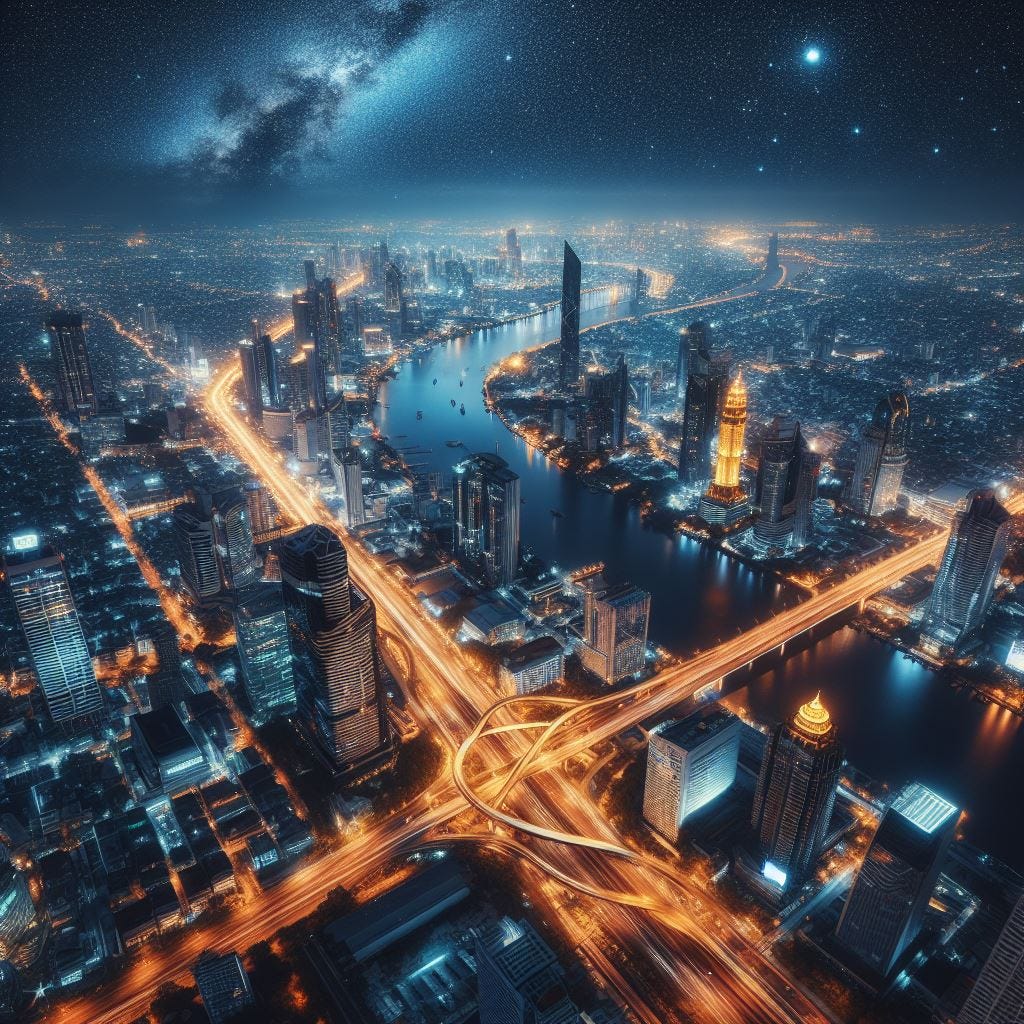
Shoot city streets, buildings, and parks from above. Look for patterns like roads or rooftops.
- Capture busy intersections with moving cars
- Find rooftops with interesting shapes or colors
- Show the contrast between green parks and concrete
- Use shadows to add depth to the photo
Nature And Wildlife
Birds eye view photos reveal nature’s patterns and animal behaviors. Look for groups or natural shapes.
| Subject | Best Time | Tip |
| Bird Flocks | Morning | Use fast shutter speed |
| Forest Canopy | Afternoon | Look for sunlight gaps |
| Animals by Water | Evening | Stay quiet to avoid scaring them |
Events And Crowds
Capture crowds at concerts, sports, or festivals. Birds eye view shows the size and movement clearly.
Tips for Crowds Photos:
- Find a high spot near the event
- Focus on patterns like people walking or waving
- Use wide-angle to show the full scene
- Try to catch moments with bright colors or signs
Frequently Asked Questions
What Is A Bird’s Eye View Photo?
A bird’s eye view photo is taken from an elevated angle. It captures scenes from above, providing a wide perspective. This technique is often used in landscape and architectural photography. It offers a unique and comprehensive view of the subject.
How Do You Achieve A Bird’s Eye View?
Achieving a bird’s eye view involves using drones or tall structures. Drones are popular for capturing wide aerial shots. Climbing high buildings or hills can also provide the necessary elevation. Always ensure safety and legal compliance when capturing such photos.
What Equipment Is Needed For Bird’s Eye Photos?
Essential equipment includes drones and cameras with wide-angle lenses. Drones offer flexibility and elevation for aerial shots. Wide-angle lenses capture expansive scenes effectively. Additionally, tripods and stabilizers help maintain image stability. Choose equipment based on your photography needs and budget.
Are Drones Essential For Bird’s Eye Photography?
Drones are not essential but highly recommended for flexibility. They provide easy access to high vantage points. Drones can capture angles that are otherwise difficult to achieve. However, elevated structures can also offer bird’s eye perspectives.
Conclusion
Taking birds eye view photos opens a new way to see the world. Use a drone or climb high places safely. Pay attention to light and patterns for better shots. Practice often to improve your skills and creativity. These photos can show beauty from above like no other angle.
Keep experimenting and enjoy capturing unique perspectives. Your photos will tell stories from a fresh view. Happy shooting!




