
Have you ever wondered what happens if you release an exotic bird into the wild? It might seem like a kind or harmless act, but you could be stepping into serious legal trouble without even realizing it.
Understanding whether it’s illegal to release exotic birds is crucial—not just for your safety, but for the environment and local wildlife. Keep reading, and you’ll discover the hidden risks and important laws you need to know before making any decisions about your feathered friend.
Legal Status Of Exotic Birds
Understanding the legal status of exotic birds is crucial before you consider owning or releasing one. Laws vary widely depending on where you live and the type of bird involved. Ignoring these laws can lead to serious penalties and harm to local ecosystems.
Ownership Laws
Owning exotic birds is regulated by specific laws that differ from state to state and country to country. Some places allow ownership with few restrictions, while others ban certain species altogether. You should always check local regulations before bringing an exotic bird home.
For example, in the U.S., some states require you to register your bird or prove it was legally acquired. Failure to comply can result in fines or confiscation. Have you ever thought about how your local wildlife authorities track exotic pets?
Permits And Licenses
Many regions require permits or licenses to keep exotic birds legally. These documents prove you meet safety and care standards to protect both the bird and the community. Applying for permits often involves inspections and fees, but this process helps maintain responsible ownership.
If you plan to breed or sell exotic birds, additional licenses might be necessary. This extra layer of regulation ensures that the trade doesn’t encourage illegal capture or trafficking. How prepared are you to navigate the paperwork involved in owning an exotic bird?
Protected Species Regulations
Some exotic birds are protected by international and national laws due to their endangered status. These regulations prohibit owning, selling, or releasing these species without strict permissions. Violating these laws can lead to heavy fines and even criminal charges.
Releasing a protected exotic bird into the wild is especially risky because it can threaten native wildlife and disrupt ecosystems. Have you considered the broader impact of introducing a non-native species into your environment?

Credit: birdsnways.com
Consequences Of Releasing Exotic Birds
Releasing exotic birds into the wild might seem like a kind gesture, but it carries serious consequences. These actions can disrupt local ecosystems, lead to legal trouble, and even pose risks to public safety. Understanding these impacts helps you make informed decisions about pet ownership and wildlife conservation.
Environmental Impact
Exotic birds are not native to many environments where they are released. They can compete with local species for food and nesting sites, often outcompeting and displacing native birds.
Some exotic birds carry diseases that local wildlife has no immunity against, causing outbreaks that harm entire bird populations. Have you ever wondered how one released bird could ripple through an ecosystem? The balance of nature is fragile, and introducing non-native species can tip it dangerously.
Legal Penalties
Releasing exotic birds is illegal in many places due to the risks involved. Laws protect native wildlife and ecosystems, and breaking them can lead to hefty fines or even jail time.
Authorities take these offenses seriously because the damage caused can be long-lasting and expensive to fix. You might think releasing a bird is harmless, but the legal system treats it as a significant environmental crime.
Public Safety Concerns
Exotic birds can sometimes carry diseases that affect humans, such as psittacosis. When these birds establish wild populations, they increase the risk of disease transmission to people.
Additionally, some exotic birds can become aggressive or disruptive in urban areas. Imagine a flock of noisy, unfamiliar birds invading your neighborhood—this can lead to property damage and a decline in quality of life.
Have you considered how your actions might affect your community’s safety and health? Responsible pet ownership means thinking beyond your backyard.
Common Myths About Releasing Exotic Birds
Releasing exotic birds into the wild might sound like a kind gesture, but there are many myths surrounding this action that can mislead well-meaning individuals. Understanding these misconceptions is key to making responsible choices that protect both the birds and the environment. Let’s break down some of the most common myths you might have heard.
Birds Surviving In The Wild
Many people believe exotic birds can easily survive once released into the wild. However, most of these birds struggle with finding food, shelter, and avoiding predators in unfamiliar environments.
I once spoke with a bird owner who released a parrot, thinking it would thrive outdoors. Sadly, the bird didn’t last long because it wasn’t adapted to the local climate or available resources.
Have you ever wondered how a tropical bird would handle cold winters or different seasons? Survival is far from guaranteed.
No Harm Done
There’s a myth that releasing exotic birds causes no harm to the ecosystem. This is not true. Exotic species can disrupt local wildlife by competing for food or spreading diseases.
For example, escaped parrots in some cities have formed breeding populations, outcompeting native birds and altering the balance of nature.
Before deciding to release a bird, consider the ripple effects your action might have on local plants and animals. Are you prepared for the consequences?
Legal Loopholes
Some people assume that releasing exotic birds is legal if done discreetly or in certain areas. Laws, however, vary widely and often prohibit releasing non-native species to protect native ecosystems.
Ignoring these regulations can lead to fines or other penalties. Even if you find what seems like a loophole, it’s usually there to prevent ecological damage.
Have you checked your local laws about releasing exotic animals? Understanding the legal side can save you trouble and help protect wildlife.

Credit: birdsnways.com
Alternatives To Releasing Exotic Birds
Releasing exotic birds into the wild is harmful and often illegal. Finding safe alternatives protects both the birds and the environment. Responsible choices help these animals live better lives without breaking laws.
Rehoming Options
Finding a new home is a safe way to care for exotic birds. Friends, family, or bird enthusiasts may provide a loving environment. Use clear descriptions about the bird’s needs and habits to find a good match. A proper home keeps the bird safe and happy.
Animal Rescue Organizations
Many groups specialize in caring for exotic birds. These organizations have experience and resources to help. They provide shelter, medical care, and sometimes find new homes. Contacting them ensures the bird gets proper attention and care.
Proper Surrender Procedures
Some places allow you to surrender exotic birds legally. Follow local rules to avoid fines or penalties. Contact animal control or wildlife agencies for guidance. Proper surrender helps protect the bird and respects the law.
Case Studies And Legal Precedents
Understanding the real-world impact of releasing exotic birds into the wild requires looking at specific cases and legal rulings. These examples show how laws are applied and what consequences follow. They also highlight how such actions affect local ecosystems and communities.
Notable Legal Cases
One significant case involved a man in Florida who released a flock of exotic parrots into a protected wildlife area. Authorities charged him with violating state wildlife laws because these birds posed a threat to native species.
Another case in California saw a pet store owner fined for intentionally releasing non-native birds to avoid quarantine rules. The court ruled against the owner, emphasizing the potential harm to local ecosystems.
These cases reveal that releasing exotic birds is not just a harmless act. The law takes it seriously because of the risks involved.
Impact On Legislation
Legal rulings have pushed lawmakers to tighten regulations around exotic pet ownership and release. Many states now require permits and enforce strict penalties for unauthorized releases.
Some areas have introduced special programs to educate pet owners about the dangers of releasing exotic birds. These efforts aim to prevent ecological damage and protect native wildlife.
Does your local law require permits for exotic birds? It’s worth checking to avoid unintentional violations.
Lessons Learned
These cases teach a clear lesson: releasing exotic birds can lead to serious legal trouble and environmental harm. It’s not enough to care about the birds—you must also consider the law and the ecosystem.
Before making decisions about exotic pets, think about alternatives. Rehoming through rescue groups or sanctuaries can be safer and legal.
Have you ever thought about the long-term effects of releasing an exotic bird? The stories above show why it’s crucial to act responsibly.
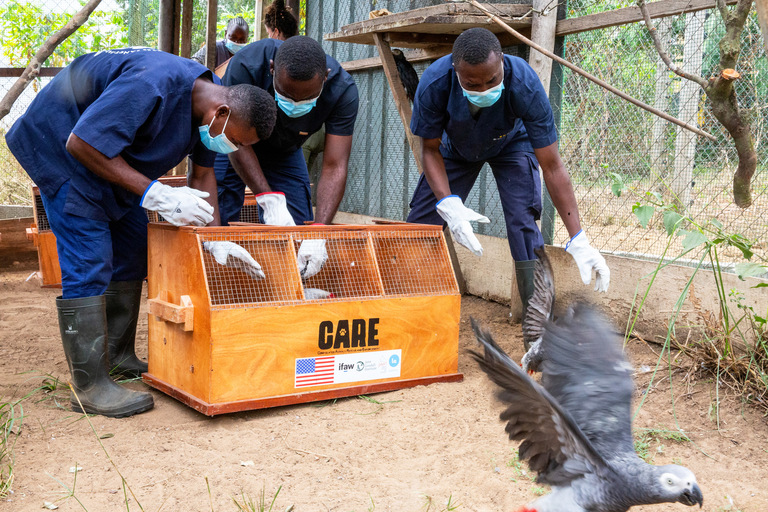
Credit: www.ifaw.org
Frequently Asked Questions
Is It Illegal To Release An Exotic Bird In The Wild?
Yes, releasing exotic birds is often illegal. It can disrupt local ecosystems and spread diseases. Laws vary by region, so check local wildlife regulations before releasing any bird.
What Are The Risks Of Releasing Exotic Birds?
Releasing exotic birds risks harming native species, spreading diseases, and causing ecological imbalance. Exotic birds may become invasive, threatening biodiversity and local habitats.
Can I Face Penalties For Releasing Exotic Birds?
Yes, penalties include fines and legal action. Authorities strictly regulate exotic bird releases to protect native wildlife and ecosystems. Always follow local laws to avoid consequences.
How Can I Responsibly Rehome An Exotic Bird?
Contact local animal shelters, bird rescues, or avian veterinarians. They can help find safe, legal homes for exotic birds without harming wildlife.
Conclusion
Releasing exotic birds can harm nature and local animals. Laws exist to protect wildlife and people’s safety. Breaking these laws may cause fines or other trouble. Think carefully before setting a bird free. Keeping pets safe helps the environment too.
Always follow rules and ask experts for advice. Protect animals and nature by acting responsibly. It’s best to avoid risks that come with releasing exotic birds.




