
Have you ever wondered if giving your pet bird a mirror is a good idea? It seems like a simple way to keep your feathered friend entertained.
But is it really harmless, or could it cause problems you didn’t expect? If you care about your bird’s happiness and health, you need to know the truth behind mirrors and pet birds. Keep reading to discover what experts say and how you can make the best choice for your companion.
Credit: www.kaytee.com
Why Birds Are Attracted To Mirrors
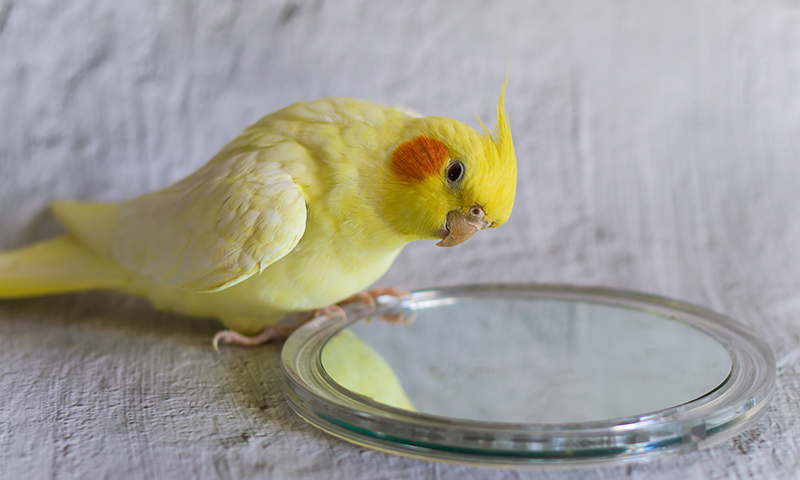
Many pet birds find mirrors interesting. They see their reflection and think it is another bird. This draws their attention and curiosity.
Birds are social animals. They enjoy interaction and often seek company. Mirrors can give them a sense of having a friend nearby.
Birds And Social Interaction
Birds use social cues to connect with others. They sing, preen, and play to build bonds. Without other birds, they may feel lonely.
When birds see their reflection, they may think it is a new companion. This can comfort them and reduce boredom in cages.
Reflection As A Companion
Some birds treat their reflection like a real friend. They may talk, sing, or try to interact with it. The mirror becomes a source of entertainment.
While mirrors can help birds feel less alone, they might also cause confusion. Birds may get stressed if they think the reflection is a rival.
Species That Love Mirrors
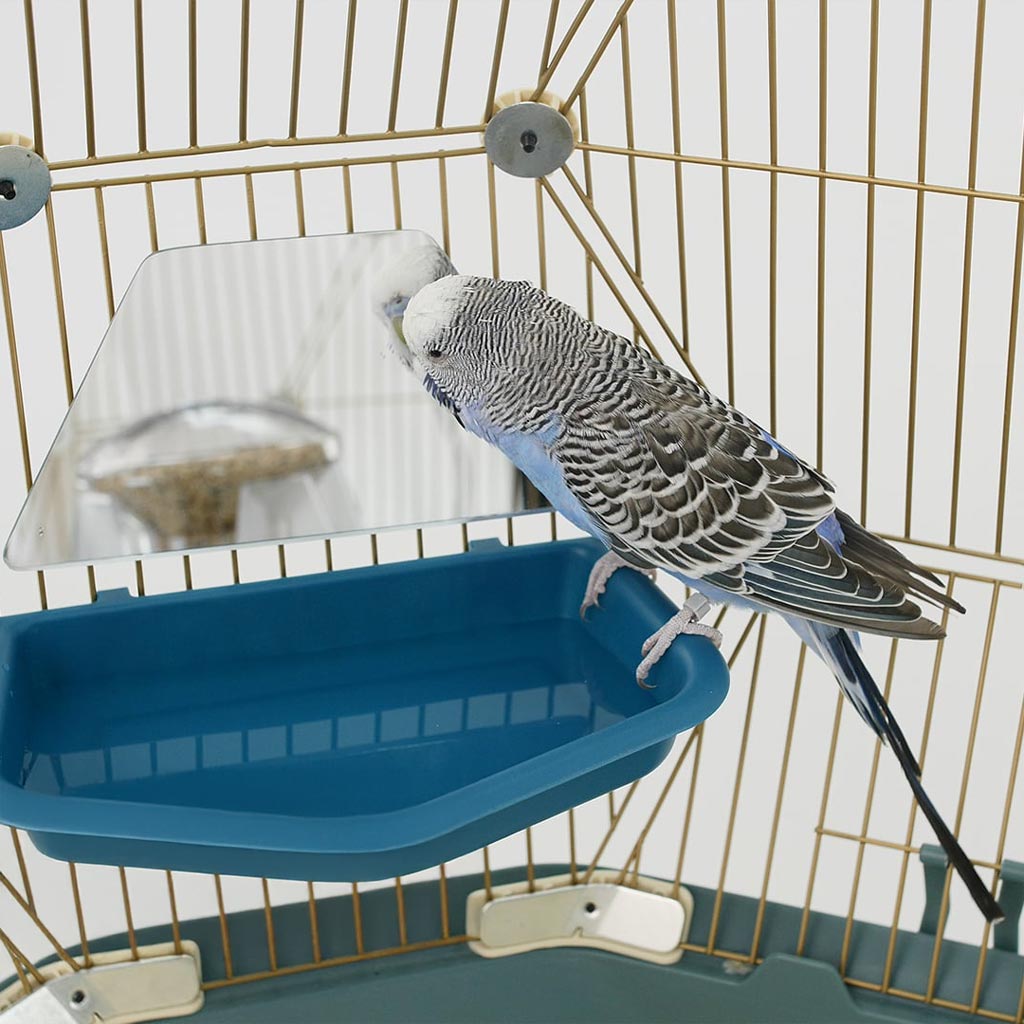
Not all birds react the same to mirrors. Some species enjoy mirrors more than others. Parrots and budgerigars often show strong interest.
- Budgerigars (Budgies)
- Lovebirds
- Parakeets
- Some types of parrots
These birds like to sing and talk. They may use the mirror to practice sounds. This helps keep them active and happy.
Credit: chooks.co.nz
Benefits Of Mirrors For Pet Birds
Mirrors are common toys for pet birds. They can provide many benefits if used properly. Birds often enjoy seeing their reflection in the mirror.
Mirrors can help improve a bird’s life by offering comfort and fun. They can also keep birds active and mentally sharp.
Reducing Loneliness
Birds are social animals and can feel lonely when alone. A mirror can act like a companion for a pet bird. Seeing their reflection may help them feel less isolated.
This can be especially helpful if the owner is away for a long time. The mirror gives the bird company without the need for another pet.
Stimulating Mental Activity
Mirrors can keep a bird’s brain busy. Birds may try to communicate or interact with their reflection. This challenges their thinking and problem-solving skills.
Mental stimulation is important to prevent boredom. A bored bird can develop bad habits or stress. A mirror helps keep their mind active.
Encouraging Play And Exercise
Mirrors can make birds more playful. They may move, sing, or dance around the mirror. This encourages physical activity and exercise.
- Birds flap their wings more often
- They may hop and move around the cage
- Mirrors can increase bird interaction and fun
Potential Risks Of Mirrors
Giving a mirror to a pet bird may seem like a good idea. Birds may enjoy looking at their reflections. But mirrors can cause some problems for birds.
It is important to know the risks before giving a mirror to your bird. Some behaviors can harm the bird’s health and happiness.
Obsessive Behavior
Some birds may stare at the mirror for hours. They can become obsessed with their reflection. This stops them from doing normal activities.
Obsession can lead to stress and anxiety. Birds might pluck their feathers or stop eating properly.
Aggression Toward Reflections
Birds may think the mirror shows another bird. This can make them angry or scared. They might attack the mirror or hurt themselves.
Repeated attacks can cause injuries. Aggressive behavior also wastes energy and causes stress.
Neglecting Real Social Interaction
Birds need real friends and interaction. A mirror cannot replace other birds or humans. Too much mirror time may make birds lonely.
Birds may ignore their owners or other pets. This can hurt their social skills and emotional health.

Credit: parrotessentials.co.uk
Signs A Mirror Is Harming Your Bird
Pet birds are curious creatures. A mirror might seem like a fun toy for them. But it can sometimes cause harm. It’s important to watch for signs that a mirror is affecting your bird negatively.
Birds may become stressed or even aggressive when given a mirror. They might think the reflection is another bird. This can lead to unhealthy behaviors. Here are some signs to look out for.
Excessive Pecking Or Screaming
If your bird is pecking at the mirror a lot, it could be stressed. Pecking can also turn into aggressive behavior. Screaming is another sign of distress in birds. A mirror might be causing these issues.
Birds see their reflection and might think it is a rival. This can lead to frustration and loud noises.
Withdrawal From Owners
A mirror might make your bird think it has a new friend. This can cause your bird to ignore you. Your pet might stop interacting with you as it focuses on the reflection.
It is important for birds to bond with their owners. A mirror can disrupt this bond, leading to a lonely bird.
Changes In Eating Or Sleeping Habits
Your bird might start eating less if it is stressed by a mirror. It could also have trouble sleeping. These are signs your bird is anxious or unhappy.
Watch for changes in your bird’s routine. If you notice these signs, it might be best to remove the mirror.
- Less food consumption
- Difficulty sleeping
- Increased anxiety
Safe Ways To Use Mirrors
Many pet bird owners wonder if mirrors are good or bad for their birds. Mirrors can keep birds entertained but can also cause problems if used wrong. Using mirrors safely helps your bird stay happy and healthy.
It is important to know how to choose the right mirror and limit your bird’s mirror time. Combining mirrors with other toys makes playtime better. This guide shows how to use mirrors the right way.
Choosing The Right Mirror Size
Pick a mirror that fits your bird’s size. A mirror too big or too small can confuse or scare your bird. Small mirrors work well for tiny birds. Larger birds need bigger mirrors to see their reflection clearly.
Make sure the mirror is safe and has no sharp edges. Use mirrors made for pets or small, smooth glass. Avoid fragile mirrors that can break easily and hurt your bird.
Limiting Mirror Time
Birds can spend too much time looking at mirrors. This can cause stress or make them lonely. Limit how long your bird uses the mirror each day. Short sessions keep your bird active and healthy.
- Start with 10-15 minutes of mirror time
- Watch your bird’s behavior closely
- Remove the mirror if your bird gets scared or aggressive
- Increase mirror time slowly if your bird likes it
Combining Mirrors With Other Toys
Mirrors are fun, but birds need many types of toys. Mixing mirrors with other toys helps your bird stay busy. Toys like bells, swings, and chewables keep birds curious and strong.
- Use mirrors along with bells and ropes
- Rotate toys to keep things fresh
- Provide safe chew toys to keep beaks healthy
- Offer different textures and shapes for play
Alternatives To Mirrors For Companionship
Pet birds often feel lonely when left alone. Mirrors might seem like a good solution, but they can confuse birds. Better alternatives exist to keep them happy and engaged.
Interactive toys, socializing with other birds, and spending quality time are great options. These methods can improve your bird’s life without the potential issues mirrors can cause.
Interactive Toys
Interactive toys are fun for birds. They keep their minds active and prevent boredom. Toys like puzzles and bells challenge your bird.
- Puzzle toys encourage problem-solving
- Bells and chimes provide auditory stimulation
- Chew toys help keep beaks healthy
Socializing With Other Birds
Birds are social creatures. They enjoy the company of other birds. Introducing another bird can provide companionship.
Ensure the birds are compatible. Observe their interactions to ensure they get along well and are happy together.
Spending Quality Time
Spending time with your bird strengthens your bond. Daily interaction is important. Talk, sing, or play games with your bird.
Consistency in spending time makes your bird feel loved and secure. Simple activities can improve their happiness and health.
Expert Tips For Healthy Bird Care
Giving a pet bird a mirror can affect its behavior and health. Some birds enjoy mirrors, but others may get stressed.
It is important to watch your bird closely and create a safe, happy home for it. Learn how to care well for your pet bird.
Regular Behavioral Monitoring
Watch your bird’s actions every day. Notice how it reacts to the mirror and other items in its cage.
Look for signs of stress like pacing, feather plucking, or constant vocalizing. These can mean the mirror is causing problems.
- Track changes in behavior over time
- Note if the bird becomes more aggressive or shy
- Remove the mirror if negative signs appear
Consulting Avian Veterinarians
Talk to a bird doctor to learn about your pet’s needs. Veterinarians can help you understand if a mirror is good for your bird.
They can give advice on your bird’s diet, health, and mental well-being. Always ask before adding new items to the cage.
- Get regular check-ups for your bird
- Ask about safe toys and cage decorations
- Follow the vet’s guidance for healthy habits
Creating A Stimulating Environment
Keep your bird active and happy by giving it toys and activities. A mirror alone is not enough to prevent boredom.
Offer different toys, perches, and safe things to chew. Change the items often to keep your bird interested.
- Use puzzle toys to challenge your bird
- Provide fresh swings and perches
- Rotate toys every few weeks
- Spend time interacting with your bird daily
Frequently Asked Questions
Is It Safe To Give A Pet Bird A Mirror?
Giving a mirror to a pet bird can be safe but depends on the bird’s species and temperament. Some birds enjoy mirrors for stimulation, while others may become stressed or aggressive. Monitor your bird’s behavior and remove the mirror if negative signs appear.
Can Mirrors Cause Loneliness In Pet Birds?
Mirrors may reduce loneliness by providing companionship for some pet birds. However, they can also cause confusion or frustration if the bird mistakes its reflection for another bird. Use mirrors cautiously and consider other socialization methods.
How Do Mirrors Affect Pet Bird Behavior?
Mirrors can influence pet bird behavior by encouraging interaction and play. Yet, excessive mirror time might lead to aggression or obsession. Balance mirror use with other toys and social activities to maintain healthy behavior.
Should I Replace My Bird’s Mirror Frequently?
Replacing a bird’s mirror regularly is not necessary unless it becomes damaged or dirty. Clean the mirror often to ensure clear reflections and prevent bacteria build-up, promoting a safe environment for your pet bird.
Conclusion
Giving your pet bird a mirror can be both good and bad. Birds may enjoy seeing their reflection and feel less lonely. But some birds might get stressed or confused by the mirror. Always watch your bird’s behavior closely when using a mirror.
A mirror should not replace social time or real interaction. Use mirrors carefully and in small amounts. Your bird’s happiness and health come first. Choose what works best for your feathered friend.




