
Have you ever wondered if the bird seed you scatter outside is safe for you to eat? It’s a question that might seem strange at first, but if you’re curious or even a little hungry, you’re not alone.
Knowing whether bird seed is edible can save you from potential health risks and help you make smarter choices. You’ll discover the truth about bird seed, what it contains, and whether it’s a good idea for your diet. Keep reading—you might be surprised by what you learn!
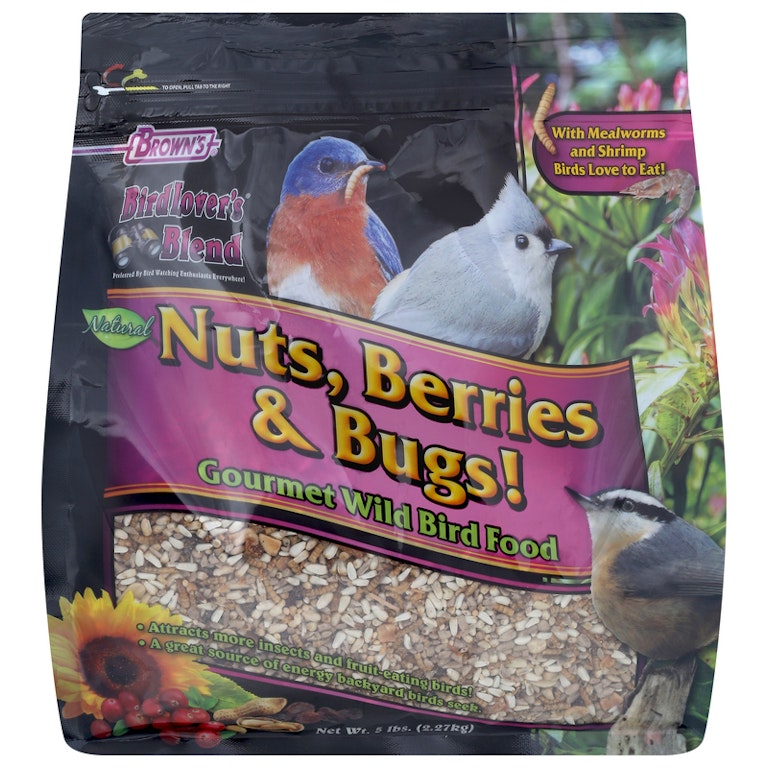
Credit: www.gianteagle.com
What Is Bird Seed Made Of
Understanding what bird seed is made of helps you decide if it’s safe or suitable for you to eat. Bird seed blends vary widely depending on the type of bird they are intended for, but they generally consist of several basic ingredients. Knowing these ingredients can reveal a lot about the nutritional value and potential risks involved.
Common Ingredients In Bird Seed
Bird seed mixes often contain a variety of seeds designed to attract different bird species. Some of the most common seeds include:
- Millet:Small, round seeds that are light and easy to digest.
- Sunflower Seeds:Popular among many birds, especially black oil sunflower seeds with thin shells.
- Safflower Seeds:Bitter-tasting seeds that some birds prefer and squirrels often avoid.
- Cracked Corn:Often added to mixes to provide energy and bulk.
- Nyjer (Thistle) Seeds:Tiny seeds favored by finches and similar small birds.
Sometimes, additional ingredients like dried fruits, nuts, or pellets are included to boost nutrition or attract specific birds.
Nutritional Content Of Bird Seed
Bird seeds are packed with nutrients, but they vary widely depending on the mix. Many seeds are high in fats, which help birds maintain energy, especially in colder months.
Here’s a quick breakdown of typical nutrients found in bird seeds:
| Ingredient | Main Nutrients | Common Benefits |
|---|---|---|
| Sunflower Seeds | Fat, Protein, Fiber | Energy source, supports feather health |
| Millet | Carbohydrates, Protein | Provides quick energy |
| Safflower Seeds | Fat, Protein | Rich in energy, less attractive to pests |
| Cracked Corn | Carbohydrates | Fills energy needs, inexpensive filler |
| Nyjer | Fat, Protein | Small seed high in energy for tiny birds |
Have you ever wondered if the nutrients in bird seed could support your own diet? While some ingredients are nutritious, others might not be suitable or safe for human consumption. Always check if the seeds are untreated and free of harmful chemicals before considering them for yourself.
Is Bird Seed Safe For Humans
Bird seed might look harmless, but is it safe for humans to eat? Many people wonder about this because bird seed contains grains and seeds found in human food. Yet, bird seed is made for birds, not people. Understanding the safety concerns helps avoid health problems.
Potential Health Risks
Bird seed can cause digestive issues in humans. Seeds like millet, sunflower, and safflower are edible but often hard to digest in raw form. Some seeds may contain natural toxins harmful to people.
Eating bird seed might lead to stomach pain, nausea, or diarrhea. Some seeds may have shells or hulls that are difficult to chew and swallow. People with allergies should be cautious because bird seed can trigger reactions.
Contamination Concerns
Bird seed is stored in conditions not meant for human food. It may carry bacteria or mold harmful to humans. Seeds can also be contaminated with pesticides or chemicals used to protect birds from pests.
Bird seed can contain dirt, dust, or bird droppings. These contaminants increase the risk of illness. Human food standards are stricter than bird seed packaging rules.
Nutritional Value Compared To Human Foods
Comparing bird seed to human foods can help you decide if it’s a viable snack or emergency option. Bird seeds often come from plants we also eat, but their nutritional content can vary widely. Understanding how their calories, macronutrients, vitamins, and minerals stack up against your regular diet is key before considering eating them.
Calories And Macronutrients
Bird seeds are generally high in calories, mostly from fats and carbohydrates. For example, sunflower seeds—a common bird seed—contain around 160 calories per ounce, which is similar to many nuts you might eat as a snack.
- Fats:Bird seeds often pack healthy fats, especially unsaturated fats, which are good for your heart.
- Proteins:They provide moderate protein, sometimes comparable to legumes but usually less than meat or dairy.
- Carbohydrates:Seeds contain carbs, including fiber, which aids digestion.
However, unlike many human foods, bird seed blends might include fillers or grains less suitable for human digestion. Have you checked the exact ingredients before thinking about tasting them?
Vitamins And Minerals
Bird seeds can be surprisingly rich in vitamins and minerals. Sunflower seeds, for instance, are a good source of vitamin E and magnesium, both important for immune function and muscle health.
| Nutrient | Common Bird Seeds | Typical Human Source |
|---|---|---|
| Vitamin E | High (e.g., sunflower seeds) | Almonds, spinach |
| Magnesium | Moderate to high | Pumpkin seeds, spinach |
| Iron | Low to moderate | Red meat, beans |
Still, you should ask yourself: does the nutritional benefit outweigh potential risks like contamination or additives? Taking the time to compare labels and sources can save you from unwanted surprises.

Credit: www.reddit.com
Bird Seed Vs. Edible Seeds
Bird seed and edible seeds look similar but serve very different purposes. Bird seed is made to feed birds, not humans. Edible seeds are grown and processed for safe human eating. Understanding these differences helps avoid health risks.
Differences In Processing
Edible seeds go through cleaning to remove dirt and harmful substances. They are often roasted or treated to enhance flavor and safety. Bird seed is usually raw and mixed with fillers. It may contain dust, mold, or chemicals harmful to humans.
Suitability For Human Consumption
Seeds meant for humans meet strict safety standards. They are tested for toxins and contaminants. Bird seed lacks these safety checks. Eating bird seed can cause stomach upset or allergic reactions. Always choose seeds labeled for human consumption.
What Happens If You Eat Bird Seed
Eating bird seed is not common for humans, but sometimes it happens. Bird seed mixes contain various seeds and grains meant for birds. These are not toxic but not made for human digestion or nutrition. Understanding what happens after eating bird seed helps you know if medical help is needed.
Short-term Effects
Bird seed may cause mild stomach discomfort. The seeds can be hard to digest for humans. You might feel bloated or have gas. Some seeds have a tough outer shell that irritates the stomach lining. Eating a large amount can cause nausea or diarrhea. Bird seed may also contain dirt or small debris. These can cause minor stomach upset. Usually, symptoms clear up within a few hours. Drinking water and resting helps ease discomfort.
Possible Allergic Reactions
Some people may be allergic to certain seeds in bird seed. Common allergens include sunflower seeds, millet, and peanuts. Signs of allergy include itching, swelling, or rash. More serious reactions cause difficulty breathing or swelling of the throat. Allergic reactions need immediate medical attention. If you notice unusual symptoms after eating bird seed, seek help fast. People with known seed allergies should avoid bird seed completely.
Safe Alternatives To Bird Seed
Bird seed is not designed for human eating and may contain harmful additives. Safer alternatives include nuts, seeds, and grains meant for people. Choosing these ensures better nutrition and safety for your body.
Eating bird seed isn’t a great idea, but there are safe and delicious alternatives that you can enjoy. These alternatives offer similar nutritional benefits without any of the risks associated with consuming bird seed meant for our feathered friends. Let’s dive into some seeds that are not only safe but also beneficial for human consumption.Seeds That Are Good For Humans
Many seeds can be both tasty and nutritious additions to your diet. – Chia Seeds: These tiny seeds are a powerhouse of omega-3 fatty acids, fiber, and protein. They can help keep you full and support heart health. – Pumpkin Seeds: Also known as pepitas, they are rich in magnesium, zinc, and antioxidants. A handful can boost your mood and energy levels. – Sunflower Seeds: Packed with vitamin E and healthy fats, they are great for skin health and can easily be added to salads or eaten as a snack. – Flaxseeds: Known for their high fiber content and omega-3 fatty acids, they can support digestive health and reduce inflammation.How To Incorporate Seeds Into Your Diet
Incorporating these seeds into your meals can be both simple and rewarding. – Smoothies: Add a tablespoon of chia or flaxseeds to your morning smoothie for an extra nutrient boost. The seeds will help thicken the smoothie, making it more satisfying. – Salads: Sprinkle pumpkin or sunflower seeds over your salad for a delightful crunch. This simple addition can elevate the texture and nutritional profile of your meal. – Baking: Use ground flaxseeds as an egg substitute in baking. It’s a fantastic way to make your recipes vegan-friendly while adding fiber. – Snacks: Mix a variety of seeds with nuts and dried fruit for a homemade trail mix. It’s a perfect snack for when you’re on the go. Have you ever tried substituting bird seed with these human-friendly seeds? The health benefits and versatility might just surprise you.Tips For Handling Bird Seed
Bird seed is made for birds and may contain fillers or treatments not safe for humans. Eating it can cause stomach upset or allergic reactions. Always check the ingredients before tasting bird seed.
Handling bird seed requires care to maintain freshness and safety. Proper handling ensures you get the most from your bird seed. Let’s explore some key tips.Storage Recommendations
Store bird seed in a cool, dry place. Moisture can spoil the seed quickly. Use airtight containers to keep pests away. Metal bins work well for large quantities. Label containers with purchase dates. This helps you use the oldest seed first. Check for signs of mold or insects regularly. Discard any spoiled seed immediately.Avoiding Cross-contamination
Keep bird seed separate from human food. Use dedicated scoops and containers. Wash hands thoroughly after handling seed. Clean bird feeders regularly to prevent mold. Avoid feeding birds from the ground. This reduces the risk of contamination. Maintain cleanliness around your storage area. This prevents attracting unwanted pests.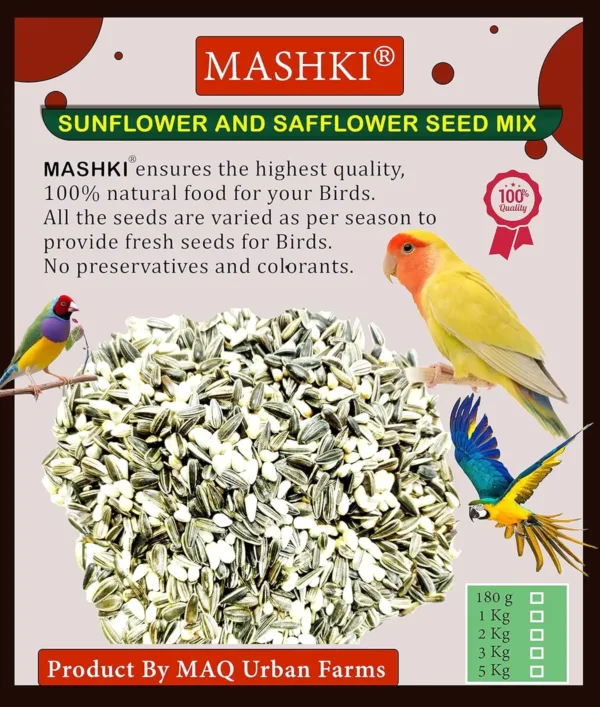
Credit: mashkii.com
Frequently Asked Questions
Can Humans Safely Eat Bird Seed?
Most bird seeds are safe but not meant for human consumption. They may lack necessary nutrients and could contain contaminants. Always check for food-grade labeling before eating any bird seed.
What Nutrients Are Found In Bird Seed?
Bird seed contains fats, proteins, and carbohydrates. However, these nutrients are tailored for birds and may not meet human dietary needs.
Is Bird Seed Healthy For Humans?
Bird seed is not considered a healthy food for humans. It often contains fillers and lacks essential vitamins needed for human health.
Can Eating Bird Seed Cause Illness?
Eating bird seed can cause digestive issues or allergic reactions in humans. Contaminants or mold in the seed mix increase health risks.
Conclusion
Bird seed is mainly made for birds, not people. Some types may be safe, but many contain ingredients that can upset your stomach. Eating bird seed often can cause health problems. Always choose foods made for humans to stay healthy.
When curious, read labels and check ingredients carefully. Your body deserves the right nutrition. Stay safe and enjoy food made just for you.




