
If you’ve just brought a finch bird into your home or are thinking about it, you might be wondering how to give your new feathered friend the best care possible. Finch birds are lively and charming pets, but they need the right environment, diet, and attention to thrive.
Getting these basics right will not only keep your finch healthy but also make your bond stronger. Keep reading, and you’ll discover simple, practical tips that will help you become the best finch caretaker your bird could ask for.
Choosing The Right Finch
Choosing the right finch is the first step to enjoying a happy and healthy pet bird. The type of finch you pick will shape your care routine and the environment you create. Think about what fits your lifestyle and how much time you can dedicate to your new feathered friend.
Popular Finch Breeds
Finches come in many shapes and colors, each with unique traits. Some breeds are easier to care for, while others need more attention.
- Zebra Finch:Friendly and active, they are great for beginners.
- Society Finch:Known for their social nature, they enjoy company and are easy to care for.
- Gouldian Finch:Vibrant and colorful, but require a bit more care and a stable environment.
- Canary Finch:Famous for their singing, they need a calm setting and regular interaction.
Which of these fits your home and personality? Picking a finch breed that matches your routine will make your experience more rewarding.
Selecting A Healthy Finch
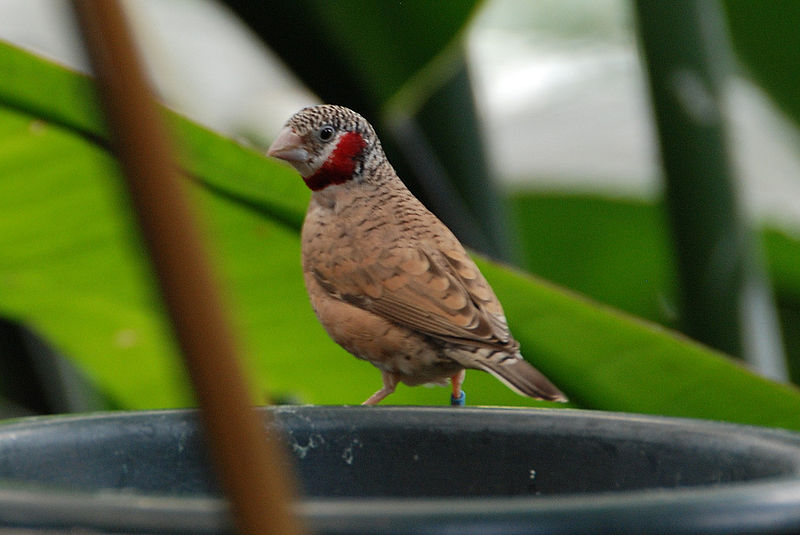
Spotting a healthy finch is crucial before bringing one home. Look for bright eyes, smooth feathers, and active movement. Avoid birds that look tired, have ruffled feathers, or show signs of discharge around their eyes or beak.
Ask the seller about the bird’s diet and any recent health issues. A healthy finch is curious and responsive, often hopping around and singing.
Have you noticed how much energy your finch has before buying? A lively bird will adapt better to your care and environment.
Credit: blogs.thatpetplace.com
Setting Up The Cage
Setting up the cage for your finch is the foundation of their comfort and well-being. The right environment helps your bird feel safe and active. Paying attention to size, materials, and placement makes a big difference in their happiness.
Ideal Cage Size And Material
Finches love to fly, so space is key. Choose a cage that is at least 30 inches wide and 18 inches deep, giving them room to flutter around freely. Taller cages encourage vertical flight, which finches enjoy.
Material matters too. Avoid cages with toxic paints or coatings. Stainless steel cages are durable and easy to clean, while powder-coated cages provide a safe finish. Steer clear of cages with sharp edges that could injure your bird.
Safe Perches And Accessories
Perches should vary in diameter to keep your finch’s feet healthy and prevent sores. Natural wood branches are excellent choices because they offer different textures and help trim nails naturally. Smooth plastic perches might look neat but can cause foot problems over time.
Add accessories like swings and ladders to stimulate activity, but don’t overcrowd the cage. Too many items limit flying space. Keep food and water dishes in easy-to-reach spots, away from droppings.
Proper Cage Placement
Where you place the cage affects your finch’s mood. A quiet corner with natural light is ideal, but avoid direct sunlight that can overheat your bird. Drafts from windows or air conditioners can cause stress or illness.
Think about your finch’s social nature. They enjoy being where family activity happens but not in noisy, high-traffic areas. Can you find a spot that balances interaction and peace? Your bird’s behavior will tell you if you’ve found the right place.
Feeding Your Finch
Feeding your finch correctly is key for its health and happiness. Finches need a diet that supports their energy and keeps them active. Understanding what to feed and how to offer it will help your bird thrive. Fresh food and clean water are essential parts of their daily care.
Balanced Diet Essentials
Finches require a mix of seeds, grains, and pellets. Seeds like millet and canary seed are favorites. Pellets provide vitamins and minerals missing in seeds. A balanced diet helps keep their feathers bright and their bodies strong.
- Use high-quality finch seed mix.
- Include specially formulated pellets.
- Offer small amounts of protein like boiled egg or mealworms occasionally.
Fresh Fruits And Vegetables
Fresh fruits and vegetables add important nutrients and moisture. Chop them into tiny pieces for easy eating. Safe options include apple slices, spinach, and carrots. Avoid citrus fruits and avocado, which can harm finches.
- Try small amounts of apple, pear, or berries.
- Offer leafy greens like kale or lettuce.
- Remove uneaten fresh food daily to prevent spoilage.
Providing Clean Water
Fresh water is vital for finch health. Change water daily to prevent bacteria growth. Use a shallow dish or water dispenser. Keep water containers clean by washing them regularly with warm water.
Maintaining Cleanliness
Keeping your finch’s environment clean is key to its health and happiness. A spotless cage and fresh dishes prevent diseases and encourage your bird to stay active and cheerful. You might be surprised how a simple routine can make a big difference in your finch’s well-being.
Regular Cage Cleaning
Clean the cage at least once a week to avoid buildup of waste and feathers. Remove all toys, perches, and food containers before wiping down the bars and base with warm, soapy water. Rinse thoroughly to remove any soap residue that could harm your finch.
Spot clean daily by removing droppings and leftover food from the bottom tray. This keeps odors down and reduces the risk of bacteria spreading. Have you noticed how your finch behaves more energetically in a cleaner space?
Sanitizing Food And Water Dishes
Your finch’s dishes need attention every day. Wash them with hot water and mild dish soap, then rinse well to ensure no soap remains. Dirty dishes can quickly become breeding grounds for harmful germs.
Consider rotating dishes to give each a thorough soak in a bird-safe sanitizer once a week. This extra step helps keep your finch’s eating area hygienic and safe. How often do you think about the cleanliness of your bird’s dishes?
Promoting Finch Health
Caring for a finch means providing fresh food, clean water, and a comfortable cage. Regular health checks help spot any problems early. A calm environment keeps your finch happy and active.
Caring for a finch bird involves more than just providing food and shelter. It’s about ensuring their overall well-being and happiness. Promoting finch health is crucial to their longevity and vitality. You want your feathered friend to thrive, not just survive. Let’s dive into how you can make sure your finch stays in the best health possible.Common Health Issues
Finches, like other birds, can face several health issues. Respiratory infections, feather plucking, and mite infestations are a few common problems. A balanced diet and clean living environment can prevent many of these issues. Regular observation is key. Have you noticed your finch sneezing more than usual? This could be an early sign of a respiratory issue.Signs Of Illness
Recognizing signs of illness early can make a significant difference. Look for changes in behavior, such as lethargy or a lack of interest in food. Weight loss or abnormal droppings can also indicate health problems. Have you ever seen your finch fluffing its feathers more than normal? This could be a sign they’re trying to stay warm due to illness.When To Visit The Vet
Knowing when to consult a vet is crucial. If you notice persistent signs of illness, it’s time to seek professional help. A vet can provide a proper diagnosis and treatment plan. Frequent check-ups can also prevent potential issues. Have you considered scheduling routine vet visits for peace of mind? A vet can often catch problems that are invisible to the untrained eye. Taking these steps can ensure your finch lives a healthy and happy life. By being proactive, you’re not just a pet owner; you’re a caretaker of a living, breathing little soul.
Credit: app.mybirdbuddy.com
Encouraging Social Behavior
Encouraging social behavior in your finch is key to keeping it happy and healthy. These small birds thrive on interaction, both with humans and other finches. Helping your finch feel comfortable and engaged can reduce stress and promote natural behaviors.
Interacting With Your Finch
Spend time near your finch’s cage each day to build trust. Talk softly or whistle tunes; your voice becomes a comforting presence. You might notice your finch responding with chirps or movements, signaling growing familiarity.
Offering treats by hand can also strengthen your bond. Try placing a small piece of millet seed near your fingers and see if your finch approaches. Patience is important—some finches take longer to warm up, but consistent gentle interaction pays off.
Introducing Companions
Finches are naturally social, so adding a companion can boost their happiness. Introduce new birds gradually to avoid aggression or stress. Start by placing cages side by side, allowing them to see and hear each other without direct contact.
Once they seem calm, supervise short periods of shared space outside the cage. Watch for signs of harmony like mutual preening or singing. If you notice aggression, separate them and try again later with more time apart.
Have you observed your finch’s reactions to new companions? Their body language can tell you if the introduction is going well or needs adjustment. Social connections matter deeply to finches, and your careful approach helps them thrive.
Providing Mental Stimulation
Providing mental stimulation is essential for a finch’s happiness and health. These small birds are curious and active. Without enough activity, they can become bored and stressed. Mental challenges keep their minds sharp and bodies active.
Toys And Enrichment Ideas
Toys help finches stay busy and entertained. Use lightweight items safe for small birds. Some good toy options include:
- Small swings for gentle movement
- Mirrors to catch their attention
- Shreddable paper or soft wood pieces
- Colorful beads or bells
- Foraging toys with hidden treats
Rotate toys regularly to keep things fresh. Change the position inside the cage too. This keeps finches curious and eager to explore.
Creating A Dynamic Environment
A dynamic environment boosts mental activity. Add natural elements like branches or leaves. These provide perches and new textures to explore.
Vary the layout of the cage often. Move perches and toys to different spots. Offer safe natural sunlight or full-spectrum lighting.
Social interaction also matters. If possible, keep finches in pairs or groups. They enjoy company and learn from each other.
Breeding Basics
Breeding finches can be a rewarding experience. It’s important to understand the basics to ensure healthy chicks. Successful breeding requires preparation and ongoing care. Let’s dive into the essentials of finch breeding.
Preparing For Breeding
Start by ensuring your finches are healthy and mature. Provide a comfortable environment with plenty of space. A cage should be at least 24 inches wide. Include perches and nesting materials. Offer a balanced diet rich in seeds, fruits, and vegetables. Supplement with calcium and protein. Keep the environment stress-free and maintain a consistent light schedule. This encourages natural breeding behavior.
Caring For Finch Chicks
Once chicks hatch, they need special care. Ensure the nest is safe and clean. Monitor the temperature; it should be warm but not hot. Parents will feed chicks, but provide soft foods like boiled eggs. Keep the cage quiet and limit handling. Chicks grow quickly, so observe their development closely. After a few weeks, they will start to explore. Gradually introduce them to new foods and perches. Ensure they learn to eat independently before separating them from parents.

Credit: swiftailvet.com
Frequently Asked Questions
How Often Should I Feed My Finch Bird?
Feed your finch bird twice daily with fresh seeds and pellets. Provide fresh fruits and vegetables weekly. Always ensure clean, fresh water is available.
What Is The Ideal Cage Size For Finches?
A cage at least 30 inches wide is ideal for finches. It allows space for flying and exercise. Horizontal bars help them climb comfortably.
How Do I Keep My Finch Bird Healthy?
Keep the cage clean and provide a balanced diet. Avoid drafts and extreme temperatures. Regularly check for signs of illness and consult a vet when needed.
Can Finches Live Together Peacefully?
Yes, finches are social and thrive in pairs or small groups. Avoid overcrowding to reduce stress and aggression. Introduce new birds gradually and observe interactions.
Conclusion
Caring for a finch bird brings joy and peace. Provide fresh food and clean water daily. Keep the cage clean and safe. Offer toys to keep your finch happy. Watch for signs of illness or stress. Spend time near your bird to build trust.
Simple care helps your finch live well. Small efforts make a big difference. Enjoy the beauty and songs of your finch. Your gentle care creates a happy home.




