
If you love birds or want to start identifying them with confidence, “A Field Guide to the Birds” by Peterson from 1947 is a must-have. This classic guide changed the way people see and understand birds.
It’s more than just a book—it’s your key to unlocking the secrets of the birds around you. Imagine spotting a bird and instantly knowing its name and story. This guide makes that possible. Keep reading to discover how this timeless field guide can transform your birdwatching experience and connect you deeper with nature.
Origins Of The Classic
The origins of A Field Guide to the Birdsby Roger Tory Peterson trace back to a need for a practical and reliable way to identify birds in the field. Before this guide, birdwatchers often struggled with bulky, text-heavy books that weren’t easy to carry or use outdoors. Peterson’s work changed that by offering clear visuals and simple identification tips right at your fingertips.
Peterson’s Vision
Roger Tory Peterson wanted bird identification to be accessible for everyone, not just experts. He believed that anyone could learn to identify birds if they had the right tools. His goal was to create a guide that combined easy-to-understand drawings with concise descriptions, helping you spot key features quickly.
He introduced the “Peterson Identification System,” which focused on pointing out distinctive marks on birds—what he called “field marks.” This approach was revolutionary because it taught you to notice small but important details that make identifying birds easier and faster.
1947 Edition Highlights
The first edition of the guide, published in 1947, was a compact book packed with detailed illustrations and practical tips. It featured:
- Clear, color-coded drawings highlighting essential field marks.
- Concise text focused on what to look for rather than overwhelming descriptions.
- Easy-to-use format that fit comfortably in your pocket during birdwatching trips.
This edition set a new standard for bird guides and quickly became a favorite among both beginners and seasoned birders. Have you ever struggled to identify a bird because you didn’t know what details to focus on? Peterson’s approach helps you cut through the confusion and spot those details that matter most.
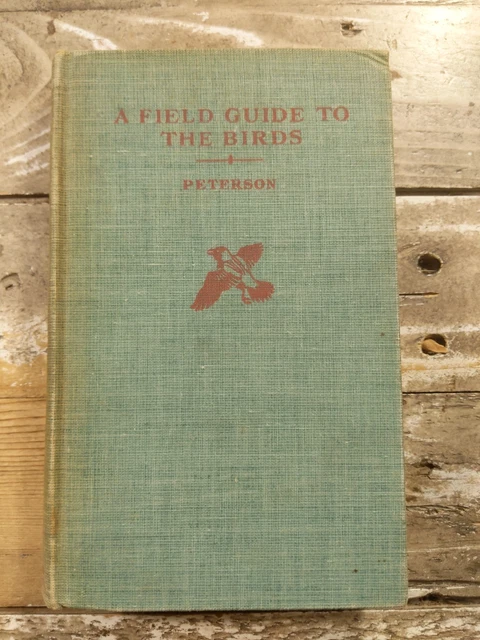
Credit: picclick.ca
Impact On Birdwatching
The publication of A Field Guide to the Birdsby Roger Tory Peterson in 1947 changed how people observe and identify birds. It influenced both amateur birdwatchers and experts, making bird identification more accessible and enjoyable. This guide didn’t just teach; it invited people to look closely and connect deeply with nature.
Revolutionizing Identification
Before this guide, identifying birds was often confusing and required expert knowledge. Peterson introduced a simple but effective way to highlight key features, making it easier for anyone to tell one bird from another. His use of arrows pointing to important field marks helped you focus on what really matters.
Imagine holding the guide while watching a sparrow and quickly spotting the unique wing patterns Peterson pointed out. This method saves you time and frustration, turning birdwatching into a rewarding experience. It also encourages you to observe patiently and notice details you might have missed.
Engaging New Audiences
Peterson’s guide opened the door for many people who never thought birdwatching was for them. Its approachable language and clear illustrations invited beginners to try identifying birds on their own. This boosted interest in birding as a hobby and helped build a community of nature lovers.
Have you ever felt overwhelmed by technical jargon in other guides? Peterson’s style cuts through that noise, making birdwatching feel welcoming and doable. This inclusivity helped schools, families, and casual observers join in, spreading appreciation for birds across generations.
Key Features
A Field Guide to the Birds by Peterson, published in 1947, remains a classic in birdwatching literature. Its key features set it apart from other guides. The book balances clear visuals with practical information. It helps beginners and experts identify birds quickly and accurately.
Illustrations And Artwork
The guide uses detailed, hand-drawn illustrations. These images focus on important parts of each bird. Colors are accurate but simple. The artwork shows birds in natural poses. This style helps readers spot birds in real life. Small sketches highlight unique features like wing shape or markings.
Field Mark System
Peterson introduced the “field mark” system. This method points out key details to watch for. It teaches readers to notice shapes, colors, and patterns. Field marks make bird identification easier and faster. The system avoids overwhelming readers with too much detail.
Species Coverage
The guide covers many common North American birds. It includes both common and rare species. Each bird has a brief description and range map. This helps birders know where and when to find them. The book focuses on species most likely seen in the field.

Credit: www.ebay.ca
Evolution Over Time
The 1947 edition of A Field Guide to the Birdsby Roger Tory Peterson marked a major milestone in birdwatching. Over time, this guide has evolved significantly to meet the changing needs of bird enthusiasts. Its updates reflect both advances in science and shifts in how people connect with nature.
Subsequent Editions
After the original 1947 release, the guide saw several new editions. Each version added more species and improved illustrations, making it easier for you to identify birds in different regions.
These editions also addressed corrections and updated bird names as scientific understanding grew. This shows how even a classic can adapt without losing its core purpose.
Modern Updates
In recent years, technology has influenced the guide’s format and content. Digital versions now offer interactive features like audio calls and GPS mapping, helping you spot birds more efficiently.
Moreover, modern updates include changes in bird taxonomy and conservation status. This keeps your knowledge current and encourages responsible birdwatching.
Have you ever noticed how a single change in a field guide can change your entire birdwatching experience? Staying updated means you’re always ready for new discoveries.
Using The Guide Today
The 1947 edition of A Field Guide to the Birdsby Roger Tory Peterson remains a valuable tool for bird watchers today. Despite its age, the guide offers clear illustrations and straightforward descriptions that many modern resources can’t match. Using this classic guide alongside current tools can deepen your birding experience and sharpen your identification skills.
Tips For Beginners
Start by focusing on the most common birds in your area. The guide’s illustrations highlight key features like wing shape and markings, which can help you quickly narrow down options.
Carry the guide with you on short walks. This hands-on approach helps you connect the images with real birds, making the information stick better than just reading at home.
Don’t worry about identifying every bird perfectly at first. Use the guide as a learning tool rather than a test. Over time, your confidence will grow.
- Mark pages with sticky notes for quick access during outings.
- Practice sketching birds to notice details you might otherwise miss.
- Compare similar species side by side in the guide to spot differences.
Integrating With Technology
Use the guide as your foundation and complement it with birding apps on your phone. Apps often provide sound recordings and updated range maps that the 1947 guide lacks.
Try taking photos of birds you spot and compare them with the guide’s illustrations later. This helps you learn at your own pace without pressure.
Consider joining online birding communities where you can share your findings and get tips. Seeing how others use the Peterson guide can inspire new ways to improve your skills.
| Traditional Guide | Technology Tools |
|---|---|
| Detailed, hand-drawn illustrations | High-resolution photos and videos |
| Focus on physical features | Bird songs and calls for identification |
| Portable and always accessible | Interactive maps and real-time sightings |
How can you balance old-school birding with new technology in your next outdoor adventure? Combining both can make your learning richer and your outings more rewarding.

Credit: www.ebay.ca
Legacy And Influence
‘A Field Guide to the Birds Peterson 1947’ transformed birdwatching with its clear illustrations and detailed descriptions. It inspired countless enthusiasts and significantly impacted bird conservation efforts. This guide remains a foundational reference in ornithology today.
A Field Guide to the Birds by Roger Tory Peterson, published in 1947, holds a special place in birdwatching history. Its influence extends far beyond its pages. The guide transformed birdwatching into a popular hobby and an essential scientific pursuit. With clear illustrations and easy-to-understand descriptions, it made bird identification accessible to everyone. This guide not only changed how people viewed birds but also inspired many to appreciate the natural world.Inspiring Generations
Peterson’s guide sparked curiosity in young minds. Students and families found joy in identifying birds. Teachers used it in classrooms to engage students with nature. Many of today’s ornithologists began their journey with this guide. It has been a catalyst for lifelong learning and passion for many.Cultural Significance
The guide became a cultural icon. It appeared in films and literature, symbolizing knowledge and discovery. Birdwatching grew in popularity, influencing art and media. The guide’s impact on culture remains strong, reflecting our enduring connection to nature.Frequently Asked Questions
What Is ‘a Field Guide To The Birds Peterson 1947’ About?
‘A Field Guide to the Birds Peterson 1947’ is a pioneering bird identification book. It offers detailed illustrations and descriptions of North American birds. The guide helped popularize birdwatching and set a standard for future field guides in ornithology.
Who Authored ‘a Field Guide To The Birds Peterson 1947’?
The guide was authored by Roger Tory Peterson, a notable American naturalist and ornithologist. His work revolutionized bird identification with the Peterson Identification System. This system uses visual markers to help readers easily identify bird species.
Why Is The 1947 Edition Significant In Birdwatching?
The 1947 edition is the original and groundbreaking version. It introduced the Peterson Identification System, making birdwatching accessible to amateurs. This edition remains a classic and is valued by collectors and bird enthusiasts alike.
How Does The Peterson Identification System Work?
The system uses visual clues like color patterns and shapes to identify birds. It highlights key field marks in illustrations to simplify identification. This method helps both beginners and experts quickly recognize bird species in nature.
Conclusion
A Field Guide to the Birds Peterson 1947 remains a helpful resource today. It shows clear illustrations and easy bird descriptions. Readers can identify many birds with simple tips. The guide teaches about bird habits and homes too. It helps beginners enjoy birdwatching with confidence.
This book holds value for nature lovers everywhere. Keep it close on your next bird walk. Explore the world of birds one page at a time.




