
Are you tired of seeing dull, brittle feathers on your birds? You want your feathered friends to look healthy, vibrant, and full of life.
Improving feather quality isn’t just about appearance—it’s a sign your birds are thriving inside and out. You’ll discover simple, effective ways to boost your birds’ feather health. These tips will help you bring out their natural beauty and keep them feeling their best.
Keep reading to learn how you can make a real difference in your birds’ lives starting today.

Credit: www.amazon.com
Causes Of Poor Feather Quality
Poor feather quality in birds can be frustrating, especially when you want your feathered friends to look and feel their best. Understanding what causes feathers to become dull, brittle, or patchy is the first step toward improving their condition. Several factors contribute to this issue, ranging from diet to environment, health, and natural processes.
Nutritional Deficiencies
Your bird’s feathers need the right nutrients to grow strong and vibrant. Lack of essential vitamins like A, D, and E, as well as protein and fatty acids, can lead to weak or discolored feathers. Have you checked if your bird’s diet includes fresh fruits, vegetables, and high-quality feed? Adding foods rich in omega-3s, such as flaxseed or chia, can make a noticeable difference.
Environmental Stressors
Stress affects feather health more than many realize. Loud noises, overcrowded cages, or abrupt changes in temperature can cause your bird to pluck or lose feathers. Does your bird have a calm, stable space with enough room to fly or move around? Small adjustments like reducing noise or providing hiding spots can help reduce stress-related feather damage.
Parasites And Diseases
External parasites like mites and lice can cause itching and feather loss. Sometimes, underlying diseases also manifest through poor feather condition. Regularly inspect your bird for unusual behavior or visible pests. If you notice excessive scratching or bald patches, consulting a vet promptly can save your bird from prolonged discomfort.
Molting Challenges
Molting is a natural process, but it can be tough on your bird’s feathers. Sometimes, birds don’t molt properly due to stress, poor nutrition, or illness, resulting in uneven or weak feather growth. Have you observed if your bird’s molting pattern seems irregular or prolonged? Supporting them with extra nutrition and a stress-free environment during this period is crucial for healthy feather replacement.
Optimizing Bird Nutrition
Optimizing bird nutrition plays a key role in improving feather quality. Feathers need the right nutrients to grow strong and vibrant. Feeding birds a healthy diet supports their overall health and feather condition. Nutrition affects feather color, texture, and durability. Proper food choices help birds molt smoothly and develop new feathers faster.
Essential Vitamins And Minerals
Birds require specific vitamins and minerals for healthy feathers. Vitamin A supports skin and feather health. Vitamin E helps protect feathers from damage. B-complex vitamins improve feather growth and repair. Minerals like zinc and iron strengthen feathers and prevent breakage. Calcium supports feather structure and molting.
Balanced Diet Plans
A balanced diet provides all nutrients in the right amounts. Include a mix of seeds, fruits, vegetables, and pellets. Variety ensures birds get essential proteins, fats, and carbohydrates. Fresh foods supply antioxidants that keep feathers shiny. Avoid too many fatty or sugary foods. Clean water must always be available to aid digestion and nutrient use.
Supplements For Feather Health
Supplements can fill nutrient gaps in a bird’s diet. Omega-3 fatty acids improve feather softness and shine. Biotin supports feather growth and strength. Mineral blends help maintain color and durability. Use supplements sparingly and follow dosage instructions. Consult a vet before adding new supplements to avoid overdosing.
Creating Ideal Living Conditions
Creating ideal living conditions is essential for improving feather quality in birds. Your bird’s environment directly affects its health, comfort, and the condition of its feathers. Paying close attention to housing, climate, and stress levels can lead to noticeable improvements in feather appearance and strength.
Proper Housing And Hygiene
Good housing means providing enough space for your bird to move freely and stretch its wings. A cramped cage limits movement and can cause feather damage or loss.
Cleanliness is equally important. Regularly clean the cage, perches, and feeding areas to prevent bacteria and parasites that harm feathers.
- Change bedding weekly
- Disinfect food and water containers daily
- Remove uneaten food promptly
Have you noticed how quickly your bird’s feathers dull in a dirty cage? Maintaining hygiene can stop that decline.
Temperature And Humidity Control
Birds thrive in stable environments, so keep the temperature consistent. Sudden cold or heat stresses them and affects feather growth.
Humidity also plays a key role. Too dry air can cause feathers to become brittle, while excessive moisture encourages fungal infections.
| Bird Type | Ideal Temperature | Ideal Humidity |
|---|---|---|
| Parrots | 65-80°F (18-27°C) | 40-60% |
| Finches | 60-75°F (16-24°C) | 50-70% |
| Canaries | 65-75°F (18-24°C) | 40-60% |
Do you monitor your bird’s environment daily? Small adjustments in temperature or humidity can make a big difference.
Reducing Stress Factors
Stress weakens your bird’s immune system and damages feathers. Identify sources of stress such as loud noises, sudden movements, or overcrowding.
Provide a quiet, calm space where your bird feels safe. Regular interaction builds trust but avoid overhandling, which can cause anxiety.
- Offer hiding spots or covers in the cage
- Maintain a consistent daily routine
- Limit exposure to other aggressive birds
Have you observed changes in feather condition after reducing stress? Your bird’s feathers often reflect its emotional state more than you think.
Regular Grooming Practices
Regular grooming plays a crucial role in maintaining your bird’s feather quality. Clean, well-kept feathers not only look beautiful but also protect your bird’s skin and help regulate body temperature. Taking time to groom your bird regularly can prevent common feather problems and keep your feathered friend comfortable and healthy.
Bathing Techniques
Bathing is essential for removing dirt, dust, and excess oils from feathers. You can offer a shallow dish of lukewarm water for your bird to splash in or gently mist them with a spray bottle. Notice how some birds enjoy a quick shower while others prefer soaking; observing your bird’s reaction helps you choose the best method.
Try to bathe your bird two to three times a week, but avoid overbathing, which can dry out feathers. Use water at a comfortable temperature—too cold or hot can stress your bird. If your bird dislikes water, start slow and be patient; sometimes, just a light misting is enough to encourage preening.
Preening Assistance
Preening is your bird’s natural way to keep feathers aligned and clean. However, some birds might need help, especially if they have health issues or damaged feathers. You can gently help by running a soft brush or your finger along their feathers, mimicking their natural preening action.
Watch for feathers that look dull or out of place and focus your assistance there. Offering your bird cuttlebone or mineral blocks can also promote healthy preening by providing essential nutrients. Have you noticed how your bird reacts when you help? Their comfort level can guide how much assistance they need.
Handling Molting Periods
Molting is a natural process when birds shed old feathers and grow new ones. During this time, feathers can look ragged and fragile, and your bird may feel uncomfortable. Increase grooming sessions gently to remove loose feathers and stimulate new growth.
Provide extra nutrition rich in protein and vitamins to support feather regeneration. Avoid stressing your bird with excessive handling during molting; instead, observe and respond to their comfort signals. How does your bird behave when molting? Adjusting your grooming routine to their mood can improve feather quality significantly.
Addressing Health Issues
Feather quality depends greatly on a bird’s health. Poor health often leads to dull, broken, or missing feathers. Addressing health issues supports strong and vibrant feathers. Taking care of common problems helps birds molt properly and look their best.
Parasite Prevention And Treatment
Parasites damage feathers and cause discomfort. External parasites like mites and lice feed on feathers and skin. They create holes and weaken feathers.
Prevent parasites by:
- Regularly cleaning cages and perches
- Using safe anti-parasite sprays or powders
- Quarantining new birds before mixing
Treat infestations quickly. Consult a vet for the right medication. Early treatment stops further feather damage.
Recognizing Feather Disorders
Feather disorders show as abnormal growth or loss. Look for:
- Feather plucking or chewing
- Uneven or brittle feathers
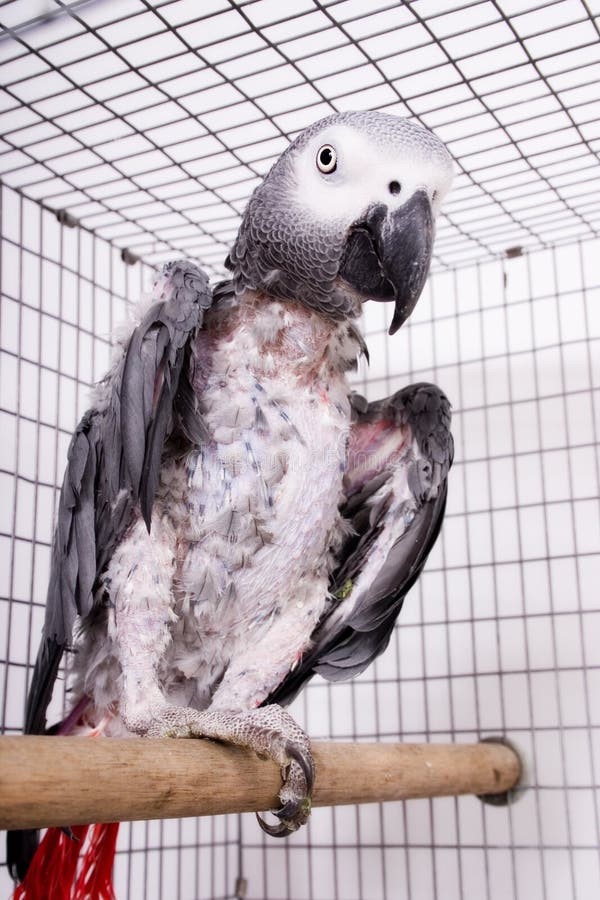
- Discoloration or unusual patterns
These signs may indicate stress, illness, or nutritional issues. Early recognition helps prevent worsening problems.
Veterinary Care Tips
Schedule regular vet check-ups. Birds hide sickness well. Vets can spot early health problems affecting feathers.
Share detailed observations with your vet:
- Changes in behavior or appetite
- Feather condition and molting patterns
- Environmental changes or new pets
Follow vet advice on diet, supplements, and treatments. Proper care improves feather growth and strength.
Credit: www.veterinary-practice.com
Enhancing Feather Shine And Color
Feather shine and color improve with a balanced diet rich in vitamins and minerals. Regular grooming and a clean environment also help maintain vibrant, healthy feathers.
Enhancing the shine and color of your bird’s feathers isn’t just about aesthetics; it reflects their overall health and vitality. Vibrant feathers can indicate a well-balanced diet, suitable environment, and proper care. Let’s dive into practical ways to boost feather quality, making your feathered friend a radiant spectacle.Natural Oils And Conditioners
Birds have a unique way of maintaining their feathers using natural oils. They produce oil from the uropygial gland, located near the base of their tail, which they spread over their feathers through preening. Encouraging this natural behavior can significantly enhance feather shine. Consider adding healthy fats to your bird’s diet to support oil production. Foods like seeds, nuts, and small amounts of flaxseed oil can be beneficial. Regular bathing opportunities also help; whether a gentle mist or a shallow dish of water, bathing encourages preening and healthy oil distribution.Lighting And Environmental Effects
Did you know lighting plays a crucial role in feather quality? Full-spectrum lighting mimics natural sunlight and can boost feather color vibrancy. If your bird is indoors, consider a UV lamp to provide necessary light exposure. Environmental factors such as humidity and temperature can also affect feathers. Maintaining a moderate humidity level in your bird’s environment helps prevent dryness and brittleness. An environment that mimics their natural habitat is key to keeping those feathers in top-notch condition.Genetic Factors
While you can control many factors affecting feather quality, genetics also play a role. Some birds are naturally predisposed to have more vibrant plumage. Understanding your bird’s genetic makeup can set realistic expectations for feather color and shine. Genetic diversity can sometimes enhance feather qualities. If you’re considering breeding, selecting diverse genetic lines can lead to offspring with improved feather traits. However, always prioritize health over aesthetics when considering breeding options. How do you plan to enhance your bird’s feather quality? Are there specific changes you can make today to improve their shine and color? Your bird’s radiant feathers could be just a few simple steps away.Monitoring Feather Growth Progress
Tracking feather growth helps spot changes in quality early. Regular checks show if birds receive proper care and nutrition. Observing feather condition guides timely adjustments for better health.
Monitoring feather growth progress is a crucial step in ensuring the overall health and well-being of your birds. Observing changes in feathers can offer significant insights into their health, nutritional needs, and environmental conditions. This proactive approach allows you to make informed decisions to enhance feather quality.Tracking Changes Over Time
Regular observation helps you notice even the slightest changes in your bird’s feathers. Create a simple log to record observations weekly or bi-weekly. Note the texture, color, and overall condition of the feathers to detect any patterns or issues.Using Photographic Records
Photographs serve as a reliable visual record of your bird’s feather condition over time. Capture images from different angles and under consistent lighting conditions. Comparing photos month-to-month can reveal subtle changes that are easy to overlook.Adjusting Care Based On Results
Use your observations and photos to adjust your bird’s diet or environment. If feathers appear dull, consider adding more vitamins or improving habitat cleanliness. Regularly revisit your records to assess the impact of these changes. Are you noticing improvements, or do you need to try something new? Engage with your birds, and let the data guide your care decisions. This tailored approach can significantly enhance feather quality and your bird’s overall happiness.
Credit: birdsupplies.com
Frequently Asked Questions
How Can Diet Improve Feather Quality In Birds?
A balanced diet rich in proteins, vitamins, and minerals boosts feather strength. Omega-3 fatty acids and biotin are essential for shiny, healthy feathers. Providing fresh fruits, vegetables, and high-quality bird feed supports optimal feather growth and maintenance.
What Role Does Hydration Play In Bird Feather Health?
Proper hydration keeps feathers flexible and prevents brittleness. Birds need constant access to clean, fresh water to maintain feather condition. Dehydration can lead to dull, dry feathers and hinder natural molting processes.
How Does Stress Affect Feather Quality In Birds?
Stress causes feather plucking and poor feather growth. Minimizing loud noises, overcrowding, and sudden changes helps reduce bird stress. A calm environment promotes healthy feather development and overall well-being.
Can Regular Grooming Improve Feather Quality?
Yes, grooming removes dirt and parasites that damage feathers. Regular baths and preening encourage natural oil distribution, enhancing feather gloss and durability. Providing safe bathing opportunities benefits feather health significantly.
Conclusion
Healthy feathers show a bird’s overall well-being. Good diet and clean living spaces help birds grow strong feathers. Regular grooming keeps feathers neat and shiny. Avoid stress to prevent feather damage and loss. Pay attention to your bird’s needs every day.
Small changes create big improvements in feather quality. Keep learning and caring for your birds. Their feathers will thank you with vibrant colors and strength. A happy bird means beautiful feathers. Simple care makes a big difference.




