
Are you ready to see birds like never before? Choosing the right binoculars can transform your bird watching experience, bringing every feather and color into sharp focus.
But with so many options out there, how do you find the best binoculars for your needs? This guide will help you discover the perfect pair that fits your budget, style, and the kind of birds you want to watch.
Keep reading, and soon you’ll be spotting birds with clarity and ease you never thought possible.
Key Features For Bird Watching Binoculars
Choosing the right binoculars for bird watching means focusing on features that enhance your viewing experience. The best binoculars bring birds into sharp focus while being comfortable enough to carry on long walks. Knowing what to look for helps you pick a pair that suits your style and the environments you explore.
Magnification And Lens Size
Magnification tells you how much closer the birds will appear. A 8x or 10x magnification is ideal—higher magnification can make the image shaky and harder to hold steady.
Lens size affects how much light the binoculars gather. Larger lenses, like 42mm, provide brighter images but add weight. You need a balance between clear views and carrying comfort.
Field Of View
The field of view (FOV) shows how wide an area you can see through your binoculars. A wider FOV helps you spot moving birds quickly and follow them without losing sight.
Look for binoculars with at least 300 feet at 1000 yards of FOV. This makes it easier to scan open skies or dense forests without constantly adjusting your aim.
Image Clarity And Brightness
Sharp, bright images reveal the colors and details that make bird watching rewarding. Quality optics with multi-coated lenses reduce glare and improve light transmission.
Test binoculars in different lighting—early morning or dusk views need brighter optics. Don’t settle for blurry edges or dull colors when you’re trying to identify a species.
Durability And Weather Resistance
Bird watching often involves unpredictable weather. Binoculars that are waterproof and fog-proof protect your gear and keep your view clear in rain or humidity.
Rubber armor coatings also add shock resistance. If you’ve ever dropped binoculars on a trail, you know durability is a must-have feature.
Weight And Comfort
Heavy binoculars tire your arms quickly and reduce your birding time. Lightweight models encourage longer use and make it easier to carry additional gear.
Adjustable eyecups and a comfortable neck strap improve your experience. Ask yourself: will you carry these binoculars on a long hike or just short walks? Your answer guides your choice.
Types Of Binoculars Suitable For Bird Watching
Choosing the right type of binoculars can transform your bird watching experience. Different designs offer unique advantages, affecting how comfortable and effective your bird spotting will be. Understanding the main types of binoculars helps you pick the perfect pair that fits your needs and birding style.
Roof Prism Binoculars
Roof prism binoculars feature a straight, streamlined design that makes them compact and easy to handle. Their slim profile fits comfortably in your hands, which is great during long birding sessions. These binoculars are often waterproof and fog-proof, making them reliable in various weather conditions.
One thing to consider is that roof prism models tend to be pricier due to the precise alignment required in their construction. However, if you value portability and a sleek design, they are worth the investment. Have you noticed how much easier it is to carry lightweight gear when hiking to remote birding spots?
Porro Prism Binoculars
Porro prism binoculars have a wider, more traditional shape with the eyepieces offset from the objective lenses. This design usually offers better depth perception and a wider field of view, which is excellent for tracking fast-moving birds. They often provide a brighter image at a lower price compared to roof prism binoculars.
On the downside, Porro prism binoculars can be bulkier and less streamlined, making them less convenient for long treks. If you’re often stationary or don’t mind carrying a bit more weight, these might be a great choice. Think about whether you prefer comfort in hand or a wider view in the field.
Compact Vs Full-size Binoculars
Compact binoculars are small and lightweight, perfect for casual bird watchers or when you want to travel light. They fit easily in a pocket or small bag, but they might offer less brightness and a narrower field of view than full-size models. If you mostly bird watch in good lighting and close to home, compacts could be enough.
Full-size binoculars, on the other hand, have larger lenses that gather more light. This results in brighter, clearer images, especially in low light like dawn or dusk. They tend to be heavier but provide a better viewing experience if you spend hours in the field. What matters more to you: portability or image quality?
Top Binoculars For Beginners
Choosing the right binoculars can make a huge difference when you’re just starting bird watching. You want something that balances quality, ease of use, and price. The best binoculars for beginners offer clear views without overwhelming you with complicated features or a hefty price tag.
Affordable Options With Good Performance
It’s easy to get caught up in high-end gear, but you don’t need to spend a fortune to enjoy crisp, bright images. Some affordable binoculars deliver surprisingly good performance for bird watching.
- Nikon Prostaff 3S 8×42:These binoculars provide clear images and a wide field of view, perfect for spotting birds on the move.
- Celestron Nature DX 8×42:Known for excellent color correction and sharp detail, these are often recommended for beginners.
- Vortex Crossfire 8×42:Durable and waterproof, they’re a great choice if you want reliable optics without overspending.
Would you rather have a lightweight pair that’s easy to carry or something more rugged? Deciding this early can narrow your choices quickly.
User-friendly Features
Binoculars with simple controls and comfortable grips make bird watching more enjoyable for beginners. Look for features that let you focus quickly and adjust easily.
- Center Focus Wheel:Allows quick adjustments with one hand, so you don’t miss a bird in action.
- Adjustable Eyecups:These help if you wear glasses and improve comfort during long watching sessions.
- Lightweight Design:Keeps your arms from tiring, making it easier to hold steady views.
Have you tested how smoothly the focus wheel turns or how comfortable the binoculars feel against your face? These small details can change your experience dramatically.
:max_bytes(150000):strip_icc()/tal-athlon-optics-8x42-midas-uhd-binoculars-signe-bamsey-ben-wanamaker-09-1-8caa644274c046f78e4cc47a08bb9750.jpeg)
Credit: www.travelandleisure.com
Best Mid-range Binoculars
Mid-range binoculars offer a great balance between quality and price for bird watchers. They provide clear views and solid build without costing too much. These binoculars suit beginners and hobbyists who want good performance and durability. Perfect for spotting birds in various environments, mid-range options often include features found in high-end models.
Enhanced Optics And Build Quality
Mid-range binoculars usually have lenses with good coatings. These coatings reduce glare and improve light transmission. This makes bird colors look bright and clear. The lenses often use extra-low dispersion glass to sharpen images. The build quality is strong, using materials like aluminum or magnesium alloy. This keeps binoculars lightweight and sturdy. Many models offer waterproof and fog-proof designs. This ensures use in different weather conditions. Comfortable rubber grips and adjustable eyecups add to ease of use.
Popular Models And Reviews
| Model | Magnification & Objective | Key Features | Price Range |
|---|---|---|---|
| Nikon Monarch 5 | 8×42 | Bright optics, waterproof, lightweight | $$ |
| Celestron Nature DX | 8×42 | Fully multi-coated, waterproof, durable | $ |
| Vortex Diamondback | 10×42 | Clear image, rubber armor, waterproof | $$ |
Reviews praise these models for sharp images and comfort. Users enjoy the balance of features and price. These binoculars handle different lighting well. They also resist rain and fog during birding trips. Suitable for casual use and serious watching alike.
Premium Binoculars For Enthusiasts
Premium binoculars offer bird watchers the best experience in the field. They deliver clear, bright views of birds even at great distances. Designed for serious enthusiasts, these binoculars combine quality optics with durable construction. They enhance every bird watching trip, making it easier to spot fine details and colors.
Superior Image Quality
High-end binoculars use extra-low dispersion glass to reduce color fringing. This results in sharper and more natural images. Multi-coated lenses improve light transmission, making views brighter and clearer. The wide field of view helps track fast-moving birds easily. Many premium models also have excellent close-focus capabilities to see small birds up close.
Advanced Features And Accessories
These binoculars often include advanced features for comfort and convenience. Waterproof and fog-proof designs keep lenses clear in all weather conditions. Adjustable eye cups and smooth focus wheels provide quick and comfortable use. Some models offer image stabilization to reduce shaking. Accessories like padded straps, carrying cases, and lens covers come standard for protection and ease of transport.
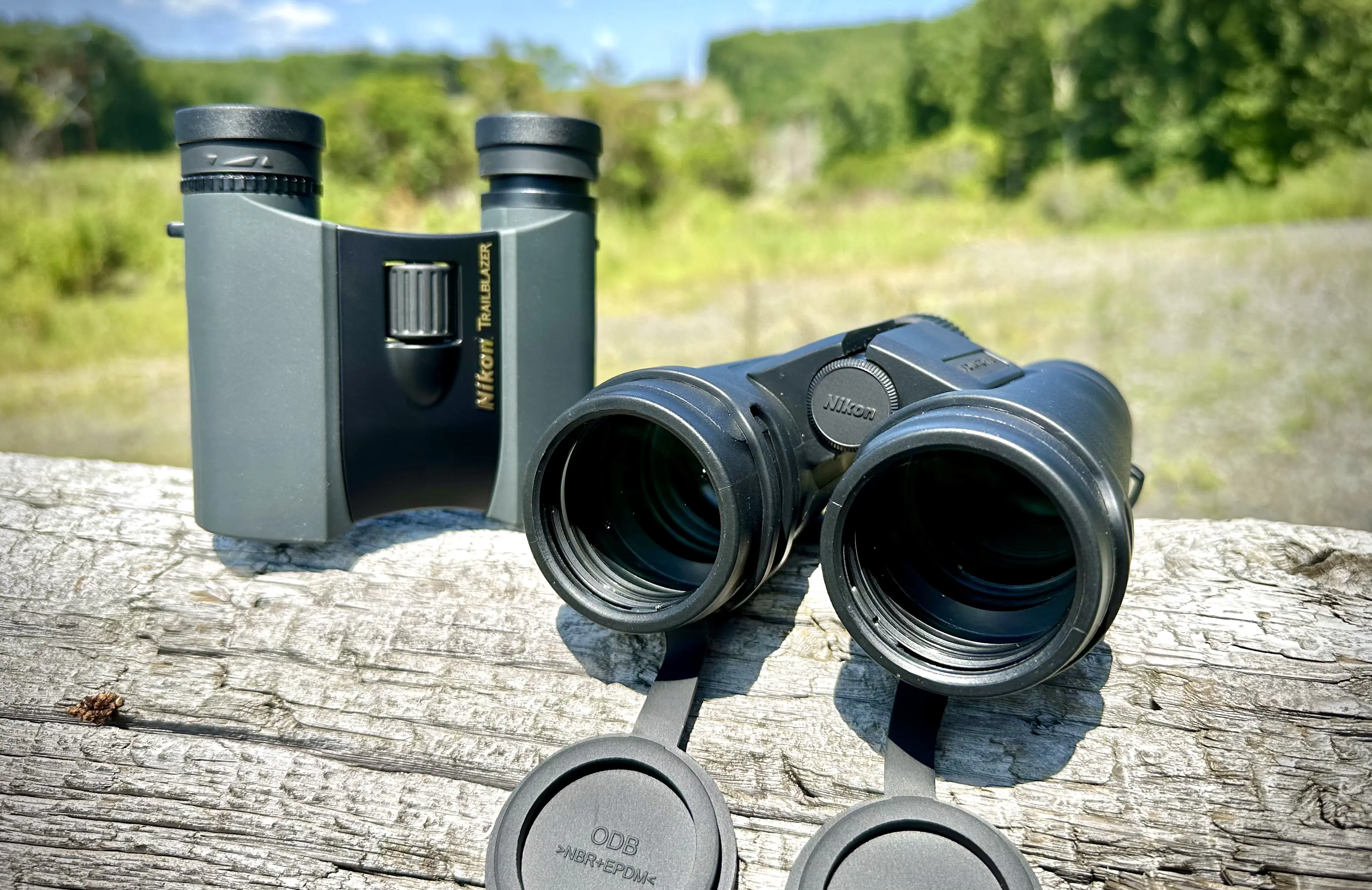
Credit: gearjunkie.com
Tips For Choosing The Right Binoculars
Choosing the right binoculars can greatly enhance your bird watching experience. The right pair offers clarity, comfort, and convenience. It transforms a simple outing into a memorable adventure. Below are tips to guide you in selecting the perfect binoculars.
Matching Binoculars To Bird Watching Needs
Consider the environment where you’ll watch birds. For forests, choose binoculars with a wider field of view. In open areas, higher magnification might be beneficial. Think about the weight and size of binoculars. Lightweight models are easier to carry for long periods. Check if the binoculars are waterproof or weather-resistant. This feature is crucial for outdoor use.
Testing Binoculars Before Purchase
Try the binoculars before buying them. Look through them to assess clarity and focus. Ensure they fit comfortably in your hands. Adjust the focus wheel and check its smoothness. Verify that the eye cups suit your eyes, especially if you wear glasses. Test binoculars in different light conditions. This ensures they perform well in various environments.
Maintenance And Care For Binoculars
Proper cleaning and storage keep binoculars clear and lasting longer. Avoid touching lenses and use a soft cloth to remove dust. Regular checks prevent damage and ensure sharp views during bird watching.
Maintaining your binoculars ensures clear views and long-lasting use. Proper care keeps them functioning at their best. Regular maintenance prevents damage and maintains image quality. Here are essential tips for keeping your binoculars in top condition.Cleaning Lenses Safely
Clean lenses gently for the best results. Use a soft, dry cloth made for optics. Microfiber cloths work well. Avoid paper towels or rough fabrics. They can scratch the lenses. Dust the lenses with a lens brush before cleaning. This prevents scratching. Use a lens cleaning solution if needed. Apply it to the cloth, not directly on the lenses. Wipe gently in a circular motion.Storage And Handling Tips
Store binoculars in a cool, dry place. Keep them in a protective case when not in use. This protects from dust and moisture. Avoid leaving them in direct sunlight. Heat can damage internal components. Handle with care. Use the strap to avoid accidental drops. Keep them away from chemicals or harsh environments.
Credit: www.amazon.com
Frequently Asked Questions
What Magnification Is Ideal For Bird Watching Binoculars?
A magnification of 8x to 10x is ideal for bird watching. It offers a clear, stable view without much hand shake. Higher magnification can reduce image stability and field of view.
Which Lens Size Suits Bird Watching Best?
Lens sizes between 32mm and 42mm are best. They balance brightness and portability well. Larger lenses gather more light but can be bulkier to carry.
Are Waterproof Binoculars Necessary For Bird Watching?
Yes, waterproof binoculars protect against rain and moisture. They ensure clear vision and durability in all weather. This is essential for outdoor bird watchers.
How Important Is Binocular Weight In Bird Watching?
Lightweight binoculars reduce arm fatigue during long observation. Comfort improves viewing time and overall bird watching experience. Choose a balance between weight and durability.
Conclusion
Choosing the right binoculars makes bird watching more fun and clear. Good binoculars help you see birds up close and in detail. Think about size, weight, and lens quality before buying. Remember, comfort matters too for long trips outside. The best binoculars fit your needs and budget well.
Happy bird watching starts with the right gear in hand. Enjoy nature and discover new birds every day.




