
Are chipmunks turning your bird feeder into their personal buffet? You’re not alone.
These tiny, fast critters can quickly empty your feeder and scare away the beautiful birds you want to attract. But don’t worry—there are simple and effective ways to keep chipmunks at bay without harming them. You’ll discover easy tricks and smart solutions to protect your bird feeders.
Keep reading, and soon you’ll enjoy watching colorful birds without the unwanted visitors stealing the show.
Why Chipmunks Visit Bird Feeders
Chipmunks often visit bird feeders because they find a reliable food source. These small animals are always on the lookout for easy meals. Bird feeders offer seeds and nuts that chipmunks love. Understanding why chipmunks come to feeders helps in keeping them away effectively.
Attraction To Seeds And Nuts
Chipmunks are attracted to seeds and nuts found in bird feeders. These foods provide high energy and nutrition. Seeds like sunflower, millet, and safflower are favorites. Nuts such as peanuts also draw chipmunks near. The abundance and variety in feeders make them a tempting spot.
Common Feeding Behaviors
Chipmunks gather food quickly and store it in their cheek pouches. They carry seeds and nuts back to their burrows. This behavior helps them prepare for times when food is scarce. Chipmunks are active during the day, especially in the morning and late afternoon. They often visit feeders multiple times a day.
Seasonal Patterns
Chipmunk activity around feeders changes with the seasons. In spring and summer, they focus on gathering food for growth and reproduction. Fall is a busy time as they collect extra food for winter. During winter, chipmunks stay in burrows but still visit feeders on warmer days. Knowing these patterns helps in planning feeder protection.

Credit: www.amazon.com
Choosing Chipmunk-resistant Feeders
Choosing the right bird feeder can make a big difference in keeping chipmunks away from your bird feeding area. Not all feeders are created equal when it comes to deterring these little critters. Selecting feeders designed with chipmunk resistance in mind means you spend less time dealing with unwanted visitors and more time enjoying the birds.
Feeder Designs That Discourage Chipmunks
Feeders with weight-sensitive perches are a smart choice. These perches close access to the food when something heavier than a bird, like a chipmunk, tries to land. Tube feeders with narrow openings also make it hard for chipmunks to reach the seeds.
Consider squirrel-proof feeders that use cages or baffles to block chipmunks. Some designs feature spinning perches or metal guards that chipmunks can’t grip. Have you noticed how chipmunks avoid feeders that require a delicate balance? That’s the kind of design that keeps them at bay.
Materials And Placement Tips
Metal feeders are tougher for chipmunks to chew through than plastic or wood. Choosing feeders made from sturdy materials can delay or prevent chipmunks from breaking in. You might want to avoid wooden feeders, as chipmunks love to gnaw on wood.
Placement matters just as much as design. Mount your feeder on a tall pole with a baffle underneath to block chipmunks from climbing up. Keep feeders at least 5 feet away from jumping-off points like trees or fences.
Have you tried hanging feeders from thin, smooth wires? Chipmunks struggle to hold on or climb these, making your feeder less accessible. Experiment with different spots and observe where chipmunks frequent the least.
Physical Barriers To Keep Chipmunks Out
Physical barriers are one of the most effective ways to stop chipmunks from raiding your bird feeders. Unlike repellents or noise devices, barriers provide a constant defense without needing frequent attention. They create a clear line that chipmunks find difficult or impossible to cross, protecting your bird food reliably.
Using Baffles And Guards
Baffles are curved or cone-shaped devices placed above or below feeders. They prevent chipmunks from climbing up poles or hanging from branches to reach the seed.
Choose metal or heavy-duty plastic baffles—they are harder for chipmunks to chew through. Position the baffle at least 18 inches below the feeder or 18 inches above the ground to block chipmunks’ path effectively.
Installing guards around the feeder pole can also stop chipmunks from climbing. Smooth metal collars work well because chipmunks cannot grip the surface.
Elevating Feeders Effectively
Raising your bird feeder on a tall, slender pole can keep chipmunks at bay, but it’s not always enough on its own. Chipmunks are excellent jumpers and climbers, so the pole’s surface must be chipmunk-proof.
Use poles with smooth finishes or wrap them with metal sheeting to make climbing impossible. Keep the feeder at least 5 feet off the ground to reduce easy access.
Have you noticed chipmunks leaping from nearby trees or structures? Consider trimming branches that hang close to the feeder. This simple step can cut off their shortcut and force them to find easier targets elsewhere.

Credit: www.amazon.com
Natural Repellents And Deterrents
Natural repellents and deterrents offer a safe way to keep chipmunks away from bird feeders. These solutions use scents and plants that chipmunks dislike. They protect your bird feeders without harming wildlife or the environment.
Plant-based Repellent Options
Certain plants repel chipmunks naturally. Their smell or taste makes chipmunks avoid areas near bird feeders. Planting these around your garden works well.
- Mint: Strong scent that chipmunks hate.
- Garlic: Sharp smell deters many small animals.
- Chili peppers: Spicy taste repels rodents.
- Lavender: Pleasant for humans, unpleasant for chipmunks.
Place pots or plant these herbs near feeders. Refresh the leaves often to keep the scent strong.
Scent-based Deterrents That Work
Scents can keep chipmunks away without traps. Use natural oils and mixtures that chipmunks find offensive. These scents confuse or scare them off.
- Castor oil: Common in many rodent repellents.
- Vinegar: Sharp smell that chipmunks dislike.
- Essential oils like peppermint or eucalyptus: Strong odors chipmunks avoid.
Apply these scents around feeders and garden edges. Reapply often, especially after rain, for best results.
Maintaining Clean Feeding Areas
Keeping the area around bird feeders clean helps stop chipmunks from visiting. Chipmunks are drawn to spilled seeds and leftover food on the ground. A tidy feeding spot reduces their chance to find easy meals. This encourages birds to come without attracting unwanted guests.
Removing Spilled Seeds
Spilled seeds on the ground invite chipmunks and other pests. Clear away dropped seeds daily to keep the area clean. Use a small broom or rake to gather the mess quickly. Dispose of the seeds far from the feeder to avoid attracting animals back.
Consider placing a tray under feeders to catch falling seeds. This simple step reduces ground spills and keeps seeds contained. Clean the tray often to prevent buildup and odors.
Regularly Cleaning Feeders
Dirty feeders can hold old seeds and mold, which attract chipmunks. Wash feeders with warm, soapy water every one to two weeks. Rinse well and let them dry before refilling with fresh seeds. This keeps the food safe and less tempting for chipmunks.
Inspect feeders for cracks or holes where seeds can spill. Fix or replace damaged feeders to maintain cleanliness. A clean feeder area supports healthy birds and discourages pests.
Alternative Feeding Stations For Chipmunks
Offering chipmunks their own feeding stations filled with seeds can keep them away from bird feeders. Placing these stations away from bird areas helps protect birds’ food while satisfying chipmunks’ needs. This simple change keeps both animals happy.
Alternative Feeding Stations for Chipmunks Creating alternative feeding stations for chipmunks can be a win-win situation for you and the birds. By offering chipmunks their own designated areas to snack, you can redirect their attention away from your bird feeders. This not only ensures that your feathered friends get their fill but also gives chipmunks a safe space to munch on their favorite treats.Providing Separate Food Sources
Consider setting up a small feeding area specifically for chipmunks. You can use a shallow dish or a small platform to place their food. Fill it with seeds, nuts, and fruits that chipmunks love. Position this feeding station at a distance from your bird feeders. This reduces the likelihood of chipmunks venturing into bird territory. By regularly refilling the chipmunk station, you’ll encourage them to frequent their own spot. Have you ever noticed how animals prefer convenience, just like us?Creating Attractive Chipmunk Habitats Away From Feeders
Think about what makes an appealing habitat for chipmunks. They love areas with plenty of cover to hide from predators, so placing a few rocks or logs nearby can make their area more inviting. Planting some low bushes or ground cover around their feeding station can also provide a sense of security. This could encourage them to stay put rather than explore your bird feeders. Using natural elements not only makes the area more attractive to chipmunks but also blends seamlessly with your garden. What other creative ways can you think of to keep them entertained and away from your bird feeders?Monitoring And Adjusting Strategies
Track how chipmunks respond to your bird feeder setup and change tactics as needed. Small adjustments can stop chipmunks from getting food. Keep an eye on the feeder to find the best way to protect it.
Monitoring and adjusting strategies help keep chipmunks away from bird feeders. Observing chipmunk behavior lets you refine your approach. This ensures that your methods remain effective. By adapting, you can protect bird feeders and enjoy watching birds.Tracking Chipmunk Activity
Set up a routine to check for chipmunk presence. Early morning and late afternoon are active times. Look for tracks or small holes near feeders. Use a simple journal to record sightings and times. This helps identify patterns in chipmunk behavior.Adapting Methods Over Time
Change tactics if chipmunks find new ways to reach feeders. Consider relocating bird feeders to harder-to-reach spots. Use baffles or domes to block access. Try different types of bird feed that chipmunks dislike. Regularly review and adjust your strategies to stay ahead.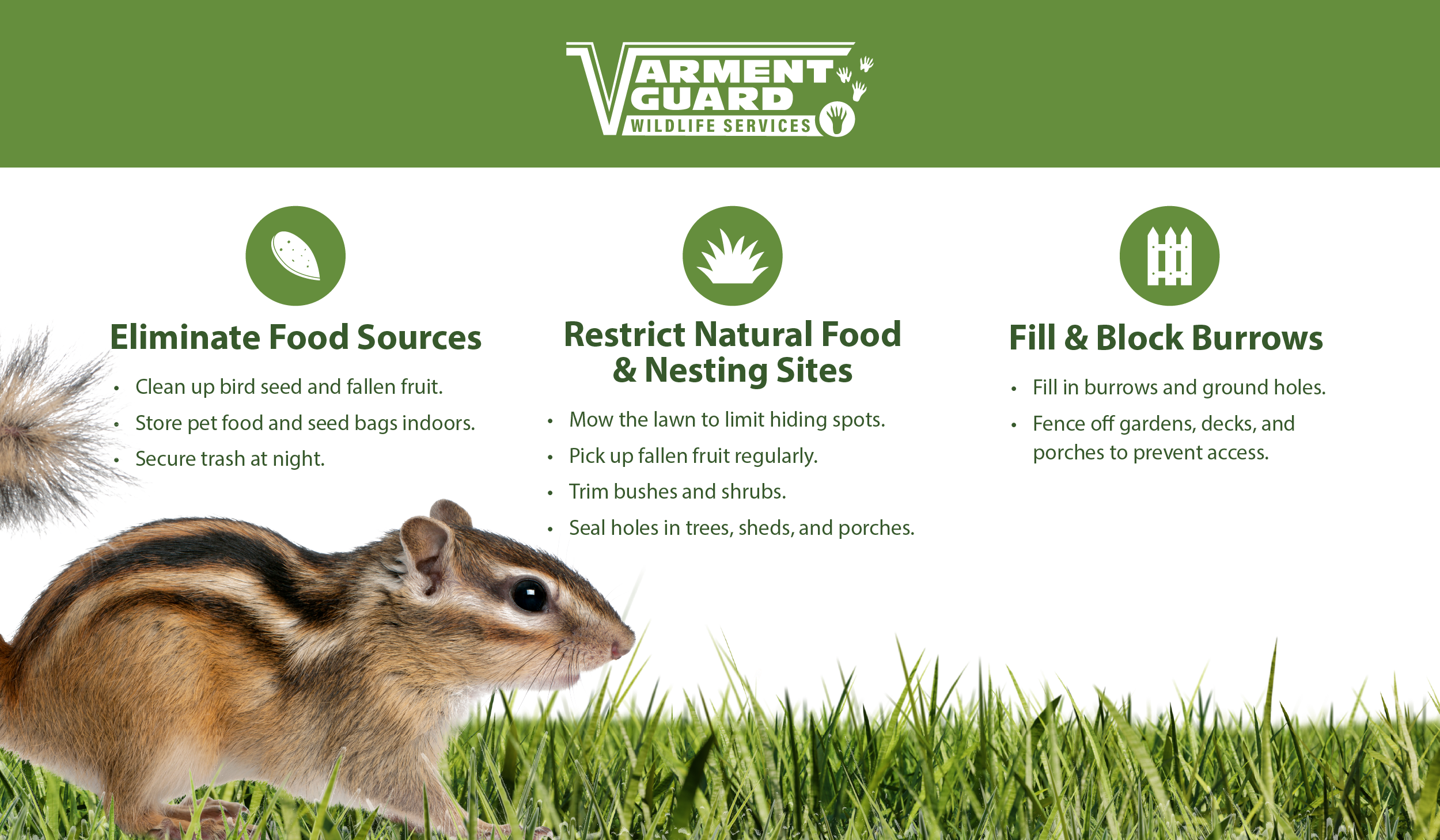
Credit: varmentguard.com
Frequently Asked Questions
How Can I Stop Chipmunks From Eating Birdseed?
Use squirrel-proof feeders and baffles to block chipmunks. Clean spilled seeds regularly to reduce attraction. Planting chipmunk-repellent plants nearby also helps keep them away.
What Natural Deterrents Repel Chipmunks Near Feeders?
Peppermint oil, cayenne pepper, and garlic sprays deter chipmunks. Sprinkle these around feeders or on the ground. These natural scents are unpleasant to chipmunks but safe for birds.
Are There Bird Feeders Chipmunks Cannot Access?
Yes, tube feeders with weight-activated perches close access when chipmunks land. Hopper feeders with metal guards and hanging feeders away from the ground also limit chipmunk access effectively.
Why Do Chipmunks Target Bird Feeders?
Chipmunks seek easy food sources like birdseed. Feeders offer high-calorie seeds accessible on or near the ground. Their natural foraging instincts drive them to raid feeders.
Conclusion
Keeping chipmunks away from bird feeders takes patience and smart steps. Use barriers and choose feeders chipmunks cannot reach. Clean up spilled seeds to avoid attracting them. Try natural repellents or noise to scare chipmunks off. Watch your feeder often and adjust your methods if needed.
Enjoy watching birds without unwanted visitors stealing food. Small changes make a big difference in protecting your feeders. Stay consistent and chipmunks will visit less over time. Simple actions lead to peaceful bird feeding moments.




