
Have you ever wanted to create a peaceful spot in your garden where birds come to refresh and play? Making a bird bath is easier than you think, and it can bring life and beauty right to your backyard.
Imagine watching colorful birds splash and flutter, all thanks to something you built yourself. In this guide, you’ll discover simple steps to make a bird bath that attracts feathered friends and adds charm to your outdoor space. Ready to bring nature closer and enjoy your own little bird paradise?
Let’s get started!
Choosing The Right Location
Choosing the right location for your bird bath is key to attracting birds and keeping them safe. The spot should offer comfort and security. Birds prefer places that meet their needs for water, rest, and safety. Thoughtful placement helps them feel calm and ready to visit often.
Consider Sunlight And Shade
Pick a spot with a mix of sun and shade. Sunlight warms the water, making it pleasant for birds. Shade helps keep the water cool and fresh longer. A balance prevents the water from getting too hot or too cold. Birds enjoy bathing in gentle sunlight but need shade to rest afterward.
Ensure Easy Access For Birds
Choose a location where birds can easily reach the bath. Avoid places too close to busy paths or loud noises. Open areas near trees or shrubs work well. These provide perches and quick escape routes. Clear access helps birds feel safe and relaxed.
Avoid Predators
Keep the bird bath away from places where cats or other predators hide. Avoid dense bushes or thick ground cover nearby. Predators can sneak up quickly in such spots. A clear view around the bath lets birds watch for danger. This safety makes birds more likely to visit regularly.

Credit: www.youtube.com
Selecting Materials
Selecting the right materials is key to building a safe and attractive bird bath. The choice affects how long it lasts, how easy it is to clean, and how comfortable it is for birds. Materials can be natural or artificial, each with its own benefits. Think about durability and safety for the birds. Also, consider eco-friendly options to protect the environment.
Natural Vs. Artificial Options
Natural materials include stone, wood, and clay. These blend well with outdoor spaces. Stone is heavy and stable but can be costly. Wood offers a rustic look but may rot if not treated. Clay is easy to shape but can crack in cold weather.
Artificial materials are plastic, concrete, and metal. Plastic is lightweight and cheap but may fade under the sun. Concrete is sturdy and customizable but heavy. Metal holds up well but can get hot in summer, which birds dislike.
Durability And Safety
Choose materials that resist weather changes. Avoid those that break or chip easily. Rough edges can hurt birds, so smooth surfaces are better. Non-toxic materials keep birds safe from harm. Regular cleaning is easier with durable materials.
Eco-friendly Choices
Look for recycled or natural materials. Using reclaimed wood or stone reduces waste. Avoid plastics that pollute and break down slowly. Biodegradable materials help the earth stay clean. Eco-friendly options support wildlife and nature.
Designing The Bird Bath
Designing the bird bath is a fun part of the project. It shapes how birds use and enjoy it. A well-designed bird bath attracts more birds and fits nicely in your garden space. Consider size, shape, and surface details carefully. These elements help birds feel safe and comfortable while drinking or bathing.
Simple Shapes And Sizes
Choose simple shapes like circles, ovals, or shallow bowls. These shapes offer easy access for birds. The bath should be no deeper than 2 inches. Shallow water prevents birds from drowning and suits small birds better. The size depends on space and bird variety. A small bath works for a few birds. A larger one invites groups to visit together.
Adding Texture For Grip
Birds need grip to stand safely in water. Smooth surfaces can be slippery and dangerous. Add texture inside the bath to help birds hold on. Rough stones, pebbles, or tiles work well. You can glue small rocks or use textured paint. Texture stops birds from slipping and makes the bath more natural-looking.
Incorporating Decorative Elements
Decorative touches make the bird bath a garden highlight. Use natural materials like stones, shells, or wood. These attract birds and blend with plants. Keep decorations simple and avoid sharp edges. You can paint the bath in soft colors to match your garden. Decorations should not block the water or bird access. Balance beauty with function for the best results.
Building The Base
Choose a sturdy base for your bird bath to ensure stability. Materials like concrete, stone, or heavy wood work best. Secure the base firmly to keep the bath steady and safe for birds.
Building the base of your bird bath is a crucial step that can influence its stability, aesthetics, and functionality. A well-constructed base not only supports the bath but also enhances your garden’s charm. Let’s explore how to ensure your bird bath stands tall and proud.Using Sturdy Supports
The foundation of any bird bath should be robust enough to withstand weather changes and the occasional curious animal. Opt for materials like concrete, stone, or treated wood, which are known for their durability. Think about the area where you’ll place your bath. Is it prone to strong winds or is the ground uneven? Adjust your choice of materials and design accordingly to avoid future mishaps.Balancing Stability And Style
A bird bath should be both functional and a feast for the eyes. While stability is paramount, don’t compromise on style. Consider incorporating decorative elements like mosaic tiles or unique carvings that reflect your personality. Balance is key. A well-designed base that complements the top can transform a simple bird bath into a garden centerpiece. How can you merge functionality with flair in your design?Elevating The Bath
Elevating the bath not only makes it more visible but also keeps it safe from ground-dwelling predators. Use pedestals, bricks, or even upcycled materials like old pots to give your bath the lift it needs. Ensure the elevation is secure. Test its stability by gently applying pressure from different angles to see if it wobbles. A slight tilt today can lead to a topple tomorrow, so adjust until it’s rock solid. By focusing on these elements, your bird bath will not only serve its purpose but also become a delightful addition to your outdoor space. What creative ideas do you have to make your bird bath truly unique?Assembling The Bird Bath
Assembling the bird bath is a rewarding part of the project. It brings all pieces together to create a safe water spot for birds. Attention to detail here ensures a sturdy and attractive bath.
Step-by-step Construction
Start by choosing a stable base. This holds the bath steady and safe for birds. Attach the bowl or basin carefully to the base. Use screws or strong adhesive made for outdoor use. Check the alignment to keep the water level even. Place the assembled parts on a flat surface to test stability.
Sealing And Waterproofing
Seal all joints and edges to prevent leaks. Use a non-toxic waterproof sealant safe for wildlife. Apply sealant evenly around every connection point. Let the sealant dry fully before adding water. This step stops water damage and keeps the bath lasting longer outdoors.
Ensuring Easy Cleaning
Design the bird bath for easy cleaning. Smooth surfaces help prevent dirt buildup. Avoid tight corners where algae can grow. Choose materials that resist stains and mold. Make sure the basin can be lifted or accessed easily. Regular cleaning keeps birds healthy and water fresh.
Maintaining The Bird Bath
Keeping your bird bath clean and well-maintained is key to attracting birds and ensuring their safety. Dirty water can deter birds and even harm them. Regular attention to your bird bath makes it a welcoming spot for local wildlife and a beautiful feature in your garden.
Regular Cleaning Tips
Clean your bird bath at least once a week to prevent algae and bacteria buildup. Use a scrub brush or sponge with a mixture of water and mild soap. Avoid harsh chemicals, as they can be harmful to birds.
Rinse thoroughly after scrubbing to remove all soap residue. If you notice stubborn algae, try a solution of one part vinegar to nine parts water for a natural clean. Remember, a clean bird bath invites more feathered visitors.
Refilling And Water Quality
Change the water every two to three days, or more often in hot weather. Fresh water encourages birds to return and reduces the risk of mosquito larvae developing. Always use clean, fresh water from a safe source.
If your tap water is hard or has chlorine, consider using filtered or rainwater. Birds prefer water that’s clear and safe to drink. Have you noticed how much more active your bird bath gets with fresh water?
Seasonal Care
In cold months, prevent water from freezing by using a bird bath heater or placing the bath in a sunny spot. Ice blocks can keep birds from drinking, so a small heater can make a big difference. In winter, check the bath daily to ensure water is available.
During dry seasons, refill more often to provide a reliable water source. Cover the bath when heavy leaves fall in autumn to keep it clean. Your seasonal efforts help maintain a safe oasis for birds throughout the year.
Attracting Birds To Your Bath
Creating a bird bath is only the first step. Making it inviting for birds is just as important. Birds seek safety, fresh water, and a natural feel. Designing your bird bath area with these needs in mind will bring more visitors. Simple choices can turn your bath into a popular bird spot.
Adding Plants And Shelter
Plants near the bird bath provide shelter and food. Shrubs and small trees offer protection from predators. Birds feel safer when they can hide quickly. Choose native plants to attract local bird species. Avoid tall plants that block the bath’s view. Low bushes and grasses work best for cover.
Providing Fresh Water
Birds prefer clean, fresh water for drinking and bathing. Change the water every day to prevent bacteria growth. Use a shallow bath, about 2 inches deep, to make it easy for birds. Add a small fountain or dripper for moving water. Moving water catches birds’ attention and keeps it fresh longer.
Avoiding Common Mistakes
- Don’t place the bath near heavy foot traffic or noisy areas.
- Avoid deep water that can drown small birds.
- Keep the bath away from spots where cats can hide.
- Clean the bath weekly to stop algae and germs.
- Use non-toxic materials and avoid chemicals in the water.
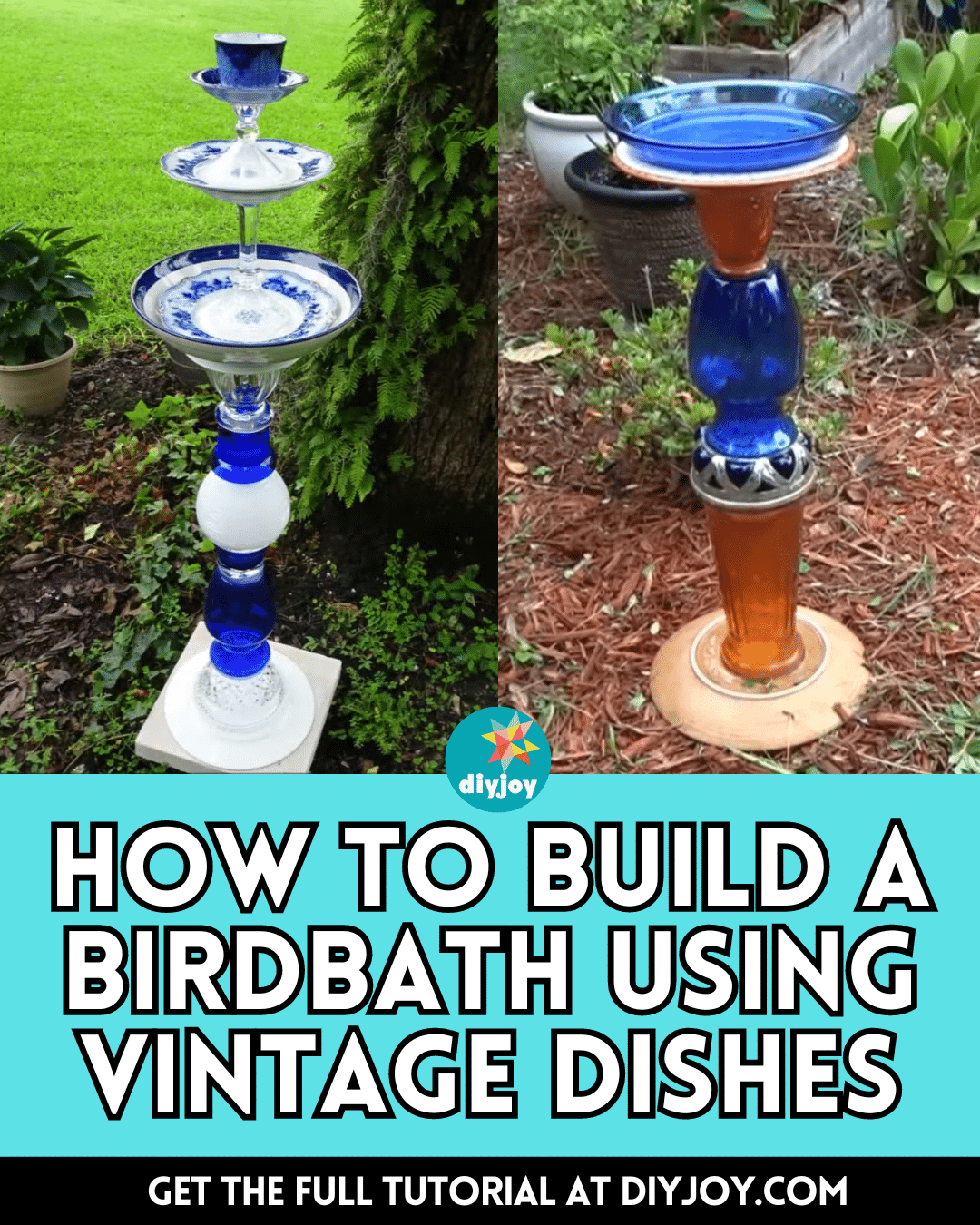
Credit: diyjoy.com
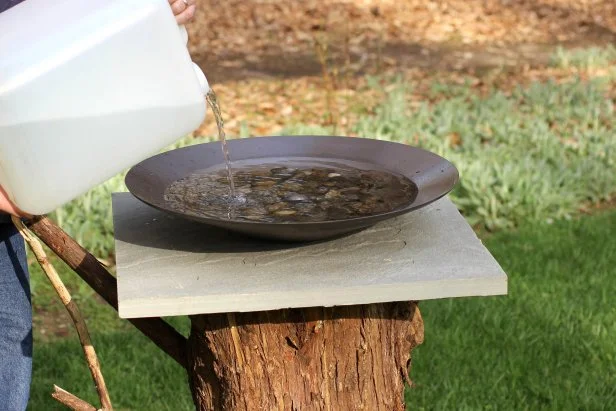
Credit: www.hgtv.com
Frequently Asked Questions
What Materials Do I Need To Make A Bird Bath?
You need a shallow basin, sturdy base, waterproof sealant, and non-toxic paint. Natural materials like stone or ceramic work well. Avoid sharp edges to keep birds safe. Ensure the basin holds water without leaking for a reliable bird bath.
How Do I Choose The Right Location For A Bird Bath?
Place the bird bath in a quiet, shaded area near trees or shrubs. This offers birds shelter and safety from predators. Avoid direct sunlight to keep water cool and fresh. Ensure easy access for birds but away from heavy foot traffic.
How Often Should I Clean My Bird Bath?
Clean your bird bath weekly to prevent algae and bacteria buildup. Use mild soap and water, rinsing thoroughly to avoid harming birds. Regular cleaning keeps water fresh and safe. In hot weather, clean more frequently to maintain hygiene.
Can I Use A Bird Bath To Attract Specific Bird Species?
Yes, shallow water and added perches attract different birds. Adding pebbles or stones inside gives small birds a place to stand. Plant native flowers nearby to provide food and shelter. Tailoring your bird bath setup can invite diverse bird species.
Conclusion
Creating a bird bath is simple and fun. It helps birds find water and stay cool. You only need a few materials to start. Place the bath in a quiet, safe spot. Clean it often to keep birds healthy. Enjoy watching birds visit your garden daily.
A bird bath brings life and joy outside. Try making one today and see the difference. Small actions can help nature around your home.




