
Bird's eye view photography shows scenes from high above, giving a fresh look at familiar places. This style captures details not seen from the ground.
Bird’s eye view photography uses angles from above, often taken by drones or planes. It reveals patterns, shapes, and colors in nature and cities. This type of photography helps people see the world in a new way. It highlights the beauty of landscapes, buildings, and wildlife from a top-down perspective.
Photographers use this method to tell unique stories through images. The Handbook of Bird Photography and Bird (Eye Know) offer great examples of this style. These resources guide beginners and experts to create striking bird’s eye photos. Understanding this technique opens doors to creative photo ideas anyone can try.
The Handbook Of Bird Photography
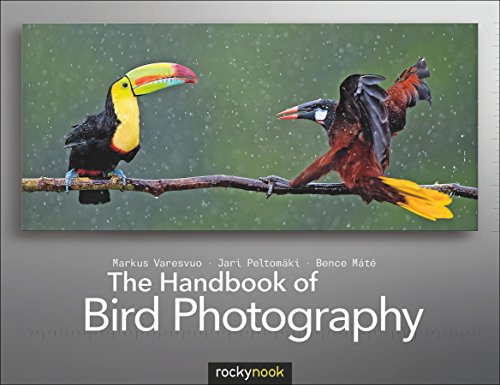
The Handbook of Bird Photography is perfect for both amateur and professional photographers who are passionate about capturing stunning images of birds. If you are someone eager to enhance your skills in wildlife photography or specifically interested in bird behavior and photography techniques, this book is an ideal resource for you.
Pros:
- Comprehensive coverage of bird photography techniques and tips.
- Detailed explanations suitable for beginners and advanced photographers.
- High-quality content from a reputable Brand and Manufacturer, Rocky Nook.
- Includes practical advice on equipment, settings, and fieldwork.
- Compact and manageable size with 368 pages, making it easy to carry outdoors.
Cons:
- Published in 2013, some camera technology updates may not be included.
- Weight of nearly 3 pounds might be a consideration for some travelers.
Measuring 8.0 inches in height, 10.0 inches in length, and 1.1 inches in width, The Handbook of Bird Photography offers a substantial 368 pages filled with expert advice and beautiful imagery. This first edition book provides detailed insights into various aspects of bird photography, from equipment recommendations to understanding bird behavior for the perfect shot. The physical dimensions and weight make it a sturdy companion for outdoor photography trips.
Readers will benefit greatly from the structured approach that Rocky Nook has taken, offering both theoretical knowledge and practical applications. The book’s extensive content allows photographers to improve their skills progressively while also understanding the ethical and environmental considerations involved in bird photography. Overall, it serves as a valuable guide for anyone looking to elevate their bird photography to the next level.
Bird Eye Know

The Bird (Eye Know) book by DK Children is ideal for young learners and parents seeking an engaging, educational resource about birds. This compact and lightweight book, with its 24 pages, is perfect for children who enjoy exploring nature and developing early reading skills. Its manageable size and clear illustrations make it especially suitable for preschoolers and early elementary students eager to expand their knowledge about birds in an interactive way.
Pros:
- Compact dimensions (8.25 inches height, 0.5 inches width, 8.0 inches length) make it easy to handle for young readers.
- Lightweight (0.55 pounds) design facilitates portability and ease of use.
- Published by the trusted DK brand, known for quality educational content.
- Contains concise and informative content across 24 pages, ideal for maintaining children’s attention.
- Part of the Ltf Edition, ensuring up-to-date and well-curated information.
Cons:
- Limited page count may restrict in-depth coverage of certain bird species.
- Publication date (2006) means some information might not include the latest research.
- Primarily suited for younger audiences, less appropriate for advanced bird enthusiasts.
The Bird (Eye Know) book offers vibrant illustrations and simple text that make learning about birds accessible and enjoyable for children. Its carefully designed layout encourages curiosity and supports early literacy by combining factual knowledge with engaging visuals. The book’s size and weight make it an excellent companion for both home reading and educational outings, allowing children to connect with nature firsthand.
Additionally, the book’s concise format helps young readers to absorb information without feeling overwhelmed, fostering a love for wildlife and the environment. By introducing foundational bird concepts, this edition supports educational growth and inspires children to explore further, making it a valuable addition to any child’s library or classroom resource collection.
Frequently Asked Questions
What Are Bird’s Eye View Photography Examples?
Bird's eye view photography captures scenes from directly above. Examples include landscapes, cityscapes, and wildlife shots. This perspective offers unique patterns and shapes invisible from ground level, enhancing visual storytelling and creativity in bird photography.
How Does “the Handbook Of Bird Photography” Help Beginners?
“The Handbook of Bird Photography” offers practical tips and techniques. It covers camera settings, composition, and bird behavior. Beginners learn how to capture sharp, vibrant bird images efficiently. The book is a valuable guide to improve photography skills step-by-step.
What Unique Insights Does “bird (eye Know)” Provide?
“Bird (Eye Know)” focuses on understanding birds’ behavior and habitats. It helps photographers anticipate bird movements for better shots. The book combines science with photography tips, making it easier to capture natural, candid bird moments from above.
Why Use Bird’s Eye View In Bird Photography?
Bird’s eye view reveals bird patterns and environments from above. It adds context and scale to images. This perspective highlights flight formations, nests, and habitat details, offering fresh, captivating visuals that ground-level shots can’t achieve.
Can Bird’s Eye View Photos Improve Wildlife Conservation Awareness?
Yes, bird’s eye view photos show habitats and environmental changes clearly. They help raise awareness of habitat loss and pollution. Stunning aerial images can inspire conservation efforts by visually connecting people to wildlife and their ecosystems.
Conclusion
Bird's eye view photography offers a fresh way to see the world from above. It shows details that are hard to notice from the ground. Using examples from “The Handbook of Bird Photography” and “Bird (Eye Know),” you can learn how to capture these unique shots.
This style helps tell stories about nature and places in a clear, simple way. Even beginners can start practicing with basic tools and patience. The key is to observe and wait for the right moment. Bird’s eye view photos can make ordinary scenes look special and exciting.
They also help us appreciate the beauty of birds and their habitats. Keep exploring different angles and lighting to improve your skills. With time, your photos will tell powerful stories from the sky’s perspective. It’s a fun and creative way to connect with nature through your camera.




