
Have you ever wondered what bird seed is made of and why it attracts so many feathered friends to your backyard? Knowing what goes into bird seed can help you choose the best mix for your favorite visitors.
Whether you want to feed colorful songbirds, curious sparrows, or energetic finches, understanding the ingredients makes a big difference. Keep reading to discover what bird seed really contains and how it can bring more life and joy to your outdoor space.

Credit: www.amazon.com
Common Bird Seed Ingredients
Understanding what goes into bird seed mixes can change how you choose food for your feathered visitors. Common bird seed ingredients vary widely, each attracting different types of birds and offering unique nutritional benefits. Knowing these ingredients helps you create a feeding experience that’s both enjoyable and healthy for the birds in your yard.
Sunflower Seeds
Sunflower seeds are a favorite among many bird species. Their high oil content provides essential energy, especially during colder months. You’ll often find black oil sunflower seeds in mixes because they are easy for birds to crack open and full of nutrients.
Have you noticed how cardinals and chickadees flock to feeders stocked with sunflower seeds? Their popularity is no accident—they’re a powerhouse ingredient for attracting a variety of birds.
Millet
Millet is a small, round seed that many ground-feeding birds love. It’s often included in seed mixes because it appeals to sparrows, doves, and juncos. Millet is easy to digest and provides important carbohydrates, giving birds a quick energy boost.
Including millet in your bird seed can encourage more species to visit your feeder. Ever wondered why some birds only come when you scatter seeds on the ground? Millet is usually the reason.
Safflower Seeds
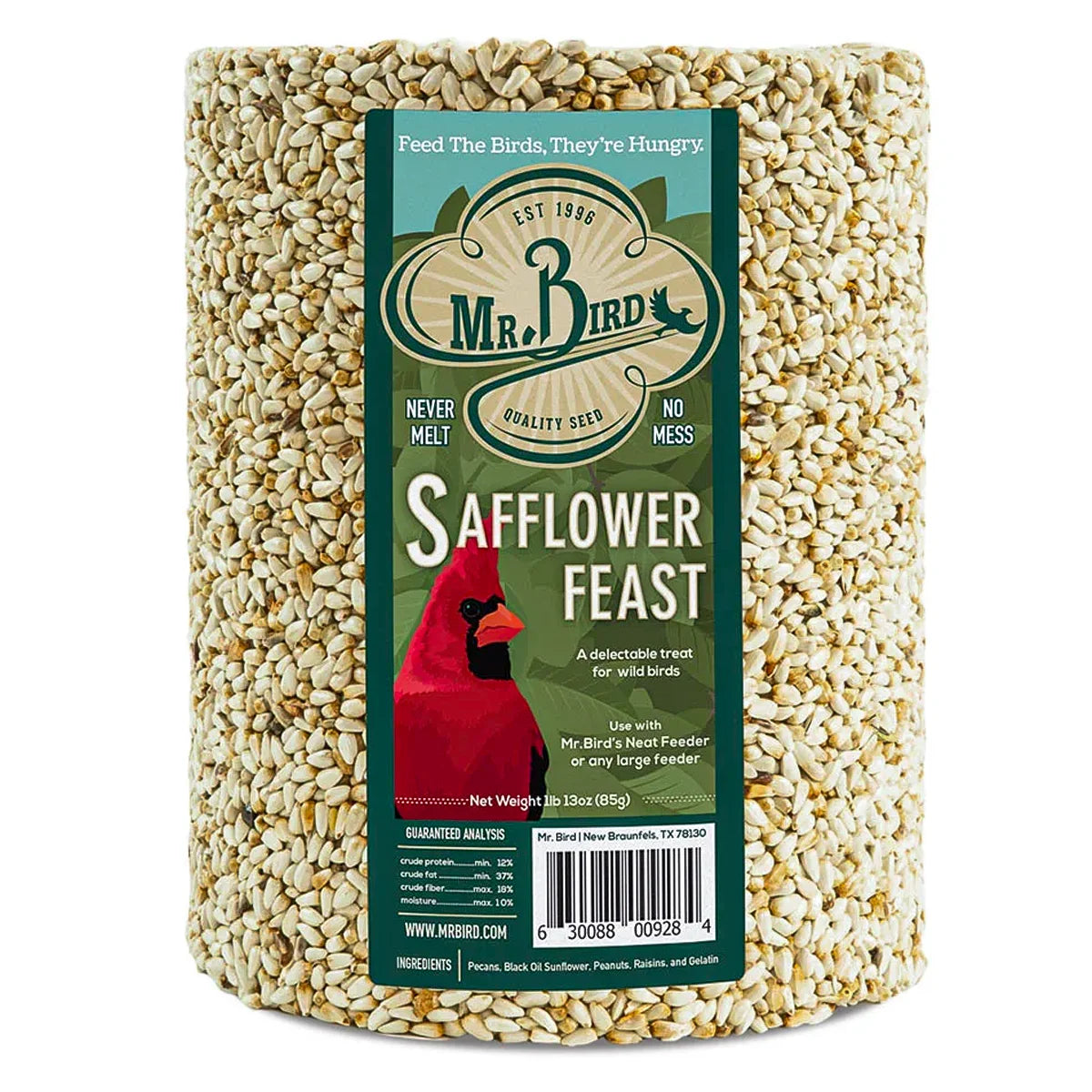
Safflower seeds have a tough outer shell and a slightly bitter taste that some birds prefer. They are especially favored by cardinals and grosbeaks but often ignored by squirrels. This makes safflower a practical choice if you want to reduce seed theft.
Choosing safflower seeds can be a smart way to protect your investment and still feed your favorite birds. Have you tried this to keep pesky squirrels away?
Cracked Corn
Cracked corn is a popular filler ingredient in many bird seed blends. It attracts larger birds like jays, pigeons, and ducks. While not as nutrient-dense as other seeds, cracked corn provides plenty of carbohydrates and helps fill out the mix affordably.
Offering cracked corn might bring an unexpected variety of birds to your feeder. Do you want to attract waterfowl or larger birds? Adding cracked corn could be the key.
Nyjer Seeds
Nyjer seeds are tiny and packed with oil, making them a favorite for finches and siskins. Because they are so small, nyjer seeds require special feeders with tiny holes. These seeds are excellent for attracting vibrant goldfinches to your garden.
Have you ever seen those bright yellow finches at a feeder? Nyjer seed is often their go-to treat. Providing this seed can brighten your bird-watching experience in a unique way.

Credit: www.amazon.com
Nutritional Benefits For Birds
Bird seed is more than just food. It offers vital nutrients that support bird health. These nutrients help birds grow, fly, and stay active. Different seeds provide different benefits. Understanding these helps us choose the best seed mix for wild or pet birds.
Proteins And Fats
Proteins build strong muscles and feathers. Seeds like sunflower and safflower are rich in protein. Fats give birds long-lasting energy. They also help keep feathers shiny and skin healthy. Birds need fats especially during cold weather to stay warm.
Vitamins And Minerals
Vitamins support the bird’s immune system and vision. Seeds contain vitamins such as A, D, and E. Minerals like calcium and magnesium strengthen bones and eggshells. A balanced seed mix ensures birds get these essential nutrients every day.
Energy Sources
Carbohydrates in seeds provide quick energy. Millet and cracked corn are good sources. Birds use this energy for flying, singing, and searching for food. A mix of seeds with carbs helps birds stay active and healthy all day long.
Seed Mixes For Different Birds
Seed mixes vary widely to meet the dietary needs of different bird species. Choosing the right mix can make a big difference in attracting and supporting the birds you want in your yard. Understanding what each mix contains helps you provide the best nutrition and enjoy watching diverse bird visitors.
Seeds For Small Songbirds
Small songbirds like finches, chickadees, and sparrows prefer tiny seeds that are easy to handle. Common ingredients include:
- Nyjer (thistle) seeds– loved by finches for their high oil content.
- Millet– white proso millet is a favorite among sparrows and juncos.
- Canary seed– small and soft, perfect for tiny beaks.
Have you noticed how finches flock more when you add Nyjer seeds? It’s a clear sign that matching seed size to bird size matters.
Seeds For Larger Birds
Larger birds such as cardinals, grosbeaks, and doves need bigger, heartier seeds. These mixes often include:
- Sunflower seeds– black oil sunflower seeds are rich in oil and easy to crack.
- Safflower seeds– less popular with squirrels, great for cardinals.
- Peanuts– shelled or whole, they provide protein for bigger birds.
Adding sunflower seeds to your feeder can increase visits from cardinals significantly. Would you like to attract more colorful birds? This is a simple step to try.
Specialty Mixes
Some mixes target specific bird types or seasons. For example, high-fat blends help birds build energy in winter. Others focus on wild birds like jays or woodpeckers and may include:
- Suet pelletsfor woodpeckers and nuthatches.
- Cracked cornfor ground-feeding birds like doves and quail.
- Fruit piecesfor species that enjoy berries and seeds.
Have you tried mixing suet pellets with seeds to attract woodpeckers? It can surprise you how quickly they find your feeder.
Factors Affecting Seed Quality
Seed quality plays a big role in feeding birds well. Different factors affect how good the seeds are. These include how fresh the seeds are, their size and shell, and any additives added to them. Understanding these points helps in choosing the best bird seed.
Freshness And Storage
Fresh seeds offer more nutrients and better taste for birds. Old seeds lose flavor and can spoil. Proper storage keeps seeds dry and cool. Avoid places with high heat or moisture. Use airtight containers to stop pests and mold. Good storage keeps seeds fresh longer.
Seed Size And Shell Hardness
Seed size matters for different bird types. Small birds prefer smaller seeds they can eat easily. Larger birds can handle bigger seeds. Hard shells protect seeds but can be hard to crack. Some birds enjoy cracking hard shells for extra food. Choose seed size and shell hardness based on the birds you want to feed.
Additives And Preservatives
Some bird seeds have added vitamins or minerals. These help improve bird health. Preservatives keep seeds from spoiling fast. Natural preservatives are better for birds. Avoid seeds with harmful chemicals or artificial colors. Clean, simple seed blends are best for wild birds.
Homemade Bird Seed Mixes
Making your own bird seed mix can be a rewarding way to attract a variety of birds to your backyard. You get to control the ingredients and tailor the mix to the birds you want to feed. It’s also a chance to avoid fillers and additives often found in commercial mixes.
Choosing Ingredients
Start with seeds that local birds prefer. Sunflower seeds are a favorite for many species. Millet works well for smaller birds like finches, while cracked corn attracts larger birds like doves and pigeons.
Adding nuts like peanuts can boost energy for birds during colder months. You might also include dried fruits to provide natural sugars and vitamins. Think about what birds in your area naturally eat and try to mimic that.
Balancing Nutrition
Birds need a mix of fats, proteins, and carbohydrates to stay healthy. A good homemade mix should reflect this balance. Too much of one type can lead to nutritional gaps or even harm the birds.
For example, sunflower seeds offer high fat content, which is great for energy, but pairing them with millet or oats ensures birds get enough carbohydrates. Adding some dried mealworms or crushed eggshells can supply protein and calcium, especially during breeding season.
Avoiding Harmful Seeds
Not all seeds are safe for birds. Avoid seeds like apple seeds or cherry pits, which contain toxins. Also, skip any seeds treated with pesticides or chemicals.
Some cheap commercial mixes contain filler seeds like wheat or oats that birds often discard. These might attract pests or mold if left uneaten. Always choose clean, untreated seeds and store your mix in a dry, cool place to keep it fresh.
Credit: duncraft.com
Frequently Asked Questions
What Ingredients Are Commonly Used In Bird Seed?
Bird seed typically contains sunflower seeds, millet, cracked corn, and safflower seeds. These ingredients provide birds with essential nutrients and energy.
Why Do Bird Seed Mixes Vary In Composition?
Different bird seed mixes cater to specific bird species. Mixes vary to attract a variety of birds or target particular species.
Is Bird Seed Safe For All Wild Birds?
Most bird seed blends are safe for wild birds. However, some seeds may attract pests or be unsuitable for certain species.
How Does Bird Seed Benefit Wild Birds?
Bird seed supplies vital nutrients, especially during winter. It helps birds maintain energy and supports their survival in harsh conditions.
Conclusion
Bird seed usually contains a mix of grains and seeds. Common ingredients are sunflower seeds, millet, and cracked corn. Each type of seed attracts different birds. Choosing the right mix helps feed your local birds well. Understanding bird seed helps you care for wild birds better.
Simple seeds can bring more birds to your yard. Feeding birds supports nature and adds joy to your day. Try different seeds to see which birds visit you. Enjoy watching birds with the right bird seed mix.




