
Have you ever wondered if hummingbird feeders attract more than just hummingbirds? You might be surprised to learn that a variety of other birds are drawn to these sweet spots.
If you’ve set up a feeder in your yard, you’re probably curious about which feathered visitors might stop by. Knowing who else drinks from your hummingbird feeder can help you better care for your garden and enjoy watching a wider range of birds.
Keep reading to discover the unexpected guests that love hummingbird nectar as much as the tiny hummingbirds themselves!
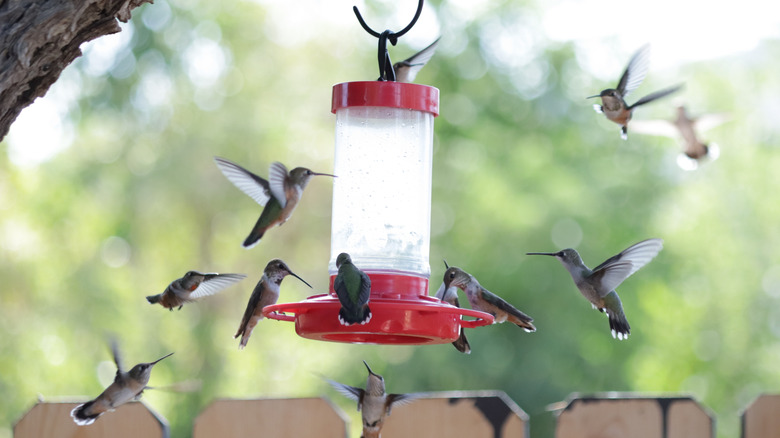
Credit: www.outdoorguide.com
Common Hummingbird Feeder Visitors
Hummingbird feeders often attract more than just hummingbirds. These feeders provide a sweet source of nectar that appeals to a variety of creatures. Understanding who else visits your feeder can help you manage your garden better and enjoy a wider range of wildlife.
Insects And Butterflies
Many insects are drawn to hummingbird feeders because of the sugary nectar. Butterflies, especially swallowtails and monarchs, frequently sip from the feeder’s ports.
They add vibrant colors to your garden and can be a delight to watch. Have you noticed how butterflies seem to prefer certain feeders over others? This might be due to nectar concentration or feeder placement.
Ants And Bees
Ants are persistent visitors and often try to crawl inside the feeder to reach the nectar. Their presence can frustrate gardeners because they might drive away hummingbirds.
Bees also enjoy the nectar and can sometimes become aggressive around feeders. To keep ants and bees in check, you can use ant moats or place feeders away from flowers that attract bees.
Other Bird Species
Aside from hummingbirds, other small birds like orioles, woodpeckers, and even house finches may visit feeders. Orioles, in particular, have a sweet tooth and will eagerly sip nectar if the feeder has large ports.
These visitors can add variety to your backyard birdwatching but might also compete with hummingbirds for food. Have you tried observing how different species share or compete at the feeder? It’s a fascinating glimpse into nature’s balance.

Credit: www.natureswaybirds.com
Birds Attracted To Sweet Nectar
Sweet nectar attracts more than just hummingbirds. Many other bird species enjoy sipping from hummingbird feeders. These feeders offer a quick energy boost through sugar water, which appeals to various birds. Watching these unexpected visitors can be a delight for bird lovers.
Orioles And Tanagers
Orioles love sweet nectar and often visit hummingbird feeders. Their bright orange color makes them easy to spot. Tanagers, with their vibrant plumage, also enjoy the sugary treat. Both birds prefer feeders with wide perches to land comfortably.
Woodpeckers And Mockingbirds
Woodpeckers visit feeders for the sweet liquid and sometimes for insects nearby. They use their strong beaks to peck at the feeder edges. Mockingbirds are curious and may try nectar for a quick energy burst. They often perch nearby, waiting for a chance to drink.
House Finches And Sparrows
House finches frequently visit hummingbird feeders for nectar and seeds. They are social and often feed in groups. Sparrows, though not nectar specialists, may drink from feeders during scarce food times. Their visits add variety to backyard birdwatching.
Factors That Draw Birds To Feeders
Birds are attracted to feeders for many reasons. Understanding these factors helps you provide the best experience for them. These reasons go beyond just the nectar. Other birds often visit hummingbird feeders because of what draws them in.
Nectar Composition
The sugar content in nectar is very important. Birds need energy, and sugar gives it fast. A mix of four parts water to one part sugar works well. Some birds also like trace minerals in the nectar. Avoid artificial sweeteners or red dye. Natural nectar tastes better and is safer for birds.
Feeder Design And Placement
Bright colors, especially red, catch birds’ eyes. A feeder with multiple feeding ports lets many birds eat at once. Placing feeders near flowers or shrubs offers shelter and safety. Keep feeders clean to prevent disease. Position feeders away from strong wind and direct sun. This makes birds feel safe and comfortable.
Seasonal Influences
Birds’ feeding habits change with seasons. In spring and summer, nectar feeders attract hummingbirds and other nectar-loving birds. In fall and winter, some species rely more on feeders for energy. During migration, feeders offer a critical food source. Adjust nectar levels and feeder placement to match seasonal bird activity.
How To Manage Feeder Sharing
Sharing hummingbird feeders with other birds can bring surprises. Some birds also enjoy the sweet nectar. Managing this sharing keeps feeders clean and hummingbirds safe. Simple actions help control who visits and how often. Protecting feeders from pests and aggressive visitors improves the experience for all.
Preventing Ant And Bee Infestations
Ants and bees love hummingbird nectar too. They can take over feeders quickly. Use ant moats filled with water to block ants. Place feeders away from flowers that attract bees. Clean spilled nectar regularly to avoid sweet spots. Seal feeder holes tightly to keep insects out.
Deterring Aggressive Birds
Some birds, like starlings, can scare away hummingbirds. Use feeders designed with small ports for tiny beaks. Hang feeders in open spaces to spot aggressors early. Add multiple feeders to reduce competition. Move feeders if one bird dominates a spot. Use lightweight guards around feeders to block bigger birds.
Maintaining Feeder Cleanliness
Clean feeders every few days with hot water and mild soap. Rinse well to remove soap traces. Avoid bleach or harsh chemicals that harm birds. Regular cleaning stops mold and bacteria growth. Change nectar frequently to keep it fresh. Store feeders in a cool, shaded place when not in use.
Benefits Of Diverse Feeder Visitors
Having different birds visit your hummingbird feeder brings many benefits. It creates a lively spot in your garden and helps nature thrive. Diverse visitors add color, sound, and life to your outdoor space.
Each bird species plays a role in the environment. Their presence supports plants and insects, making your garden healthier. Watching many types of birds also brings joy and learning opportunities.
Promoting Garden Biodiversity
Different birds attract different insects and plants. This variety helps plants grow better and keeps pests under control. A mix of birds means a richer garden environment.
Diverse feeder visitors help spread seeds and pollinate flowers. This leads to more types of plants in your garden. More plants mean more food and shelter for wildlife.
Supporting Local Ecosystems
Birds are part of the food chain. They eat insects and provide food for other animals. Having many bird species at feeders supports the balance in local ecosystems.
Feeders offer safe places for birds to rest and eat. This support is vital during harsh weather or breeding seasons. It helps birds survive and thrive in your area.
Enjoying Varied Wildlife Sightings
Watching different birds at your feeder is fun and relaxing. Each species has unique colors, shapes, and behaviors. You can spot small finches, curious orioles, or lively warblers.
Varied visitors create a dynamic scene full of movement and sound. This makes your garden a favorite spot for nature lovers. It also offers great chances for bird photography.

Credit: www.amazon.ca
Frequently Asked Questions
What Birds Commonly Visit Hummingbird Feeders?
Besides hummingbirds, orioles, woodpeckers, and house finches often visit feeders. They are attracted to the sweet nectar and bright colors.
Can Other Birds Digest Hummingbird Nectar Safely?
Most birds can digest the sugar water nectar safely. However, it’s best to avoid adding red dye to protect their health.
How To Prevent Non-hummingbirds From Dominating Feeders?
Use feeders with small feeding ports and place them in locations less accessible to larger birds. This helps hummingbirds feed comfortably.
Do Larger Birds Compete With Hummingbirds At Feeders?
Yes, larger birds like orioles may dominate feeders, chasing hummingbirds away. Proper feeder placement and design reduce this competition.
Conclusion
Hummingbird feeders attract more than just hummingbirds. Other birds like orioles, bees, and ants also enjoy the sweet nectar. Watching these visitors can bring joy and surprise. Keep your feeder clean and filled to help all visitors stay healthy. Sharing nectar helps create a lively backyard scene.
It’s fun to see who comes to drink next!




