
Have you ever wondered if hummingbird feeders are truly good for the birds you love to watch? You might think feeding them is a kind act, but is it really helping or could it be causing harm?
Understanding the impact of these feeders on hummingbirds is key to making the right choice for their well-being. You’ll discover surprising facts and simple tips that can help you support these tiny creatures the right way. Keep reading to find out how your actions can make a real difference for hummingbirds.
Benefits Of Using Hummingbird Feeders
Hummingbird feeders offer many benefits for these tiny birds. They provide extra food sources, help attract hummingbirds, and support their health. Using feeders can make a big difference, especially during tough seasons. Here are some key benefits of using hummingbird feeders in your garden.
Supplementing Natural Food Sources
Hummingbirds rely on nectar from flowers as their main food. Sometimes, flowers may not bloom enough or produce enough nectar. Feeders fill this gap by offering a steady source of sugar water. This helps hummingbirds survive during dry spells or cold weather. It also gives them energy for long flights and daily activities.
Attracting Hummingbirds To Your Garden
Bright, colorful feeders attract hummingbirds easily. They bring these birds closer, allowing you to enjoy their beauty up close. Feeders also encourage hummingbirds to visit regularly. This creates a lively, natural atmosphere in your garden. It is a simple way to support wildlife and add charm to outdoor spaces.
Supporting Hummingbird Health
Properly maintained feeders provide clean, safe nectar. This reduces the risk of disease among hummingbirds. Feeders also help young or weak birds get enough food. By offering a reliable food source, feeders improve their chances of survival. Clean feeders and fresh nectar keep hummingbirds healthy and strong.
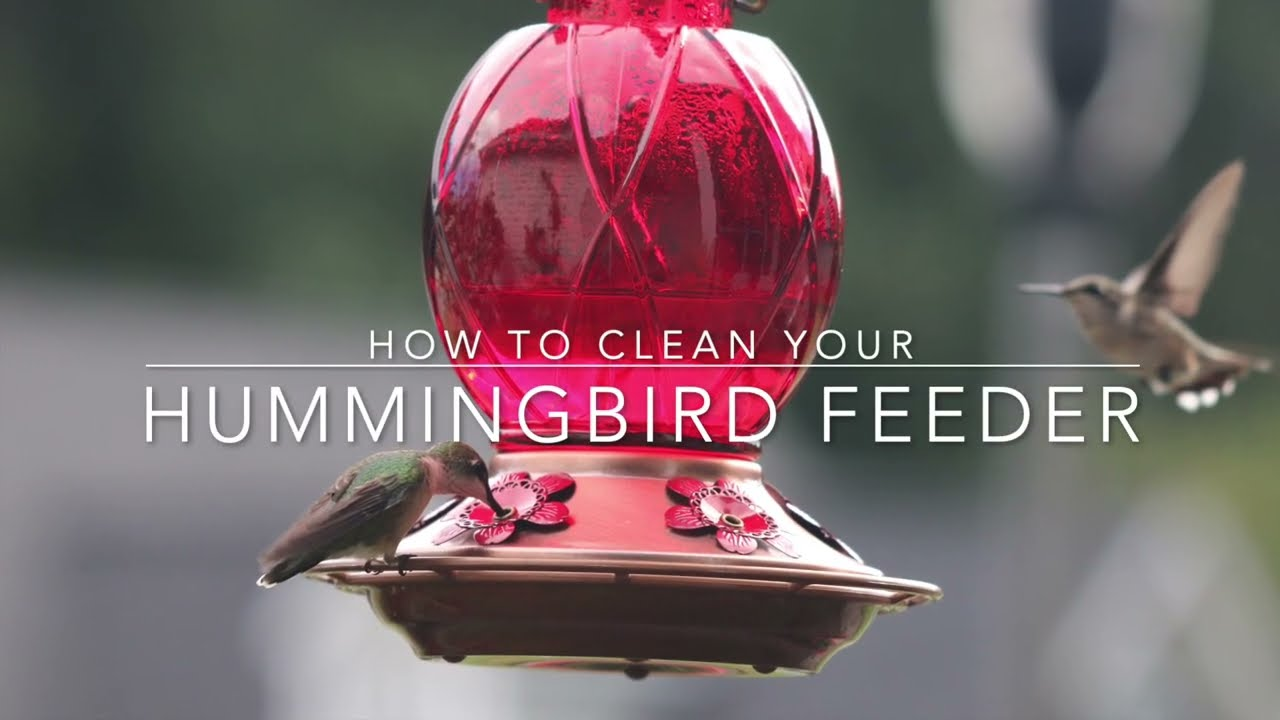
Credit: growcycle.com
Potential Risks Of Hummingbird Feeders
Hummingbird feeders bring joy and color to any garden, but they come with risks that you should consider. While these feeders help birds find food, they can also create problems that impact hummingbird health and safety. Understanding these risks can help you make better decisions about using feeders responsibly.
Spread Of Diseases Among Birds
Hummingbird feeders can become hotspots for disease if not cleaned regularly. Bacteria and fungi grow quickly in leftover nectar, spreading illnesses like fungal infections and bacterial diseases among visiting birds.
I’ve seen feeders turn into breeding grounds for germs when left unattended for days. To protect birds, clean your feeder every two to three days with hot water and a mild bleach solution. Would you want to share a meal where germs thrive? Birds don’t have a choice, so your care matters.
Attracting Predators
Feeders can unintentionally attract predators like cats, hawks, and even larger birds that prey on hummingbirds. These predators often lurk nearby, waiting for an easy meal to come close.
One afternoon, I noticed a cat hiding near my feeder, ready to pounce. Moving feeders away from shrubs and placing them in open areas can reduce these risks. Think about whether your feeder location might be putting hummingbirds in harm’s way.
Dependence On Artificial Feeding
Relying too much on feeders can make hummingbirds dependent on artificial food sources. This dependence might reduce their natural foraging behavior and ability to survive in the wild.
During harsh weather, feeders are helpful, but year-round use can disrupt their instincts. Try to balance feeder use with planting native flowers and maintaining natural habitats. How can you help hummingbirds stay independent while still enjoying their visits?
Choosing The Right Feeder
Choosing the right hummingbird feeder can make a big difference in how often these tiny visitors come to your garden and how safe they are while feeding. You want a feeder that attracts hummingbirds but also protects their health and makes your job easier. Here’s what to focus on when selecting a feeder that works best for both you and the birds.
Material And Design Considerations
Look for feeders made from durable, non-toxic materials like glass or BPA-free plastic. Glass feeders tend to last longer and don’t absorb odors, which can keep the nectar fresher. Design matters too—choose a feeder with bright red parts since hummingbirds are attracted to red, but avoid all-red feeders as they might attract ants or bees.
Consider the size and shape as well. A feeder with multiple feeding ports allows several hummingbirds to feed at once without crowding. Also, some feeders have built-in perches, which can make it easier for the birds to rest while they feed. Think about your space and how many birds you want to attract.
Avoiding Harmful Components
Not all feeders are safe for hummingbirds. Avoid those with metal parts that can rust or leach harmful substances into the nectar. Also, steer clear of feeders with small crevices where mold can easily grow unnoticed.
Some feeders come with pesticide residues or harmful chemicals if they’re made cheaply. Read product reviews and choose brands known for safe and bird-friendly designs. Your hummingbirds depend on you to keep their feeding spots healthy and free from dangers.
Easy Cleaning Features
Cleaning your feeder regularly is crucial to prevent mold and bacteria, which can harm hummingbirds. Choose feeders with wide openings so you can reach inside easily with a brush. Some models come apart in several pieces, making every part accessible for thorough cleaning.
Think about how often you’re willing to clean it. A feeder that’s a hassle to clean might end up neglected, putting the birds at risk. Look for dishwasher-safe options or those with smooth surfaces that don’t trap nectar or dirt.
Proper Feeder Maintenance
Proper feeder maintenance is key to keeping hummingbirds safe and healthy. Dirty feeders can harm these tiny birds. Maintaining cleanliness and safety ensures they get fresh food. It also prevents illness and keeps the feeder attractive to hummingbirds.
Cleaning Frequency And Methods
Clean hummingbird feeders at least twice a week. Increase cleaning during hot weather or heavy use. Use hot water and a mild soap to wash all parts. Avoid strong chemicals that can leave harmful residues.
Rinse thoroughly to remove all soap traces. Use a small brush to clean narrow feeder parts and holes. Let the feeder dry completely before refilling to stop mold growth.
Safe Nectar Preparation
Make nectar using four parts water to one part white granulated sugar. Boil water before mixing to kill impurities. Let the nectar cool to room temperature before filling the feeder.
Do not use honey, artificial sweeteners, or red dye. These can harm hummingbirds or encourage mold. Store extra nectar in the fridge for up to one week.
Preventing Mold And Bacteria Growth
Mold and bacteria grow quickly in warm nectar. Change the nectar every two to three days to prevent this. Empty old nectar before refilling the feeder.
Place feeders in shaded spots to keep nectar cool longer. Inspect feeders daily for signs of mold or discoloration. Clean immediately if you see any buildup.
Feeding Tips For Healthier Hummingbirds
Feeding hummingbirds properly helps keep them strong and healthy. Simple care steps make a big difference. Clean nectar and smart feeder placement attract more birds. Adjusting feeding habits with the seasons supports their natural needs. These tips help you enjoy hummingbirds safely.
Nectar Recipe And Storage
Mix four parts water with one part white granulated sugar. Boil the water first to dissolve the sugar well. Let the nectar cool completely before filling the feeder. Avoid using honey, artificial sweeteners, or red dye. These can harm hummingbirds.
Store extra nectar in the refrigerator. Use it within one week to prevent spoilage. Clean feeders every two to three days. Frequent cleaning stops mold and bacteria growth that make birds sick.
Placement Of Feeders
Hang feeders in shaded areas to keep nectar fresh longer. Choose spots protected from strong winds and rain. Place feeders near flowers or plants to help birds feel safe. Avoid placing feeders too close to windows to reduce collisions.
Keep feeders at least three feet away from busy human paths. This gives hummingbirds space to feed calmly. Use multiple feeders if many birds visit your yard. This reduces crowding and competition.
Seasonal Feeding Practices
Feed hummingbirds from early spring to late fall. These months match their active migration and breeding times. Stop feeding in winter if hummingbirds leave your area. Leaving nectar out in cold weather can spoil quickly.
During migration, provide feeders with fresh nectar daily. This helps birds gain energy for their long journey. Observe hummingbird activity to adjust feeding times. Adapt your care to match nature’s rhythm.
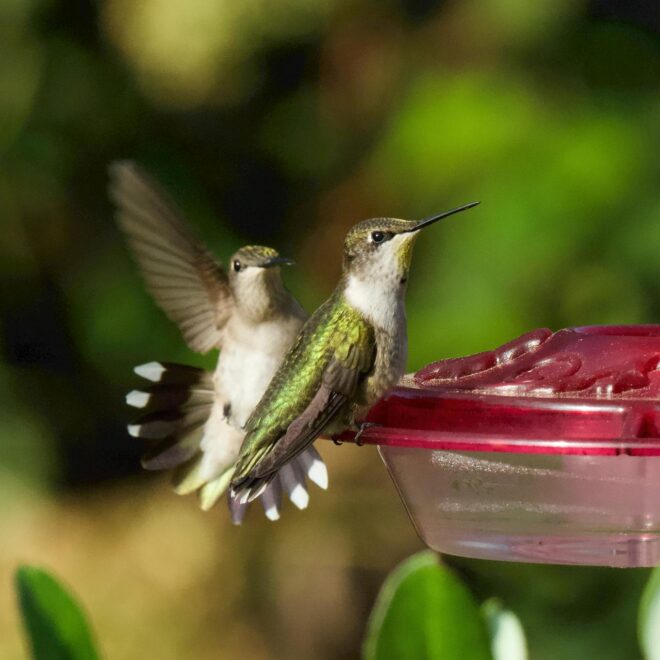
Credit: www.birdwatchingdaily.com
Alternatives To Feeders For Supporting Hummingbirds
Natural alternatives like planting native flowers and shrubs offer rich nectar sources. These can attract hummingbirds without the need for feeders. Creating a garden with diverse blooms supports their feeding and nesting habits.
Supporting hummingbirds in your garden can be a rewarding experience. While feeders are a popular choice, there are more natural alternatives that can benefit these tiny creatures. By creating a welcoming environment, you can ensure they thrive in a more sustainable way.Planting Native Flowers
Choosing the right plants is crucial for attracting hummingbirds. Native flowers often provide the nectar they need more consistently than feeders. Consider planting species like trumpet vine, bee balm, or columbines. These flowers are not only beautiful but also require less maintenance. They bloom at different times, ensuring a continuous food source. Have you ever noticed how a garden filled with native plants buzzes with life?Creating Natural Habitats
Hummingbirds need more than just food—they require safe places to rest and nest. Creating a natural habitat involves providing shelter and protection. Shrubs, trees, and dense foliage can offer the perfect hideaway. Think about adding a small water feature. A shallow birdbath or a misting fountain can be irresistible to hummingbirds. How often do you see a tiny bird taking a refreshing splash?Reducing Pesticide Use
Chemical pesticides can be harmful to hummingbirds, as they rely on insects for protein. Reducing or eliminating pesticide use in your garden can make a significant difference. Consider natural pest control methods like introducing beneficial insects. Ladybugs and lacewings can help keep harmful pests in check. Have you tried watching nature take care of itself without human interference? By making small changes, you can create a haven for hummingbirds that goes beyond feeders. Why not give it a try and see the magic unfold in your backyard?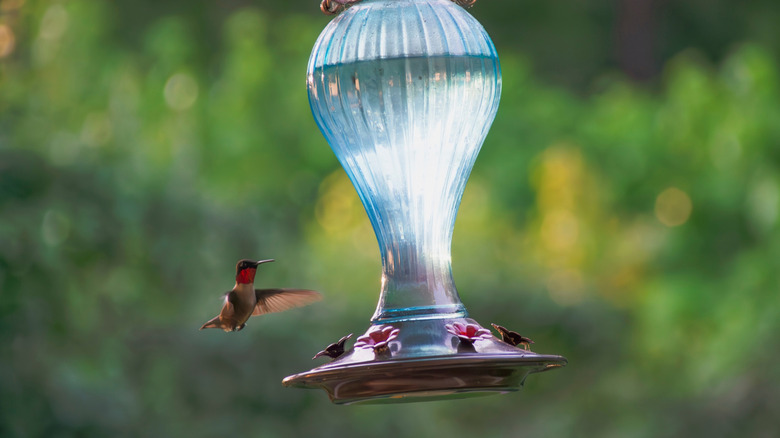
Credit: www.outdoorguide.com
Frequently Asked Questions
Are Hummingbird Feeders Safe For Birds?
Yes, hummingbird feeders are safe when cleaned regularly. Proper maintenance prevents mold and bacteria, protecting birds from illness.
How Often Should Hummingbird Feeders Be Cleaned?
Clean feeders every 2-3 days in warm weather. This prevents harmful mold and keeps the nectar fresh for birds.
What Type Of Nectar Is Best For Hummingbird Feeders?
A simple mix of four parts water to one part white sugar is best. Avoid honey or artificial sweeteners as they harm birds.
Can Hummingbird Feeders Affect Natural Foraging Habits?
Feeders supplement natural food sources but don’t replace them. Birds still forage for insects and flowers to meet all nutritional needs.
Conclusion
Hummingbird feeders help birds find food easily. They offer quick energy for long flights. Clean feeders keep birds safe and healthy. Fresh nectar attracts more hummingbirds to your yard. Watching these tiny birds brings joy to many. Feeding hummingbirds supports their survival during tough times.
Always keep feeders clean and filled with fresh nectar. This small effort makes a big difference for the birds. Hummingbird feeders are a simple way to help nature. Enjoy the beauty and life they bring to your garden.




