
If you have an exotic bird, you know how special it is. But have you ever wondered what to feed your feathered friend to keep it happy and healthy?
Feeding an exotic bird isn’t as simple as giving it seeds or scraps. What you choose to put in its bowl can make a huge difference in its life. You’ll discover the best foods for your exotic bird and learn how to avoid common feeding mistakes that could harm it.
Keep reading to make sure your bird gets the nutrition it truly needs.
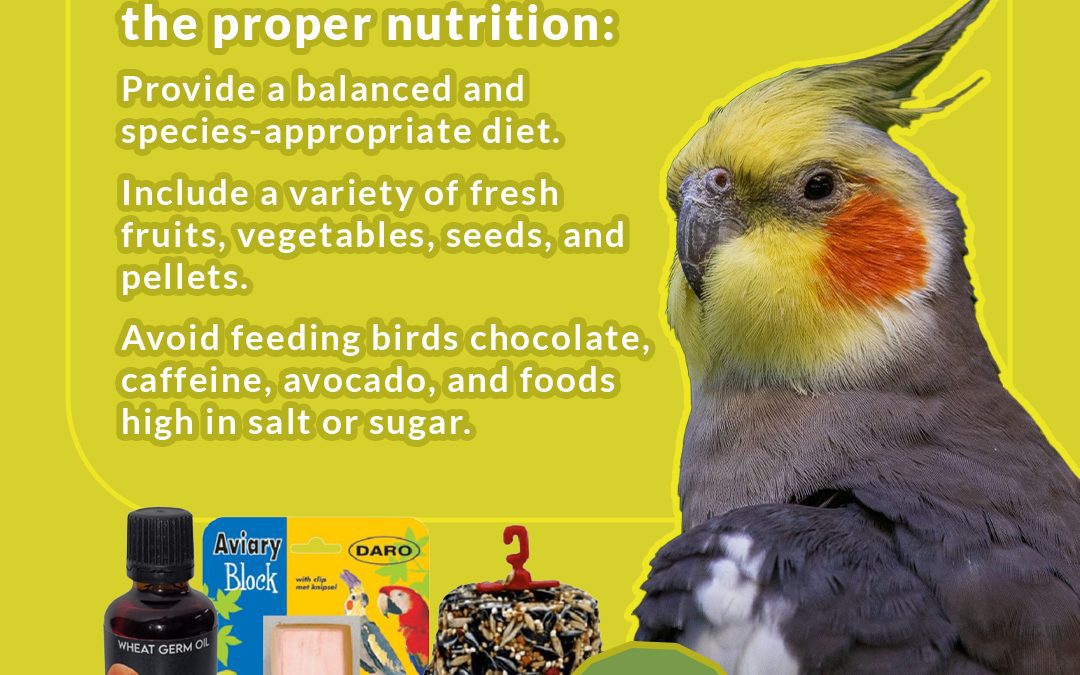
Credit: kimvet.co.za
Types Of Exotic Birds
Exotic birds come in many shapes and sizes, each with unique needs and personalities. Knowing the type of exotic bird you have is crucial for providing the right care, especially when it comes to feeding. Different species thrive on different diets, so understanding these differences will help you keep your bird healthy and happy.
Popular Pet Species
Some exotic birds are more common as pets due to their manageable size and friendly nature. Parrots like African Greys, Cockatoos, and Macaws are favorites for their intelligence and vibrant colors. Smaller species such as Lovebirds, Budgerigars (budgies), and Conures are also popular because they are easier to care for and require less space.
You might be surprised to learn that some exotic birds, like Eclectus parrots, have very different dietary needs compared to other parrots. Have you ever wondered why your friend’s Macaw eats differently from your Budgie? It all comes down to species-specific preferences and nutritional requirements.
Diet Variations By Species
Each type of exotic bird has dietary needs based on its natural habitat and biology. For example, African Greys need a diet rich in calcium and vitamin A, while Macaws benefit from foods high in fat and protein. Smaller birds like budgies thrive on seeds mixed with fresh fruits and vegetables.
Some species, such as Eclectus parrots, require a diet heavier in fruits and vegetables and less in seeds. Others, like finches, prefer a seed-based diet but also enjoy insects for extra protein. It’s essential to research your bird’s specific diet because feeding the wrong foods can lead to health problems.
Have you checked if your bird’s food matches its species needs? Adjusting their diet could improve their energy levels, feathers, and overall mood. Paying attention to these details shows you care and helps your exotic companion live a longer, healthier life.
Essential Nutrients For Exotic Birds
Feeding exotic birds requires a clear understanding of their nutritional needs. Essential nutrients keep birds healthy and active. These nutrients support growth, feather quality, and immune function. Exotic birds need a balanced diet with proteins, fats, vitamins, minerals, and water. Each nutrient plays a unique role in their well-being.
Proteins And Fats
Proteins are building blocks for muscles and feathers. Birds need quality protein from sources like seeds, nuts, and insects. Fats provide energy and help absorb vitamins. Healthy fats come from nuts, seeds, and some fruits. Both nutrients support daily activity and overall health.
Vitamins And Minerals
Vitamins aid in metabolism and immune defense. Important vitamins include A, D, and E. Minerals like calcium and phosphorus strengthen bones and beaks. Fresh fruits and vegetables supply many essential vitamins and minerals. Balanced intake prevents diseases and supports bird vitality.
Water Requirements
Water is vital for digestion and temperature control. Exotic birds need fresh, clean water every day. Proper hydration improves nutrient absorption and waste elimination. Always check water bowls to keep them clean and filled. Dehydration can cause serious health problems quickly.
Common Food Options
Exotic birds need a balanced diet to stay healthy and active. Choosing the right food options is key to their well-being. Their diet should include a mix of seeds, pellets, fresh fruits, vegetables, nuts, and grains. Each type of food offers important nutrients that help birds grow and thrive.
Seeds And Pellets
Seeds are a favorite for many exotic birds. They provide essential fats and energy. Pellets are specially made to offer a balanced mix of vitamins and minerals. Pellets help fill nutrition gaps that seeds might miss. A combination of seeds and pellets keeps the diet diverse and healthy.
Fresh Fruits And Vegetables
Fresh fruits and vegetables add vitamins and fiber to the diet. Birds enjoy crunchy and juicy textures. Safe options include apples, carrots, and leafy greens. Avoid fruits with seeds or pits that can be harmful. Regular servings of fresh produce support digestion and immune health.
Nuts And Grains
Nuts supply protein and healthy fats. They work well as treats or meal supplements. Grains such as cooked rice or oats provide energy and fiber. Offer nuts and grains in moderation to prevent obesity. Variety in nuts and grains helps keep birds interested in their food.
Foods To Avoid
Feeding an exotic bird requires care in choosing the right foods. Some foods can harm your bird’s health seriously. Avoiding these foods keeps your bird safe and happy.
Knowing which foods to avoid is key for good bird care. Birds have sensitive digestive systems. Certain common foods for humans can be toxic or harmful to them. Always check before feeding anything new.
Toxic Foods
- Avoid avocado. It contains persin, which is deadly for birds.
- Do not feed chocolate. It contains theobromine, toxic to birds.
- Onions and garlic can cause digestive and blood problems.
- Do not offer caffeine or alcohol. These affect the bird’s heart and brain.
- Fruit seeds like apple seeds contain cyanide. Keep them away.
Harmful Treats
- Do not give salty snacks. They cause dehydration and kidney damage.
- Sugary treats upset the bird’s digestive system and cause obesity.
- Fatty junk food can lead to liver problems and heart disease.
- Moldy or spoiled foods carry dangerous bacteria and toxins.
- Never feed raw beans or potatoes; they are toxic to birds.
Unsafe Human Foods
- Processed meats contain preservatives and high salt, harmful to birds.
- Uncooked dough can expand and block a bird’s crop.
- Dairy products may cause digestive upset as many birds are lactose intolerant.
- Artificial sweeteners like xylitol are toxic, avoid them completely.
- Any food with added spices or sauces may irritate the bird’s system.
Feeding Schedules And Portions
Feeding schedules and portions play a crucial role in keeping your exotic bird healthy and happy. Birds thrive on routine, and knowing how much and when to feed them can prevent both overfeeding and nutritional deficiencies. Tailoring the feeding times and amounts to your bird’s specific needs makes a noticeable difference in their energy and behavior.
Daily Feeding Tips
Consistency is key. Feed your bird at the same times every day to create a sense of security and routine.
Split the daily food into two or three smaller meals rather than one large serving. This mimics natural foraging patterns and keeps your bird active and satisfied.
- Offer fresh food in the morning and afternoon.
- Remove any uneaten perishable items after a few hours to prevent spoilage.
- Always provide fresh water alongside meals.
I once noticed my parrot became less energetic when I changed its feeding times. Going back to a regular schedule brought back its lively behavior within days.
Adjusting Portions By Age And Size
Young birds need more frequent feedings with smaller portions to support rapid growth. Adult birds require balanced meals that maintain their weight without excess calories.
Consider your bird’s species and size carefully. Larger birds like macaws eat more than smaller species like parakeets.
| Bird Type | Age Group | Portion Size | Feeding Frequency |
|---|---|---|---|
| Small (e.g., Budgerigar) | Juvenile | 1-2 teaspoons | 3-4 times daily |
| Small (e.g., Budgerigar) | Adult | 2-3 teaspoons | 2 times daily |
| Medium (e.g., Cockatiel) | Juvenile | 1-2 tablespoons | 3 times daily |
| Medium (e.g., Cockatiel) | Adult | 2-3 tablespoons | 2 times daily |
| Large (e.g., Macaw) | Juvenile | ¼ – ⅓ cup | 3 times daily |
| Large (e.g., Macaw) | Adult | ⅓ – ½ cup | 2 times daily |
Have you observed changes in your bird’s weight or energy after adjusting its food portions? Small tweaks can lead to big improvements.
Supplements And Special Diets
Feeding an exotic bird is not just about tossing seeds into a bowl. These vibrant creatures often require a mix of fresh foods, seeds, pellets, and sometimes, special supplements. Understanding when and how to incorporate supplements can play a crucial role in the overall health and well-being of your feathered friend. Let’s explore when you should consider adding supplements and what to feed birds with specific health issues.
When To Use Supplements
Supplements can be beneficial in filling nutritional gaps in your bird’s diet. You might need to consider them if your bird is picky or refuses certain food groups. For instance, if your bird avoids fruits and veggies, a vitamin supplement could help ensure they’re getting the necessary nutrients.
It’s also wise to use supplements during breeding or molting seasons when birds have increased nutritional needs. However, be cautious. Over-supplementation can lead to health problems, so always consult a vet before making changes to your bird’s diet.
Diet For Birds With Health Issues
Birds, like any other pets, can develop health issues that require dietary adjustments. If your bird has obesity, consider a diet rich in low-fat pellets and fresh produce. Avoid high-fat seeds like sunflower and safflower.
For birds with digestive problems, offering easily digestible foods like cooked grains and soft fruits can be beneficial. Additionally, probiotics can help maintain gut health. Again, consulting with a vet can provide tailored advice specific to your bird’s condition.
Have you noticed any changes in your bird’s behavior or appetite? These could be clues to underlying health issues. A change in diet might be the answer, but always seek professional guidance to ensure you’re on the right track.
Homemade Bird Food Recipes
Feeding an exotic bird with homemade food is rewarding. It ensures your feathered friend receives fresh and nutritious meals. Creating homemade bird food allows you to customize ingredients for your bird’s needs. Let’s explore some simple and balanced recipes.
Simple Mixes
Simple mixes are easy and quick to prepare. They offer variety and nutrition. Here are a few ideas:
- Combine seeds and nuts. Use sunflower seeds, pumpkin seeds, and almonds.
- Add dried fruits. Include raisins, apricots, and cranberries.
- Mix cooked rice with chopped vegetables. Use carrots, peas, and corn.
These mixes provide essential nutrients. They are perfect for quick meals. Remember to adjust the portions based on your bird’s size.
Balanced Meals
Balanced meals are crucial for your bird’s health. They ensure a proper mix of proteins, vitamins, and minerals. Here are some balanced recipes:
- Blend cooked quinoa with boiled eggs. Add chopped spinach and bell peppers.
- Combine lentils with sweet potatoes. Mix with broccoli and zucchini.
- Prepare oatmeal with fresh fruits. Use bananas, blueberries, and apples.
These meals offer a variety of nutrients. They support your bird’s overall well-being. Ensure to rotate these meals for a balanced diet.

Credit: www.avescanada.com
Monitoring Bird Health Through Diet
Monitoring an exotic bird’s health through diet is key to its well-being. Food affects energy, feathers, and immune system strength. Watching what your bird eats helps catch problems early. A balanced diet supports a long, happy life for your feathered friend.
Signs Of Nutritional Deficiency
Look for dull feathers or slow feather growth. Weakness and constant tiredness can also appear. Birds may have swollen joints or dry skin. Poor appetite is another sign to watch for. Nutritional gaps can cause these symptoms quickly.
- Feathers losing color or shine
- Swollen or painful joints
- Loss of appetite
- Dry, flaky skin
- Frequent infections
Behavior And Weight Changes
Sudden changes in weight can signal diet issues. Watch for unusual sleeping patterns or restlessness. A normally active bird becoming lethargic is a concern. Also, check if your bird avoids social interaction. These changes may mean it needs diet adjustment or vet care.
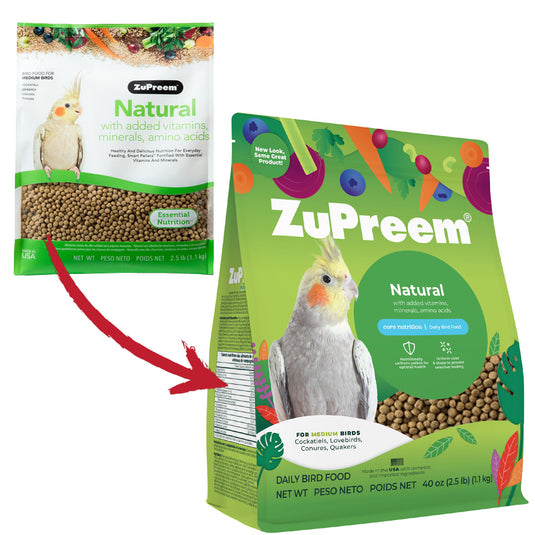
Credit: www.exoticwings.ca
Frequently Asked Questions
What Is The Best Diet For Exotic Birds?
Exotic birds thrive on a balanced diet of pellets, fresh fruits, vegetables, and occasional seeds. Avoid processed foods and toxic items like avocado. Providing variety ensures essential nutrients and keeps your bird healthy and active.
Can Exotic Birds Eat Seeds Only?
Seeds alone lack essential vitamins and minerals for exotic birds. While some seeds are part of their diet, a mix of pellets, fruits, and vegetables is crucial for balanced nutrition and overall well-being.
Which Fruits Are Safe For Exotic Birds?
Safe fruits include apples, berries, bananas, and melons. Avoid avocado and fruit seeds, as they can be toxic. Always wash fruits thoroughly and serve them fresh to ensure your bird’s health.
How Often Should I Feed My Exotic Bird?
Feed adult exotic birds twice daily, offering fresh food each time. Young birds may require more frequent meals. Monitor portions to prevent overeating and maintain a healthy weight.
Conclusion
Feeding an exotic bird takes care and attention. Choose fresh fruits, vegetables, seeds, and pellets. Avoid foods that can harm your bird. Provide clean water every day for good health. Watch your bird’s eating habits closely. A balanced diet keeps birds happy and strong.
Remember, each species has unique food needs. Consult a vet to learn the best diet. Feeding right helps your bird live a long life. Simple steps make a big difference in care. Your bird will thank you with bright feathers and energy.




