
Are you tired of watching hawks swoop down and scare away your backyard birds? It’s frustrating to see your feathered friends disappear, leaving your garden quiet and empty.
But don’t worry—there are simple, effective ways you can protect your birds and keep your yard safe. You’ll discover easy tips that really work to deter hawks, so your backyard becomes a safe haven for all your favorite birds. Keep reading to find out how you can bring peace back to your outdoor space today.
Signs Of Hawk Presence
Noticing signs of hawk presence in your backyard is the first step to protecting your birds. Hawks are skilled hunters, and their visits can quickly scare away or harm smaller backyard birds. Recognizing their behavior early can help you take effective action to deter them.
Identifying Hawk Behavior
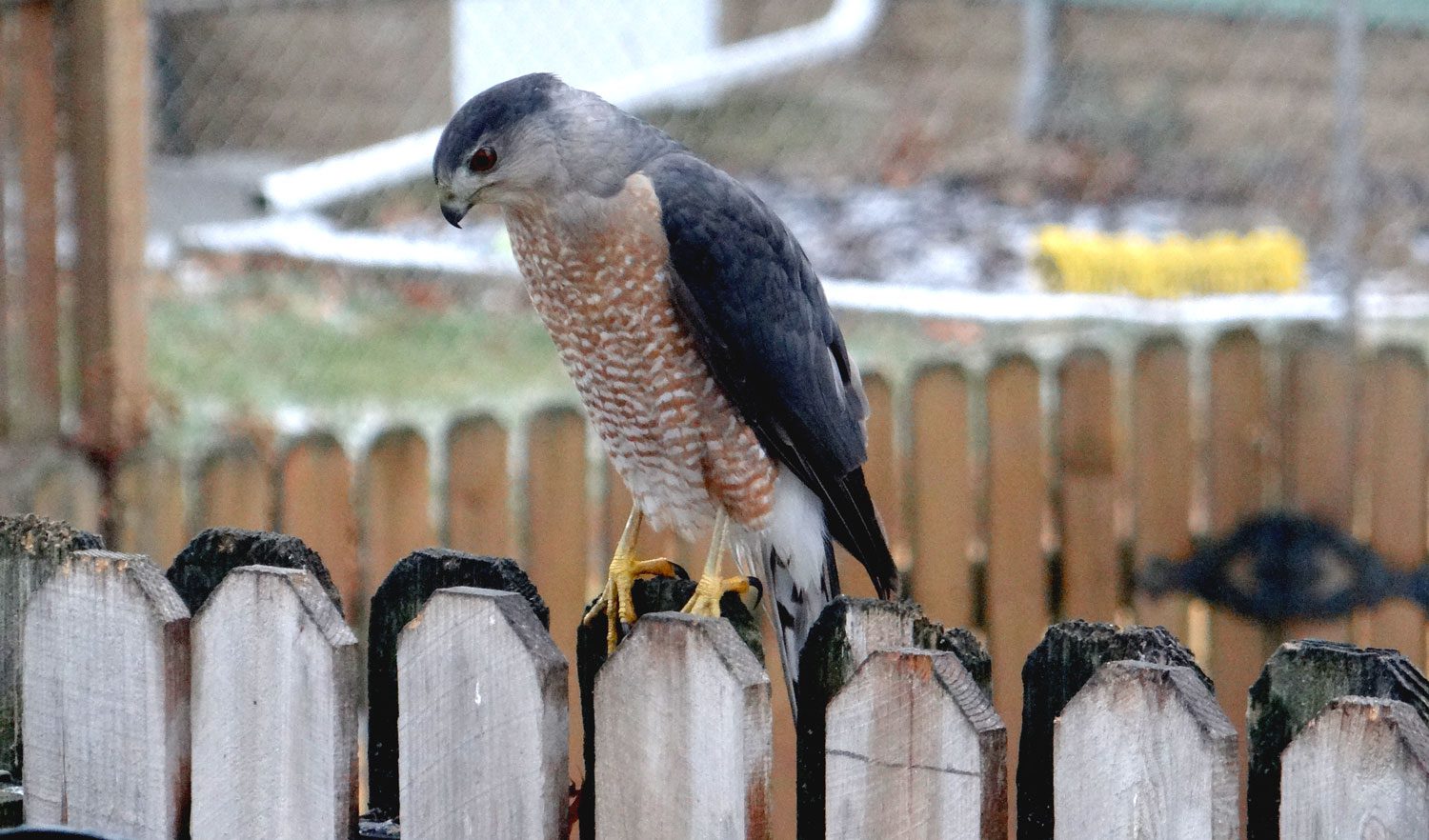
Hawks often circle high above your yard, scanning for prey. You might see them perched quietly on tall trees or fence posts, patiently waiting for the right moment to swoop down.
Listen for sharp, piercing calls that sound different from other birds. Sudden frantic fluttering or silence among your usual backyard birds can also signal a hawk nearby.
Have you noticed your smaller birds suddenly disappearing or acting nervously? This could be a direct response to a hawk’s presence.
Common Hawk Species Near Backyards
Knowing which hawks are common in your area helps you identify the threat more quickly. The Red-tailed Hawk, with its broad wings and reddish tail, is often seen in suburban areas.
The Cooper’s Hawk, smaller and more agile, is notorious for hunting backyard birds. Its sleek body and rounded tail make it easy to spot if you pay close attention.
Sharp-shinned Hawks, similar to Cooper’s but smaller, also frequent backyards and pose a risk to feeder birds. They prefer dense trees for cover and quick attacks.
| Hawk Species | Key Features | Typical Behavior |
|---|---|---|
| Red-tailed Hawk | Broad wings, reddish tail | Soars high, often perched openly |
| Cooper’s Hawk | Medium-sized, rounded tail | Fast, agile hunter in wooded areas |
| Sharp-shinned Hawk | Small, slender, short rounded tail | Stealthy, prefers dense cover |
Have you spotted any of these hawks near your bird feeders? Identifying the species can guide you in choosing the best deterrent methods.
Why Hawks Target Backyard Birds
Understanding why hawks target backyard birds is key to protecting your feathered friends. Hawks are natural predators, and your backyard can become a hunting ground if it offers the right conditions. Knowing what attracts them helps you take effective action to keep both hawks and smaller birds safe.
Food Sources And Habitat
Hawks are drawn to areas where they can easily find food. If your backyard has plenty of small birds, rodents, or even insects, it becomes a prime hunting spot.
Bird feeders can unintentionally create a buffet for hawks. They attract smaller birds, which in turn attract hawks looking for an easy meal. Dense shrubs or tall trees near feeders provide hawks with good hiding spots for ambush.
Ask yourself: Could the way you arrange bird feeders or plant shrubs be making your yard more appealing to hawks? Adjusting these elements can reduce the risk.
Seasonal Patterns
Hawk activity often changes with the seasons. During breeding season, hawks hunt more aggressively to feed their young.
Migration periods can also increase hawk presence. Some species pass through your area and take advantage of backyard birds as a convenient food source.
Notice when hawk sightings peak in your yard. This insight helps you prepare and modify your backyard to be less inviting during those critical times.
Physical Barriers To Protect Birds
Physical barriers create safe spaces for backyard birds. They block hawks from reaching bird feeders and nests. These barriers must be sturdy and well-placed to work effectively. Proper installation helps keep birds safe without harming them or hawks.
Installing Bird Netting
Bird netting acts like a shield around bird feeders and nesting areas. It stops hawks from swooping down quickly. Choose netting with small holes to keep hawks out but allow smaller birds through.
- Use strong, weather-resistant material for durability.
- Cover the top and sides of feeding areas completely.
- Secure edges tightly to prevent gaps.
- Check netting regularly for tears or loose spots.
Bird netting works best when placed high enough to avoid other animals reaching the birds. It also helps protect plants from bird damage.
Using Protective Covers
Protective covers provide a physical block over birdhouses and feeders. They stop hawks from landing nearby or attacking birds directly. Covers come in various shapes and sizes to fit different setups.
- Use wire cages or domes around feeders.
- Choose covers with wide openings for small birds.
- Place covers above birdhouses to shield entrances.
- Ensure covers do not trap or harm birds inside.
These covers create a safer environment and reduce bird stress. They also keep feeders cleaner by limiting access from larger animals.

Credit: www.amazon.ca
Visual Deterrents
Visual deterrents create a sense of danger for hawks. They trick these birds into thinking the area is unsafe. Using visual cues can protect backyard birds effectively. These tools require little effort but can make a big difference.
Decoys And Reflective Objects
Decoys of larger predators scare hawks away. Owls and hawk replicas work well. Place them where hawks often perch or hunt. Change their position regularly to keep hawks confused.
Reflective objects catch light and create flashes. Hanging CDs or strips of aluminum foil work well. These flashes disturb hawks’ vision. The unexpected light makes hawks avoid the area.
Movement-based Devices
Devices that move attract hawks’ attention. Wind spinners and moving flags create motion. The movement looks like a threat to hawks. This stops them from settling near your birds.
Use devices that shift with the wind or have motorized parts. Change placement to keep hawks uncertain. Movement tricks hawks into thinking the space is dangerous.
Auditory Deterrents
Auditory deterrents can be a powerful tool to keep hawks away from your backyard birds. Hawks rely heavily on their keen hearing to hunt, so interrupting their auditory senses can make your yard less inviting. Using sound-based methods can create an unpredictable environment, making hawks think twice before approaching.
Recorded Hawk Calls
Playing recorded hawk calls can confuse and scare away territorial hawks. When a hawk hears another hawk’s call, it may believe the area is already claimed and avoid entering. You can find these calls online or in wildlife stores, and setting up a speaker in your yard can help broadcast the sounds effectively.
Try varying the volume and timing of the calls to prevent hawks from getting used to the noise. If you use the calls continuously, hawks may eventually ignore them. Have you noticed how sudden noises sometimes cause birds to freeze or scatter? Recorded calls work on the same principle.
Noise Makers And Alarms
Noise makers and alarms provide sudden, loud sounds that startle hawks and disrupt their hunting. Devices like motion-activated alarms or wind chimes can create unexpected noises that make hawks uncomfortable. These sounds can also alert your smaller birds, giving them time to seek shelter.
Consider using a combination of noise makers to keep the sound unpredictable. For example, mix wind chimes with a motion-activated alarm for varied auditory effects. What kinds of noises have you noticed that instantly catch a hawk’s attention?

Credit: www.allaboutbirds.org
Habitat Modification
Removing tall perches and dense shrubs reduces hiding spots for hawks. Keeping bird feeders away from open areas helps protect backyard birds. Changing the habitat makes your yard less attractive to predators.
Creating a safe haven for your backyard birds often involves thoughtful habitat modification. This isn’t just about making your yard look pretty; it’s about crafting an environment that discourages hawks from swooping in. With some simple changes, you can significantly reduce the risk to your feathered friends.Trimming Perching Spots
Hawks love to perch and observe their potential prey. By trimming tree branches and removing tall structures like poles and fences, you limit their vantage points. Consider removing dead branches where hawks could easily sit unnoticed. If you have tall trees, keep their lower branches neatly trimmed. This reduces the hawks’ ability to swoop down effectively. Have you ever noticed how hawks avoid areas with limited perching options? It’s a simple yet powerful deterrent.Altering Food Availability
Reducing the availability of food that attracts hawks can be a game-changer. Make sure your bird feeders are filled with seeds that attract small birds, not hawks. Consider adding feeders designed specifically to deter larger birds. Place your feeders in areas with dense cover, like shrubs or under small trees. This gives smaller birds a quick escape route. Do you have the right type of feeder that supports smaller birds while keeping hawks at bay? A little change can make a huge difference in safety. Making these habitat modifications can help transform your backyard into a safe zone. With these small adjustments, your feathered friends can thrive without the constant threat of hawks.Safe Feeding Practices
Creating a safe feeding environment is crucial for protecting backyard birds. Hawks often target areas where birds gather, so adopting safe feeding practices can help. By being mindful of feeder choices and feeding times, you can reduce the risk of hawk attacks. These simple steps create a safer space for your feathered friends.
Choosing The Right Feeders
Select feeders that provide cover and protection. Tube feeders with small perches deter large birds like hawks. Place feeders near shrubs or trees for quick shelter. Avoid open areas where birds are vulnerable. Use feeders with wire cages to protect smaller birds.
Feeding Schedules To Avoid Predators
Timing is key in keeping birds safe. Feed birds during mid-morning or late afternoon. Hawks hunt most during early morning and late afternoon. Adjust feeding times to when hawks are less active. Remove leftover food before dusk to avoid attracting predators.
Using Pets And Natural Predators
Using pets and natural predators can help keep hawks away from your backyard birds. Pets like cats and dogs create a presence that hawks find threatening. Natural predators in the area can also discourage hawks from hunting near your feeders.
Role Of Cats And Dogs
Cats and dogs act as natural guards for your backyard. Their movement and sounds scare hawks away. Cats, especially, are excellent at patrolling the area quietly. Dogs bark and chase away any hawk that tries to approach.
Having pets outside reduces the chance of hawks attacking smaller birds. Make sure pets do not harm your backyard birds while protecting them. Supervise pets when they are near bird feeders or birdhouses.
Encouraging Natural Hawk Deterrents
Natural hawk deterrents include animals and plants that create a safe space for birds. Owls are natural enemies of hawks and can help keep them away. Planting tall trees and dense shrubs gives birds places to hide.
- Install owl decoys to mimic natural predators.
- Encourage beneficial insects and small animals that hawks avoid.
- Maintain a diverse garden to support a healthy ecosystem.
These natural elements make your backyard less attractive to hawks. Birds feel safer and are more likely to stay and visit.
Legal And Ethical Considerations
Handling hawks around backyard birds needs care and respect for wildlife laws. Hawks are protected by law in many places. You must avoid harming them or disturbing their nests. Ethical treatment of all birds helps keep the ecosystem healthy.
Choose ways to deter hawks that do not cause injury or stress. Balance your backyard’s safety with wildlife protection. This section explains legal rules and kind methods to keep hawks away.
Protecting Hawks And Birds Legally
Many hawk species have legal protection. The Migratory Bird Treaty Act in the U.S. makes it illegal to harm or kill hawks. Disturbing nests or young birds is also against the law.
Check local laws before using deterrents. Some areas require permits for certain actions. Ignorance of these rules can lead to fines or penalties.
Protect your birds without breaking the law. Avoid traps, poisons, or shooting. Use safe and legal methods only.
Humane Deterrence Methods
Use gentle ways to keep hawks away. Scare tactics must not hurt the birds.
- Install reflective objects that move with the wind.
- Use noise devices that emit harmless sounds.
- Place decoy predators like owl figures in the yard.
- Provide dense shrubbery or birdhouses for small birds to hide.
- Keep bird feeders in safe, covered spots.
Rotate deterrents often to keep hawks unsure. Do not use chemicals or traps. Respect nature while protecting your backyard birds.
Monitoring And Adjusting Strategies
Keeping hawks away from your backyard birds requires more than just setting up deterrents once and forgetting them. Monitoring and adjusting your strategies is essential to stay one step ahead of these clever predators. By watching how hawks behave and tweaking your approach, you can protect your feathered friends more effectively over time.
Tracking Hawk Activity
Start by observing when and where hawks show up in your yard. Do they come at specific times of the day or prefer certain perches? Keeping a simple log can help you spot patterns.
Use binoculars or even set up a camera to get a clearer view without disturbing the birds. This data can tell you if your current deterrents are working or if hawks are adapting to them.
Ask yourself: Are hawks avoiding the area completely, or have they found ways around your defenses? This insight is crucial for your next moves.
Adapting Deterrents Over Time
Hawks quickly get used to static deterrents like fake owls or shiny objects. To stay effective, change the position and type of deterrents regularly. Moving scare devices every few days can keep hawks guessing.
Consider combining several deterrents—such as reflective tape, noise makers, and motion-activated sprinklers—to create a more unpredictable environment. This mix can discourage hawks more strongly than a single method.
Think about your own backyard layout. Could adding more cover for small birds or rearranging feeders make it harder for hawks to hunt? Small adjustments can make a big difference.
Have you noticed any particular deterrent losing its effect? That’s a sign it’s time to try something new or adjust your setup.
Credit: www.allaboutbirds.org
Frequently Asked Questions
How Can I Keep Hawks Away From Backyard Birds?
Use visual deterrents like reflective tape or hawk decoys. Remove bird feeders at dawn and dusk. Plant dense shrubs for bird cover. These methods discourage hawks from hunting in your yard.
What Plants Repel Hawks From My Garden?
Dense evergreens and thorny bushes help protect small birds. Plants like holly and juniper create safe spaces. Hawks avoid areas with limited visibility and dense foliage.
Are Bird Feeders Attracting Hawks To My Backyard?
Yes, feeders can attract small birds, which hawks hunt. Place feeders near cover to help birds escape predators. Keep feeders clean and use multiple feeding spots.
Can Noise Deter Hawks From Visiting My Yard?
Loud, sudden noises can scare hawks temporarily. Use wind chimes or radios near feeders to create disturbance. Noise alone may not keep hawks away long-term.
Conclusion
Protecting backyard birds from hawks takes patience and care. Use simple tools like reflective objects or noise makers. Keep bird feeders in safe, hidden spots. Watch your birds closely and change methods if needed. Small actions can keep your birds safe and happy.
Stay calm and consistent for the best results. Your backyard can be a peaceful place for all birds. Keep trying different ideas until you find what works best.




