
Capturing birds in flight challenges even experienced photographers. Sharp images of birds in motion require skill and patience.
Bird flight photography combines art and technique to freeze fast-moving subjects clearly. Understanding bird behavior helps predict their movements for better shots. Choosing the right camera settings, like fast shutter speed, is essential to avoid blur. Lighting and background also affect image quality and impact.
Using continuous focus keeps birds sharp as they move. Practice and observation improve timing and framing. Whether photographing hawks, hummingbirds, or owls, these tips help create stunning photos. This guide offers practical advice to enhance your bird-in-flight photography skills. Enjoy capturing the beauty and grace of birds soaring through the sky.
Capturing Flight

Capturing Flight: Photography Tips To Showcase Birds In Motion is ideal for avid photographers and nature enthusiasts who want to enhance their skills in photographing birds in action. Whether you’re a beginner looking to understand the basics or an intermediate photographer aiming to refine your techniques, this book offers valuable insights tailored to your needs. If you have a passion for wildlife photography and want to master the art of capturing birds mid-flight with precision and creativity, this guide is perfect for you.
Pros:
- Comprehensive coverage of bird photography techniques across 176 pages
- Published recently on September 12, 2024, ensuring up-to-date tips and methods
- Practical advice on camera settings and composition for dynamic shots
- Step-by-step guidance to improve timing and focus when shooting birds in motion
- Suitable for both beginners and intermediate photographers
Cons:
- Focused primarily on bird photography, may not cover broader wildlife photography topics
- Requires access to appropriate photography equipment to fully apply techniques
This book delves into the essential techniques and settings needed to capture birds in flight with stunning clarity and detail. Readers will learn how to adjust shutter speed, aperture, and ISO to freeze motion while maintaining sharpness. The guide also emphasizes the importance of patience and timing, teaching how to anticipate bird behavior to snap the perfect shot. These features empower photographers to create more dynamic and engaging images that truly showcase the beauty of birds in their natural environment.
Beyond technical advice, the book offers tips on composition and lighting to enhance the overall impact of your photos. It highlights how to use natural light effectively and compose shots that bring out the grace and power of birds mid-flight. By mastering these aspects, users can elevate their photography from simple snapshots to captivating visual stories that resonate with viewers and wildlife lovers alike.
Mastering Bird Photography

Mastering Bird Photography: The Art, Craft, and Technique of Photographing Birds and Their Behavior is ideal for both amateur and professional photographers who are passionate about capturing stunning images of birds in their natural habitats. Whether you are a nature enthusiast, wildlife photographer, or someone looking to improve your skills in bird photography, this book provides comprehensive guidance tailored to your needs.
Pros:
- Detailed insights into the behavior of birds to help capture more natural and compelling photos.
- Includes practical techniques and tips for both beginners and experienced photographers.
- Comprehensive coverage with 340 illustrated pages for visual learning.
- Compact and manageable size with dimensions of 8.0 x 1.0 x 10.25 inches, making it easy to carry on field trips.
- Published by the reputable brand Rocky Nook, ensuring quality content.
Cons:
- Some techniques may require advanced photography equipment not accessible to all readers.
- The weight of 2.3 pounds might be slightly heavy for carrying on long excursions.
- Focused solely on bird photography, which might limit appeal for broader wildlife photography interests.
This book stands out for its in-depth exploration of the art and craft of bird photography, combining both the technical and creative aspects. Readers will benefit from detailed explanations about bird behavior, enabling photographers to anticipate and capture unique moments in nature. The inclusion of numerous illustrations enhances understanding, making complex concepts easier to grasp.
Additionally, the book’s practical advice on camera settings, composition, and lighting empowers users to improve their photography skills systematically. The structured approach ensures that readers can progressively build their expertise, resulting in more impactful and professional-quality photographs. Overall, this edition published in 2019 by Rocky Nook is a valuable resource for anyone serious about mastering bird photography.
The Handbook Of Bird Photography
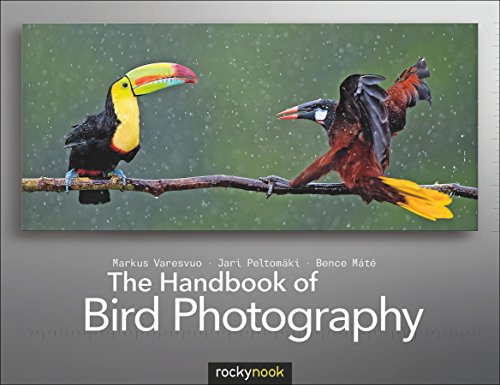
The Handbook of Bird Photography is ideal for aspiring and experienced photographers who are passionate about capturing stunning images of birds in their natural habitats. Whether you are a hobbyist looking to improve your skills or a professional seeking comprehensive guidance, this book offers valuable insights tailored to enhance your bird photography techniques.
Pros:
- Comprehensive coverage of bird photography techniques and equipment.
- Detailed explanations supported by practical examples and images.
- Compact size with 368 pages, making it portable and easy to reference in the field.
- Published by reputable brand Rocky Nook, ensuring quality content.
- Includes tips on understanding bird behavior to anticipate shots better.
Cons:
- Some content may be dated since the publication date is from 2013.
- Limited coverage of the latest camera technology and software tools.
- May be too detailed for absolute beginners without prior photography knowledge.
The Handbook of Bird Photography offers an in-depth look at various aspects of bird photography, from selecting the right gear to mastering exposure and composition. Its 368 pages provide a wealth of information that helps users understand how to capture sharp, vibrant images even in challenging outdoor conditions. The book’s manageable dimensions (8.0 x 1.1 x 10.0 inches) and reasonable weight make it an excellent companion for fieldwork, allowing photographers to carry it along easily.
One of the key benefits of this handbook is its focus on practical techniques, including advice on bird behavior and habitat, which enables photographers to anticipate movements and capture more dynamic shots. Published by Rocky Nook, the book reflects high editorial standards and expertise, making it a reliable resource for refining your bird photography skills and achieving professional-quality results.
Hawks From Every Angle

The book Hawks from Every Angle: How to Identify Raptors In Flight is ideal for birdwatchers, nature enthusiasts, and wildlife photographers who want to improve their skills in identifying different species of raptors while they are soaring in the sky. Whether you are a beginner or an experienced observer, this guide offers practical insights to help you recognize hawks and other birds of prey from various perspectives during flight.
Pros:
- Comprehensive visual guide with multiple angles of raptors in flight
- Published by the reputable Princeton University Press
- Compact and lightweight paperback edition for easy field use
- Concise yet informative content with 129 pages dedicated to identification techniques
- Provides clear tips on distinguishing similar species based on flight patterns and shapes
Cons:
- Limited to raptors, so not suitable for identifying other bird types
- Published in 2005, some information may be outdated compared to newer guides
- Relatively thin volume, may lack in-depth detail for expert ornithologists
This guidebook features detailed illustrations and photographs that show hawks from every conceivable angle, emphasizing wing shape, tail patterns, and flight posture. These visual aids are complemented by descriptive text that explains key identification markers, allowing users to quickly differentiate between species while observing them on the wing. The book’s manageable size and weight make it a convenient companion for outdoor excursions.
By focusing exclusively on raptors, the book delivers specialized knowledge that enhances the birdwatcher’s ability to recognize these majestic predators in real-time. The clear layout and practical approach provide immediate benefits, such as increasing confidence in field identification and enriching the overall birdwatching experience. With this resource, users can develop a deeper appreciation for raptor behavior and ecology.
How To Master Digital Bird Photography

How To Master Digital Bird Photography: A Comprehensive Guide is ideal for photography enthusiasts, bird watchers, and nature lovers who want to elevate their skills in capturing stunning bird images. Whether you are a beginner looking to understand the basics or an intermediate photographer aiming to refine your technique, this guide offers valuable insights tailored to your needs. It is especially suited for those using digital cameras who wish to learn specialized methods for photographing birds in their natural habitats.
Pros:
- Comprehensive coverage of digital bird photography techniques
- Step-by-step instructions suitable for all skill levels
- Published by Loons Press, a trusted name in nature photography
- Includes practical tips for equipment selection and fieldwork
- Up-to-date content reflecting the latest digital photography trends (Edition 1, 2024)
Cons:
- Focuses primarily on digital photography, less content on film photography
- Limited to bird photography, may not cover broader wildlife photography topics
- Requires access to digital camera equipment to fully benefit from the guide
This guide stands out by offering detailed explanations of camera settings, such as shutter speed, aperture, and ISO, specifically adapted to bird photography. Users will benefit from understanding how to adjust these settings to capture fast-moving subjects and varying lighting conditions in the wild. Additionally, the book emphasizes ethical practices and patience, helping photographers respect wildlife while achieving optimal results.
Beyond technical advice, the guide provides strategies for scouting locations, approaching birds without disturbance, and composing shots that highlight the beauty and behavior of different species. With its clear instructions and expert tips, readers can expect to improve their image quality, develop a deeper appreciation for bird photography, and ultimately create captivating digital photographs that stand out in any portfolio.
Owling
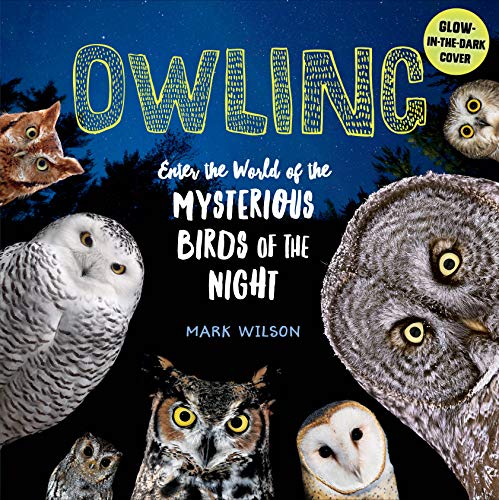
Owling: Enter the World of the Mysterious Birds of the Night is perfect for nature enthusiasts, bird watchers, and anyone fascinated by nocturnal wildlife. If you are eager to explore the secrets of owls and deepen your understanding of these enigmatic creatures, this book is an ideal choice. It caters to both beginners and experienced birders who want a comprehensive yet accessible guide to owling.
Pros:
- Detailed insights into various owl species and their behaviors
- Compact and lightweight, making it easy to carry on night excursions
- Well-illustrated with clear photographs to aid identification
- Published by a reputable source, Storey Publishing
- Concise 120 pages packed with practical tips and interesting facts
Cons:
- Limited to owls, which may not appeal to those seeking broader wildlife information
- Some readers may find the book’s size too small for detailed field notes
- Publication date from 2019, so the latest research might not be included
This book features a compact design with dimensions of 11.3 inches in height and 11.35 inches in length, paired with a slim 0.5-inch width, making it easy to handle during nighttime bird-watching adventures. Weighing just under 2 pounds, it is portable enough to bring along on hikes or camping trips. The 120 pages are thoughtfully curated to provide a balance of scientific knowledge and engaging storytelling, making the learning process enjoyable and informative.
Produced by Storey Publishing, LLC, a trusted name in educational resources, the book ensures high-quality content and reliability. Readers will benefit from the clear explanations of owl habits, habitats, and calls, helping them to recognize and appreciate these nocturnal birds in their natural environment. Overall, this guide offers a well-rounded experience that both informs and inspires curiosity about the mysterious world of owls.
Capturing The Moment

For those who have an unyielding passion for capturing the beauty and essence of wild animals through their camera lenses, Capturing the Moment: The Art & Science of Photographing Wild Animals by Kathleen Reeder is an invaluable resource. This book is ideal for both budding wildlife photographers looking to hone their skills and seasoned professionals seeking fresh inspiration. With its emphasis on both the artistic and scientific aspects of wildlife photography, this book offers insights that are beneficial for anyone eager to elevate their photographic journey.
Pros:
- Authored by renowned photographer Kathleen Reeder
- Comprehensive guide with 72 pages of detailed insights
- Focuses on both the artistic and scientific aspects of photography
- Ideal for photographers at any stage of their career
Cons:
- Limited to 72 pages, which may not cover all advanced techniques
- Publication date of 2016 may not include the latest technological advancements in photography
Capturing the Moment delves into the art of wildlife photography, providing readers with the tools to evoke emotion and tell stories through their images. It highlights techniques to capture the essence of animals in their natural habitats, allowing photographers to convey the beauty and majesty of wildlife in a single frame. Each page is crafted to inspire readers to see the world through a creative lens, encouraging them to experiment with different perspectives and compositions.
On the scientific side, the book covers the technical aspects that are crucial for producing stunning wildlife photographs. From understanding the behavior of animals to mastering the use of lighting and camera settings, readers are equipped with the knowledge to anticipate and capture the perfect shot. This dual focus on art and science ensures that photographers not only develop their creative skills but also gain the technical expertise necessary to excel in the field of wildlife photography.
Birds Of The Pacific Northwest
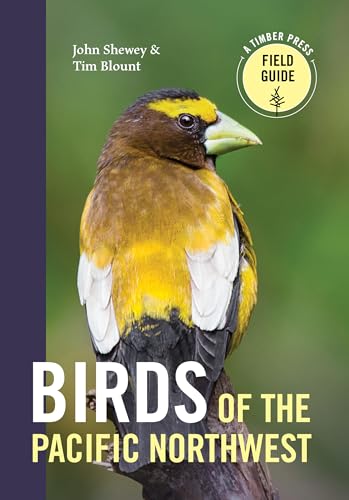
The ideal customer for “Birds of the Pacific Northwest (A Timber Press Field Guide)” is an avid birdwatcher, nature enthusiast, or beginner ornithologist looking to explore and identify the rich avian diversity of the Pacific Northwest. This field guide is perfect for those who enjoy spending time outdoors and want a comprehensive, reliable resource to help them identify and learn about the birds they encounter in this unique region.
Pros:
- Comprehensive coverage with 560 pages of detailed information.
- High-quality images and illustrations for easy bird identification.
- Portable size makes it easy to carry on outdoor adventures.
Cons:
- Weight may be a bit heavy for some users at over 2 pounds.
- Publication Date of 2017 might not include the most recent sightings or updates.
“Birds of the Pacific Northwest” stands out with its detailed species accounts. Each bird is meticulously described, providing insights into their habitats, behavior, and identifying features. This makes it an invaluable tool for both novice and experienced birdwatchers who want to deepen their understanding of the bird species in this region. The guide’s user-friendly layout ensures that information is easily accessible, with clear headings and well-organized sections that enhance the reading experience.
One of the standout features of this field guide is its stunning visual content. With high-quality images and illustrations, users can visually compare and contrast different species, aiding significantly in field identification. The guide’s compact dimensions make it a convenient companion for field trips, allowing enthusiasts to carry it along without adding significant weight to their gear. Despite its comprehensive content, the book’s ergonomic design ensures that it remains a practical choice for those on the go, blending thoroughness with portability.
Hummingbird Watching 101

Ideal for nature enthusiasts, bird watchers, and anyone curious about the fascinating world of hummingbirds, Hummingbird Watching 101: How to Observe and Identify Hummingbird Species offers a perfect starting point. This guide is designed for those who want to deepen their understanding of these fluttering jewels and improve their ability to identify various species in their natural habitat.
Pros:
- Concise and informative with only 51 pages, making it easy to read and absorb.
- Published recently in 2023, ensuring up-to-date information on hummingbird species.
- Focuses on practical observation and identification techniques for beginners and intermediate bird watchers.
- Includes vivid descriptions and insights into hummingbird behavior and habitats.
Cons:
- Short length might not cover all advanced identification details for expert ornithologists.
- Lacks extensive photographic content that some users might prefer for visual learning.
This compact guide emphasizes how to observe hummingbirds effectively, teaching readers to recognize subtle differences between species. By focusing on practical tips, it allows users to gain confidence in spotting these tiny birds during their outdoor adventures. The book’s structure makes it ideal for quick reference while out in the field.
Additionally, the publication date of May 2023 ensures that the content reflects the latest research and trends in hummingbird study. The accessible language and clear explanations help users of all skill levels appreciate the beauty and diversity of hummingbirds, enriching their birdwatching experiences.
Frequently Asked Questions
How Do I Capture Sharp Bird Images In Flight?
Use a fast shutter speed of 1/1000s or higher. Track the bird smoothly and use continuous autofocus for sharp results. Shoot in burst mode to increase chances of a perfect shot.
What Camera Settings Work Best For Bird Flight Photography?
Set your camera to aperture priority or manual mode. Use a wide aperture (f/4-f/8) for faster shutter speeds and good depth of field. Adjust ISO as needed for proper exposure in changing light.
How Can I Identify Raptors During Flight Photography?
Learn key features like wing shape, flight pattern, and tail length. Hawks have broad, rounded wings and soar with slow wing beats. Practice observing raptors to improve identification skills.
What Techniques Help Photograph Nocturnal Birds Like Owls?
Use low-light cameras with high ISO capabilities. Employ silent shooting modes and red light flashlights to avoid disturbing owls. Patience and quiet movement are essential for successful owling photography.
How Do I Photograph Hummingbirds Effectively?
Use a fast shutter speed (1/2000s) and continuous autofocus. Position near flowers and use burst mode to capture their rapid wing movements. Good lighting and a telephoto lens help highlight their vibrant colors.
Conclusion
Capturing birds in flight takes patience and practice. Use the right camera settings to freeze motion clearly. Focus on lighting and background to make your photos stand out. Watch bird behavior to predict their moves. Try different angles to show unique perspectives.
Remember, every shot is a chance to learn and improve. Keep your gear ready and stay patient. With time, your photos will tell beautiful stories of birds in action. Enjoy the process and share your work to inspire others. This journey will bring you closer to nature and its wonders.
Keep exploring, observing, and capturing those amazing moments.




