
Have you ever wondered if the sunflower bird seed you buy to feed your feathered friends could actually grow into beautiful sunflowers in your garden? It’s a question many bird lovers and gardening beginners ask.
Imagine turning those simple seeds into bright, cheerful flowers that not only attract birds but also add life to your outdoor space. You’ll discover the truth about planting sunflower bird seed and what you need to know to make your garden bloom.
Keep reading, because what you learn here might just change the way you think about feeding birds forever.
Sunflower Seed Basics
Sunflower seeds catch the eye not just for feeding birds but also for their potential to grow into vibrant sunflowers. But will the bird seed you scatter in your garden actually sprout? Understanding the basics of sunflower seeds can help you decide whether to plant them or simply enjoy them as bird feed.
Types Of Bird Seed Sunflower
Not all sunflower seeds are created equal when it comes to planting. Bird seed mixes often include two main types:
- Black Oil Sunflower Seeds:These have thin shells and high oil content, making them popular with many birds and great candidates for growing.
- Striped Sunflower Seeds:These have thicker shells and are usually treated or roasted, which can reduce their ability to germinate.
If you want to grow sunflowers, black oil sunflower seeds are usually your best bet. Have you ever noticed birds preferring one type over the other in your feeder?
Seed Viability Factors
Just because a seed is in bird feed doesn’t mean it will grow. Several factors affect whether sunflower seeds will sprout:
- Seed Treatment:Many commercial bird seeds are heat-treated or roasted to prevent germination, making them unsuitable for planting.
- Storage Conditions:Seeds kept in damp or hot environments lose viability quickly.
- Age of Seeds:Older seeds have lower germination rates, so freshness matters.
In my experience, planting seeds straight from a fresh packet of black oil sunflower seed yielded a healthy patch of sunflowers. But seeds from a year-old bag didn’t sprout at all. How fresh is your bird seed, and could it still grow if planted?
Credit: dengarden.com
Germination Requirements
To successfully grow sunflowers from bird seed, you need to understand the specific germination requirements. These seeds aren’t just for feeding birds—they have the potential to sprout and turn into beautiful sunflowers if given the right conditions. Paying attention to soil, water, and temperature will give your seeds the best chance to grow.
Soil Preparation
Sunflower seeds thrive in loose, well-drained soil. You want to avoid heavy clay or overly compacted dirt because it can suffocate the roots. Mixing in some compost or organic matter improves soil texture and adds nutrients.
I once planted sunflower seeds in garden soil without prepping it. The seeds sprouted but the plants struggled to grow tall. After switching to well-prepared soil, the difference was clear—the plants flourished quickly.
Watering Needs
Sunflower seeds need consistent moisture to germinate but not waterlogged soil. Keep the soil damp, especially during the first two weeks after planting. Overwatering can cause seeds to rot before they even sprout.
Try watering lightly every day or every other day, depending on the weather and soil type. If you’re unsure, stick your finger into the soil; it should feel moist but not soggy.
Optimal Temperature
Sunflower seeds germinate best when soil temperatures are between 70°F and 85°F (21°C to 29°C). Planting too early in cold soil delays germination or prevents it altogether. Waiting for warm spring soil ensures quicker and more reliable sprouting.
If you live in a cooler climate, consider starting your seeds indoors or using a heat mat. Have you noticed how seeds planted in warm spots tend to sprout faster? This simple temperature check can save you time and effort.
Planting Bird Seed Sunflower
Planting bird seed sunflower can be a rewarding experience if you want to grow sunflowers from seeds typically sold for feeding birds. Many wonder if these seeds will sprout and thrive in a garden setting. The good news is that with the right care and conditions, your bird seed sunflowers can grow into beautiful plants that brighten your outdoor space.
Choosing The Right Location
Sunflowers need plenty of sunlight to grow well, so pick a spot that gets at least 6 to 8 hours of direct sun daily. Avoid areas shaded by trees or buildings, as this will stunt growth and reduce flower size. Also, make sure the soil drains well; standing water can cause the seeds to rot before they sprout.
Think about wind exposure too. Sunflowers grow tall and can be knocked over easily. Placing them near a fence or wall can provide some natural support without blocking sunlight.
Planting Depth And Spacing
Plant your bird seed sunflower seeds about 1 to 2 inches deep in the soil. Planting too shallow can leave seeds vulnerable to birds or drying out, while too deep can prevent sprouting. Space seeds around 6 inches apart to give each plant room to grow strong roots and large leaves.
If you want bigger sunflowers, consider thinning seedlings once they sprout, leaving the strongest plants about 12 to 18 inches apart. This spacing helps air circulate and reduces the chance of diseases.
Timing For Best Results
Sunflowers thrive in warm weather. Plant your bird seed sunflowers after the last frost date in your area when soil temperatures reach at least 50°F (10°C). Early planting in cold or wet soil can cause seeds to rot or delay germination.
In my garden, planting in late spring led to strong, quick growth and impressive blooms by mid-summer. Starting too early meant waiting weeks for any sign of life. Patience and timing really matter here—when will you start your sunflower journey?
Growth Stages
Sunflower bird seed can sprout and grow under the right conditions. Understanding the growth stages helps gardeners know what to expect. Each stage shows different changes in the plant’s life cycle. Watching the sunflower grow is rewarding and educative.
Seedling Development
The seed swells and cracks open as the seedling starts. A small shoot pushes through the soil. Tiny leaves appear, beginning photosynthesis. Seedlings need warmth, sunlight, and moisture to grow strong. At this stage, plants are delicate and require care.
Flowering Phase
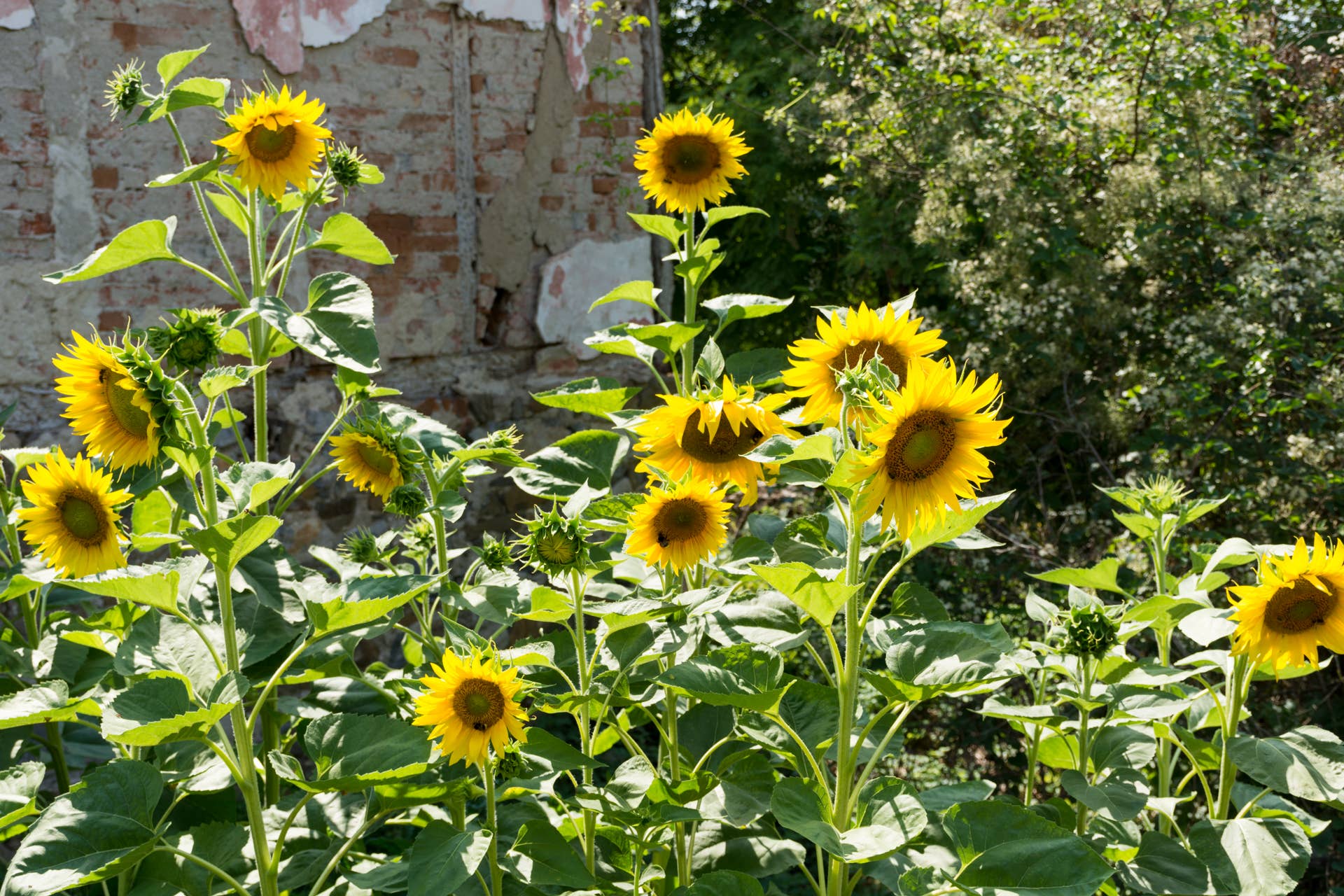
After several weeks, the plant grows taller and buds form. Buds open into bright yellow flowers. Flowers attract pollinators like bees and butterflies. This phase is key for seed formation. Sunflowers need full sun and enough water to bloom well.
Maturation And Seed Production
Flowers fade, and seeds start to develop in the center. Seeds mature and harden over weeks. Leaves may yellow and dry as the plant ages. Mature seeds can be harvested for food or new planting. Proper timing ensures healthy, viable seeds for the next cycle.
Common Challenges
Planting sunflower bird seed sounds straightforward, but you might face some unexpected hurdles along the way. These common challenges can affect whether your seeds grow into healthy sunflowers or just remain a disappointing patch of soil. Understanding these issues helps you tackle them early and improve your chances of success.
Pests And Diseases
Pests like squirrels, birds, and insects often find sunflower seeds irresistible. They can dig up or eat seeds before they sprout, leaving you with fewer plants.
Fungal diseases such as powdery mildew or rust might attack young seedlings, especially in damp conditions. Keep an eye on your plants and remove any infected leaves quickly to protect the rest.
Have you tried using natural deterrents like neem oil or planting pest-repellent herbs nearby? These small actions can save your seeds from becoming a quick snack.
Environmental Stress
Sunflowers need plenty of sunlight and well-drained soil to thrive. If your garden spot is too shady or soggy, the seeds might struggle to grow.
Extreme weather like heavy rain or drought can shock young plants. You may need to water your seedlings carefully during dry spells or protect them from heavy storms.
Think about your local climate and soil type before planting. Are you prepared to adjust your care routine based on changing conditions?
Seed Germination Issues
Sometimes seeds simply don’t sprout, which can be frustrating. Old or improperly stored seeds lose viability over time and won’t grow well.
Planting seeds too deep or too shallow can also block germination. A good rule is to plant seeds about 1 to 1.5 inches deep.
Have you tested your seed batch before planting? A simple germination test by soaking a few seeds in water for a couple of days can give you a clear answer.

Credit: www.reddit.com
Tips For Successful Growth
Sunflower bird seed can grow if planted under the right conditions. Use fresh, untreated seeds and plant them in well-drained soil with enough sunlight. Keep the soil moist until seedlings appear for best growth results.
Growing sunflowers from bird seed can be a delightful experiment in your garden. With the right approach, those seeds can transform into towering sunflowers, adding beauty and attracting pollinators. Below are some practical tips to ensure your sunflower seeds thrive when planted.Enhancing Soil Fertility
Start with testing your soil to understand its nutrient levels. Adding organic matter like compost can significantly boost fertility. Aim for a well-draining soil to prevent waterlogging, which sunflowers dislike. Consider rotating your sunflowers with nitrogen-fixing plants such as beans. This can naturally enhance soil fertility over time. Remember, sunflowers are heavy feeders and thrive in nutrient-rich environments.Watering Best Practices
Water deeply but infrequently to encourage strong root growth. Sunflowers prefer soil that is consistently moist but not soggy. A good rule of thumb is to water when the top inch of soil feels dry. Early morning watering helps prevent fungal diseases. This practice ensures that any excess moisture evaporates by evening. However, avoid overhead watering, as it can damage delicate young plants.Protecting Young Plants
Young sunflower shoots can be vulnerable to pests and weather. Use mulch to retain moisture and suppress weeds, providing a stable environment for growth. Consider using a simple barrier, like chicken wire, to keep hungry critters at bay. Keep an eye out for pests such as slugs and snails. Hand-picking or using natural deterrents can save your plants from damage. By actively monitoring, you can address any issues before they escalate. What unique challenges have you faced in your sunflower-growing journey? Share your experiences and insights, and let’s cultivate a thriving garden together!Harvesting And Using Sunflower Seeds
Sunflower bird seeds can grow if planted, but success depends on seed quality and soil conditions. Fresh, untreated seeds sprout best. Plant seeds in well-drained soil with good sunlight for healthy growth.
Growing sunflowers is not only a delightful addition to your garden but also a rewarding endeavor when it comes to harvesting and using their seeds. Whether you’re an avid gardener or someone who simply enjoys watching birds, sunflower seeds offer multiple uses. From feeding backyard birds to replanting for the next season, knowing how and when to harvest these seeds is crucial for maximizing their benefits.When To Harvest
Timing is everything when it comes to harvesting sunflower seeds. You’ll know it’s time when the back of the sunflower head turns from green to a rich yellow or brown. The seeds will also become plump and lose their stripe pattern. It’s best to harvest on a dry day to prevent mold. You can cut the head of the flower and hang it upside down in a warm, dry place. Just be sure to protect it from curious birds looking for a snack!Seed Storage
Proper storage ensures that your sunflower seeds remain viable for future use. Once the seeds are dry, remove them from the flower head. Store them in a cool, dry place, ideally in a sealed container. Using airtight jars or plastic bags can help keep moisture out. Label your containers with the date and type of sunflower seeds. This little step can save you time and confusion later.Feeding Birds And Replanting
Sunflower seeds are a favorite among birds, making them perfect for backyard feeders. You can sprinkle them on bird tables or fill up your feeders to attract a variety of species. If you’re planning to replant, select the plumpest seeds for the best chance of successful growth. Have you ever noticed how a single sunflower can brighten your garden? Replanting ensures that you enjoy their beauty year after year. What do you find more rewarding—feeding local wildlife or watching your sunflowers grow anew? Either way, sunflower seeds offer a versatile and sustainable gardening option.
Credit: www.reddit.com
Frequently Asked Questions
Will Sunflower Bird Seed Grow If Planted?
Yes, sunflower bird seed can grow if planted. However, only untreated, raw seeds will sprout. Seeds with chemical coatings or roasted ones won’t grow effectively. Proper soil, sunlight, and watering are essential for successful germination.
How Long Does Sunflower Bird Seed Take To Sprout?
Sunflower bird seed typically takes 7 to 10 days to sprout. Soil temperature around 70°F (21°C) speeds up germination. Consistent moisture and sunlight promote healthy seedling growth during this period.
Can All Sunflower Bird Seeds Grow Into Sunflowers?
Not all sunflower bird seeds grow successfully. Only viable, raw seeds have the potential. Some bird seeds are hybrids or treated, reducing growth chances. Selecting untreated seeds increases the likelihood of full sunflower growth.
What Conditions Are Best For Growing Sunflower Bird Seed?
Sunflower seeds need well-drained soil, full sun, and regular watering. Soil should be loose and fertile for root growth. Avoid waterlogged conditions to prevent seed rot and ensure healthy plants.
Conclusion
Sunflower bird seed can grow if planted correctly. Choose fresh seeds without coatings or chemicals. Plant them in good soil with enough sunlight and water. Germination usually takes a week or two. Keep the soil moist but not soaked. Watch for small sprouts and thin them out.
Growing sunflowers from bird seed is a fun, easy project. It brings bright flowers and attracts wildlife to your garden. Try it yourself and enjoy nature’s simple gifts.




