
Have you ever wondered if the bird seed you toss outside could actually grow into plants? It’s a question that sparks curiosity and might even inspire you to try planting that leftover seed mix.
But before you start digging in your garden, it’s important to know what really happens when bird seed hits the soil. You’ll discover whether bird seed can grow, what factors affect its success, and how you can turn your bird feeding habit into a mini garden project.
Keep reading—you might be surprised by what you learn!
Types Of Bird Seed
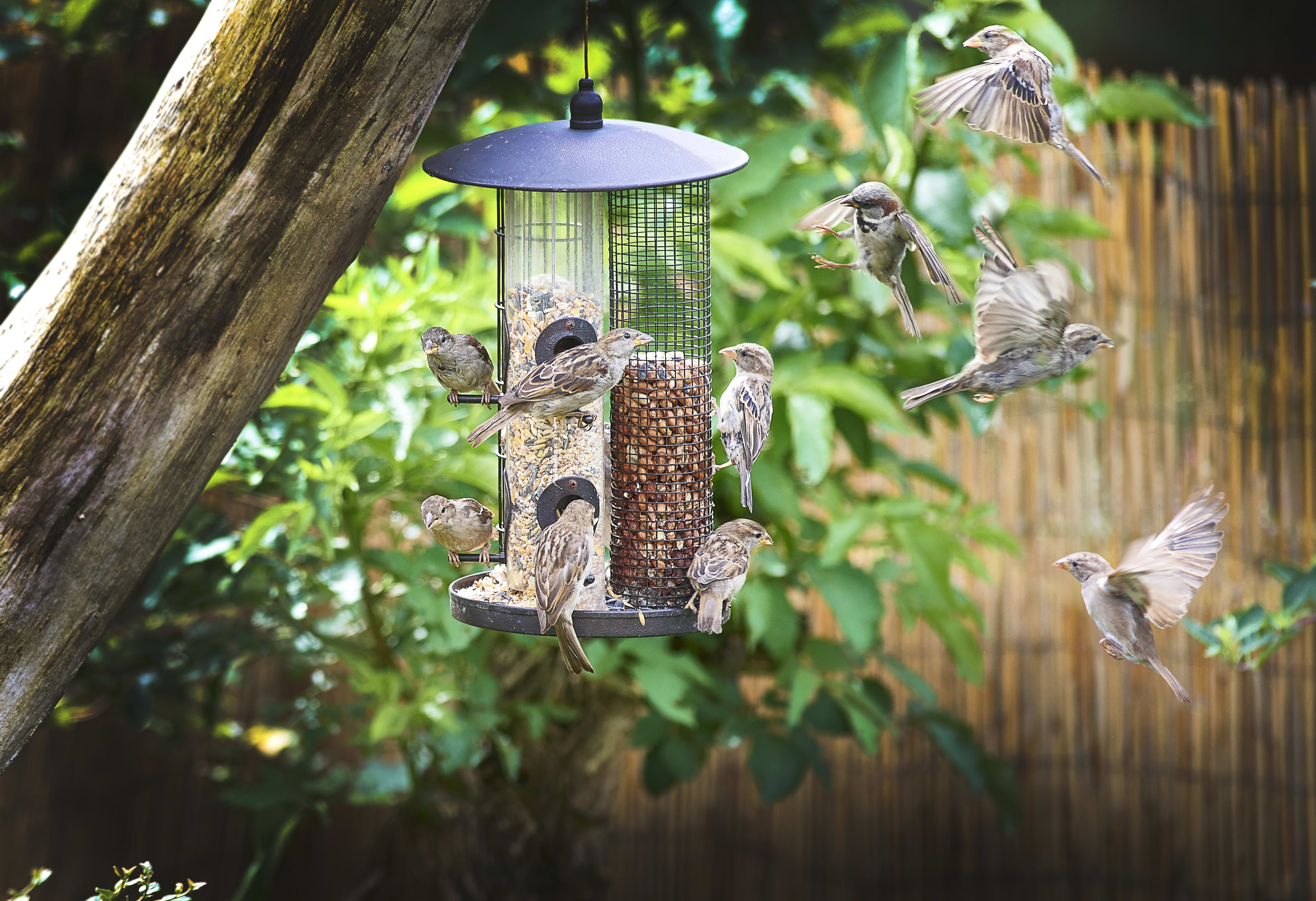
Bird seed comes in many varieties, each designed to attract different types of birds. But have you ever wondered if the seeds you scatter for your feathered friends could actually grow into plants? Understanding the types of bird seed is key to figuring out which ones have planting potential and which are just bird food.
Common Seeds Sold For Birds
Most bird seed mixes contain popular seeds like sunflower, millet, and safflower. These seeds are chosen because many wild birds love them. However, they are often treated or processed to prevent germination, so they won’t grow if planted.
- Sunflower Seeds:Black oil sunflower seeds are the favorite for many birds but are usually roasted or hulled.
- Millet:Small and white, millet is great for ground-feeding birds but often cleaned and processed.
- Safflower:Less common, safflower seeds attract cardinals and grosbeaks and may sometimes sprout if untreated.
Have you noticed some seeds have a shiny or dry coating? That’s often a sign they won’t sprout. So, if you’re hoping to grow plants from bird seed, it’s important to check whether the seeds are raw or treated.
Seeds With Planting Potential
Not all bird seeds are off-limits for growing. Some seeds, especially those sold in bulk or labeled as “raw” or “untreated,” can sprout in your garden. Black oil sunflower seeds bought in gardening stores often germinate well because they are not heat-treated.
- Raw Black Oil Sunflower Seeds:These can grow into sunflowers if planted in good soil with enough water and sunlight.
- Thistle (Nyjer) Seeds:These tiny seeds can sometimes sprout but need careful conditions and patience.
- Millet (Raw):Millet can grow, but it requires warm soil and consistent moisture.
Think about your last bird feeding experience. Did you see any seeds left uneaten? Planting those might surprise you with some unexpected sprouts. So, which seeds in your bird feeder could turn into a garden this season?
Credit: dengarden.com
Seed Viability And Germination
Seed viability and germination are key to understanding if bird seed can grow into plants. Viability means the seed is alive and able to sprout. Germination is the process where the seed begins to grow into a seedling. Not all bird seeds will germinate because many factors influence their ability to grow. Knowing these helps set realistic expectations for planting bird seed.
Factors Affecting Seed Growth
Several factors affect whether bird seeds will grow after planting. The age of the seed matters. Older seeds lose their ability to sprout. Storage conditions like temperature and moisture also impact viability. Seeds kept in damp or hot places may die.
Another factor is the type of seed. Some seeds need special care to germinate. For example, some require soaking or cold treatment. The soil quality and watering after planting are important too. Poor soil and overwatering can stop seeds from growing.
How Bird Seeds Are Processed
Bird seeds sold in stores often undergo processing. They might be cleaned, shelled, or treated to prevent sprouting. Some seeds are heat-treated to kill germs and pests. This treatment also kills the seed embryo, making growth impossible.
Many bird seed mixes contain seeds that do not grow well or at all. Seeds like millet or sunflower might sprout, but others like safflower usually won’t. The processing also removes parts of seeds that help in germination.
Which Bird Seeds Can Grow
Bird seed can sometimes grow into plants if planted correctly. Not all bird seeds will sprout, but some common types do. Knowing which seeds have the best chance to grow helps gardeners and bird lovers alike.
Seeds sold for bird feed are often processed, which may affect their ability to grow. Some seeds remain viable and can sprout in soil. These seeds can add greenery and attract birds to your garden.
Sunflower Seeds
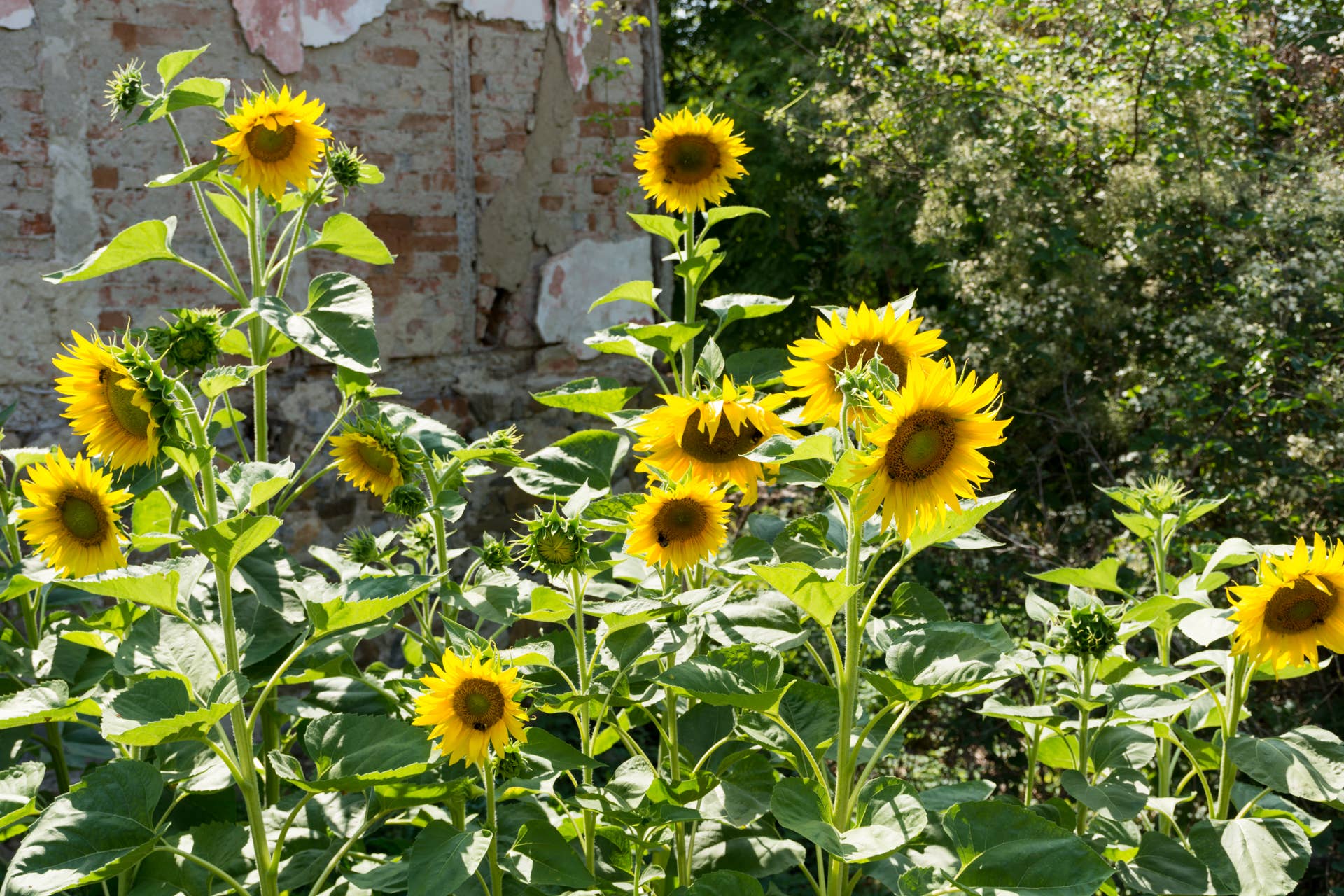
Sunflower seeds are popular for both birds and gardeners. Black oil sunflower seeds usually grow well. They have a thin shell and high germination rate. Gardeners often plant these seeds to grow sunflowers. They produce tall plants with bright yellow flowers.
Sunflowers attract many birds and pollinators. They also provide food for birds later in the season. Plant sunflower seeds in sunny spots with well-drained soil. Water regularly for the best results.
Millet And Sorghum
Millet and sorghum seeds are common in bird seed mixes. These seeds can grow in gardens and fields. Millet produces small grassy plants. Sorghum grows taller and can be used as grain or fodder.
Both seeds prefer warm soil and full sun. They are easy to grow and can tolerate dry conditions. Millet and sorghum attract birds while growing and offer seeds for birds later.
Other Viable Seeds
Some other bird seeds can also sprout. Examples include:
- Nyjer (thistle) seeds – grow into small, fine plants.
- Peanuts – if raw and unsalted, can sprout into peanut plants.
- Canary grass seeds – grow into tall grasses suitable for birds.
Many commercial bird seeds are treated or roasted. These seeds will not grow. Always choose raw and untreated seeds for planting. This ensures better chances of germination and healthy plants.
Credit: dengarden.com
How To Plant Bird Seed Successfully
Planting bird seed can be a fun and rewarding way to grow your own plants. Success depends on simple steps that prepare the soil and care for the seeds properly. Follow these tips to help your bird seed sprout and thrive.
Soil Preparation
Choose soil that drains well but holds moisture. Mix garden soil with compost for better nutrients. Loosen the soil to about 2 inches deep. Remove stones, weeds, and debris before planting. Bird seeds need good soil contact to sprout well.
Watering And Care Tips
Keep the soil consistently moist but not soaked. Water gently to avoid washing away seeds. Use a spray bottle or fine watering can. Check the soil daily, especially during dry weather. Thin seedlings if they grow too close. Provide enough sunlight for healthy growth.
Common Misconceptions About Bird Seed
Many people believe that bird seed can simply be planted and will grow into beautiful plants. This common misconception often leads to disappointment when nothing sprouts. Understanding the truth about bird seed and its growth potential can save you time and help you make better gardening decisions.
Seeds That Won’t Grow
Not all bird seed is meant to grow. Many bird seeds are processed or treated, making them unable to germinate. For example, sunflower seeds sold as bird feed are often roasted or shelled, killing the seed embryo inside.
Other seeds like millet or cracked corn may have been heat-treated or stored improperly, reducing their ability to sprout. You might be surprised to learn that some seeds you scatter in your garden are simply food for birds, not viable plants.
Why Some Seeds Fail
Even viable bird seeds can fail to grow due to poor planting conditions. Seeds need the right soil, moisture, and temperature to sprout. If you scatter bird seed on dry soil or in the shade, it won’t grow.
Additionally, some seeds require specific preparation before planting, such as soaking or stratifying. Without these steps, the seeds remain dormant. Have you checked the seed packet or source to see if your bird seed is actually meant for planting?
Using Bird Seed For Gardening
Planting bird seed can lead to unexpected garden growth. Some seeds sprout into wildflowers or grasses, enriching your garden. They can attract more birds, adding life to your outdoor space.
Using bird seed for gardening can be a surprisingly rewarding endeavor. If you’ve ever wondered what could grow from the seeds you scatter for your feathered friends, you’re not alone. Many gardeners have discovered the joys of watching unexpected plants sprout from these seeds, adding an element of surprise to their gardens.Benefits Of Growing Bird Seeds
Growing bird seeds in your garden offers multiple benefits. Firstly, it can be a cost-effective way to cultivate a variety of plants without buying expensive seeds. You might end up with sunflowers, millet, or even corn, depending on the mix. Additionally, these plants can attract more birds to your garden, creating a lively and vibrant environment. Birds provide natural pest control by eating insects, reducing the need for chemical pesticides. You also get the satisfaction of supporting local wildlife.Creative Garden Ideas
Why not think outside the box with bird seeds? Try planting them in unique patterns to create living art. You could plant a circle of sunflowers around a birdbath, forming a delightful natural oasis. Another idea is to use bird seed plants as a natural privacy screen. Tall plants like sunflowers can create a beautiful and functional barrier. Imagine your garden filled with the joyful chirping of birds, surrounded by lush greenery and vibrant blooms. Have you tried using bird seed in your garden? What surprising plants have you seen sprout? Share your experiences and inspire others to give it a try.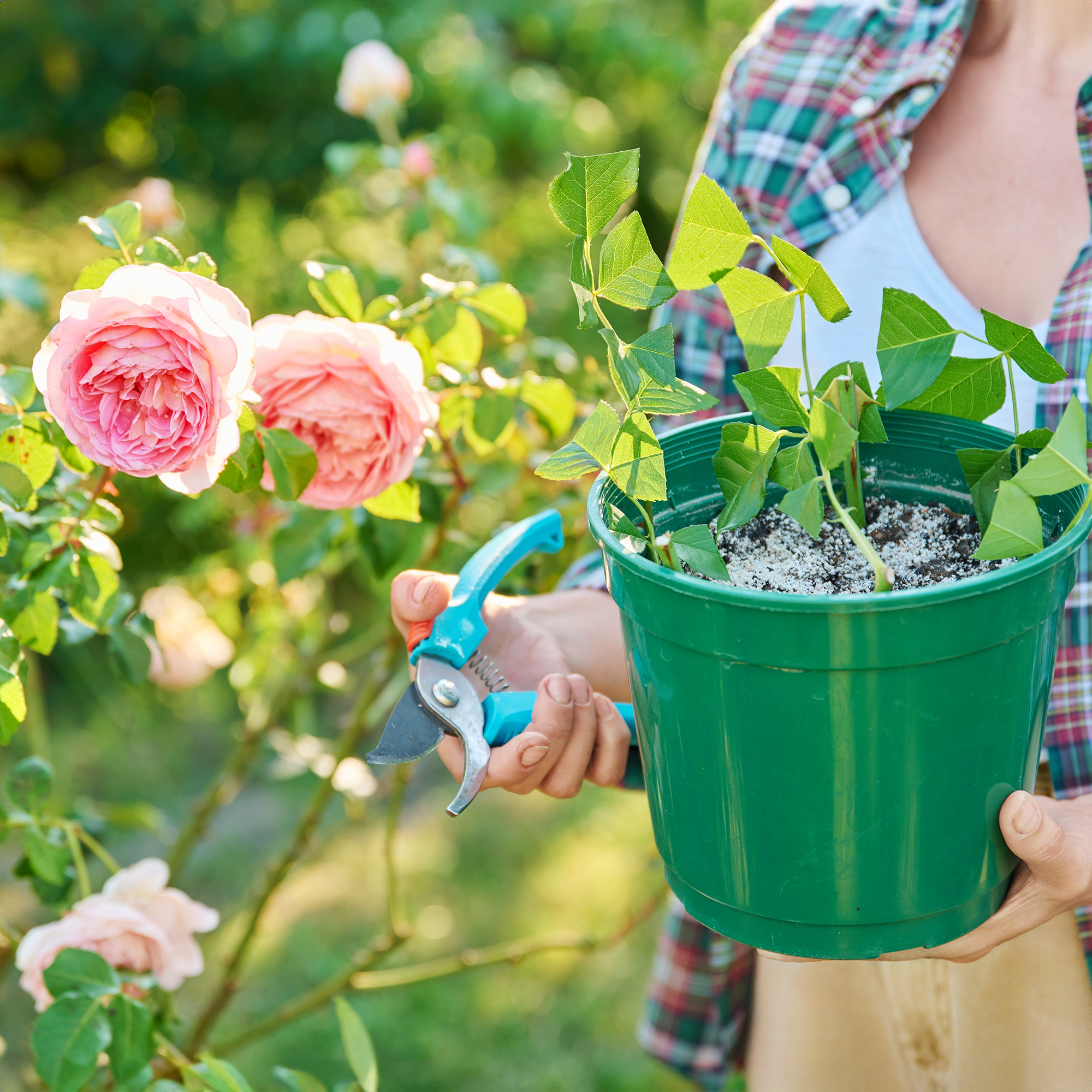
Credit: www.gardeningknowhow.com
Frequently Asked Questions
Will Bird Seed Grow If Planted In Soil?
Yes, some bird seeds can grow if planted in soil. Seeds like sunflower, millet, and safflower have high germination rates. However, commercially sold bird seed mixes often contain treated or old seeds that may not sprout well.
Which Bird Seeds Are Best For Planting?
Sunflower, millet, and nyjer seeds are best for planting. These seeds have high viability and can grow into healthy plants. Avoid mixed seed packs, as some seeds may be treated or non-viable.
How Long Does It Take For Bird Seed To Sprout?
Bird seeds typically sprout within 7 to 14 days. Conditions like soil quality, moisture, and temperature affect germination speed. Consistent watering and adequate sunlight improve sprouting success.
Can Treated Bird Seed Grow Into Plants?
No, treated bird seeds usually won’t grow. Many commercial seeds are coated with chemicals to preserve freshness or prevent sprouting. Untreated, raw seeds have a better chance of growing.
Conclusion
Planting bird seed does not always guarantee growth. Most seeds are treated or mixed, making them less likely to sprout. Some seeds might grow, but often only certain types do. Soil quality, water, and sunlight all affect seed growth. For best results, use seeds meant for planting.
Bird seed is mainly for feeding birds, not gardening. Knowing this helps set the right expectations. Try using proper garden seeds for a better chance of success. Nature can surprise you, but patience is key.




