
Have you ever admired the stunning Bird of Paradise plant and wondered where its seeds hide? If you’re curious about how this exotic beauty grows and spreads, you’re in the right place.
Knowing exactly where to find the seeds can help you grow your own vibrant plant and enjoy its tropical charm at home. Keep reading, and you’ll discover the secret spots where these seeds develop—and how you can use them to nurture your own garden masterpiece.
Bird Of Paradise Plant Basics
The Bird of Paradise plant is a stunning addition to any garden or indoor space. Its unique appearance often sparks curiosity about its growth and reproduction. Understanding the basics of this plant helps you appreciate where the seeds come from and how the plant continues its life cycle.
Plant Description
The Bird of Paradise, scientifically known as Strelitzia, is a tropical plant native to South Africa. It features large, banana-like leaves that can grow up to 2 feet long. The plant can reach heights of up to 6 feet, making it a bold statement piece in your home or garden.
You might notice its thick, sturdy stems that support the dramatic flowers. These flowers are what make the plant famous and give it its name. Have you ever wondered how such an exotic-looking plant manages to produce seeds?
Flower Structure
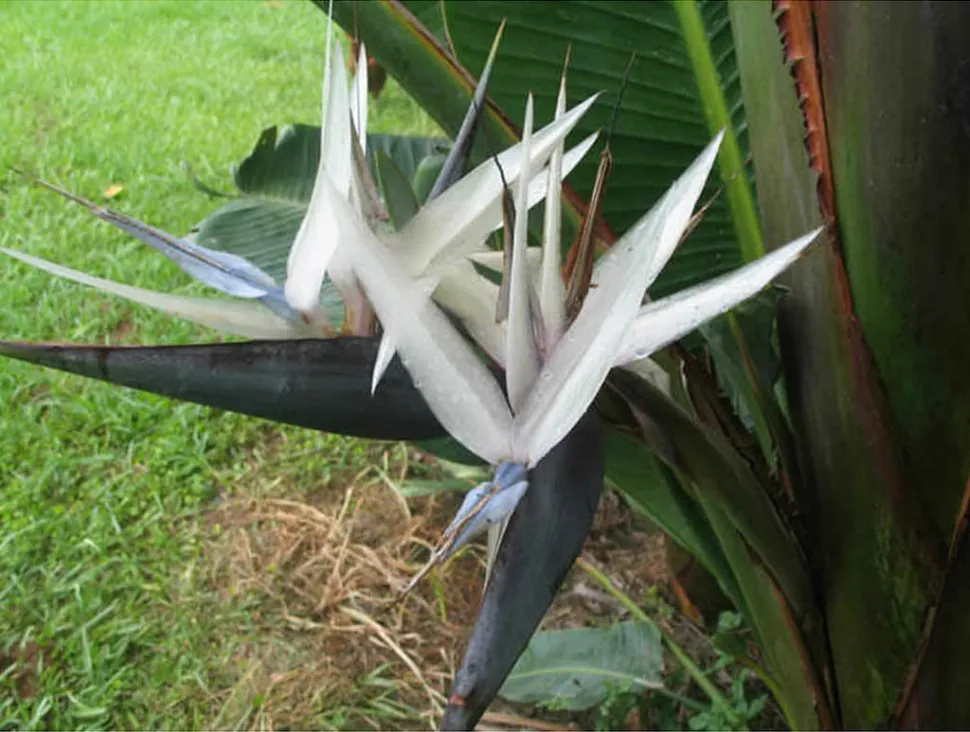
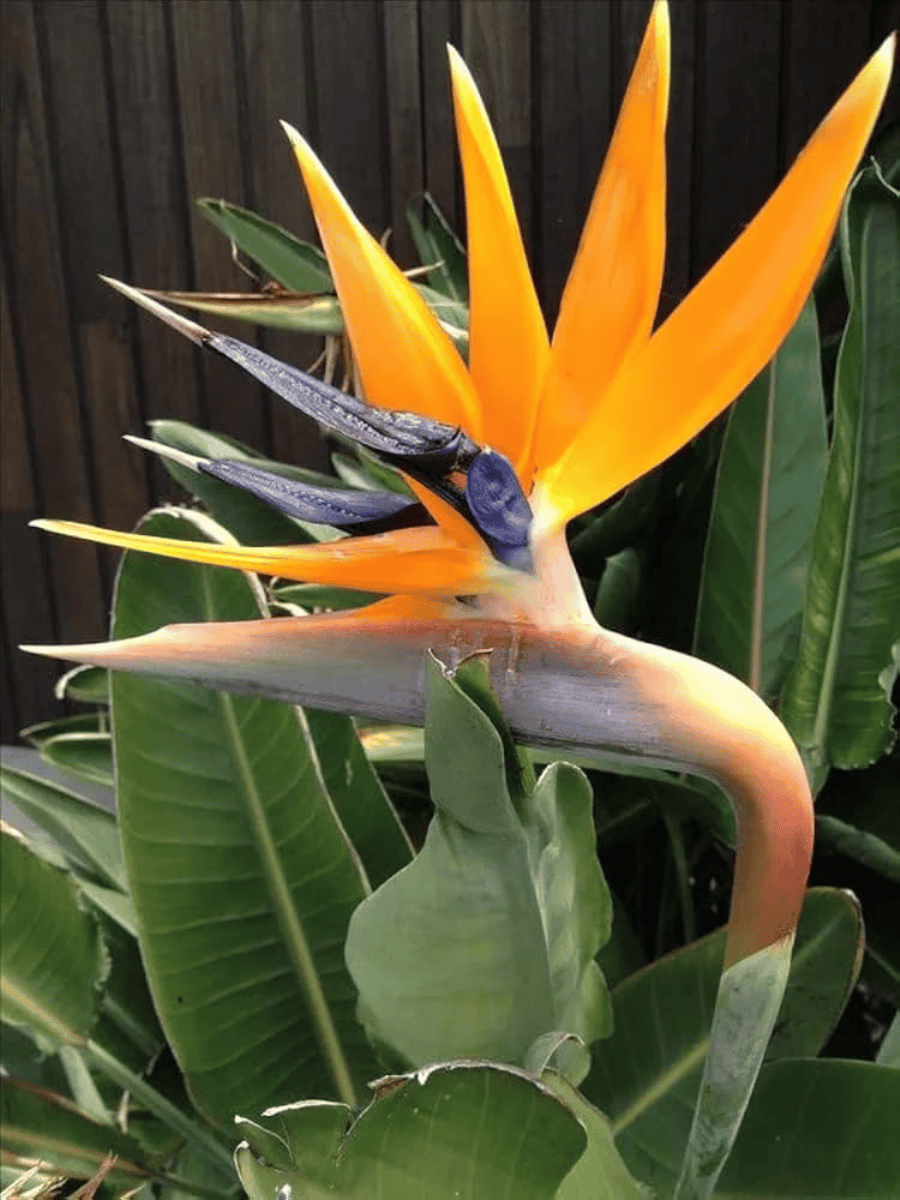
The flower of the Bird of Paradise is more than just beautiful—it’s complex. It consists of bright orange and blue petals that resemble a bird in flight. This structure is designed to attract pollinators like birds and insects.
Inside the flower, there are specialized parts called the stamens and pistils. These are essential for pollination and seed development. When pollinators visit, they transfer pollen from the stamens to the pistils, allowing seeds to form inside the plant’s seed pods.
Next time you see a Bird of Paradise flower, look closely at its parts. Understanding its flower structure can help you better care for the plant and encourage seed production if you’re interested in growing new plants from seed.
Credit: www.monstera-app.com
Seed Location In Bird Of Paradise
Understanding the seed location in a Bird of Paradise plant helps you grow new plants from seed and appreciate its unique reproductive cycle. The seeds are tucked away inside a tough pod, hidden from plain sight. Knowing exactly where these seeds form and develop can guide you in harvesting them at the right time.
Seed Formation Process
The seed formation in Bird of Paradise starts after the flower is pollinated. Once pollination occurs, the flower begins to produce seed pods. These pods gradually grow and harden over several weeks.
Inside each pod, multiple seeds develop. Each seed is covered by a hard outer shell, which protects it until it’s ready to germinate. This process can take a few months, so patience is key if you want to collect viable seeds.
Where Seeds Develop
Seeds develop within the seed pods that grow from the base of the Bird of Paradise flower. These pods look like elongated, green capsules when young and turn brown and woody as they mature.
The pods hang down from the plant’s stem and contain between 5 and 10 seeds each. The seeds themselves are dark, shiny, and have a bright orange aril, making them easier to spot once the pod splits open.
Have you ever noticed those woody pods hanging on your Bird of Paradise? That’s exactly where the seeds are waiting for you to collect them.
Seed Appearance And Characteristics
The seeds of a Bird of Paradise plant hold fascinating details that often go unnoticed. Understanding their appearance and characteristics can help you identify and even propagate this striking plant. Let’s dive into what these seeds look like and how their features stand out.
Seed Size And Shape
The seeds of the Bird of Paradise are relatively small, usually about 1 centimeter in diameter. They have a distinctive round to slightly oval shape, making them easy to distinguish from other plant seeds you might encounter.
Despite their modest size, their shape allows them to fit snugly within the seed pod. Have you ever wondered why these seeds aren’t larger? Their compact size helps with natural dispersal, often aided by birds or wind.
Seed Color And Texture
Bird of Paradise seeds typically feature a deep, glossy black color. This shiny surface is smooth to the touch, almost like a polished bead. The dark color contrasts sharply with the vibrant orange and blue petals of the flower, making the seeds visually unique.
Interestingly, some seeds may have a slight brownish tint depending on their maturity. The smooth texture also helps the seeds resist moisture and damage, enhancing their chances of successful germination.
Credit: www.paudhewale.com
How Seeds Disperse
Understanding how seeds disperse in a Bird of Paradise plant is key to growing new plants successfully. Seeds don’t just stay put; they travel to find the right spot to sprout. Knowing the ways seeds move helps you mimic nature’s process in your garden or indoor space.
Natural Dispersal Methods
Bird of Paradise seeds are contained in pods that split open when mature. This natural opening allows the seeds to fall out, often landing on the soil nearby. However, the plant also relies on other natural forces to spread its seeds further.
Seeds from Bird of Paradise are often heavy and covered with a hard coating, which means they don’t float easily in water. Instead, gravity plays a big role, dropping seeds close to the parent plant. But the plant’s design also encourages other ways for seeds to move.
Role Of Birds And Wind
Birds are attracted to the bright flowers and sometimes the seed pods. While feeding or perching, seeds can stick to their feathers or feet and get carried to new locations. This helps the plant reach areas far from the original spot.
Wind also helps, especially when seeds are caught in the air after the pods open. Although Bird of Paradise seeds aren’t light like dandelions, a strong breeze can still move them short distances. Have you noticed seeds scattered differently after a windy day?
By understanding these natural seed dispersal methods, you can support your Bird of Paradise plant’s growth. Try placing seed pods in slightly different spots or encourage local birds to visit your garden. These small actions can lead to new plants thriving in unexpected places.
Growing Bird Of Paradise From Seeds
Growing Bird of Paradise from seeds can be a rewarding experience that connects you closely with this iconic plant. Unlike buying a mature plant, starting from seed allows you to witness every stage of its development. However, patience is key, as this process takes time and care.
Seed Collection Tips
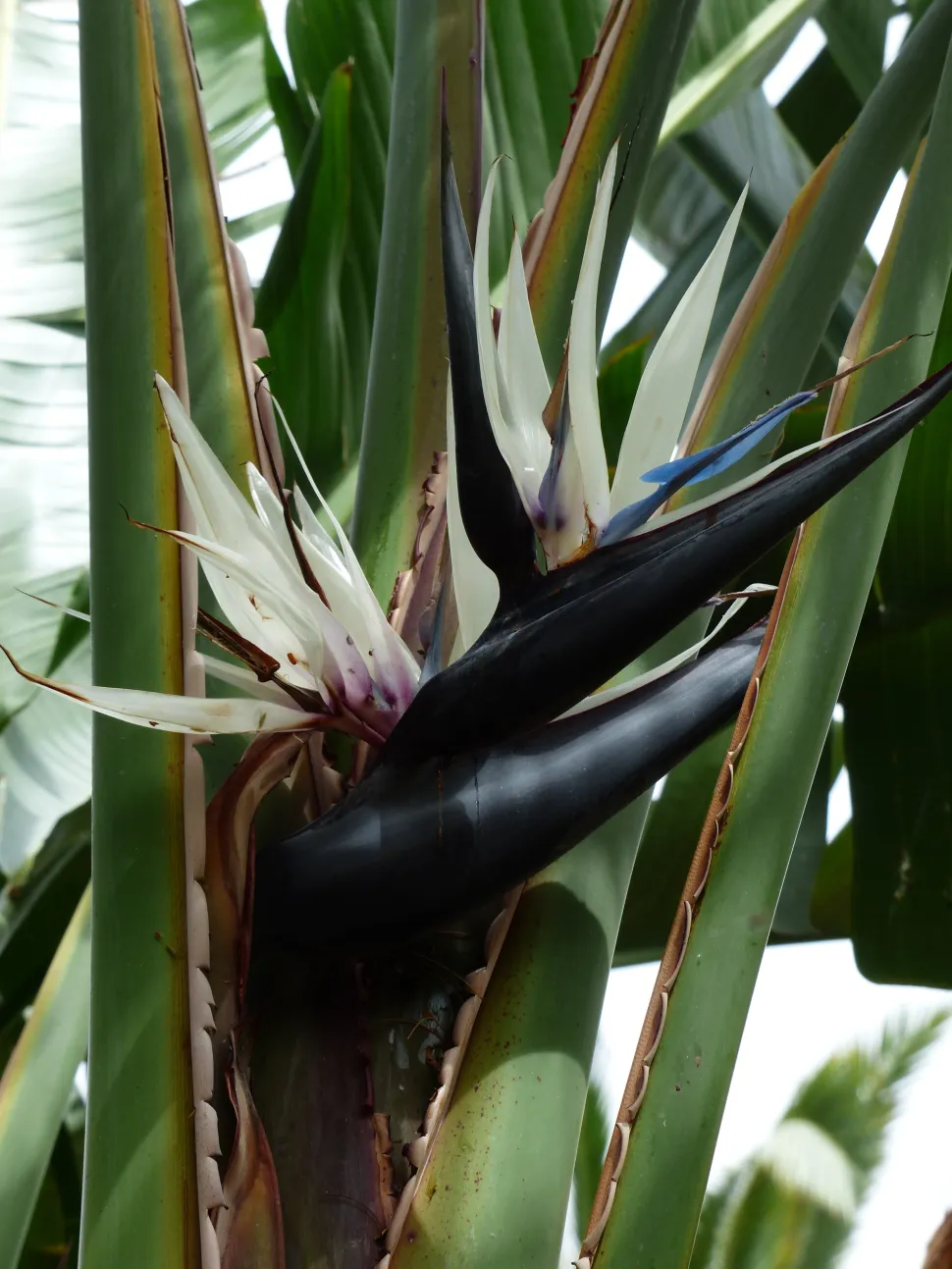
Seeds come from the distinctive pods of the Bird of Paradise flower, found after the petals have dried. Look for pods that are brown and beginning to split open—these indicate mature seeds inside.
To collect the seeds, carefully break open the pod and remove the black seeds attached to the bright orange aril. Be gentle to avoid damaging the seed coat, as it’s essential for successful germination.
- Collect seeds in dry weather to prevent mold growth.
- Store seeds in a cool, dry place until you are ready to plant.
- Label your seeds with the collection date for better tracking.
Germination Process
Start by soaking the seeds in warm water for 24 to 48 hours to soften the hard seed coat. This step can significantly improve germination rates by helping water penetrate the seed.
Plant seeds about 1 inch deep in a well-draining seed-starting mix. Keep the soil consistently moist but not soggy, and place the container in a warm spot with indirect light.
Germination can take anywhere from 3 weeks to 2 months. Don’t get discouraged if it takes longer; some seeds need extra time and stable conditions to sprout.
- Maintain temperatures around 70-75°F (21-24°C) for best results.
- Use a plastic cover or humidity dome to retain moisture.
- Ventilate daily to prevent mold and fungus.
Have you tried growing from seeds before? Paying attention to these details can make your Bird of Paradise journey much smoother and more exciting.
Credit: www.monstera-app.com
Common Challenges With Seeds
Bird of Paradise plants are known for their stunning flowers. Growing them from seeds can be tricky. Many gardeners face several challenges. Understanding these challenges helps improve seed success rates. Below are some common issues with Bird of Paradise seeds.
Seed Viability Issues
Bird of Paradise seeds often have low viability. This means not all seeds will grow. Fresh seeds have a better chance of sprouting. Older seeds may be too dry or damaged. It’s important to source seeds from reliable suppliers. This ensures you get viable seeds for planting.
Pests And Diseases
Pests and diseases can harm Bird of Paradise seeds. Some common pests include aphids and spider mites. These pests damage seeds and seedlings. Fungal diseases can also affect seeds. Proper care and monitoring are essential. Use natural remedies to keep pests away. Healthy seeds lead to healthy plants.
Frequently Asked Questions
Where Exactly Are The Seeds Located In Bird Of Paradise?
Bird of Paradise seeds are found inside its unique seed pods. These pods develop after the flower blooms and dry out. Each pod contains several hard, dark seeds. The seeds are nestled within the pod’s fibrous interior, protected until they are ready to disperse.
How Can I Identify Bird Of Paradise Seeds?
Bird of Paradise seeds are glossy, hard, and dark brown or black. They are oval-shaped and often have a bright orange or red aril attached. This colorful aril helps attract birds, aiding in seed dispersal. Seeds are located inside the plant’s distinctive seed pods.
When Do Bird Of Paradise Plants Produce Seeds?
Bird of Paradise plants typically produce seeds after flowering. Seed pods form a few weeks post-bloom and mature over several months. The seeds are ready for harvest when the pods dry and crack open. This usually happens in late summer or early fall.
Can I Grow Bird Of Paradise From Its Seeds?
Yes, Bird of Paradise plants can be grown from seeds. However, seed germination is slow and can take several weeks to months. Proper seed preparation, like soaking and scarification, improves success. Growing from seeds requires patience but results in healthy new plants.
Conclusion
Bird of Paradise seeds hide inside the plant’s bright flowers. These seeds grow after the flower blooms fully. You can find them inside the orange and blue petals. Seeds help grow new plants. Knowing where seeds are helps you care for the plant better.
Watch the flowers closely to spot the seeds. This way, you understand how the plant grows and spreads. Enjoy growing your Bird of Paradise with this simple knowledge.




