
Are you eager to grow your own stunning Bird of Paradise but unsure when to start from seeds? Timing is everything when it comes to planting these beautiful, tropical flowers.
Planting at the right moment can mean the difference between slow growth and a vibrant, flourishing plant. You’ll discover the best time to plant Bird of Paradise seeds so you can enjoy their striking blooms sooner and with less hassle.
Keep reading to unlock simple tips that will help your garden thrive!

Credit: sanjaynursery.com
Best Planting Seasons
Choosing the right season to plant Bird of Paradise seeds can make a significant difference in how well your plants grow and thrive. The timing affects germination rates and the overall health of your seedlings. Understanding the best planting seasons helps you avoid common pitfalls like slow growth or seed rot.
Ideal Temperature Range
Bird of Paradise seeds need warmth to germinate successfully. Aim for soil temperatures between 70°F and 85°F (21°C to 29°C). Temperatures below this range can delay sprouting or cause seeds to fail entirely.
If you’ve ever planted seeds too early in cool soil, you know how frustrating slow growth can be. Keeping the temperature consistent is key. You might consider using a seedling heat mat to maintain this warmth if natural conditions aren’t ideal.
Climate Considerations
Your local climate plays a major role in deciding when to plant. Bird of Paradise plants thrive in tropical and subtropical zones with mild winters. If you live in a region with colder winters, waiting until after the last frost date is crucial.
In dry climates, planting at the start of the rainy season gives seeds enough moisture to sprout. Conversely, in very humid areas, avoid the wettest months to reduce the risk of fungal infections. Have you checked your local frost dates and average rainfall before planning?
Timing For Indoor Vs Outdoor
Starting Bird of Paradise seeds indoors allows you to control the environment and get a jump on the growing season. You can plant seeds indoors any time of year as long as you provide sufficient warmth and light.
When moving seedlings outdoors, wait until temperatures are reliably warm and nights stay above 55°F (13°C). Outdoor planting is best in spring or early summer, depending on your zone. This staged approach gives your seeds the best chance to mature into strong plants.
Preparing Seeds For Planting
Bird of Paradise seeds sprout best in warm weather, usually after the last frost. Soaking seeds overnight helps speed up germination and improves success. Plant seeds in moist soil with good drainage for healthy growth.
Growing a Bird of Paradise from seed can be a rewarding experience, but success starts with proper preparation. Before planting, it’s essential to ensure your seeds are ready for the soil. This involves selecting the right seeds, preparing them through soaking and scarification, and using pre-germination techniques to boost your chances of success. Let’s dive into these steps to make your Bird of Paradise journey a flourishing one.Seed Selection Tips
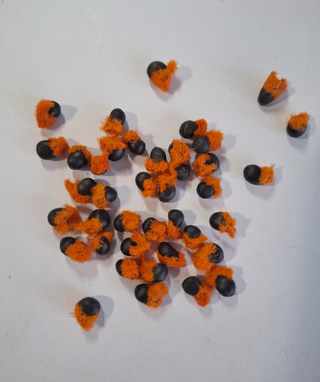
Choosing quality seeds is crucial. Look for seeds that are plump and free from cracks or discoloration. Fresh seeds generally have a higher germination rate, so sourcing them from a reputable supplier or a mature Bird of Paradise plant is ideal. Consider seed age as well. Older seeds may still germinate, but their success rate diminishes over time. If possible, use seeds harvested within the last year to ensure vitality.Soaking And Scarification
Soaking seeds is a simple yet effective way to soften their hard outer shell. Place your Bird of Paradise seeds in warm water for 24-48 hours. This process mimics natural conditions and encourages seeds to break dormancy. For even better results, scarification can be employed. Gently nick the seed coat with a sharp knife or sand the surface lightly. This allows moisture to penetrate more effectively, aiding in faster germination.Pre-germination Techniques
Pre-germination can give your seeds a head start. After soaking, wrap the seeds in a damp paper towel and place them in a plastic bag. Keep the bag in a warm area, such as on top of a refrigerator, to maintain consistent warmth. Check regularly for sprouts. Once they appear, it’s time to plant them in soil. This method can significantly reduce the time it takes for seedlings to emerge. Are you ready to see your Bird of Paradise thrive? By taking these preparatory steps, you’re setting the stage for a beautiful and thriving plant.Soil And Potting Needs
Bird of Paradise seeds need the right soil and potting conditions to grow well. The soil must hold moisture but drain well to avoid root rot. Pot size affects seedling growth and root health. Fertilizing before planting gives seeds a nutrient boost for strong starts.
Choosing The Right Soil Mix
Use a soil mix that drains quickly and stays slightly moist. A good mix includes:
- Regular potting soil
- Perlite or sand for drainage
- Peat moss or coconut coir to retain moisture
This mix prevents water from pooling and keeps roots healthy. Avoid heavy or clay soils that trap water.
Pot Size And Drainage
Start with a small pot, about 4 to 6 inches wide. This size helps control watering and root growth. The pot must have drainage holes to stop water buildup. Elevate the pot slightly if needed to ensure water flows out freely.
Fertilizing Before Planting
Lightly mix a balanced, slow-release fertilizer into the soil before planting seeds. This helps provide essential nutrients for early growth. Avoid strong fertilizers that can burn young roots. Use a formula with equal parts nitrogen, phosphorus, and potassium for the best results.
Planting Process
The planting process for Bird of Paradise seeds demands patience and care, but the results are worth every effort. Knowing how to plant your seeds properly can make a significant difference in germination success and the early health of your plants. Let’s break down the essentials so you can start your Bird of Paradise journey on the right foot.
Step-by-step Planting Guide
First, soak the seeds in warm water for 24 to 48 hours to soften their tough outer shell. This simple step speeds up germination and helps the seed absorb moisture more easily.
Next, choose a well-draining potting mix, ideally one rich in organic matter and slightly sandy. Plant each seed with the pointed end facing down, just beneath the soil surface.
Keep the soil consistently moist but not waterlogged during the germination period, which can take anywhere from one to three months. Place your container in a warm, bright spot, but avoid direct sunlight that might dry out the soil too quickly.
Depth And Spacing
Plant Bird of Paradise seeds about 1 to 1.5 inches deep. This depth protects the seed while allowing the emerging sprout to reach the surface without trouble.
Space seeds at least 6 inches apart if planting multiple in a single container. This spacing prevents overcrowding and allows each seedling enough room to develop healthy roots and leaves.
Watering After Planting
Water gently immediately after planting to settle the soil around the seed. Use a spray bottle or a watering can with a fine spout to avoid washing seeds away.
Maintain a steady moisture level in the soil; it should feel damp but not soggy. Overwatering can cause seeds to rot, while underwatering can halt germination entirely.
Have you noticed how a little patience and careful watering can transform slow-growing seeds into thriving plants? Your attention during this stage lays the foundation for vibrant Bird of Paradise blooms in the future.
Germination And Growth Care
Growing Bird of Paradise from seeds takes patience and care. The germination phase is slow but rewarding. Proper conditions help seeds sprout faster and grow healthy plants. Attention to light, temperature, watering, and pest control is essential during this time. Each factor influences seedling strength and overall growth.
Light And Temperature Requirements
Bird of Paradise seeds need bright, indirect light to germinate well. Avoid direct sunlight that can scorch young seedlings. Keep the temperature steady between 70°F and 85°F (21°C to 29°C). Warmth encourages faster sprouting and strong growth. Use a heat mat if the environment is too cool.
Watering Schedule
Keep the soil moist but not soaked. Overwatering can cause seeds to rot. Check soil daily and water lightly when the top layer feels dry. Use a spray bottle to mist seedlings gently. Proper watering supports root development without drowning the seeds.
Managing Pests And Diseases
Young Bird of Paradise plants are vulnerable to pests like spider mites and aphids. Inspect seedlings regularly for any signs of infestation. Use natural insecticidal soap or neem oil for treatment. Maintain good air circulation to prevent fungal diseases. Remove any dead or decayed plant material promptly to keep seedlings healthy.

Credit: sanjaynursery.com
Transplanting Seedlings
Transplanting Bird of Paradise seedlings is a critical step in their growth journey. Moving them at the right time and with proper care can make a big difference in their health and bloom potential. Let’s break down what you need to know to give your seedlings the best start in their new home.
When To Transplant
Wait until your seedlings have developed at least two to three true leaves. This usually means they are strong enough to handle the stress of moving. If you transplant too early, the seedlings might struggle or die.
Look for sturdy stems and a healthy root system before transplanting. If the roots start circling the pot or coming out of drainage holes, it’s a clear sign your seedlings are ready. Do you notice your seedlings looking cramped? That’s your cue to act.
Preparing The New Location
Choose a spot that gets plenty of bright, indirect light. Bird of Paradise plants thrive in warmth, so pick a location where temperatures stay between 65-70°F (18-21°C). Avoid areas with strong drafts or sudden temperature changes.
Prepare the soil by mixing well-draining potting soil with some sand or perlite. This ensures the roots won’t sit in water, which can cause rot. Adding a bit of compost can also give your seedlings a nutrient boost right from the start.
Post-transplant Care
After transplanting, water your seedlings gently but thoroughly to help settle the soil around the roots. Keep the soil moist but not soggy; overwatering is a common mistake at this stage.
Place the seedlings in a shaded area for a few days to reduce transplant shock. Gradually reintroduce them to full light over a week. Watch for signs of stress like drooping leaves or discoloration, and adjust care accordingly.
Common Challenges
Growing Bird of Paradise from seeds can be rewarding but challenging. Many gardeners face hurdles during the process. Understanding these challenges ensures better success with your plantings.
Slow Germination Issues
Bird of Paradise seeds often germinate slowly. This frustrates many gardeners eager for quick results. Several factors contribute to this delay. The seeds have a hard outer shell. This shell makes it difficult for water and nutrients to penetrate. Soaking seeds before planting can help. Use warm water and soak for 24 hours. This softens the shell and speeds up germination.
Seedling Failure Causes
Seedlings sometimes fail to thrive after sprouting. One common cause is poor soil quality. Ensure the soil is well-draining and rich in organic matter. Another issue is improper watering. Both overwatering and underwatering harm young seedlings. Maintain consistent moisture levels. Avoid letting the soil become too dry or too soggy.
Preventing Common Mistakes
Several mistakes can hinder Bird of Paradise growth. Plant seeds at the correct depth. Too deep or too shallow affects germination. Place seeds about an inch deep in the soil. Ensure adequate sunlight. Bird of Paradise requires bright, indirect light. Position seedlings in a spot with plenty of light. Also, monitor temperature levels. Maintain a warm environment for optimal growth. Temperatures between 70-75°F work best.
Credit: ferriseeds.com
Frequently Asked Questions
When Is The Best Time To Plant Bird Of Paradise Seeds?
The best time to plant Bird of Paradise seeds is in late spring or early summer. This period offers warm soil and consistent sunlight, which help seeds germinate faster and grow stronger.
How Long Does Bird Of Paradise Seed Germination Take?
Bird of Paradise seeds typically take 2 to 6 weeks to germinate. Soaking seeds in warm water for 24 hours before planting can speed up this process.
Can I Plant Bird Of Paradise Seeds Indoors?
Yes, you can start Bird of Paradise seeds indoors. Use a warm, bright spot and well-draining soil to encourage healthy growth before transplanting outdoors.
Should Bird Of Paradise Seeds Be Soaked Before Planting?
Soaking Bird of Paradise seeds in warm water for 24 hours softens the hard seed coat. This improves germination rates and helps seeds sprout faster.
Conclusion
Plant Bird of Paradise seeds in warm, moist soil for best growth. Early spring is ideal to give seeds time to sprout. Keep the soil damp but not soggy to avoid rotting. Patience is key; germination can take several weeks.
With proper care, your plants will grow strong and healthy. Starting at the right time helps you enjoy their beautiful flowers sooner. Happy planting and enjoy your colorful garden addition!




