
Have you ever wondered what surprises might sprout from that simple bag of wild bird seed in your pantry? You might be missing out on a fun and easy way to grow plants right in your own backyard.
Imagine turning bird seed into a vibrant garden full of flowers, herbs, or even veggies—all without buying special seeds. You’ll discover exactly what plants can grow from wild bird seed and how you can start your own green adventure today.
Keep reading, and unlock the secret potential hiding in that ordinary bird seed bag!
Common Seeds In Wild Bird Mixes
Wild bird seed mixes contain a variety of seeds that attract different bird species. These seeds can also sprout into plants if scattered on the ground. Understanding the common seeds helps gardeners predict what might grow from these mixes. Some seeds are more likely to grow than others, depending on their type and the season.
Types Of Seeds Found
Wild bird seed mixes often include several seed types. Each seed grows into a different plant. Common seeds include:
- Sunflower seeds – produce tall, bright sunflowers
- Millet – grows into small, grass-like plants
- Safflower – becomes a bushy plant with white flowers
- Nyjer (thistle) – can grow into small, spiky plants
- Cracked corn – sprouts into corn plants in warm weather
These seeds vary in size and shape, influencing how well they sprout outdoors.
Seasonal Variations
Season affects which seeds will grow best from wild bird mixes. Warm seasons help many seeds sprout quickly. Cooler seasons slow down or stop growth. For example:
- Spring and summer: Sunflowers and corn grow easily
- Fall: Millet and safflower can still sprout but slower
- Winter: Most seeds stay dormant and do not grow
Soil temperature and moisture also influence seed germination. Seeds need warm, moist soil to sprout well.
Credit: dengarden.com
Plants That Naturally Sprout
Wild bird seed mixes often contain a variety of seeds that can sprout naturally in your garden. These seeds can grow into beautiful plants with minimal effort. They bring color and life to your outdoor spaces while attracting more birds. Knowing which plants grow from wild bird seed helps gardeners plan better. Some seeds are more likely to sprout and thrive under common garden conditions.
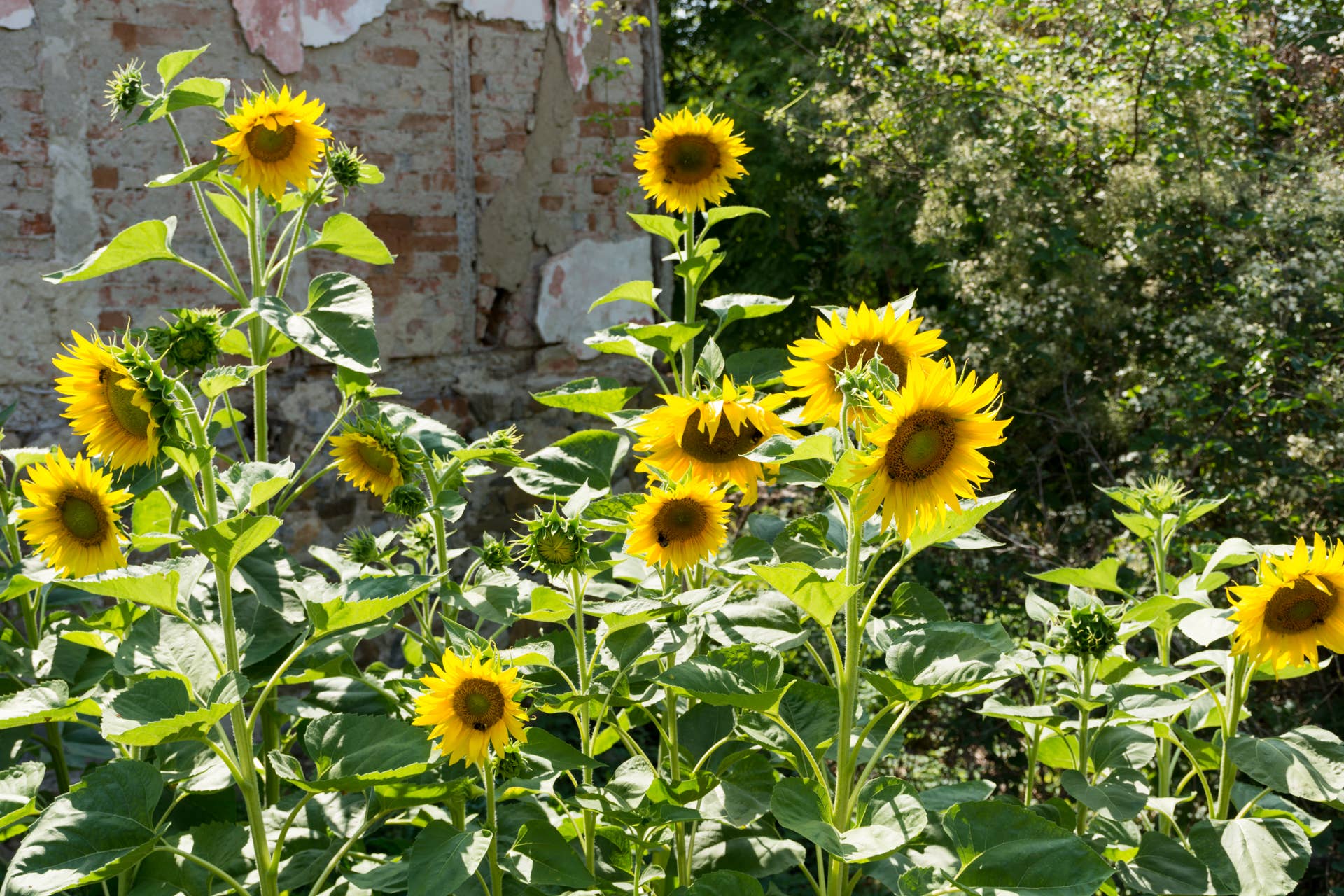
Sunflowers
Sunflowers are common in many bird seed mixes. They sprout easily and grow tall with bright yellow flowers. Sunflowers attract pollinators like bees and butterflies. Birds enjoy the seeds once the flowers mature. These plants can add a cheerful touch to any garden area.
Millet
Millet is a small seed popular with many bird species. It grows quickly into grass-like plants. Millet can fill empty garden spots with green growth. Birds love to feed on millet seeds. This plant is good for ground cover and attracting small birds.
Safflower
Safflower seeds are high in oil and favored by some birds. They grow into spiky plants with pale flowers. Safflower plants can handle dry soil well. These plants provide seeds that many birds enjoy eating. They add texture and variety to your garden.
Niger Seeds
Niger seeds come from a small, dark seed often found in wild bird seed mixes. They grow into thin, grass-like plants. Niger attracts finches and other small birds. The plants are easy to grow and care for. They help support a variety of wild birds in your garden.
Unexpected Garden Beauties
Have you ever scattered wild bird seed in your garden and been surprised by what popped up? Wild bird seed mixes can grow more than just plants that feed your feathered friends. They often bring unexpected garden beauties that add color, texture, and even flavor to your outdoor space.
Wildflowers
Wild bird seed mixes frequently contain wildflower seeds that bloom into vibrant, eye-catching flowers. These wildflowers attract pollinators like bees and butterflies, boosting your garden’s health.
Look out for species like black-eyed Susans, cosmos, and poppies. I once planted a bag of bird seed in a neglected corner, and weeks later, a splash of yellow and orange wildflowers transformed the area.
Would you believe these wildflowers can thrive with minimal care? They’re a natural, low-maintenance way to brighten your garden.
Herbs
Some wild bird seeds include herb seeds that sprout into aromatic, useful plants. You might find chives, dill, or fennel growing unexpectedly among the other plants.
These herbs can add fresh flavors to your kitchen and even support beneficial insects. I discovered a patch of dill growing from bird seed, which became a favorite for attracting ladybugs to my vegetable garden.
Why not let your garden surprise you with fresh herbs that need little effort to grow?
Grasses
Grasses often show up from wild bird seed mixes, adding movement and texture to your garden landscape. These can range from fine, soft grasses to taller, ornamental varieties.
Ornamental grasses provide interest year-round, and some even produce seeds that attract birds back to your garden. I’ve seen my simple seed mix grow into a mini prairie with grasses swaying in the breeze.
Could adding grasses help create a more dynamic and wildlife-friendly garden space for you?
Growing Conditions For Bird Seed Plants
Growing plants from wild bird seed can be a rewarding experience, but understanding their specific growing conditions is key to success. These plants come from a mix of seeds, each with unique needs. Paying attention to soil, water, and sunlight helps you create an environment where they can thrive.
Soil Preferences
Most bird seed plants prefer well-draining soil that doesn’t stay soggy. Sandy or loamy soils work best because they allow roots to breathe and prevent rot. If your soil is heavy clay, consider mixing in some compost or sand to improve drainage.
Have you checked your soil texture lately? A simple squeeze test can tell you if it’s right for these plants. If it feels too sticky or wet, amending it will make a big difference.
Watering Needs
Wild bird seed plants usually need moderate watering. Keep the soil moist but not waterlogged, especially in the early stages of growth. Overwatering can drown the seeds or cause fungal problems.
Watch how quickly your soil dries out. In hotter weather, you might need to water daily, but cooler, humid days could mean less frequent watering. Are you ready to adjust your routine based on what the plants tell you?
Sunlight Requirements
Sunlight is crucial for these plants to develop strong stems and vibrant leaves. Most bird seed plants flourish in full sun, which means at least 6 hours of direct sunlight each day. Partial shade can work, but growth may slow down.
Think about where you place your seed tray or garden bed. Does the spot get enough light throughout the day? Moving them to a sunnier location might boost your success more than you expect.
Benefits Of Growing From Bird Seed
Growing plants from wild bird seed offers unique benefits that go beyond just sprouting greenery. This approach turns simple bird feed into a source of vibrant plants that can enhance your garden in surprising ways. You get more than just flowers or herbs—you create an inviting space for wildlife, save money, and contribute to a healthier ecosystem.
Attracting Wildlife
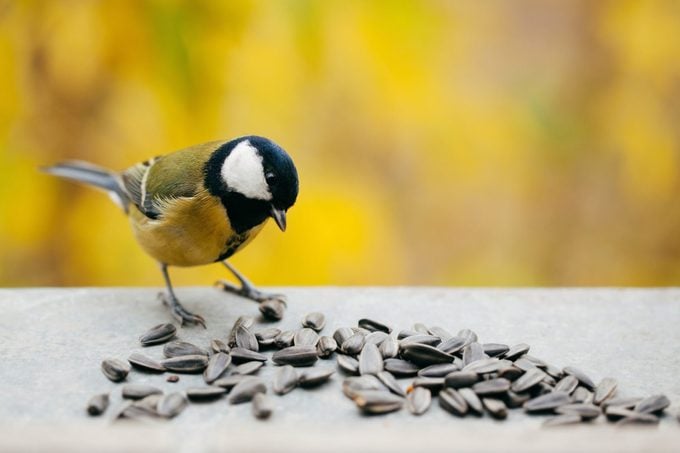
Plants grown from bird seed naturally attract birds and pollinators like bees and butterflies. These visitors help maintain a balanced garden by controlling pests and pollinating your flowers.
Imagine your garden buzzing with life every morning, thanks to the seeds you scattered. Have you noticed how a few flowers can turn an empty yard into a lively sanctuary?
Cost-effective Gardening
Using bird seed to grow plants cuts down your gardening expenses significantly. Instead of buying separate seed packets for flowers, vegetables, or herbs, one bag of bird seed can produce a variety of plants.
This method is perfect if you’re just starting out or want to try growing plants without spending much. Why spend more when you can multiply your garden’s potential from one simple source?
Biodiversity Boost
Wild bird seed often contains a mix of plant species, which means your garden benefits from increased biodiversity. Different plants support different insects and animals, creating a healthier environment.
Adding varied plants can help your garden withstand diseases and harsh weather better. Have you considered how diverse plants in your space might improve its resilience?
Credit: www.familyhandyman.com
Tips For Planting Bird Seed
Wild bird seed can grow into a variety of plants like sunflowers, millet, and grasses. Plant seeds in well-drained soil and water them regularly. Choose a sunny spot to help these plants thrive and attract more birds.
Planting bird seed might seem unconventional, but it can be a rewarding way to grow a variety of plants. Many people are surprised to learn that bird seed contains seeds from plants like sunflowers, millet, and even some grasses. With a bit of preparation and the right techniques, you can transform these seeds into a flourishing garden.Seed Preparation
Begin by examining the bird seed mix you intend to plant. Look for seeds that are commonly known to grow, such as sunflower seeds, millet, and corn. To enhance germination rates, soak the seeds in water overnight. This softens the seed coat and speeds up the germination process. Consider mixing in some high-quality potting soil or compost with the seeds. This provides essential nutrients right from the start.Planting Techniques
Choose a sunny spot for planting, as most bird seed plants thrive in sunlight. Clear the area of weeds and debris to give your seeds the best chance to grow. Scatter the seeds evenly over the soil. Gently rake them into the top layer of soil to ensure good soil-seed contact. Water the area lightly to avoid washing away the seeds. Consistent moisture is key during the germination phase.Maintenance
Once the plants begin to sprout, keep an eye out for unwanted weeds. Regularly remove them to reduce competition for nutrients. Water your plants regularly, especially during dry spells. However, be cautious not to over-water as this can lead to root rot. As your plants grow, consider adding a layer of mulch. This helps retain moisture and suppresses weed growth. Have you ever thought about the unexpected beauty that could emerge from a handful of bird seed? With a little care and attention, you might find yourself with a garden that’s not only beautiful but also a haven for local wildlife.Potential Challenges
Growing plants from wild bird seed can be exciting. Yet, it comes with challenges. These challenges can affect the growth of these plants. Understanding them helps manage your garden better.
Weed Control
Wild bird seeds often contain weed seeds. These can grow alongside your intended plants. Weeds compete for nutrients, water, and sunlight. This competition can stunt the growth of your desired plants. Regular weeding is essential. It helps keep the unwanted plants at bay. Mulching also aids in controlling weed growth. It blocks sunlight, preventing weeds from sprouting.
Pest Management
Bird seed plants attract various pests. Birds, insects, and rodents might show interest. These pests can damage the seeds and plants. Regular monitoring is crucial. It helps identify pest problems early. Using natural pest repellents can help. They keep harmful creatures away without damaging the plants.
Germination Issues
Not all seeds in bird mixes germinate well. Some seeds might be too old. Others may have been damaged. Poor germination leads to uneven plant growth. Testing a small batch can help. It determines which seeds will sprout. Providing the right soil conditions aids germination. Ensure the soil is moist but not waterlogged. This balance is key for successful plant growth.
Credit: www.westcoastseeds.com
Frequently Asked Questions
What Types Of Plants Grow From Wild Bird Seed?
Wild bird seed often contains sunflower, millet, sorghum, and millet seeds. These grow into sunflowers, grasses, and small cereal plants. The mix varies by brand, affecting which plants sprout in your garden.
Can Wild Bird Seed Attract Beneficial Garden Plants?
Yes, some wild bird seeds grow into plants that attract pollinators and beneficial insects. Sunflowers and native grasses provide nectar and shelter, improving garden biodiversity and health.
How Long Does It Take For Plants To Grow From Wild Bird Seed?
Plants from wild bird seed usually sprout within 7 to 14 days. Growth speed depends on seed type, soil quality, and watering frequency. Sunflowers tend to grow faster than grasses.
Is It Safe To Plant Wild Bird Seed In My Garden?
Yes, planting wild bird seed is safe and eco-friendly. It encourages wildlife and helps native plant growth. Avoid seeds treated with chemicals to ensure healthy, organic plants.
Conclusion
Wild bird seed can grow many types of plants in your garden. Seeds like sunflowers, millet, and sorghum often sprout quickly. These plants attract birds and add beauty to your yard. Growing from wild bird seed is easy and fun for beginners.
You can enjoy watching plants grow and birds visit. Try planting wild bird seed to see what appears. It’s a simple way to bring nature closer to home. Give it a try and watch your garden come alive.




