
Are you ready to add a fiery kick to your garden? Planting Birds Eye Chilli seeds is easier than you think, and growing your own spicy peppers can be incredibly rewarding.
Whether you want to spice up your meals or impress friends with homegrown heat, this guide will show you exactly how to get started. Keep reading, and you’ll discover simple steps that turn tiny seeds into vibrant, hot chilli plants right in your backyard or windowsill.
Get ready to unleash your green thumb and enjoy the spicy rewards!
Choosing Quality Seeds
Choosing quality seeds is the foundation of a successful Birds Eye chilli growing experience. The right seeds can make a big difference in how well your plants grow and how spicy your chillies become. You want seeds that are healthy, viable, and true to their variety to get the best results in your garden.
Selecting Viable Seeds
Not all seeds are created equal. Viable seeds are those that have the potential to sprout and grow into strong plants. You can often tell if seeds are viable by looking for:
- Size and color:Healthy Birds Eye chilli seeds are usually firm, plump, and cream to light brown in color.
- Freshness:Older seeds might lose their ability to germinate. Check the packaging date or ask the seller about when the seeds were harvested.
- Uniformity:Seeds that look uniform in shape and size tend to grow more consistently.
Have you ever planted seeds that just didn’t sprout? That disappointment often comes from using low-quality or old seeds. Testing a few seeds by soaking them in water overnight can help—viable seeds usually sink, while non-viable ones float.
Where To Buy Seeds
Finding a reliable source for Birds Eye chilli seeds is key. You want seeds that are not only viable but also true to the variety name to ensure you get the flavor and heat you expect.
Here are some places to consider:
- Local nurseries and garden centers:They often stock seeds suited for your climate and may offer expert advice.
- Reputable online seed suppliers:Look for sellers with good reviews and clear seed descriptions.
- Seed exchanges and gardening clubs:These can be great for finding heirloom or rare varieties from experienced growers.
Remember, cheaper isn’t always better. Investing a little more in high-quality seeds can save you time and frustration later on. Where do you usually get your seeds? Trying a new supplier might surprise you with better germination rates and plant health.

Credit: www.youtube.com
Preparing The Soil
Preparing the soil is a crucial step before planting your Birds Eye chilli seeds. Healthy soil sets the foundation for strong seedlings and vibrant plants. Taking the time to get your soil right will make a noticeable difference in how well your chillies grow.
Soil Type And Ph
Your Birds Eye chillies need well-draining soil to avoid waterlogging, which can rot the seeds or roots. Sandy loam or loamy soil is ideal because it holds moisture without staying soggy. If you’re unsure about your soil type, try digging a small hole and checking how quickly water drains.
pH level plays a big role in nutrient absorption. Birds Eye chillies prefer a slightly acidic to neutral pH, around 6.0 to 7.0. You can buy a simple soil pH test kit from garden centers to check this. If your soil is too acidic or alkaline, it might stunt growth or reduce fruit production.
Adding Nutrients
Before sowing your seeds, enrich your soil with organic matter like compost or well-rotted manure. This improves soil structure and provides essential nutrients. I once skipped this step and noticed my chilli plants struggled to grow—adding compost next time made a huge difference.
Birds Eye chillies especially need nitrogen, phosphorus, and potassium. You can add a balanced fertilizer (like 10-10-10) or organic options such as bone meal and seaweed extract. Spread these evenly and mix gently into the top 6 inches of soil to prepare a nutrient-rich bed for your seeds.
Seed Germination Techniques
Seed germination is the first and most important stage of growing Birds Eye Chilli. Proper techniques increase the chance of healthy sprouts. Understanding how to prepare and care for the seeds makes a big difference. The right conditions help seeds break dormancy and start growing quickly.
Soaking Seeds
Soaking Birds Eye Chilli seeds helps soften the seed coat. This speeds up germination by making it easier for the seed to sprout. Use clean, lukewarm water for soaking. Leave the seeds in water for 12 to 24 hours. Avoid soaking longer to prevent seed damage or rotting. After soaking, gently pat seeds dry before planting.
Ideal Temperature And Moisture
Birds Eye Chilli seeds need warmth to germinate well. Keep the soil temperature between 25°C and 30°C (77°F to 86°F). Use a heat mat or place seed trays in a warm spot. Maintain consistent moisture without waterlogging the soil. Cover the seed tray with plastic wrap or a humidity dome. This keeps the environment humid and moist for faster germination.
Planting The Seeds
Planting Birds Eye Chilli seeds is the first step to growing spicy, flavorful peppers. The seeds need careful handling to sprout well. Understanding the right depth and spacing helps seedlings grow strong. Choosing between seed trays and direct sowing affects how easily you manage young plants.
Sowing Depth And Spacing
Plant Birds Eye Chilli seeds about 0.5 cm (1/4 inch) deep. Cover the seeds lightly with soil to keep moisture in. Space each seed at least 3 cm (1 inch) apart. This distance gives roots room to grow without crowding. Proper spacing prevents diseases and helps plants get enough air and light.
Using Seed Trays Vs Direct Sowing
Seed trays offer better control over conditions. They keep soil warm and moist, speeding up germination. Seedlings grow safely, away from pests. You can transplant strong seedlings later.
Direct sowing means planting seeds straight into the garden or pots. It saves time and effort. But seedlings face more risks like drying out or being eaten by insects. Choose direct sowing if your climate is warm and stable.
Caring For Seedlings
Caring for your Birds Eye chilli seedlings is a crucial phase that sets the foundation for strong, healthy plants. These tiny plants need just the right conditions to thrive and avoid common issues like damping-off or slow growth. Paying close attention to watering and light can make all the difference between a thriving chilli plant and a weak one struggling to survive.
Watering Tips
Seedlings have delicate roots that require consistent moisture but not sogginess. Overwatering can lead to root rot, while underwatering will dry out the soil and stunt growth.
- Water your seedlings gently to avoid disturbing their fragile roots.
- Use a spray bottle or watering can with a fine nozzle for even moisture.
- Check soil daily—if the top inch feels dry, it’s time to water.
- Ensure your seed trays or pots have good drainage to prevent water from pooling.
Have you noticed how some seedlings droop even if the soil looks moist? That might be a sign of too much water sitting around the roots.
Light Requirements
Birds Eye chilli seedlings need plenty of bright light to develop strong stems and healthy leaves. Without enough light, they become leggy and weak.
- Place seedlings near a south-facing window or under grow lights for 12-16 hours daily.
- If natural light is limited, consider using fluorescent or LED grow lights to supplement.
- Rotate your seedlings regularly to ensure even light exposure on all sides.
Have you ever seen a seedling stretch out and lean toward a window? That’s a clear signal it’s craving more light. Giving them the right amount helps keep your young plants compact and ready for transplanting.
Transplanting Seedlings
Transplant seedlings carefully to avoid root damage. Choose a sunny spot with well-drained soil for birds eye chilli plants. Water lightly after planting to help seedlings settle.
Transplanting seedlings is a crucial step in growing Bird’s Eye Chilli plants. This stage ensures that your young plants have enough space and nutrients to thrive. Proper timing and technique are essential for successful transplantation. Let’s explore the process in detail.When To Transplant
Transplant seedlings when they have at least 2-3 true leaves. This usually occurs 4-6 weeks after germination. Ensure outdoor temperatures are consistently above 60°F (15°C). Choose a cloudy day or late afternoon for transplanting to reduce plant stress.Transplanting Process
Prepare a well-draining soil bed or pots with quality potting mix. Dig holes slightly larger than the seedling’s root ball. Gently remove seedlings from their trays, keeping the root ball intact. Place each seedling into a prepared hole, covering the roots completely. Water thoroughly to settle the soil around the roots. Space seedlings 18-24 inches apart for optimal growth. Regularly check for pests and maintain soil moisture.Common Problems And Solutions
Growing Birds Eye Chilli can be rewarding, but you might face a few challenges along the way. Identifying common problems early helps you take quick action and keep your plants healthy. Let’s look at some typical issues and how you can solve them effectively.
Pests And Diseases
Birds Eye Chilli plants attract pests like aphids, spider mites, and whiteflies. These tiny invaders can stunt growth and damage leaves. Check your plants regularly, especially under the leaves where pests often hide.
To tackle pests, spray a mild solution of soapy water or neem oil. These are safe and effective ways to control infestations without harming the plant. If you spot fungal diseases like powdery mildew, remove affected leaves immediately and improve air circulation around your plants.
Have you noticed sticky residue or tiny holes on your leaves? These signs often point to pest problems. Acting quickly can prevent serious damage and save your chilli harvest.
Nutrient Deficiencies
Yellowing leaves or slow growth might mean your Birds Eye Chilli needs more nutrients. These plants thrive when given balanced fertilizer with nitrogen, phosphorus, and potassium.
Using organic compost or well-rotted manure can boost soil fertility naturally. If your plant’s leaves curl or develop brown edges, it might be lacking magnesium or calcium.
Try adding Epsom salts for magnesium or crushed eggshells for calcium directly to the soil. Small changes like these can make a big difference in your chilli’s health and fruit quality.

Credit: www.youtube.com
Harvesting And Storage
Harvesting and storing Bird’s Eye Chili seeds and peppers are crucial steps. Proper timing ensures the best flavor and quality. Learn the essential tips for successful harvesting and storage.
When To Harvest
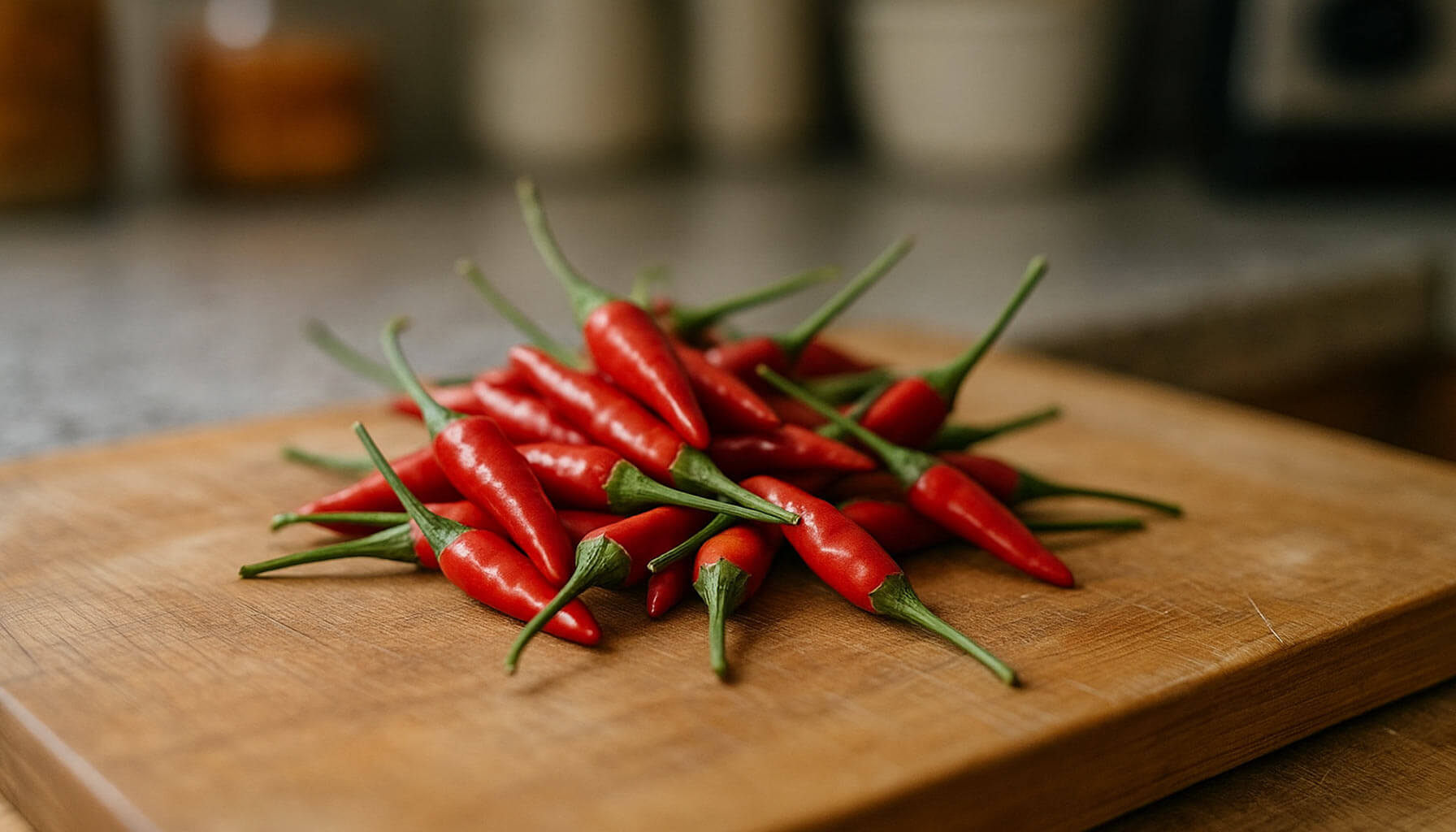
Pick Bird’s Eye Chili peppers once they turn bright red. This indicates peak ripeness. Check peppers regularly for color changes. Use scissors to snip them off. Avoid pulling peppers by hand. This can damage the plant. Harvest all mature peppers before the first frost. Unripe ones won’t mature off the plant.
Storing Seeds And Peppers
Dry the harvested seeds on a paper towel. Leave them in a warm, dry place. Store seeds in an airtight container. Keep them in a cool, dark location. Proper storage ensures long seed viability.
For peppers, wash and dry them thoroughly. Store fresh peppers in the refrigerator. Use a breathable bag to prevent moisture buildup. For long-term storage, freeze or dry the peppers. Frozen peppers retain flavor for months. Dried peppers can be stored in airtight jars. Place them in a cool, dark pantry. This method preserves flavor and heat.
Credit: www.howto-grow.co.uk
Frequently Asked Questions
How Long Do Birds Eye Chilli Seeds Take To Germinate?
Birds Eye Chilli seeds usually germinate within 7 to 14 days. Keep the soil moist and warm, around 25°C, for best results. Germination speed depends on temperature, humidity, and seed quality.
What Soil Type Is Best For Planting Birds Eye Chilli Seeds?
Well-draining, fertile soil rich in organic matter is ideal. A slightly acidic to neutral pH (6. 0-7. 0) supports healthy growth. Avoid heavy clay soils to prevent waterlogging and root rot.
How Often Should I Water Birds Eye Chilli Seedlings?
Water the seedlings moderately to keep the soil moist but not soggy. Overwatering can cause root rot, while underwatering stresses the plants. Adjust watering frequency depending on climate and soil moisture.
When Should I Transplant Birds Eye Chilli Seedlings Outdoors?
Transplant seedlings outdoors once they are 6-8 weeks old and have 4-6 true leaves. Ensure all frost danger has passed, and soil temperature is above 18°C for successful growth.
Conclusion
Planting birds eye chilli seeds is simple and rewarding. Start with good soil and warmth. Water the seeds gently but keep soil moist. Give the seedlings plenty of light as they grow. Watch them carefully for pests or diseases. With patience, you will enjoy fresh, spicy chillies.
Growing your own adds flavor to meals and fun to gardening. Try it today and see how easy it can be. Small steps lead to great results. Your garden will thank you.




