
Are you excited to grow beautiful sunflowers but worried that birds might steal your seeds before they even sprout? You’re not alone.
Many gardeners face the frustration of watching their hard-planted sunflower seeds disappear quickly. But don’t let this stop you from enjoying a vibrant garden full of sunny blooms. You’ll discover simple, effective ways to protect your sunflower seeds from hungry birds.
Keep reading, and you’ll learn how to outsmart these feathered visitors and give your sunflowers the best chance to grow strong and tall.
Reasons Birds Target Sunflower Seeds
Sunflower seeds are a favorite snack for many birds, which can be frustrating when you’re trying to grow your own sunflowers. Understanding why birds target these seeds can help you come up with better strategies to protect your plants. Let’s take a closer look at the main reasons birds are drawn to sunflower seeds.
High Nutritional Value
Sunflower seeds are packed with fats, proteins, and vitamins that birds need, especially during colder months. This makes them an energy-rich food source that many birds seek out eagerly. Have you noticed how birds flock around feeders filled with sunflower seeds? That’s because these seeds offer excellent nutrition.
Easy To Spot And Access
Sunflower seeds are large and visible, making them easy for birds to find in your garden or yard. The seeds often sit on open flower heads, which are not well protected. If you’ve seen birds picking seeds right off the flower, you know they prefer easy meals.
Natural Food Preference
Many common garden birds naturally prefer sunflower seeds over other types of seeds. Species like finches, chickadees, and cardinals are especially fond of them. When you plant sunflowers, you’re essentially offering a natural buffet that matches their taste.
Seasonal Food Scarcity
During certain times of the year, food sources become limited for birds. When this happens, they turn to reliable options like sunflower seeds. If you’ve experienced increased bird activity at your sunflower patch during late fall or winter, this scarcity is likely the reason.
Attraction To Bright Colors
The bright yellow petals of sunflowers can attract birds from a distance. This visual cue tells birds that a food source is nearby. Have you ever wondered why birds seem to find your sunflowers so quickly? The vibrant colors play a big role.
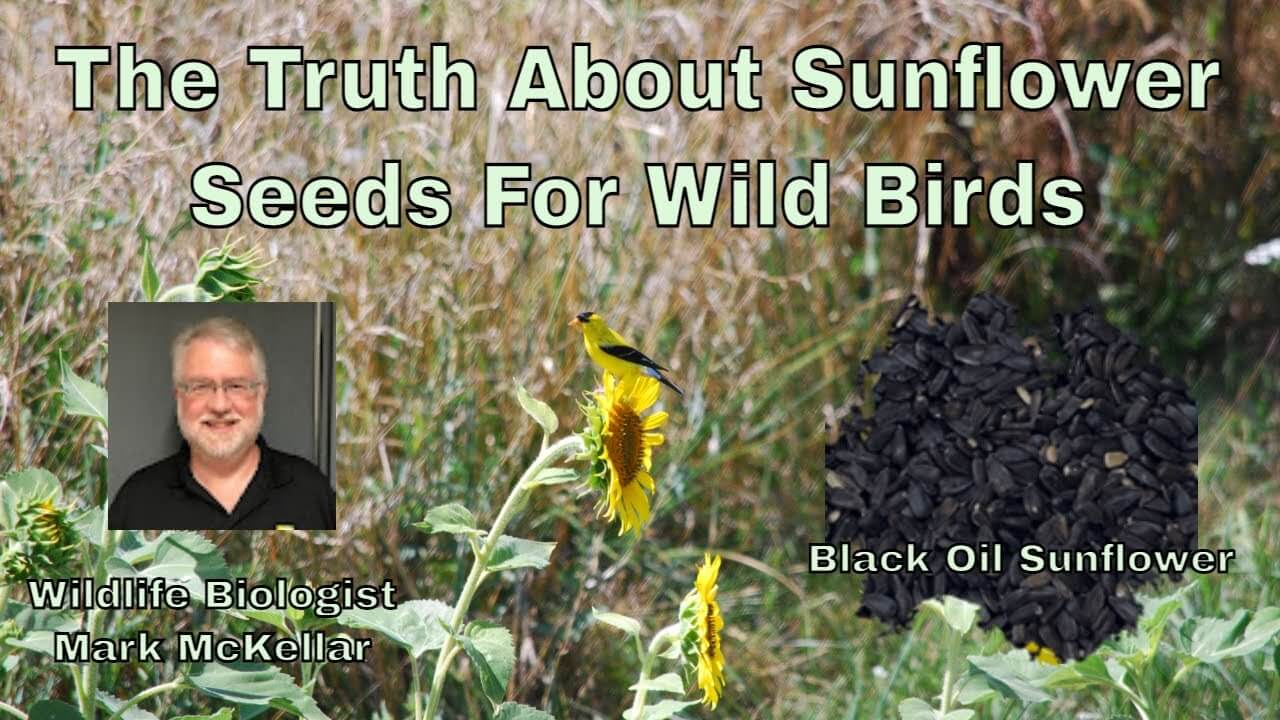
Credit: jungleaquatics.com
Choosing Bird-resistant Seed Varieties
Choosing bird-resistant seed varieties can make a big difference in protecting your sunflower seeds from hungry birds. Some sunflower seeds are naturally less appealing or harder for birds to eat, helping you save your planted seeds for growth rather than for bird snacks.
By selecting the right type of seeds, you reduce the need for extra protective measures. This approach saves time and effort, letting you enjoy watching your sunflowers grow without constant worry.
Understanding Bird Preferences For Sunflower Seeds
Birds tend to prefer black oil sunflower seeds because they are softer and easier to crack open. If you want to keep birds away, consider using striped sunflower seeds instead. They have a thicker shell, making it harder for birds to eat them quickly.
You might wonder why birds avoid some seeds. It often comes down to shell hardness and seed size. Larger, tougher seeds discourage birds and give your plants a better chance to sprout.
Types Of Sunflower Seeds Less Attractive To Birds
- Striped Sunflower Seeds:These have a tough shell that deters many birds.
- Sunflower Varieties with Larger Seeds:Birds find them harder to handle.
- Hybrid Seeds:Some hybrids are bred for pest resistance, including bird resistance.
Choosing these varieties can cut down on seed loss. It also means fewer interruptions to your planting schedule.
Where To Find Bird-resistant Sunflower Seeds
Specialty garden centers and seed catalogs often list bird-resistant sunflower varieties. You can also ask local gardeners or extension offices for recommendations that work well in your area.
Have you tried ordering seeds online? Many websites provide detailed descriptions about seed hardness and bird resistance. This information helps you make smarter choices before you plant.
Physical Barriers To Protect Seeds
Physical barriers offer a reliable way to protect sunflower seeds from hungry birds. These barriers create a shield around the seeds, stopping birds from reaching them. Using physical barriers helps ensure your seeds can grow into strong plants without being eaten early.
Using Netting And Mesh Covers
Netting and mesh covers are popular tools to keep birds away from planted seeds. They are lightweight and easy to place over seed beds. The holes in the mesh are small enough to block birds but allow sunlight and water through.
- Choose a fine mesh size to prevent small birds from entering.
- Secure the netting tightly to the ground to avoid gaps.
- Remove the netting once seedlings grow tall enough to avoid damage.
Netting works well in gardens and small planting areas. It creates a clear barrier that birds cannot cross.
Creating Seed Enclosures
Seed enclosures are small cages or frames placed around seeds. They act as a physical fence, stopping birds from picking seeds. Materials like wire mesh or plastic frames work well for enclosures.
- Build frames just large enough to cover the seed area.
- Use sturdy materials to withstand wind and weather.
- Make sure enclosures allow air and water to reach the soil.
Enclosures protect seeds without blocking sunlight. They also keep other pests away. This method is ideal for small or valuable seed patches.
Natural Deterrents To Keep Birds Away
Keeping birds away from planted sunflower seeds can be challenging. Natural deterrents offer a safe, eco-friendly way to protect your garden. These methods reduce bird damage without harming the environment. Using plants and simple tools can keep birds at bay effectively.
Planting Companion Crops
Companion crops can help shield sunflowers from hungry birds. Some plants repel birds by their smell or taste. Others distract birds, making sunflowers less attractive.
- Strong-smelling herbs like garlic or chives can deter birds.
- Plants with spiky or rough leaves, such as lavender, create a physical barrier.
- Fast-growing cover crops provide shade and hide seeds from birds.
Plant companion crops around or between sunflowers. This creates a natural shield and confuses birds. It also supports a healthier garden ecosystem.
Employing Scare Devices
Scare devices trick birds into thinking the area is unsafe. These devices create movement, noise, or reflections that birds dislike.
- Shiny objects like aluminum foil strips or old CDs reflect light and scare birds.
- Wind chimes produce sound that disturbs birds.
- Scarecrows placed near sunflower patches can deter birds if moved often.
- Plastic predators such as owls or snakes can frighten smaller birds.
Change the position of scare devices regularly. Birds get used to fixed objects quickly. Rotation keeps the scare devices effective for longer.
Timing And Planting Techniques
Timing and planting techniques play a crucial role in protecting your sunflower seeds from hungry birds. Adjusting when and how you plant can reduce the chances of birds snatching your seeds before they have a chance to sprout. Let’s look at how to use timing and planting depth to your advantage.
Adjusting Sowing Time
Plant your sunflower seeds later in the season when birds are less active in foraging for food. Early spring sowing often attracts birds hungry after winter. Waiting a few weeks can mean fewer feathered visitors interested in your seeds.
Consider sowing seeds in the evening or on cloudy days. Birds tend to be less active in low light, giving your seeds a better chance to settle into the soil undisturbed. Have you noticed how quiet your garden feels just before dusk? Use this calm to your planting advantage.
Depth And Spacing Strategies
Plant seeds deeper than usual—about 1 to 1.5 inches below the soil surface. Deeper planting makes it harder for birds to dig out the seeds. However, don’t bury them too deep; they still need to sprout easily.
Space your seeds appropriately, leaving enough room between them. Tight clusters can attract birds by making seeds more visible. Wider spacing helps seeds blend into the soil, reducing the chance birds spot them.
- Plant seeds 1 to 1.5 inches deep
- Keep at least 6 inches between seeds
- Cover soil lightly to avoid exposing seeds
Have you tried mixing these timing and planting tips? Observing how birds behave around your garden can help you adjust your approach for better results.
Credit: dengarden.com
Using Repellents Safely
Apply bird-safe repellents carefully to avoid harming wildlife and plants. Follow label instructions and reapply after rain for best results. Keep repellents away from children and pets to ensure safety.
Keeping birds from eating your planted sunflower seeds can be a tricky task, but using repellents safely can make a significant difference. Repellents offer a protective barrier that deters birds from feasting on your future sunflowers, without causing them harm. It’s crucial to choose and apply these solutions thoughtfully to ensure they are both effective and safe for the environment.Types Of Bird Repellents
Bird repellents come in various forms, each suited to different needs and preferences. Visual repellents like reflective tapes or scarecrows can startle birds and keep them at bay. Auditory repellents such as ultrasonic devices emit sounds that birds find unpleasant. You might also consider taste repellents, which make the seeds unpalatable to birds. These are often made from natural ingredients like hot pepper. Always check the ingredients to ensure they won’t harm the plants or the birds.Application Tips
When applying repellents, timing and technique are everything. Apply visual and auditory repellents as soon as you plant your seeds. This helps establish a bird-free zone from the beginning. For taste repellents, ensure they coat the seeds thoroughly but do not overapply. Too much could wash off into the soil and affect plant growth. Reapply after rain to maintain effectiveness. Consider the birds that frequent your garden. Are they small or large? This can help you tailor the repellent strategy. Remember, the goal is to deter, not harm, so adjust your methods to balance effectiveness with safety. Have you tried different types of repellents in your garden? What worked best for you? Share your experiences in the comments!Encouraging Alternative Food Sources
Providing birds with easy food sources like bird feeders can keep them away from your sunflower seeds. Offering alternative food helps protect young plants while satisfying hungry birds. This simple step encourages birds to eat elsewhere and saves your garden.
Encouraging Alternative Food Sources One effective way to keep birds from nibbling on your freshly planted sunflower seeds is by offering them alternative food sources. Imagine a peaceful garden where birds feast happily without disturbing your plants. This is achievable by setting up bird-friendly areas that cater to their dietary needs. When you provide birds with their own treats, they are less likely to disrupt your sunflower ambitions.Setting Up Bird Feeders
Position bird feeders strategically around your garden. Use a variety of seeds to cater to different bird species. Sunflower seeds, millet, and cracked corn are popular choices. Hang feeders at different heights to attract a diverse flock. Keep feeders a reasonable distance from your sunflower patch. This helps birds focus on the feeders rather than your seeds. Try using squirrel-proof feeders to ensure the birds get their fair share.Maintaining Natural Habitats
Encourage birds to frequent other areas of your garden by maintaining natural habitats. Plant native shrubs and trees that offer shelter and food. Think about how birds perceive your garden. Is it welcoming? Does it offer a safe space? Leave some areas a bit wild with fallen leaves and twigs. This creates a natural environment for birds to forage. By providing alternative food sources and habitats, you create a harmonious balance in your garden. Are you ready to see less seed snatching and more peaceful birdwatching?Monitoring And Maintenance
Keeping birds from eating your planted sunflower seeds isn’t a one-time task. It requires consistent monitoring and maintenance to protect your garden effectively. Paying close attention to your sunflower patch allows you to catch issues early and adjust your approach before the birds cause too much damage.
Regular Inspection
Check your sunflower seeds daily, especially in the early stages of growth. Look for signs of disturbance like scratched soil or missing seeds. Early detection means you can take quick action, preventing birds from developing a habit of feeding in your garden.
Try to spot which birds are visiting. Different species react to different deterrents, so knowing your “visitors” helps you choose the best protection method. Walk around your garden quietly and observe during various times of the day.
Adjusting Methods As Needed
Not all bird deterrents work all the time. If you notice birds adapting or your sunflowers still getting nibbled, it’s time to switch tactics. Rotate your methods—try netting one week, reflective tapes the next, or even homemade scarecrows.
Think about your garden’s layout and weather conditions as you adjust. Wind can move scare devices too much or too little, and netting can get damaged by storms. Maintaining flexibility with your approach keeps birds guessing and your seeds safe.

Credit: www.msn.com
Frequently Asked Questions
How Can I Protect Sunflower Seeds From Birds Naturally?
Use bird netting or garden fabric to cover seeds. Plant decoy crops nearby to distract birds. Sprinkle chili powder or cayenne pepper around seeds, as birds dislike spicy textures.
What Are Effective Bird Deterrents For Sunflower Seeds?
Install reflective tape, scare balloons, or fake predators like owls. These create visual scares that keep birds away. Changing deterrent positions often increases effectiveness.
When Is The Best Time To Plant Sunflower Seeds To Avoid Birds?
Plant seeds early morning or late evening when birds are less active. Early planting ensures seeds are less exposed during peak bird feeding times, reducing seed loss.
Can Bird Feeders Help Keep Birds Away From Sunflower Seeds?
Yes, placing bird feeders away from planting areas distracts birds. Feeders provide an alternative food source, reducing the chance that birds eat your seeds.
Conclusion
Protecting sunflower seeds from birds takes patience and effort. Using barriers like nets or covers works well. Scaring birds with noise or movement helps too. Planting seeds in small areas can reduce losses. Keep trying different methods to find what fits best.
Healthy sunflower plants grow stronger and resist bird damage. Enjoy watching your garden grow without losing seeds. Small steps lead to big results over time. Stay consistent, and your sunflowers will thrive.




