
You’ve just planted fresh grass seeds, hoping for a lush, green lawn. But then, the birds show up—pecking away and eating your hard work before it has a chance to grow.
It’s frustrating, isn’t it? You want your grass to thrive, but those pesky birds seem determined to stop you. Don’t worry—there are simple, effective ways to protect your seeds and give your lawn the best start. Keep reading to discover easy tips that will help you keep birds at bay and watch your grass grow strong and healthy.
Why Birds Target Grass Seeds
Understanding why birds target grass seeds can help you protect your newly planted lawn more effectively. Birds see these seeds as an easy and nutritious meal, especially during planting season when food might be scarce elsewhere. Knowing their motivation allows you to anticipate their behavior and take smarter steps to keep them away from your grass seeds.
Birds’ Attraction To Seeds
Grass seeds are packed with nutrients that birds need, including carbohydrates and proteins. This makes them a valuable food source that birds actively seek out. The seeds are often scattered on the soil surface, making them easy to spot and pick up quickly.
In addition, freshly planted seeds are soft and easier to digest than mature plant parts. Birds instinctively go for food that requires the least effort but gives the most energy. Have you noticed how quickly birds swarm your lawn right after seeding? That’s no coincidence.
Common Bird Species Involved
Several bird species are notorious for eating grass seeds. Sparrows, finches, and pigeons are among the top culprits you might see in your yard. These birds are often found in urban and suburban areas where lawns are common.
- Sparrows:Small and quick, they can clean up seeds rapidly.
- Finches:Known for their love of seeds, they often gather in groups.
- Pigeons:Larger birds that can consume large quantities at once.
Knowing which birds are eating your seeds helps you pick the right deterrent. Would a simple scarecrow work for sparrows, or do you need a more robust solution for pigeons? Tailoring your approach based on the species can save you time and effort.
Preparing The Soil To Protect Seeds
Protecting your newly planted grass seeds starts beneath the surface. Preparing the soil properly not only gives seeds a better chance to grow but also helps keep hungry birds away. A well-prepared seedbed creates a natural shield that makes seeds less visible and accessible to birds searching for a quick snack.
Proper Seed Covering Techniques
After spreading your grass seeds, it’s crucial to cover them adequately with soil. A thin layer of loose soil, about 1/4 to 1/2 inch deep, works best to hide the seeds without suffocating them. If the soil is too compact, seeds might struggle to sprout; if it’s too loose, birds can easily dig them up.
Try raking the soil lightly over the seeds to create an even cover. This simple step makes a big difference in reducing seed visibility and discouraging birds from pecking around. Have you noticed how birds tend to avoid areas where seeds are less exposed? That’s because they rely on sight to find food.
Using Mulch As A Barrier
Mulch can act as a protective barrier over your grass seeds. Applying a thin layer of straw or a light mulch helps keep seeds in place and protects them from birds. Be cautious not to use too much mulch, as this can block sunlight and slow down germination.
In my experience, a 1/2 inch layer of straw mulch strikes the perfect balance—enough to hide seeds but still letting light and water through. You might also consider using biodegradable seed blankets for extra protection, especially in windy areas. What kind of mulch do you have on hand that could double as a seed guard?
Physical Barriers To Keep Birds Away
Protecting newly planted grass seeds from birds is essential for a healthy lawn. Physical barriers act as a strong shield. They prevent birds from reaching and eating the seeds. These barriers create a safe zone for seeds to grow without disturbance.
Netting And Mesh Covers
Netting is a popular choice to keep birds away from fresh seeds. It is lightweight and easy to install. Spread the netting over the seeded area and secure the edges with stakes or weights. Mesh covers come in various sizes and strengths, allowing air and water to pass while blocking birds.
Look for fine mesh nets with small holes. They stop even small birds from getting through. Netting also protects from other animals like squirrels. Check the net regularly to make sure it stays tight and intact.
Garden Fencing Options
Garden fences add a physical barrier that birds cannot cross. Choose low fences made of wire or plastic mesh. These fences surround the seeded area and keep birds at a distance. They work well for larger lawns or garden beds.
Temporary fencing can be installed quickly and removed after grass grows. Some fences come with stakes for easy setup. Use fencing that is tall enough to stop birds from flying in but still allows sunlight to reach the seeds.

Credit: www.angi.com
Natural Deterrents And Repellents
Protecting newly planted grass seeds from birds is essential for a healthy lawn. Natural deterrents and repellents offer safe ways to keep birds away. These methods avoid chemicals and work gently without harming wildlife.
Natural repellents often use scents, textures, or plants that birds dislike. They create an environment where birds feel uncomfortable and choose other places to feed. Using natural options helps maintain a balanced garden ecosystem.
Homemade Bird Repellents
Simple homemade repellents can keep birds off your grass seeds. One effective mix uses water and chili powder. Spray this mixture lightly over the seeded area. Birds dislike the spicy smell and avoid the spot.
Another option is to use garlic spray. Crush garlic cloves and soak them in water overnight. Strain and spray the liquid on the soil surface. The strong garlic scent deters birds without harming plants.
Shiny objects also work well. Hang strips of aluminum foil or old CDs near the lawn. The light reflections scare birds away. Move these objects occasionally to keep birds guessing.
Planting Bird-repelling Plants Nearby
Certain plants naturally repel birds. Planting them near your lawn can protect grass seeds. Marigolds emit a scent that birds dislike. They also add bright color to your garden.
Lavender is another choice. Its strong aroma keeps birds at bay. Plus, lavender attracts beneficial insects like bees.
Consider planting herbs like rosemary or mint. These herbs produce smells that birds avoid. They grow well in many climates and add beauty to your yard.
Using Visual And Sound Scare Devices
Using visual and sound scare devices can be a smart way to protect your newly planted grass seeds from hungry birds. These devices create an environment that feels unsafe for birds, encouraging them to stay away without harming them. The key is to keep these deterrents unpredictable and varied so birds don’t get used to them.
Reflective Objects And Decoys
Reflective objects catch the sunlight and create flashes that can confuse and scare birds. Hanging old CDs, aluminum foil strips, or specially designed reflective tape near your seeded area can make birds hesitant to land. You can even try placing shiny balloons or pie tins, which move with the wind and add to the effect.
Decoys are another visual tool that can be very effective. Fake predators like owls or snakes placed near your grass seed can give birds the impression that danger is nearby. Change the position of these decoys regularly to keep birds uncertain and on edge.
Electronic Bird Scarers
Electronic bird scarers use sound or movement to keep birds away. Some devices emit predator calls or distress signals that birds naturally avoid. Others use ultrasonic sounds that humans barely hear but birds find disturbing.
Motion-activated devices can surprise birds when they get close, triggering noises or flashing lights. If you opt for these, test them yourself to ensure the sound or light isn’t too disruptive for your household or neighbors. Have you considered which type of electronic deterrent would fit best in your garden space and daily routine?

Credit: compassgm.co.uk
Timing And Seeding Strategies
Plant grass seeds early in the morning or late evening to avoid active birds. Cover seeds lightly with soil or mulch to hide them from hungry birds.
Timing and seeding strategies play a crucial role in protecting grass seeds from birds. Birds often target newly planted seeds, seeing them as an easy meal. By timing your planting and using strategic seeding methods, you can deter birds and ensure your grass grows strong.Optimal Seeding Times
Plant your grass seeds during cooler months. Birds are less active during these periods. Early fall or late spring are ideal. The soil is warm, promoting seed germination. Less bird activity means fewer seeds eaten. Evening seeding can also help. Birds are less likely to feed at night.Gradual Seed Dispersion
Scatter seeds gradually over several days. This reduces the chance of birds eating all the seeds. Spread a light layer each day. This method keeps birds guessing. They won’t find a large quantity at once. It also allows seeds to settle into the soil. This helps them take root before birds discover them.Maintaining Grass Growth To Deter Birds
Cover newly planted grass seeds with a thin layer of straw or mulch to hide them from birds. Regular watering helps grass grow quickly, making seeds less visible and less tempting for birds.
Maintaining Grass Growth to Deter Birds Ensuring the healthy growth of your newly planted grass is a natural way to deter birds. Birds are less likely to dig through dense, vibrant grass in search of seeds. By focusing on nurturing your grass, you create a lush barrier that protects your investment.Watering Practices
Consistent watering is crucial for seed germination and growth. Make sure to water your lawn daily, ideally in the early morning or late afternoon to reduce evaporation. A moist soil not only supports the grass but also makes it challenging for birds to peck at the seeds. Consider using a sprinkler system for even distribution. Ensure the soil remains damp, but not waterlogged, to avoid root rot. Adjust your watering schedule based on the weather conditions, particularly during rainy days or heatwaves.Fertilizing For Quick Germination
Fertilizers can significantly speed up the germination process. Use a starter fertilizer high in phosphorus to encourage strong root development. Quick germination means less exposure time for the seeds, reducing the risk of them being eaten by birds. Applying fertilizer is best done right after seeding. Follow the instructions on the package carefully to avoid over-fertilizing, which can harm the young grass. As the grass starts to grow, switch to a balanced fertilizer to maintain its health and vigor. Do you remember the time you planted seeds only to find birds feasting the next morning? Implementing these practices can transform that story into a tale of lush, bird-free lawns.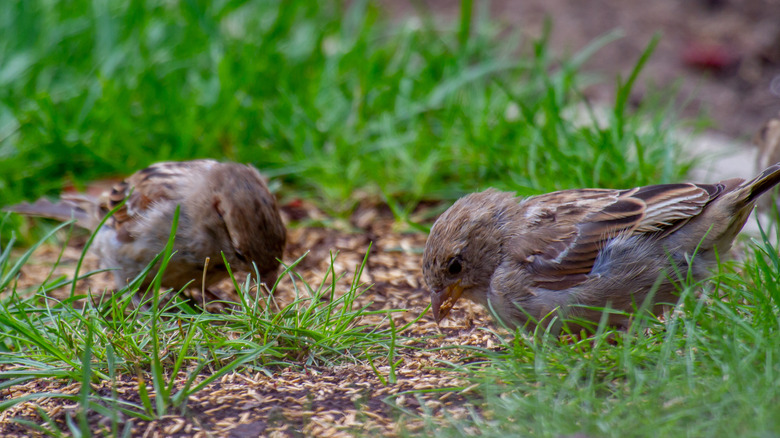
Credit: www.housedigest.com
Frequently Asked Questions
How Can I Protect Grass Seeds From Birds Naturally?
Using bird netting or covering seeds with a thin layer of soil helps protect seeds. Scattering decoy seeds can also distract birds from fresh grass seeds.
What Types Of Bird Deterrents Work Best For Grass Seeds?
Visual deterrents like reflective tape, scare balloons, or fake predators are effective. Sound deterrents and garden scarecrows also help keep birds away from seeds.
When Is The Best Time To Plant Grass Seeds To Avoid Birds?
Plant grass seeds early in the morning or late evening. Birds are less active during these times, reducing seed loss significantly.
Can Bird Feeders Help Keep Birds Away From Grass Seeds?
Yes, placing bird feeders away from seeded areas can divert birds. Feeders provide an alternative food source, reducing interest in newly planted seeds.
Conclusion
Protecting new grass seeds from birds takes patience and care. Cover seeds with light mulch or netting to keep birds away. Try using scare devices like reflective tape or fake predators. Water the area gently to help seeds settle into the soil.
Watch your lawn daily and adjust your methods as needed. Healthy grass grows best when seeds stay safe and undisturbed. With simple steps, your lawn will soon look green and full. Keep at it, and enjoy a beautiful, bird-free lawn.




