
Have you ever wondered if birds eat sunflower seeds right from the plant? If you grow sunflowers or love watching birds in your garden, this question might have crossed your mind.
Understanding how birds interact with sunflower plants can help you protect your garden and enjoy more feathered visitors. Keep reading to discover what birds really do with those bright sunflower heads and how you can make the most of it.
Your garden and your feathered friends will thank you!
Birds And Sunflower Seeds
Birds and sunflower seeds share a fascinating relationship that you might have noticed in your garden or local park. These seeds aren’t just a snack; they play a vital role in many birds’ diets. Understanding which birds eat sunflower seeds and why can help you attract more feathered friends to your outdoor space.
Common Birds That Eat Sunflower Seeds
You’ll find that a variety of birds enjoy sunflower seeds, especially the black oil sunflower variety. Some of the most common seed eaters include:
- Cardinals:These bright red birds are frequent visitors to feeders filled with sunflower seeds.
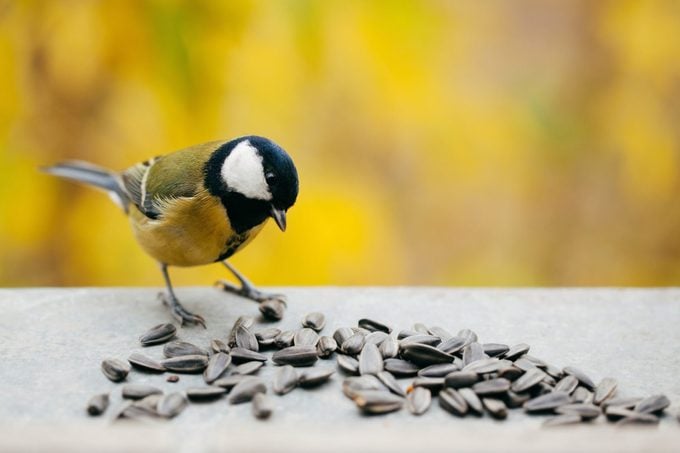
- Chickadees:Small and curious, chickadees love cracking open sunflower seeds for their nutritious kernels.
- Nuthatches:Known for their ability to cling upside down, nuthatches expertly extract seeds from the shells.
- Finches:House finches and goldfinches are attracted to sunflower seeds, often flocking around feeders.
- Woodpeckers:Larger birds like woodpeckers will also take sunflower seeds, especially during colder months.
If you want to invite these birds, try placing sunflower seeds in a feeder that suits their feeding style. Have you noticed which birds visit your garden most often?
Why Birds Like Sunflower Seeds
Sunflower seeds are packed with fat and protein, making them an energy-rich food source. This is especially important during winter when birds need extra fuel to stay warm and active.
The seed’s tough shell protects the nutritious inside, which birds skillfully crack open using their strong beaks. This natural challenge keeps them engaged and helps maintain their beak health.
Additionally, sunflower seeds are widely available and easy to store. If you’ve ever filled a feeder with these seeds, you might have seen birds returning day after day. Isn’t it interesting how such a simple seed can create a lively birdwatching experience right outside your window?
Credit: www.familyhandyman.com
Eating Seeds Directly From The Plant
Eating seeds directly from the plant is a natural behavior many birds exhibit, especially during certain times of the year. This habit allows birds to get fresh, nutrient-rich seeds without waiting for them to fall to the ground. If you have sunflower plants in your garden, you might notice birds visiting frequently, pecking at the seed heads while they’re still attached to the stalk.
Can Birds Eat Seeds Before Harvest?
Yes, birds can eat seeds before they are fully harvested or mature. Many bird species are quite skilled at identifying when seeds are ready to eat, even if the seeds haven’t completely dried out. Sunflower seeds, for example, become attractive to birds as soon as the seed head starts to turn dark and the back of the flower head changes color.
Have you ever caught a bird pecking at a green sunflower head? That’s because some birds don’t wait for the perfect ripeness. This early feeding can sometimes reduce the yield for gardeners, but it’s a natural part of the ecosystem. Understanding this can help you decide if you want to protect your crops or simply enjoy the wildlife.
How Birds Access Seeds On The Plant
Birds use a variety of techniques to get seeds directly from plants. Many small birds cling to the sunflower head, pulling seeds out one by one with their beaks. Larger birds might perch on the stalk, using their strong beaks to break open seed heads more quickly.
Some birds, like finches and chickadees, are adept at hanging upside down or sideways to reach seeds hidden deep in the flower head. Others prefer to wait until seeds naturally loosen and fall, picking them up from the plant’s surface. Watching these different feeding behaviors can be fascinating and tells you a lot about the bird species visiting your garden.
Bird Behavior Around Sunflower Plants
Birds show unique behaviors around sunflower plants. They are drawn to the bright yellow petals and the seeds they produce. Their activity varies by species, season, and seed availability. Observing these behaviors helps understand how birds interact with sunflowers daily.
Feeding Patterns And Timing
Birds usually feed on sunflower seeds during early morning and late afternoon. These times offer cooler temperatures and less competition. Some birds prefer to pick seeds directly from the flower head. Others wait for seeds to fall to the ground. Feeding groups often include finches, sparrows, and chickadees. Their visits can be quick or last several minutes. This feeding rhythm helps them conserve energy and avoid predators.
Impact On Sunflower Growth
Bird feeding can affect sunflower growth in several ways. Birds remove seeds, reducing the plant’s ability to reproduce. Heavy feeding may cause flower heads to droop or break. Some birds peck at the plant, causing minor damage to stems and leaves. However, birds also help by eating pests that harm sunflowers. The balance between seed loss and pest control influences overall plant health. Gardeners often use netting or barriers to protect young plants from intense feeding.
Credit: haiths.com
Surprising Bird Interactions With Sunflowers
Birds interact with sunflowers in many surprising ways. These interactions go beyond just eating seeds. Birds often display unique habits that affect how sunflowers grow and spread. Understanding these behaviors reveals how birds and sunflowers depend on each other.
Unusual Feeding Habits
Some birds eat sunflower seeds directly from the plant. They peck at the flower head, removing seeds one by one. Others might pluck the entire flower head to eat seeds later. Certain species even store seeds in hidden spots for future meals.
Birds use their beaks to crack tough seed shells. Some prefer to eat only the soft seed inside. This selective feeding helps birds get energy without wasting effort. These habits vary by bird type and local environment.
Effects On Seed Dispersal
Birds play a key role in spreading sunflower seeds. They carry seeds away from the plant to new locations. Seeds dropped or hidden in soil can grow into new sunflowers. This natural seed dispersal helps sunflowers colonize wider areas.
By moving seeds, birds influence sunflower distribution and diversity. Some seeds never reach the ground and get eaten entirely. Others survive and start new plants. This balance shapes the sunflower’s life cycle and ecosystem.
Protecting Sunflower Seeds From Birds
Protecting sunflower seeds from birds can be a challenge, especially if you enjoy watching birds but want to harvest your seeds. Birds are naturally drawn to sunflower seeds, and without some protection, you might lose a large portion before you get a chance to collect them. The good news is, there are effective ways to keep your sunflower seeds safe without harming the birds or your garden’s beauty.
Natural Deterrents
Using natural deterrents can gently discourage birds from feasting on your sunflower seeds. You might try hanging shiny objects like old CDs or aluminum foil strips near your sunflowers. These reflect light and create movement that birds don’t like.
Another tip is to use strong-smelling herbs such as garlic or mint planted nearby. Birds tend to avoid areas with these scents. Have you noticed how some gardeners hang dried chili peppers to keep birds away? This simple trick works because birds dislike spicy smells.
Gardening Tips To Minimize Seed Loss
Adjusting how and when you grow sunflowers can make a big difference in seed protection. Try planting your sunflowers in clusters rather than singly. Birds may get distracted by the abundance but won’t be able to eat all the seeds before you harvest.
Timing your harvest is important too. Picking seeds as soon as they mature reduces the window of opportunity for birds to snatch them. You can also use lightweight netting to cover the sunflower heads—this physical barrier is highly effective.
Have you ever tried growing taller sunflower varieties? Their height can make it harder for some birds to reach the seeds easily, giving you a better chance at a good harvest.

Credit: www.reddit.com
Frequently Asked Questions
Do Birds Eat Sunflower Seeds Directly From Plants?
Yes, many birds eat sunflower seeds straight from plants. They prefer ripened seeds in mature flower heads. This natural feeding is common during late summer and fall.
Which Birds Prefer Sunflower Seeds From Plants?
Birds like finches, cardinals, and chickadees often eat sunflower seeds from plants. These birds are attracted to the seeds’ high oil content and nutrition.
Are Sunflower Seeds Safe For Birds To Eat?
Sunflower seeds are safe and nutritious for birds. They provide essential fats and proteins, supporting energy and health during migration and winter.
How Can I Attract Birds To Sunflower Plants?
Plant sunflowers in sunny, open areas and avoid pesticides. Allow flower heads to mature fully to attract seed-eating birds effectively.
Conclusion
Birds enjoy eating sunflower seeds right from the plant. These seeds provide good nutrition and energy for many bird species. Watching birds feed on sunflowers can be a fun and calming experience. Growing sunflowers in your garden helps attract birds naturally.
This creates a lively, natural environment around your home. Feeding birds directly from plants supports their health and the local ecosystem. Keep planting sunflowers to invite more feathered friends to visit. Nature’s simple gifts, like sunflower seeds, bring joy to both birds and people.




