
Have you ever wondered if the sunflower seeds you buy for your bird feeder can grow into beautiful sunflowers in your garden? It’s a question many gardeners and bird lovers ask themselves.
Imagine turning those simple bird seeds into bright, cheerful flowers that light up your outdoor space. But is it really possible? You’ll discover the truth about planting sunflower seeds from bird seed, what to expect, and how to give your plants the best chance to thrive.
Keep reading—you might be surprised by what you can grow!
Choosing The Right Bird Seed
Choosing the right bird seed is key to growing healthy sunflowers from birdseed mixes. Not all birdseed contains sunflower seeds suitable for planting. Some seeds are treated or too small to sprout. Careful selection improves the chance of strong seedlings in your garden.
Types Of Bird Seed With Sunflower Seeds
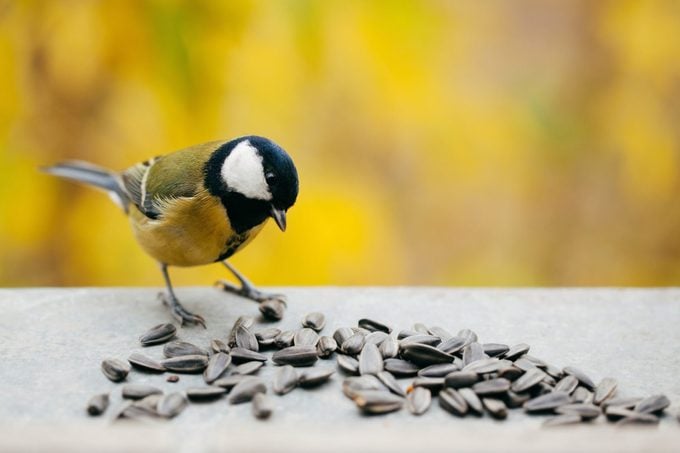
Many birdseed mixes include sunflower seeds, but types vary widely. Black oil sunflower seeds are the most common and best for planting. They have thin shells and sprout easily. Striped sunflower seeds also appear in mixes but have thicker shells. These are harder to grow and take longer to sprout.
- Black oil sunflower seeds – thin shell, high germination
- Striped sunflower seeds – thick shell, slower germination
- Sunflower chips – usually broken, not good for planting
- Mixed birdseed blends – may have few viable sunflower seeds
Identifying Viable Sunflower Seeds
Not every sunflower seed in birdseed mixes can grow. Some are cracked, old, or treated with chemicals. Look for seeds that are whole and firm. Avoid seeds that look shriveled or damaged. Healthy seeds feel hard and heavy for their size. You can also test seeds by soaking them in water. Seeds that sink are usually alive and ready to grow. Seeds that float often are empty or dead.
Credit: www.familyhandyman.com
Preparing Seeds For Planting
Preparing sunflower seeds from bird seed for planting takes a bit more effort than just tossing them in soil. Cleaning and prepping your seeds increases the chances of growing healthy sunflowers. It also helps you avoid planting unwanted debris or seeds that won’t sprout.
Cleaning And Sorting Seeds
Bird seed mixes often contain shells, dirt, and seeds from other plants. Start by spreading the seeds out on a flat surface with good light. Pick out anything that looks broken, shriveled, or different from typical sunflower seeds.
Use a fine mesh sieve or colander to rinse the seeds under cool water. This removes dust and small particles. Let them dry completely on a paper towel or cloth before moving on. You want your seeds clean but not wet when planting.
Soaking And Pre-germination Tips
Soaking sunflower seeds for 12 to 24 hours softens their outer shell. This jumpstarts germination and can speed up sprouting time. Use room temperature water and avoid soaking longer than a day to prevent rotting.
After soaking, place seeds between damp paper towels in a warm spot. Check daily to keep the towels moist but not soaking wet. Watching tiny roots emerge here means your seeds are ready to plant.
Have you ever noticed how some seeds sprout faster than others? Soaking and pre-germination might be the reason. It’s a simple trick that makes a big difference in your garden’s success.
Planting Sunflower Seeds
Planting sunflower seeds can be a rewarding experience, especially if you’re curious about using bird seed as a source. Many bird seed mixes contain sunflower seeds, but not all are ideal for planting. Understanding how to prepare the soil and space your seeds will set you up for a successful sunflower patch.
Best Soil And Location
Sunflowers thrive in well-drained soil with a neutral to slightly acidic pH, usually between 6.0 and 7.5. Avoid heavy clay or overly sandy soils unless you amend them with compost to improve texture and nutrients.
Choose a spot that gets full sun—at least 6 to 8 hours daily. I once planted in a partly shaded area and noticed my sunflowers grew tall but weak, struggling to bloom fully. Sunlight is key to strong stems and vibrant flowers.
Planting Depth And Spacing
Plant your sunflower seeds about 1 to 2 inches deep. Too shallow, and the seeds risk drying out; too deep, and they may struggle to sprout. You can press the soil gently over the seeds to keep them secure and moist.
Space each seed 6 to 12 inches apart, depending on the sunflower variety. Larger varieties need more room to spread. Have you noticed how tightly packed seeds often result in spindly plants? Giving them room to grow makes a big difference in their health and bloom size.
Caring For Your Sunflowers
Caring for your sunflowers after planting seeds from bird seed is essential to help them grow tall and vibrant. These flowers are hardy but still need the right attention to thrive. Paying attention to watering, fertilizing, and pest control will make a big difference in your sunflower garden’s success.
Watering And Fertilizing
Sunflowers need consistent moisture, especially during the germination and early growth stages. Water your plants deeply once or twice a week, depending on rainfall and temperature.
Too much water can cause root rot, so make sure the soil drains well. You can test this by watering and observing if puddles form or if water quickly soaks in.
Fertilize your sunflowers with a balanced, slow-release fertilizer. Nitrogen helps leaves grow, but too much can lead to weak stems. Use a formula with moderate nitrogen and higher phosphorus to encourage strong roots and blooms.
Pest And Disease Control
Sunflowers can attract pests like aphids, caterpillars, and birds eager to snack on the seeds. Keep an eye on the leaves and stems for signs of damage or tiny insects.
Try natural pest control methods first. For example, spraying a mix of water and mild soap can deter aphids without harming your plants.
Diseases such as powdery mildew and rust may also appear if humidity is high. Ensure good airflow by spacing plants properly and removing any diseased leaves promptly.
Have you noticed any unusual spots or wilting on your sunflowers? Early detection can save your entire crop.
Common Challenges And Solutions
Planting sunflower seeds from bird seed can be rewarding but comes with some challenges. Understanding common problems helps you grow healthy sunflowers. Challenges range from seeds not sprouting well to animals eating the seeds. Solutions involve simple gardening tricks that improve success.
Dealing With Poor Germination
Bird seed mixes often contain seeds that may not sprout. Some seeds are old or treated with chemicals. This lowers germination rates.
- Choose fresh, high-quality bird seed with visible sunflower seeds.
- Soak seeds in water for 12 hours before planting to soften shells.
- Plant seeds in warm soil, about 70°F (21°C), for better sprouting.
- Keep soil moist but not soggy to avoid rot.
- Use seed-starting trays or pots for better control over conditions.
Protecting Seeds From Birds And Animals
Birds and animals love sunflower seeds too. They can eat seeds before they grow. Protecting seeds is key to success.
- Cover planted areas with lightweight netting to keep birds away.
- Use garden fences or mesh to block small animals like squirrels.
- Scatter decoy food far from planting spots to distract animals.
- Plant seeds deeper to reduce chances of being dug up.
- Water early in the day so soil stays firm overnight.

Credit: www.amazon.com
Harvesting And Enjoying Blooms
Harvesting and enjoying sunflower blooms can be a delightful experience. These bright flowers not only beautify gardens but also provide seeds. You can enjoy the beauty of sunflowers and their seeds in many ways. The key is knowing when and how to harvest them.
When To Harvest Sunflower Seeds
Sunflower seeds are ready for harvest when the back of the flower head turns brown. The petals should be dry and falling off. Shake the head gently. If seeds fall easily, it’s harvest time. Cut the head off and hang it in a dry place. This prevents mold and encourages drying.
Using Sunflowers For Decoration And Seed Saving
Sunflowers make stunning decorations with their vibrant blooms. Place them in a vase for a cheerful touch indoors. For seed saving, store dry seeds in a cool, dry place. This ensures they remain viable for future planting. Sunflowers offer beauty and utility year-round.

Credit: www.amazon.com
Frequently Asked Questions
Can You Grow Sunflowers From Bird Seed?
Yes, you can grow sunflowers from bird seed. However, not all bird seeds are viable for planting. Choose fresh, untreated sunflower seeds for best results.
Are Bird Seed Sunflower Seeds Good For Planting?
Bird seed sunflower seeds can be good for planting if they are raw and untreated. Avoid roasted or salted seeds as they won’t germinate.
How To Plant Sunflower Seeds From Bird Seed?
Plant bird seed sunflower seeds in well-drained soil, about 1 inch deep. Water regularly and ensure they get full sunlight for healthy growth.
Will Sunflowers Grown From Bird Seed Produce Seeds?
Sunflowers grown from bird seed usually produce seeds. However, seed quality depends on the original seed’s viability and growing conditions.
Conclusion
Planting sunflower seeds from bird seed can be fun and rewarding. Not all bird seeds grow well, but some do sprout healthy plants. Choose high-quality bird seed with sunflower seeds inside. Water them regularly and give plenty of sunlight. Watch your garden grow with bright, cheerful sunflowers.
It’s a simple way to enjoy nature and add beauty. Try planting bird seed and see what happens. Gardening can be easy and enjoyable for everyone. Give it a try this season!




