
Have you ever wondered if the sunflower seeds you scatter for birds could grow into beautiful sunflowers in your garden? It’s a question many gardeners and bird lovers ask.
Imagine turning those simple bird feed seeds into bright, sunny flowers that brighten your space and attract more wildlife. But can you really plant sunflower seeds from bird feed, and will they grow well? Keep reading to discover the surprising truth and learn how you can make the most of those seeds you already have.
Your garden might thank you for it!

Credit: www.reddit.com
Sunflower Seeds In Bird Feed
Sunflower seeds are a popular ingredient in many bird feed mixes. They attract various birds and provide essential nutrients. Many gardeners wonder if these seeds can also grow into beautiful sunflowers in their gardens. Understanding what types of sunflower seeds are in bird feed and their quality helps answer this question.
Common Types Of Seeds Included
Bird feed usually contains black oil sunflower seeds. These seeds are small and have thin shells. They are easy for birds to crack open. Sometimes, striped sunflower seeds appear in mixes. These are larger and have thicker shells. Both types appeal to different bird species.
Besides sunflower seeds, bird feed often includes:
- Safflower seeds
- Milo
- Millet
- Cracked corn
The sunflower seeds in bird feed mainly serve as food, not planting stock.
Seed Quality And Viability
Sunflower seeds in bird feed are not always fresh. They can be old or stored improperly. This affects their ability to sprout. Many bird feed seeds are treated with chemicals to prevent germination. These treatments stop seeds from growing but keep birds safe.
Viability depends on seed age and storage. Seeds kept in dry, cool places have better chances to grow. However, most bird feed seeds do not meet planting standards. Gardeners should buy seeds labeled for planting to ensure growth.
Can Bird Feed Seeds Grow?
Wondering if the sunflower seeds in your bird feed bag can sprout into bright, sunny blooms? The answer isn’t a simple yes or no. While some bird feed seeds might grow, several factors influence whether they will successfully germinate and thrive in your garden.
Factors Affecting Germination
Not all seeds in bird feed are meant to grow. Many are harvested from plants grown for wildlife, and their quality or freshness might vary. Seeds that have been stored for a long time or exposed to moisture could have reduced viability.
Also, the type of sunflower seeds matters. Black oil sunflower seeds commonly found in bird feed generally have a higher germination rate compared to striped sunflower seeds, which are often treated or processed.
Think about the environment you provide. Seeds need the right temperature, moisture, and soil conditions to sprout. Even the best seed won’t grow in poor soil or if planted too deep.
Seed Treatment And Coatings
Many bird feed seeds come with treatments or coatings to protect them from pests and mold. These coatings might include fungicides, insecticides, or chemical preservatives that stop seeds from germinating.
These treatments are great for feeding birds but not for growing plants. If you try planting treated seeds, you might see little or no growth. It’s worth checking the seed package or supplier information to see if the seeds are untreated or organic.
Removing seed coatings isn’t always possible or safe. Instead, sourcing raw, untreated seeds from a garden center or seed supplier increases your chances of success. Have you ever tried planting seeds from your bird feeder? What was your experience like?
Choosing The Right Seeds
Choosing the right sunflower seeds from bird feed can make a big difference in your garden’s success. Not all seeds found in bird feed are meant for planting, so understanding which ones will grow is crucial. Let’s break down how to spot the best seeds and avoid those that won’t sprout.
Identifying Viable Sunflower Seeds
Viable sunflower seeds are usually plump, firm, and have a smooth shell. You can spot them by their size—larger seeds have a better chance of germinating than tiny, shriveled ones.
Look closely at the color too. Healthy seeds often have a consistent dark gray or black stripe pattern. If you see seeds that look pale, cracked, or damaged, they probably won’t grow.
Here’s a quick way to test seed viability at home:
- Place your seeds in a bowl of water.
- Wait for about 15 minutes.
- Discard any seeds that float—they’re likely empty or dead.
- Use the ones that sink, as they’re more likely to sprout.
Avoiding Non-germinating Seeds
Bird feed often contains a mix of seed types, including those coated with chemicals or meant only for feeding, not planting. These seeds might be treated to prevent sprouting and could harm your soil or plants.
Check the packaging or source of your bird feed to see if the seeds are untreated or labeled as suitable for planting. Avoid any seed mixes that include fillers like millet, cracked corn, or other grains that won’t grow into sunflowers.
Also, keep in mind that seeds stored for a long time or exposed to moisture might lose their ability to germinate. If you’re unsure about the freshness of your seeds, try sprouting a few in a damp paper towel before planting them in soil.
Planting Tips For Success
Getting your sunflower seeds from bird feed to sprout into tall, vibrant flowers takes more than just dropping them in the ground. Success depends on how well you prepare your soil, choose the right planting time, and care for your growing plants. Let’s dive into practical tips that will help your sunflowers thrive and brighten your garden.
Soil Preparation
Sunflowers prefer soil that drains well but still holds moisture. Before planting, loosen the soil to a depth of about 12 inches to encourage strong root growth.
Adding some compost or aged manure can boost nutrient levels, especially since bird feed seeds might not be treated for optimal growth. Avoid overly rich soil, though; sunflowers don’t need too much fertilizer and can suffer from weak stems if overfed.
Optimal Planting Time
Timing is key for sunflower success. Plant your seeds after the last frost date in your area, when the soil temperature is at least 50°F (10°C). This ensures the seeds won’t rot in cold, wet soil.
Sunflowers also love full sun, so pick a spot that gets at least 6 to 8 hours of direct sunlight daily. Have you noticed how sunflowers seem to follow the sun? Giving them plenty of light helps them grow tall and strong.
Watering And Care
Water your seeds gently but thoroughly right after planting. Keep the soil moist but not soggy until the seedlings emerge, which usually takes 7 to 10 days.
Once established, sunflowers are fairly drought-tolerant, but regular watering encourages bigger blooms. Watch for signs of underwatering, such as wilting leaves, and adjust your watering routine accordingly.
Don’t forget to thin seedlings once they reach a few inches tall, leaving about 6 inches between plants. This prevents overcrowding and lets each sunflower grow to its full potential.
Common Challenges
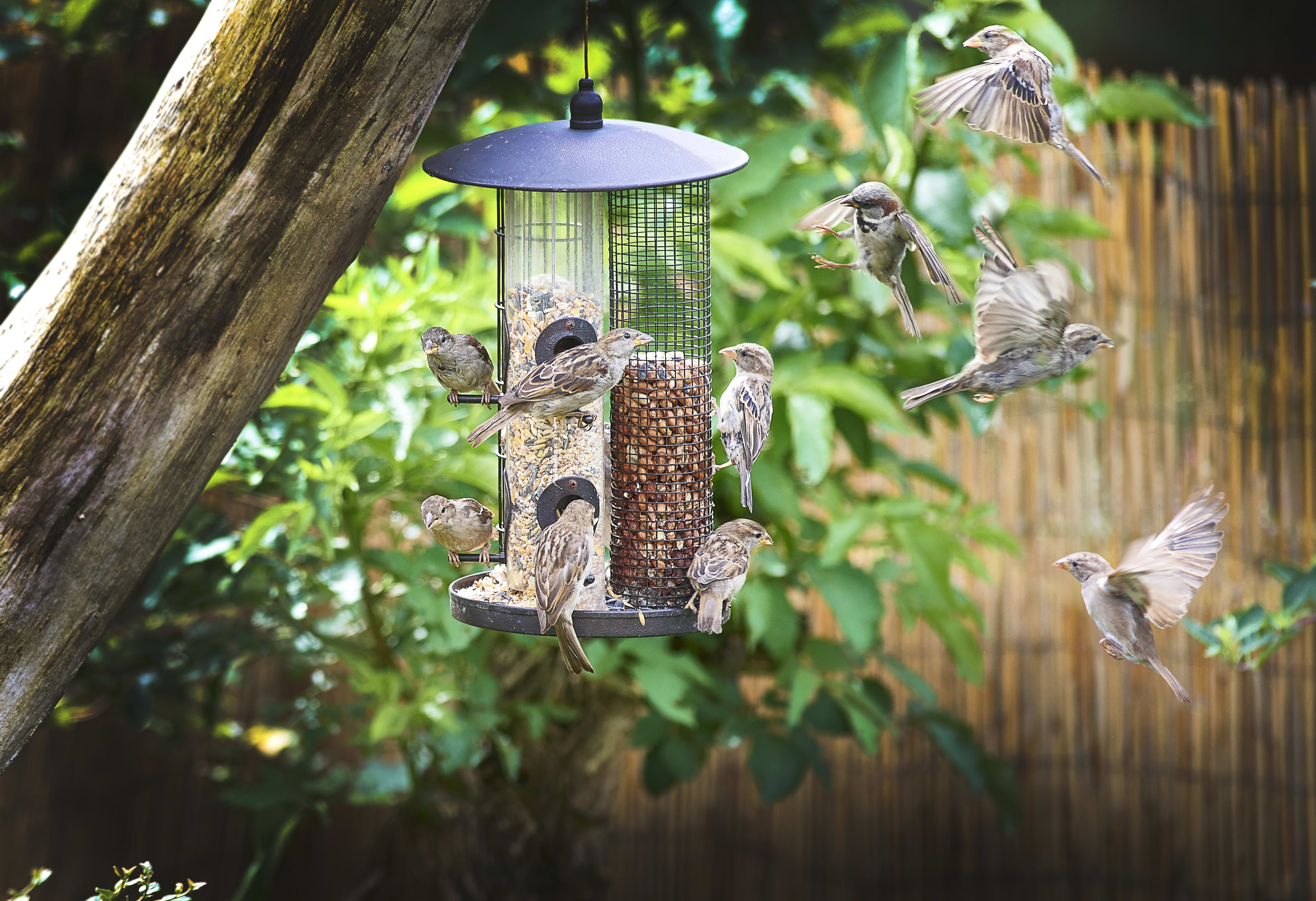
Planting sunflower seeds from bird feed can bring surprises. Challenges often appear early in the growing process. Knowing common problems helps prepare and care better. Sunflowers need extra attention to thrive from these seeds.
Pests And Diseases
Bird feed seeds may carry pests or diseases. Bugs like aphids and caterpillars attack young plants quickly. These pests suck sap and damage leaves. Watch for signs like holes or sticky residue. Fungal diseases can also harm seedlings, causing spots or wilting. Good air flow and clean soil reduce disease risks. Using natural insect sprays can protect plants safely.
Seedling Growth Issues
Seeds from bird feed may not sprout evenly. Some seeds are old or damaged, leading to weak growth. Seedlings might grow slowly or stay small. Lack of sunlight or poor soil quality adds stress. Overwatering or underwatering also stops healthy growth. Thin out crowded seedlings to give space. Use nutrient-rich soil to support strong roots and stems.
Credit: dengarden.com
Alternatives To Bird Feed Seeds
If you’re thinking about planting sunflower seeds, you might wonder if the seeds from your bird feeder will do the trick. While it’s tempting to use these seeds, there are several alternatives that promise better success. From quality assurance to enhanced growth potential, choosing the right seeds can make all the difference in your gardening journey.
Where To Buy Quality Seeds
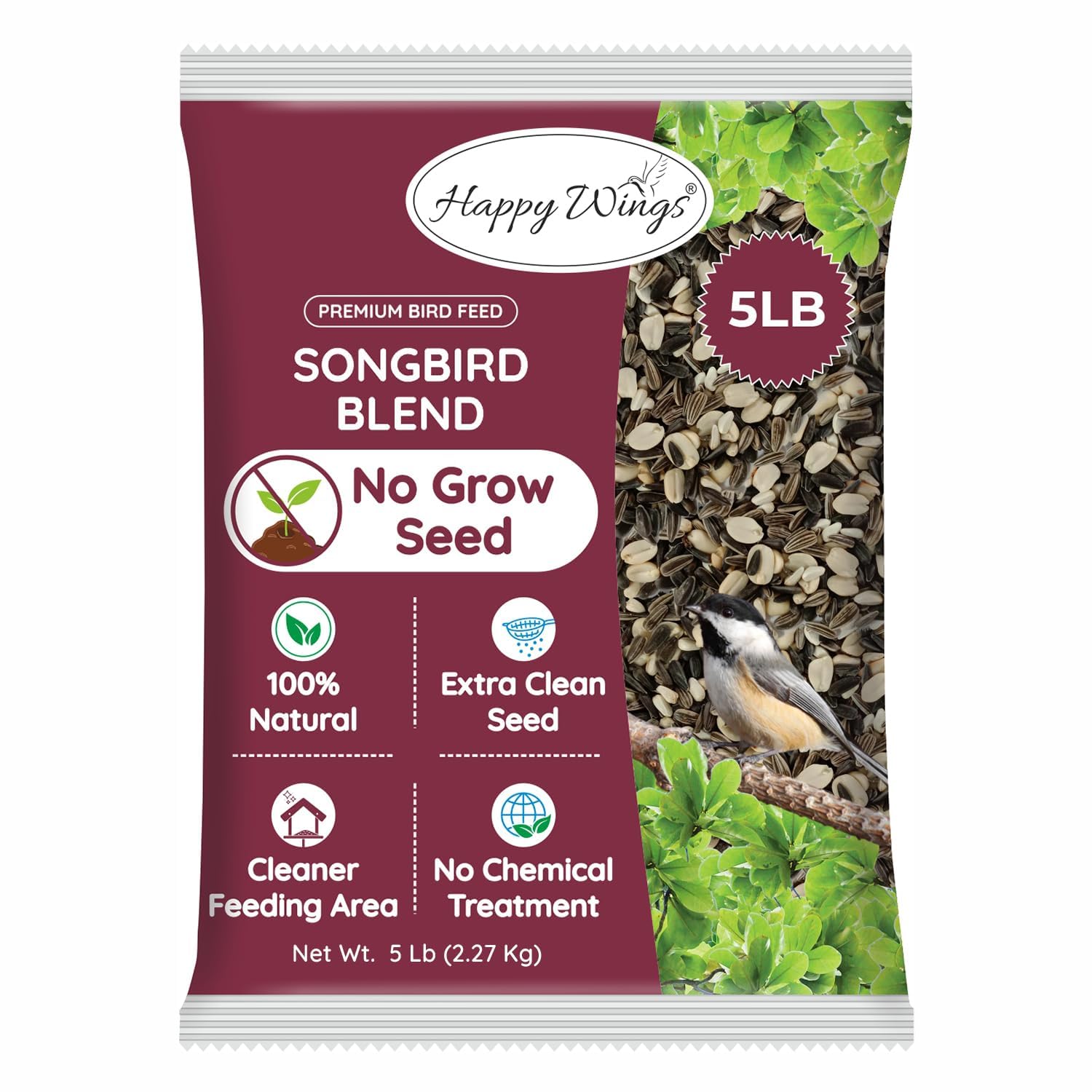
Quality seeds are the backbone of a thriving garden. You can purchase them from reputable garden centers or online marketplaces. Websites like Burpee or Johnny’s Selected Seeds offer a wide variety of sunflower seeds with detailed descriptions.
Local nurseries are also a great source, providing seeds that are well-suited to your regional climate. Plus, you can get advice from knowledgeable staff about the best planting practices. Don’t forget farmers’ markets; they often sell locally sourced seeds that have proven successful in your area.
Benefits Of Certified Seeds
Certified seeds are your best bet for assured quality and reliability. They undergo rigorous testing to ensure they are disease-free and genetically pure. This means a higher germination rate and healthier plants.
Another advantage is the possibility of greater yields. Certified seeds are bred for their superior traits, offering you sunflowers that are not only beautiful but also robust. By investing in certified seeds, you reduce the risks and potential disappointments of gardening.
Have you ever planted seeds only to find they didn’t sprout? Certified seeds significantly lessen the chances of such disappointments. So, why take the risk when you can opt for seeds with a higher guarantee of success?
Credit: www.amazon.ca
Frequently Asked Questions
Can You Grow Sunflowers From Bird Feed Seeds?
Yes, you can grow sunflowers from bird feed seeds if they are raw and untreated. Avoid roasted or salted seeds as they won’t germinate. Plant the seeds in well-drained soil and provide sunlight for best growth.
Are Bird Feed Sunflower Seeds Viable For Planting?
Bird feed sunflower seeds may be viable if they are raw and not chemically treated. Check the seed type before planting. Organic or untreated seeds have a higher chance of sprouting successfully in your garden.
How To Prepare Bird Feed Seeds For Planting?
To prepare bird feed seeds, select raw, untreated seeds. Soak them in water overnight to improve germination. Plant them in nutrient-rich soil, 1 inch deep, and keep soil moist until sprouts appear.
Will Black Oil Sunflower Seeds From Bird Feed Grow?
Black oil sunflower seeds from bird feed can grow if they are raw and untreated. These seeds are often preferred for planting due to their thin shells and high germination rates. Ensure proper planting conditions for best results.
Conclusion
Planting sunflower seeds from bird feed can work well. Some seeds may not sprout because of treatment or shell damage. Choose clean, untreated seeds for better growth. Sunflowers add beauty and attract helpful insects to your garden. Give the seeds good soil, water, and sunlight to help them grow strong.
Watching sunflowers grow from bird feed is rewarding and fun. Try it yourself and enjoy bright, cheerful flowers soon.




