
Are you looking for a simple way to attract more birds to your yard? Planting sunflower seeds might be the answer.
But can you actually plant sunflower seeds meant for birds? You probably have questions about how to do it right and what to expect. Keep reading, and you’ll discover easy tips to grow sunflowers that not only brighten your garden but also bring a flurry of feathered friends right to your doorstep.
Get ready to turn your outdoor space into a bird paradise!
Benefits Of Planting Sunflowers For Birds
Planting sunflowers offers many benefits for birds and nature. These tall, bright flowers serve as a natural source of food and shelter. They help create a welcoming space for birds in your garden or yard. Sunflowers also support local ecosystems by encouraging bird activity and promoting biodiversity.
Attracting Local Bird Species
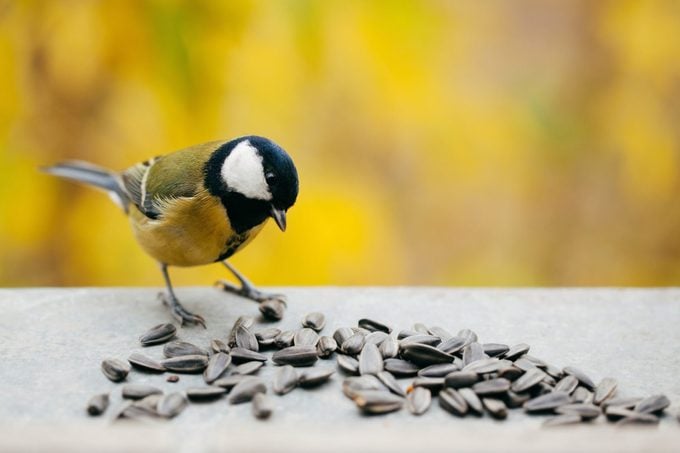
Sunflowers attract many kinds of birds. Their seeds appeal to finches, sparrows, and chickadees. Birds visit your garden more often to feed on these seeds. This increases bird diversity near your home. Watching different bird species can bring joy and a connection to nature.
Providing Natural Food Sources
Sunflower seeds are rich in nutrients and energy for birds. They offer a healthy, natural diet that supports bird health. During colder months or dry seasons, these seeds become vital food. Sunflowers reduce the need for artificial bird feeders. Birds find a reliable food source right from the plants.
Supporting Bird Habitat
Sunflowers provide shelter for small birds and insects. Their tall stalks offer protection from predators and harsh weather. Plants create safe spaces for nesting and resting. This helps birds build strong, thriving populations. Sunflowers improve the overall health of your local bird habitat.
Choosing The Right Sunflower Seeds
Choosing the right sunflower seeds is key to attracting and feeding birds effectively. Not all sunflower seeds are created equal, and your choice impacts both the health of the birds and the success of your garden. Let’s look at how to pick seeds that birds will love and that will thrive in your planting.
Types Of Sunflower Seeds For Birds
Birds prefer certain types of sunflower seeds over others. Black oil sunflower seeds are the top choice because they have thinner shells and more oil, making them easier for birds to crack open and highly nutritious.
Striped sunflower seeds have thicker shells, which some larger birds enjoy, but many smaller birds may struggle with them. Hulled sunflower seeds are also an option, offering a mess-free feeding experience since the shells are removed.
- Black oil sunflower seeds:Best for most wild birds, easy to eat.
- Striped sunflower seeds:Good for larger birds, tougher shells.
- Hulled sunflower seeds:No shells, less waste, often used in feeders.
Selecting Quality Seeds
Quality matters when choosing sunflower seeds. Look for fresh, clean seeds without dust or debris. Old or moldy seeds can harm birds and reduce germination rates if you plan to plant them.
Check the packaging date or buy from reputable suppliers to ensure freshness. Seeds stored in cool, dry places maintain their quality longer, so consider how the seeds were stored before purchase.
Have you ever noticed birds avoiding a feeder? It might be due to poor seed quality. Offering fresh, high-quality seeds encourages birds to visit and stay around your garden.
Where To Buy Bird-friendly Seeds
Finding reliable sources for bird-friendly sunflower seeds is easier than you think. Local garden centers often carry seeds suited for your region’s birds and growing conditions.
Specialty wild bird stores or online retailers offer a wide selection, including organic and untreated seeds. Buying from these sources ensures you get seeds free from pesticides and chemicals that could harm birds.
Consider connecting with local birding groups or gardening clubs—they often share trusted seed sources and tips based on firsthand experience.
Best Time And Place To Plant
Knowing the best time and place to plant sunflower seeds for birds can make all the difference in attracting them to your garden. Sunflowers not only brighten up your outdoor space but also provide a nutritious food source for many bird species. Let’s dive into when and where you should plant to get the best results.
Ideal Planting Seasons
Sunflowers thrive when planted at the right time. Aim to sow your seeds after the last frost date in your area to avoid cold damage. This usually means late spring to early summer.
Planting during this window gives the seeds enough warmth and sunlight to germinate quickly. If you plant too early, the seedlings may struggle with chilly soil. Too late, and the plants might not mature before the first frost in fall.
Sunlight And Soil Requirements
Sunflowers love full sun. Make sure your chosen spot receives at least 6 to 8 hours of direct sunlight daily. Less sunlight means weaker plants and fewer seeds for the birds.
The soil should be well-draining but rich in nutrients. If your soil is heavy clay or sandy, consider mixing in compost to improve texture and fertility. You want soil that holds moisture but doesn’t stay soggy.
Spotting Bird-friendly Locations
Where you plant matters for attracting birds. Choose areas where birds feel safe from predators and disturbances. Placing sunflowers near shrubs or trees offers birds quick cover and perching spots.
Avoid spots too close to busy walkways or noisy equipment. Think about where you’ve seen birds feeding or resting before—that’s usually a good indicator of a bird-friendly location. Have you noticed your backyard birds’ favorite hangouts? Plant your sunflowers there to invite them closer.
Credit: www.familyhandyman.com
Planting Techniques For Success
Planting sunflower seeds for birds needs careful techniques. Proper planting helps seeds grow strong and healthy. Following the right steps gives the best chance for success. Pay attention to soil, seed placement, and watering for good results.
Preparing The Soil
Start by loosening the soil to make it soft. Remove rocks, weeds, and debris. Sunflowers like soil that drains well but holds some moisture. Mixing compost or organic matter into soil improves nutrients. This helps seeds grow big and sturdy.
Seed Depth And Spacing
Plant seeds about 1 to 1.5 inches deep. Too deep, and seeds may not sprout well. Space seeds 6 to 12 inches apart. Proper spacing gives plants room to grow leaves and roots. Crowded seeds can lead to weaker plants and less sun exposure.
Watering And Care Tips
Water seeds gently right after planting. Keep soil moist but not soaked. Once plants grow, water deeply once or twice a week. Watch for dry soil, especially in hot weather. Remove weeds regularly to reduce competition for water and nutrients.
Maintaining Your Sunflower Patch
Maintaining your sunflower patch keeps the plants healthy and attractive to birds. Regular care helps sunflowers grow strong and produce seeds. A well-kept patch also reduces problems from pests and weather. Attention to simple tasks brings better blooms and more bird visits.
Pest Control Without Chemicals
Use natural methods to protect sunflowers from bugs. Handpick pests like beetles or caterpillars from leaves. Encourage beneficial insects such as ladybugs and lacewings to live nearby. Plant herbs like basil or mint to repel harmful bugs. Keep the area clean by removing dead leaves and debris.
Dealing With Weather Challenges
Sunflowers need sun but can suffer in strong wind or heavy rain. Support tall plants with stakes or garden twine. Water deeply during dry spells to prevent stress. Mulch around plants to keep soil moist and cool. Remove damaged leaves to reduce disease risk after storms.
Encouraging Continuous Bloom
Plant sunflower seeds at different times for a longer flowering period. Deadhead old flowers by cutting them off to promote new buds. Use balanced fertilizer to provide nutrients throughout the season. Check for signs of nutrient deficiency like yellow leaves. Keep watering regularly, especially during hot weather.

Credit: www.amazon.com
Harvesting Seeds For Birds
Planting sunflower seeds is an easy way to grow food for birds. Birds enjoy the seeds, and sunflowers add beauty to your garden. Seeds can be harvested once the flowers dry out and then saved for bird feeders.
Harvesting sunflower seeds for birds is not just a rewarding activity; it’s a delightful way to invite nature into your garden. Watching birds flock to your yard can provide endless entertainment and connect you with the natural world. By offering freshly harvested seeds, you give birds a nutritious treat and ensure they keep visiting your garden.When To Harvest
The best time to harvest sunflower seeds is when the back of the flower head turns a rich brown. This indicates that the seeds have matured and are ready to be collected. You might notice the seeds beginning to loosen; this is a clear signal that it’s time to harvest. Cut the flower heads with a few inches of stem attached and hang them in a dry, well-ventilated area. This prevents mold and ensures your seeds remain fresh for the birds.Safe Seed Storage
Once harvested, proper storage is crucial to keep seeds fresh and safe for birds. Store your seeds in airtight containers to protect them from moisture and pests. Consider using glass jars or heavy-duty plastic containers. Keep your containers in a cool, dark place. This helps maintain the seeds’ nutritional value and keeps them appetizing for your feathered friends.Feeding Tips For Wild Birds
Offering sunflower seeds to wild birds can turn your garden into a lively aviary. Scatter seeds on a feeder or a flat surface in your yard to attract a variety of bird species. Remember to clean the feeding area regularly to prevent disease. Mix sunflower seeds with other bird-friendly treats like millet or cracked corn. This variety will attract different birds and provide them with balanced nutrition. Have you ever noticed how certain birds prefer specific seeds? Observing these preferences can help you cater to your avian visitors more effectively.Common Challenges And Solutions
Planting sunflower seeds for birds can face challenges like poor soil or pests. Using quality soil and protecting seeds with netting helps ensure growth. Birds may eat seeds early, so planting in multiple areas spreads the risk and provides enough food.
Planting sunflower seeds for birds can be a rewarding experience. However, like any gardening endeavor, it comes with its own set of challenges. Understanding these challenges and knowing how to tackle them can make the difference between a flourishing bird-friendly garden and a disappointing one. Let’s explore some common hurdles and how you can overcome them.Preventing Seed Theft By Other Wildlife
If you’ve ever planted sunflower seeds, you know that squirrels and other critters can be sneaky thieves. To protect your seeds, consider using wire mesh or netting over the planted area until the seeds sprout. Another effective method is to sprinkle a bit of cayenne pepper around the seeds. Birds won’t mind, but it deters other animals. Have you noticed any other wildlife causing trouble in your garden?Handling Disease And Fungus
Sunflowers can be prone to diseases and fungus, especially in damp conditions. Ensure your sunflowers have good air circulation by spacing them appropriately. If you do notice signs of disease, remove affected plants to prevent spreading. Regularly check your plants for any unusual spots or growths.Avoiding Overcrowding
Sunflowers need space to thrive. Planting them too closely can lead to stunted growth and increased susceptibility to disease. Make sure to follow the spacing guidelines on your seed packet. If you’ve ever planted sunflowers too close together, you’ll know how quickly they can become tangled. Thin out seedlings if necessary to give each plant enough room to grow strong and tall. By addressing these challenges, you can create a vibrant garden that attracts birds and fills your space with beauty. What other challenges have you faced in your gardening journey?
Credit: www.amazon.ca
Frequently Asked Questions
Can You Plant Sunflower Seeds Specifically For Birds?
Yes, you can plant sunflower seeds to attract birds. They provide food and shelter, supporting local wildlife naturally.
When Is The Best Time To Plant Sunflower Seeds?
Plant sunflower seeds in spring after the last frost. This timing ensures strong growth and abundant seeds for birds.
What Type Of Sunflower Seeds Attract Birds Most?
Black oil sunflower seeds attract the most birds. They have thin shells and high oil content, preferred by many bird species.
How Do You Care For Sunflowers Grown For Birds?
Water sunflowers regularly and provide full sunlight. Harvest seeds when mature to feed birds or let them feed directly.
Conclusion
Planting sunflower seeds for birds is a simple way to help nature. Birds love these seeds because they provide good food. Sunflowers grow easily and add beauty to gardens. Watching birds visit makes gardening more fun and lively. Anyone can start planting and enjoy the benefits.
Give it a try and see the birds come. A small effort brings big joy to your outdoor space. Sunflower seeds are a natural gift for birds and people alike.




