
Are you wondering if you can plant black oil sunflower seeds to attract birds to your yard? If you love watching feathered friends up close, these seeds might be just what you need.
But before you toss them into your garden, there are some important things to know. Keep reading to discover how planting black oil sunflower seeds can turn your outdoor space into a bird paradise—and what you should do to make sure your efforts really pay off.
Your backyard birdwatching experience is about to get a whole lot better!
Benefits Of Black Oil Sunflower Seeds
Black oil sunflower seeds offer more than just a pretty sight in your garden or bird feeder. They provide essential benefits that support bird health and encourage a lively, diverse bird population around your home. Understanding these benefits can help you decide why these seeds are a great choice for your backyard birdwatching experience.
Nutritional Value For Birds
Black oil sunflower seeds pack a punch when it comes to nutrition. They are rich in fat, which gives birds the energy they need, especially during cold months or migration. The thin shell makes it easy for small birds to crack open and access the nutritious kernel inside.
Birds like chickadees, nuthatches, and finches thrive on these seeds because they provide a balanced mix of fats, protein, and fiber. This not only keeps them healthy but also helps them maintain their vibrant feathers and strong immune systems. Have you noticed how birds seem more active and colorful when you feed them black oil sunflower seeds?
Attracting Diverse Bird Species
If you want to see a variety of birds at your feeder, black oil sunflower seeds are your best bet. Their popularity among many species means you’re likely to attract everything from cardinals and woodpeckers to sparrows and grosbeaks. This variety can turn your garden into a lively bird-watching spot.
Because these seeds are easy to eat and highly nutritious, both small and large birds find them appealing. This creates a natural gathering place where different species can coexist. Have you ever wondered which new bird might visit your feeder next when you switch to black oil sunflower seeds?

Credit: www.amazon.com
Choosing The Right Seeds
Choosing the right seeds is crucial if you want to attract the most birds to your garden and ensure they get the nutrition they need. Not all sunflower seeds are created equal, and the type you pick affects both the birds’ health and your gardening success. Understanding the differences can help you decide which seed to plant for a thriving bird-friendly space.
Black Oil Vs. Other Sunflower Seeds
Black oil sunflower seeds stand out because of their thin shells and high oil content. Birds find them easier to crack open compared to striped sunflower seeds, which have thicker shells.
Because of this, black oil seeds appeal to a wider variety of birds, including finches, chickadees, and cardinals. Their higher oil content also means more energy for your feathered visitors, especially during colder months.
Striped sunflower seeds, while popular for human consumption, may not be the best choice for wild birds. They require more effort to open, so only strong-billed birds can access the meat inside. This limits the diversity of birds you might attract.
Where To Buy Quality Seeds
Finding high-quality seeds is just as important as choosing the right type. Seeds that are fresh, clean, and free from fillers will attract more birds and reduce waste.
Look for reputable sellers who specialize in bird seed or gardening supplies. Local nurseries often have fresh stock, but online retailers can offer a wider selection and bulk options.
- Check for seeds labeled “black oil sunflower” to ensure you’re getting the right variety.
- Read customer reviews to gauge freshness and purity.
- Avoid mixes with excessive fillers like cracked corn or millet if you want to attract a variety of birds.
Have you noticed how birds react differently to various seeds in your feeder? Paying attention to their preferences can guide your seed choices for better results.
Planting Conditions
Knowing the right planting conditions is key to growing black oil sunflower seeds successfully for feeding birds. These conditions ensure healthy plants that produce abundant seeds. Let’s look closely at what your soil and environment need to offer.
Ideal Soil Types
Black oil sunflowers thrive best in well-drained soils. Loamy or sandy soils with good drainage prevent root rot and support strong growth.
If your soil is heavy clay or tends to stay wet, consider adding organic matter like compost. This improves texture and drainage, helping seeds sprout better.
Have you tested your soil pH? Sunflowers prefer slightly acidic to neutral soil, between 6.0 and 7.5. Adjusting pH with garden lime or sulfur can boost seed production.
Sunlight And Temperature Needs
Sunflowers are sun lovers. They need full sun—at least 6 to 8 hours of direct sunlight daily—to grow tall and produce seeds.
Temperature plays a big role too. Seeds germinate best when soil temperatures reach 55°F (13°C) or higher. Cooler soils delay sprouting or reduce germination rates.
Think about your planting time. Early spring might seem tempting, but waiting until the soil warms up can save you the frustration of poor seedling growth.
Planting Steps
Planting black oil sunflower seeds for birds can be a rewarding experience that attracts vibrant wildlife to your garden. Understanding the right steps to prepare, sow, and care for these seeds will increase your chances of a healthy, flourishing crop. Let’s walk through the essential planting steps to help you grow sunflowers that birds will love.
Preparing The Soil
Choose a spot with full sun, as sunflowers need at least six hours of direct sunlight daily. The soil should be loose and well-drained to prevent waterlogging, which can harm the seeds.
Before planting, clear the area of weeds and rocks that might compete with your sunflowers. Adding a bit of compost can improve soil fertility, but avoid heavy fertilizers that encourage leaf growth over blooms.
Seed Sowing Techniques
Plant seeds directly in the garden after the last frost date, as sunflowers don’t transplant well. Sow seeds about 1 to 2 inches deep and space them 6 to 12 inches apart depending on the variety’s expected size.
Press the soil gently over the seeds to ensure good contact, which helps with germination. You might wonder if starting seeds indoors speeds up growth—but with sunflowers, direct sowing is usually best for strong roots.
Watering And Maintenance
Keep the soil moist but not soaked during the first few weeks to help seeds sprout. Once established, sunflowers are drought tolerant but benefit from regular watering, especially during dry spells.
Watch for pests like birds nibbling early sprouts or insects feeding on leaves. You can protect young plants with light netting or natural deterrents, but don’t forget that some bird activity is a sign your planting is working!
Growing Challenges
Planting black oil sunflower seeds for birds can be tricky due to soil and weather conditions. Birds enjoy these seeds, but growing them requires patience and care. Challenges include pests, soil quality, and proper watering.
Growing black oil sunflower seeds for birds can be rewarding. Yet, gardeners face several challenges. Understanding these challenges helps ensure a successful harvest.Pests And Diseases
Sunflower seeds attract various pests. Birds love them, but so do squirrels. They can eat seeds before they sprout. Insects like aphids also pose threats. They weaken plants by sucking their sap. Fungal diseases can also affect sunflowers. Powdery mildew and rust are common problems. These diseases can stunt plant growth.Weather-related Issues
Weather impacts sunflower growth significantly. They thrive in warm climates but suffer in frost. Early frosts can kill young plants. Strong winds can damage tall sunflowers. Heavy rain can lead to root rot. This happens if the soil doesn’t drain well. Drought conditions also stress sunflowers. They need regular watering to stay healthy.Harvesting And Storage
Black oil sunflower seeds grow best when harvested after the seed heads dry and turn brown. Store seeds in a cool, dry place to keep them fresh for bird feeding. Proper drying prevents mold and ensures seeds stay nutritious.
Harvesting black oil sunflower seeds for birds requires careful timing and methods. Proper harvesting and storage ensure the seeds remain fresh and nutritious. Follow these steps to maximize your yield and keep seeds viable for your feathered friends.When To Harvest Seeds
Harvest the seeds when the sunflower heads droop. The back of the flower turns yellow, indicating maturity. Check for plump seeds in the head. They should be hard and black. If the weather is dry, leave the heads on the plants. This helps them dry naturally.Proper Drying And Storage Methods
Cut the sunflower heads with a bit of stem attached. Hang them upside down in a dry, ventilated area. This reduces moisture, preventing mold. Allow them to dry for several weeks. Once dry, gently rub the seeds from the heads. Store the seeds in a cool, dark place. Use airtight containers to keep moisture out. This preserves freshness for bird feeding.Feeding Birds With Homegrown Seeds
Feeding birds with homegrown black oil sunflower seeds brings nature closer to your garden. Growing your own seeds ensures fresh, nutritious food for local birds. It also saves money and supports wildlife naturally. Birds love black oil sunflower seeds for their high fat and protein content. These seeds attract many bird species, making your garden lively and colorful.
Setting Up Bird Feeders
Choose feeders that suit the seed size and bird types. Tube feeders work well for black oil sunflower seeds. Platform feeders allow multiple birds to eat at once. Place feeders in safe spots, away from predators. Keep feeders clean to prevent disease. Refill feeders regularly to keep birds coming back.
Seasonal Feeding Tips
Offer seeds year-round for steady bird visits. In winter, birds need more energy; increase seed amounts. In spring, reduce feeding as natural food grows. Summer feeding helps young birds learn to find food. Clean feeders often during wet seasons to avoid mold and bacteria.
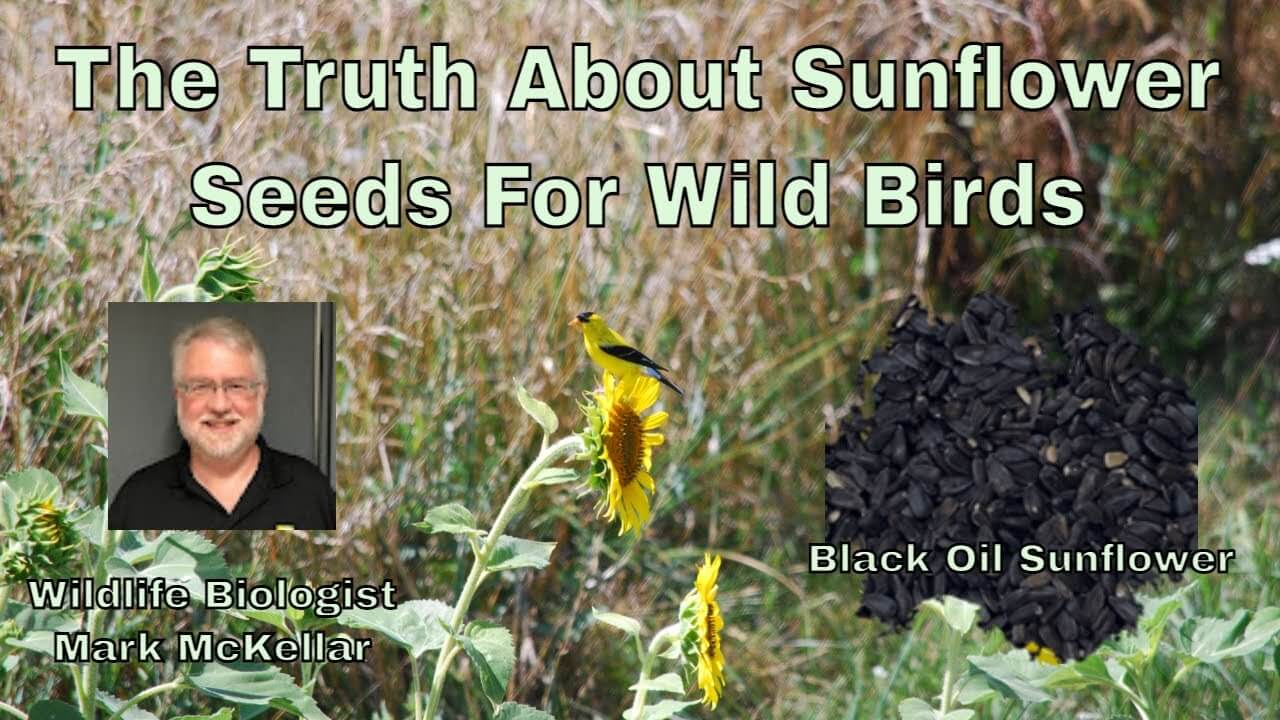
Credit: jungleaquatics.com
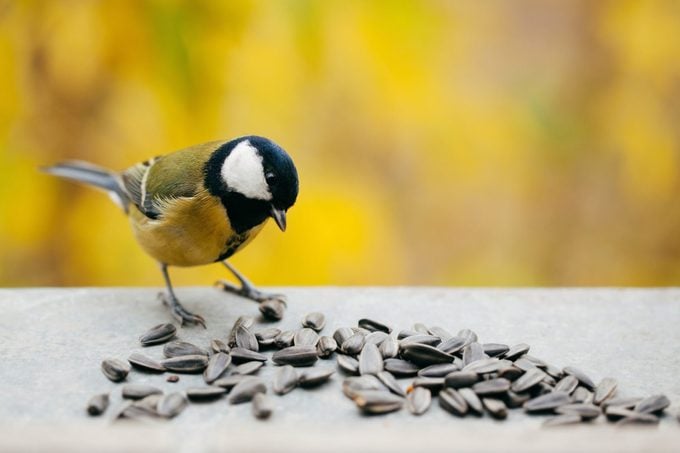
Credit: www.familyhandyman.com
Frequently Asked Questions
Can You Grow Black Oil Sunflower Seeds For Birds?
Yes, black oil sunflower seeds can be grown to attract birds. They thrive in well-drained soil and full sun. These seeds produce plants that provide nutritious food for many bird species.
Are Black Oil Sunflower Seeds Best For Bird Feeding?
Black oil sunflower seeds are highly favored by most wild birds. They have thin shells and high oil content, making them easy to eat and energy-rich.
How Long Do Black Oil Sunflowers Take To Grow?
Black oil sunflowers typically mature in 70 to 90 days. They grow quickly under optimal conditions with sufficient sunlight and water.
What Soil Conditions Suit Black Oil Sunflower Seeds?
Well-drained, fertile soil with a neutral pH is ideal. Sunflowers prefer loose soil to develop strong roots and support healthy growth.
Conclusion
Planting black oil sunflower seeds attracts many birds to your yard. These seeds grow well in most gardens and provide food for birds. Birds love their high oil content and easy-to-crack shells. Watching birds visit your plants can bring joy and peace.
Choose a sunny spot and water regularly for best growth. Enjoy feeding wild birds while adding beauty to your space. It’s a simple way to help nature right at home. Give it a try and see the birds come!




